OpenClaw CRM Review 2026: Building a High-Performance AI SDR Team for $300 a Month
Discover how OpenClaw CRM is disrupting the AI sales landscape in 2026. Learn to build a high-performance AI SDR team for under $300/month with our expert review.
In 2026, the sales development representative (SDR) role has undergone a radical transformation. The days of manual data entry and template-based cold emailing are officially over. As the global CRM market hurtles toward an estimated valuation of over $120 billion this year, a new breed of tools has emerged to challenge the enterprise status quo. Leading the pack of disruptors is OpenClaw CRM, an open-source, agent-first platform that promises to deliver the power of a $30,000-per-year enterprise SDR platform for roughly the cost of a high-end Netflix subscription.
For growth-stage startups and lean marketing agencies, the math is becoming impossible to ignore. Why pay tens of thousands in licensing fees for "black box" AI when you can host your own System of Execution? This review explores the 2026 capabilities of OpenClaw CRM and provides a tactical playbook for scaling your outbound sales without breaking the bank.
The 2026 Cost-Benefit: OpenClaw vs. Enterprise AI SDRs
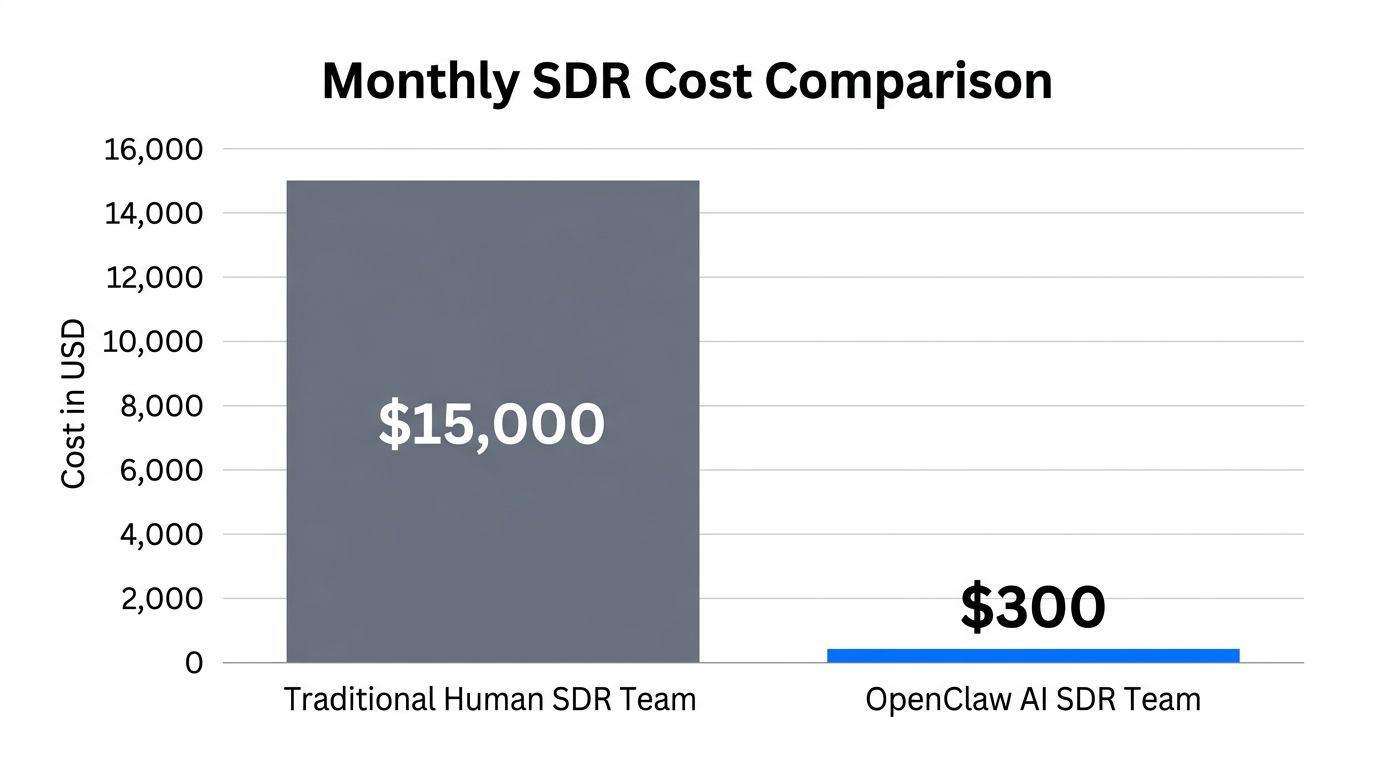
The primary appeal of OpenClaw CRM lies in its radical cost transparency. While legacy enterprise platforms often bundle AI token costs with massive software premiums, OpenClaw operates on an MIT-licensed, open-source model. This allows teams to pay only for the raw compute and API tokens they actually consume. According to current market cost comparisons, the savings are staggering.
| Feature | OpenClaw (Self-Hosted) | Enterprise AI SDR Tools |
|---|---|---|
| Software Cost | $0 (Open Source) | $2,500 - $4,000/mo |
| Hosting/VPS | $6 - $100/mo | Included |
| AI Token Spend | $20 - $200/mo | Included |
| Total Est. Cost | $26 - $300/mo | $30,000 - $48,000/yr |
By leveraging platforms like Hostinger or AWS for hosting, a savvy sales leader can deploy a fleet of agents that work 24/7 for a fraction of a single human salary. This isn't just about saving money; it's about reallocating capital toward lead acquisition and strategy rather than software rent.
"OpenClaw isn't just a database; it's a middleware team in a single MacBook that actually does things while you sleep."
What is OpenClaw CRM? Architecture of an Agent-First System
Unlike traditional enterprise CRMs, which were built for human data entry, OpenClaw CRM is architected for AI agents to operate directly via over 40 REST API endpoints. This means the AI doesn't just "assist" you; it lives inside the database. With 17 custom attribute types and a built-in Kanban pipeline, it functions as a high-speed intelligence layer between your messaging channels (WhatsApp, Telegram, Discord) and your lead data.
As of early 2026, the project has seen viral growth, gaining massive traction on GitHub. This massive community support has led to the creation of "Claw Hub," a repository of skills that allow agents to perform complex tasks like scraping Gmail or processing Fathom meeting transcripts in seconds.
The Playbook: Handling 4,000+ Emails in 48 Hours
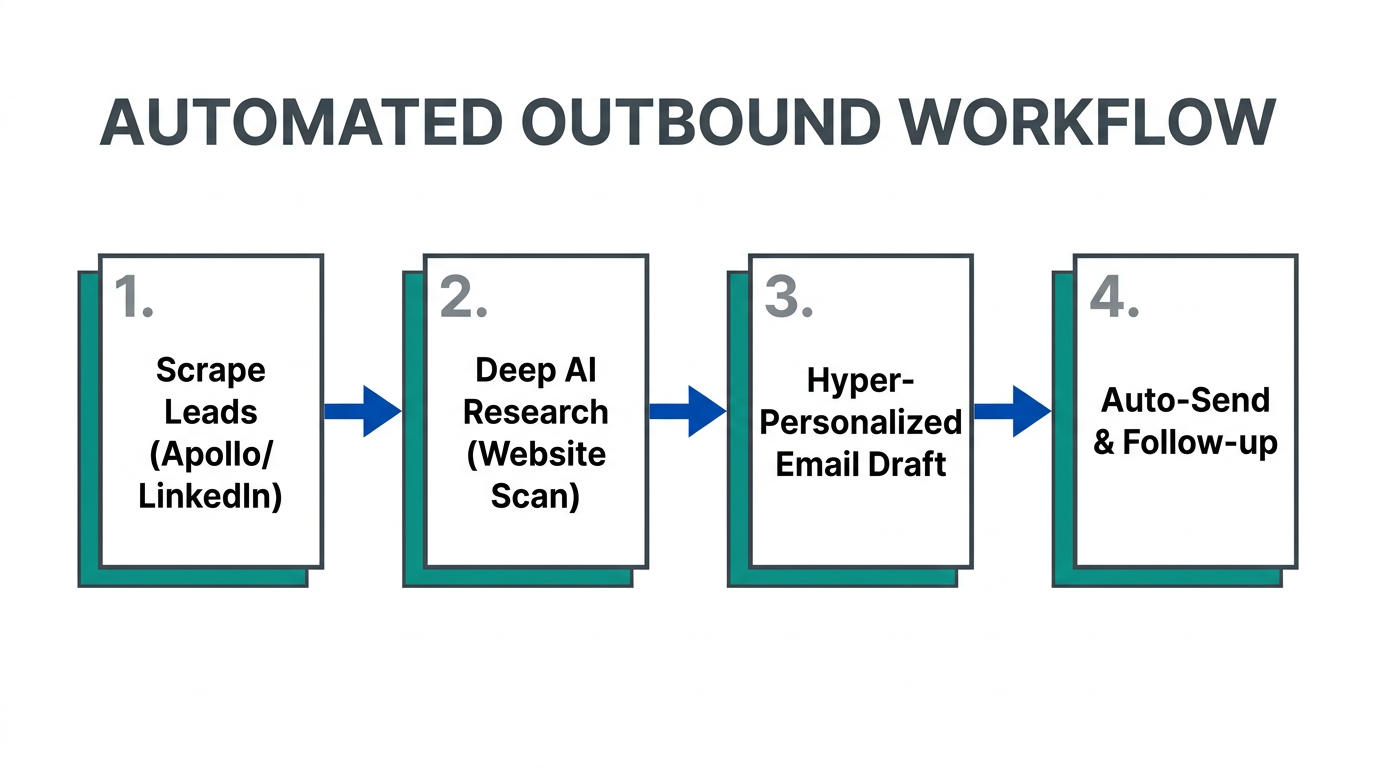
Scaling outbound sales traditionally required a massive team of SDRs. With OpenClaw, a single operator can manage a "System of Execution" that handles thousands of personalized touchpoints. Here is the 2026 playbook for high-volume automated outbound:
Step 1: Lead Discovery and Sourcing
Before you can automate outreach, you need high-quality data. For brands targeting the creator economy or B2C niches, platforms like Stormy AI are essential. You can use Stormy's AI search engine to find influencers across TikTok, Instagram, and YouTube, then export those leads directly into your OpenClaw database. While Stormy AI handles the discovery, OpenClaw takes over the engagement.
Step 2: Configuring the Execution Agents
Once leads are in OpenClaw, you deploy agents via natural language prompts. Users have reported clearing 4,000+ emails in 48 hours by letting agents work overnight to categorize, archive, and respond to incoming inquiries.
Step 3: Multi-Channel Synchronization
Integration with tools like Lemlist or Instantly allows OpenClaw to act as the central brain, triggering follow-ups across email and LinkedIn based on real-time sentiment analysis of the replies.
"The future of sales isn't more people; it's better orchestration. One person managing 50 agents is the new standard for a high-performance SDR team."
Model Routing: Maximizing ROI with Claude 3.5
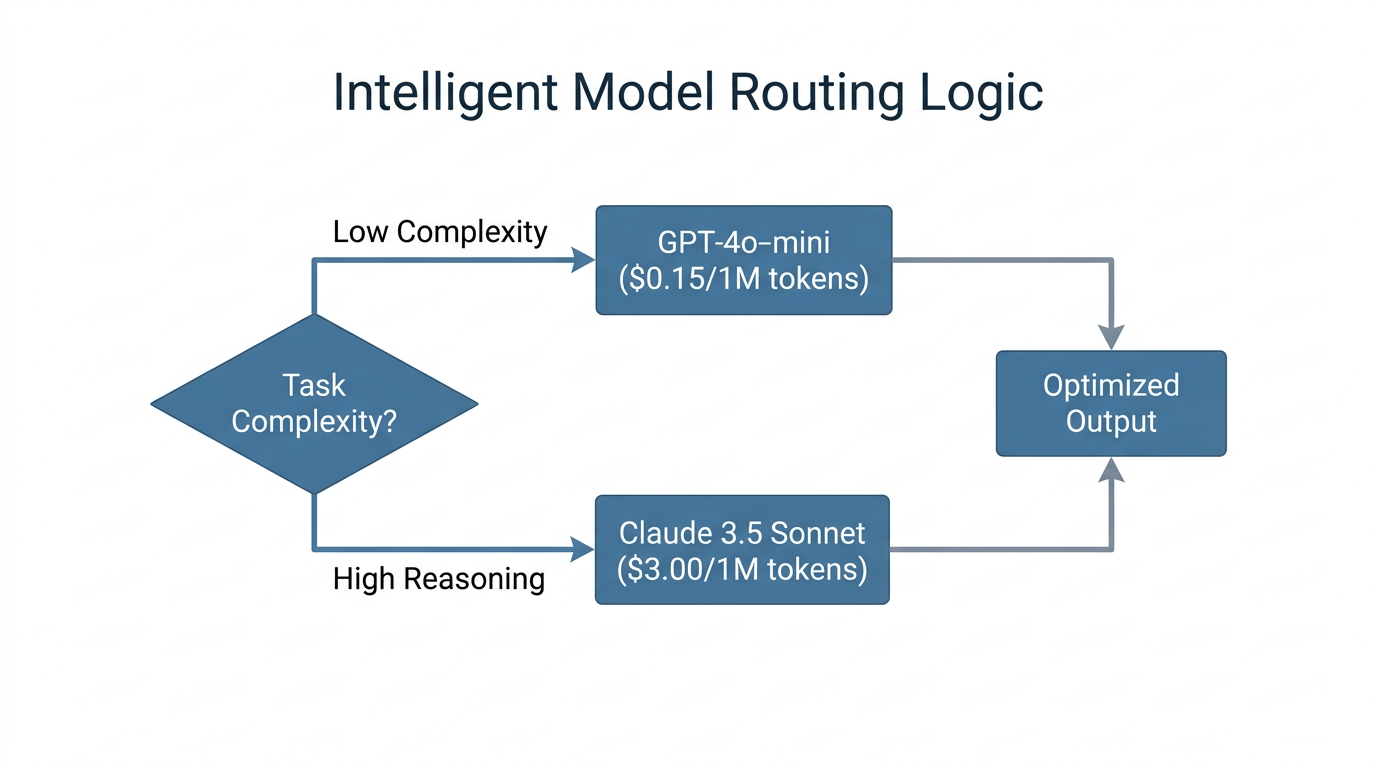
One of the biggest mistakes new OpenClaw users make is the "Opus Default" trap. Using the most powerful—and expensive—model for every task will quickly lead to API bills exceeding $200 per month. To run a lean operation, you must implement model routing:
- Claude 3.5 Sonnet: Use this for 90% of your tasks. It is exceptionally fast and cost-effective for data entry, initial outreach drafts, and basic lead categorization.
- Claude 3.5 Opus: Reserve this model strictly for deep lead research, complex negotiation analysis, or personalized video script generation.
By switching between these models based on task complexity, users on Reddit have noted that weekly costs can drop from $47 down to just $6. This level of granular control is something enterprise SaaS simply cannot offer.
Integrating OpenClaw as an Execution Layer
You don't have to abandon your existing CRM to benefit from OpenClaw. In fact, many high-performing 2026 sales teams use a two-tiered stack:
- System of Record (SoR): Large-scale platforms remain the source of truth for legal, accounting, and long-term customer history.
- System of Execution (SoE): OpenClaw CRM handles the high-volume, messy work of cold outreach, lead enrichment, and initial qualification.
By connecting the two via Zapier or Make, you can keep your primary CRM clean while letting the AI agents "grind" in the OpenClaw environment. Once an AI agent qualifies a lead, it pushes the data into your primary SoR for a human account executive to close.
Risk Management: Avoiding Session Bloat and Security Pitfalls
While OpenClaw is a productivity superpower, it is not without risks. Expert sentiment is often divided between its utility and its potential for security vulnerabilities. Critics in publications like Forbes warn that giving agents the power to execute shell commands is a "can of worms" if not properly sandboxed.
Preventing "Session Bloat"
A common mistake that spikes API bills is failing to start fresh sessions. If you don't use the /new command, the AI resends the entire conversation history with every new query. This exponentially increases token usage. Always instruct your agents to clear their context once a specific task is complete.
Infrastructure Isolation
Never run OpenClaw directly on your primary workstation. Always use a Docker container or a dedicated VPS. This prevents an autonomous agent from accidentally deleting personal files if it misinterprets a "cleanup" command. There are famous stories in the AI engineering community of users losing entire project folders due to unrestricted rm -rf permissions given to over-autonomous agents.
"The key to AI safety in sales isn't less automation—it's better sandboxing. Run your agents in an environment where they can't hurt your core business."
Conclusion: Is OpenClaw CRM Right for You?
OpenClaw CRM currently holds a moderate rating on Trustpilot, reflecting the steep learning curve and experimental nature of the platform. However, for those willing to master its nuances, it offers a competitive advantage that is impossible to match with traditional tools.
If you are a startup founder or a growth marketer looking to build an elite outbound engine on a budget, OpenClaw is the definitive choice for 2026. By combining it with lead discovery tools like Stormy AI and a robust model routing strategy, you can achieve enterprise-level results for less than $300 a month. The era of the $40,000 SDR seat is officially over—the age of the AI-orchestrated sales force has begun.