In the fast-evolving landscape of 2026, the digital marketing sphere has shifted away from the polished, high-budget studio productions of yesteryear. Today, the platform of choice remains TikTok, where a global potential ad audience has reached a staggering 1.59 billion people. However, the barrier to entry has changed. Success no longer depends on the size of your camera crew, but on the sophistication of your autonomous agents. OpenClaw, the open-source framework formerly known as Moltbot, has emerged as the definitive tool for brand builders looking to scale AI-native UGC that doesn't just look real—it converts. By leveraging executable skill files, marketers are achieving 15% higher engagement than traditional static formats, creating a new standard for social commerce.
The Shift to AI-Native UGC in 2026
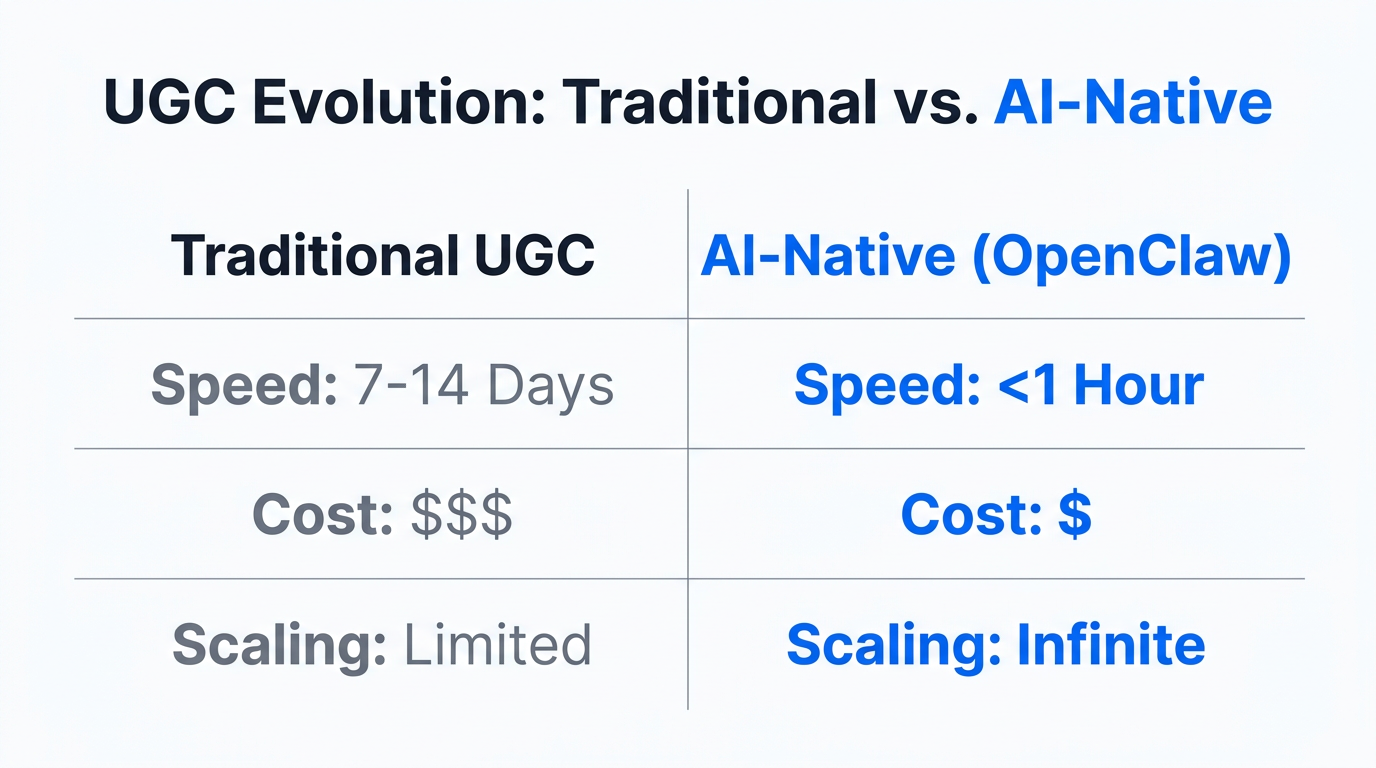
The current marketing climate is defined by speed. We are seeing a trend decay cycle so rapid that ads often lose their effectiveness within just 48 to 72 hours. This "creative fatigue" makes manual production impossible for brands that want to remain relevant. This is where OpenClaw steps in, allowing AI models like Claude 3.5 Sonnet to execute complex advertising workflows locally. The goal is no longer to create a "perfect" ad, but to generate content that mimics the raw, organic feel of a phone video captured by a real user.
Short-form video ads on TikTok currently maintain a platform-wide average engagement rate of 2.65%, according to latest reports from Metricool. To beat these benchmarks, brands are turning to TikTok creative automation to produce high volumes of variations without sacrificing the "soul" of the content.
Mastering the 2-Second Hook with hook-master.md
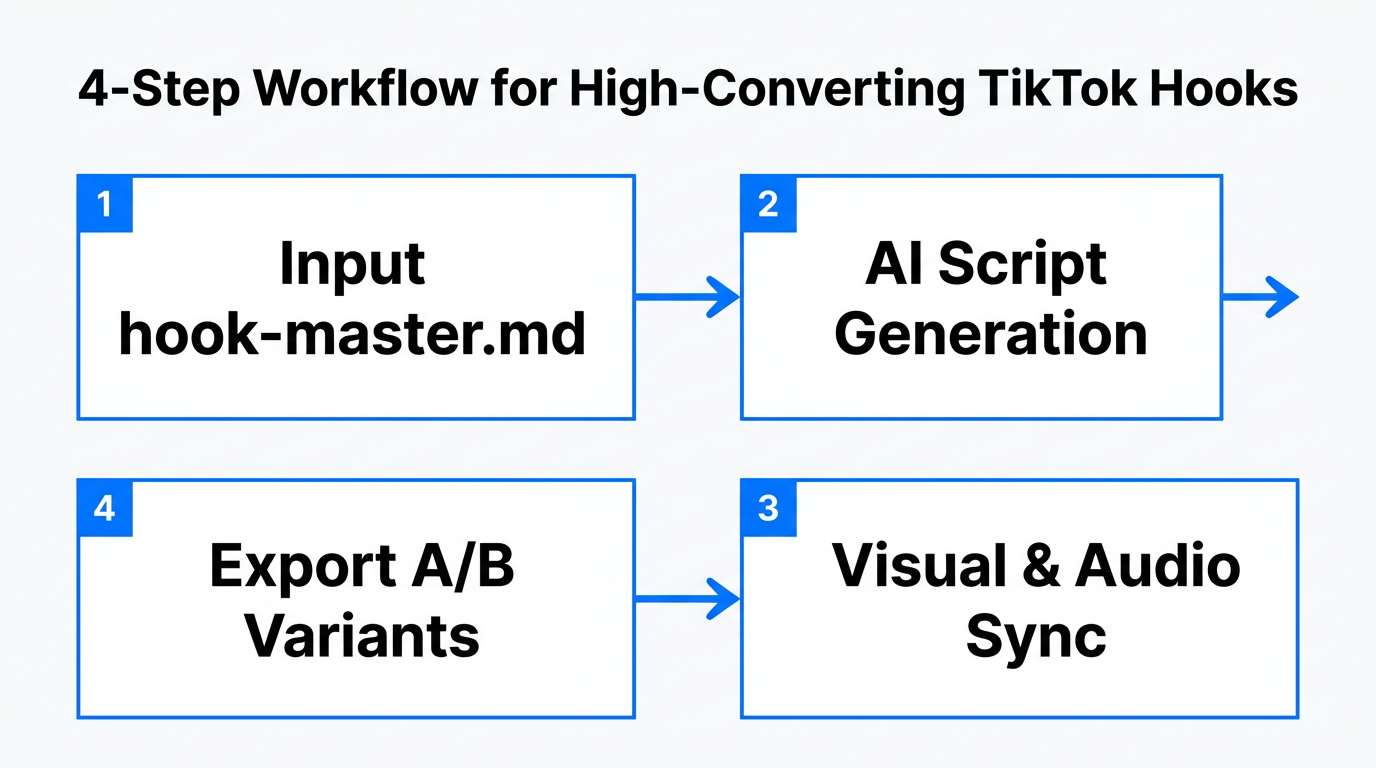
On TikTok, the first two seconds determine whether a user stays or scrolls. The hook-master.md skill in OpenClaw is designed to solve this by scraping the TikTok Creative Center and competitor libraries to identify winning patterns. Instead of guessing, the agent generates 20 unique angles per product based on historical performance data.
"The key to virality in 2026 is moving from generic product features to story-driven hooks that stop the scroll instantly."A notable case study involves an agent named "Larry," which utilized these story-driven hooks (e.g., "My landlord said I can't change anything, so I showed her what AI thinks...") to generate over 234,000 views in just 48 hours. This level of TikTok ad hook generator capability allows brands to test wide and double down on what works within hours, not weeks.
Maintaining AI Video Consistency for Ads
One of the biggest hurdles in AI-generated content is the "uncanny valley" or jarring transitions between scenes. To build trust, your AI video consistency for ads must be flawless. OpenClaw’s scene-sync.md skill utilizes "Scene Locking" to maintain character features, lighting, and camera angles across a multi-slide ad. By locking a base prompt—for instance, "iPhone 15 Pro, warm kitchen lighting"—the agent can vary the subject's actions while keeping the environment stable.
| Feature | Legacy AI Ads | AI-Native UGC (OpenClaw) |
|---|---|---|
| Visual Flow | Jarring jumps between frames | Consistent lighting & character locking |
| Creative Cycle | Weeks for production | 48-72 hour refresh cycles |
| Engagement | Static or low (under 1%) | 15% higher than platform average |
To streamline the workflow, many developers use the Postiz API to upload these consistent drafts directly to TikTok for final human review. Before you start generating, it is often helpful to use Stormy AI to discover creators in your niche and analyze their visual style to provide a reference point for your AI's scene-locking parameters.
Audio Syncing and Emotional Sound Layering
Sound is non-negotiable on TikTok, where 93% of users browse with sound on. Using the beatoven-sync.md skill, marketers can integrate with tools like Beatoven.ai or ElevenLabs to generate royalty-free audio that matches the ad's emotional arc. Avoid generic, robotic AI voices; instead, use high-fidelity clones or speech-to-speech tech to maintain that essential human touch.
"Short-form video rewards fast learning cycles... AI compresses the cycle by reading performance signals earlier." — HeyBuzzlyBy connecting to the TikTok Trend API via trend-scout.md, OpenClaw can even suggest rising audio tracks and hashtags before they reach their peak, as noted by experts at HeyBuzzly. This allows for high-converting TikTok scripts 2026 that feel culturally relevant in the moment.
Automated Auditing and Scaling
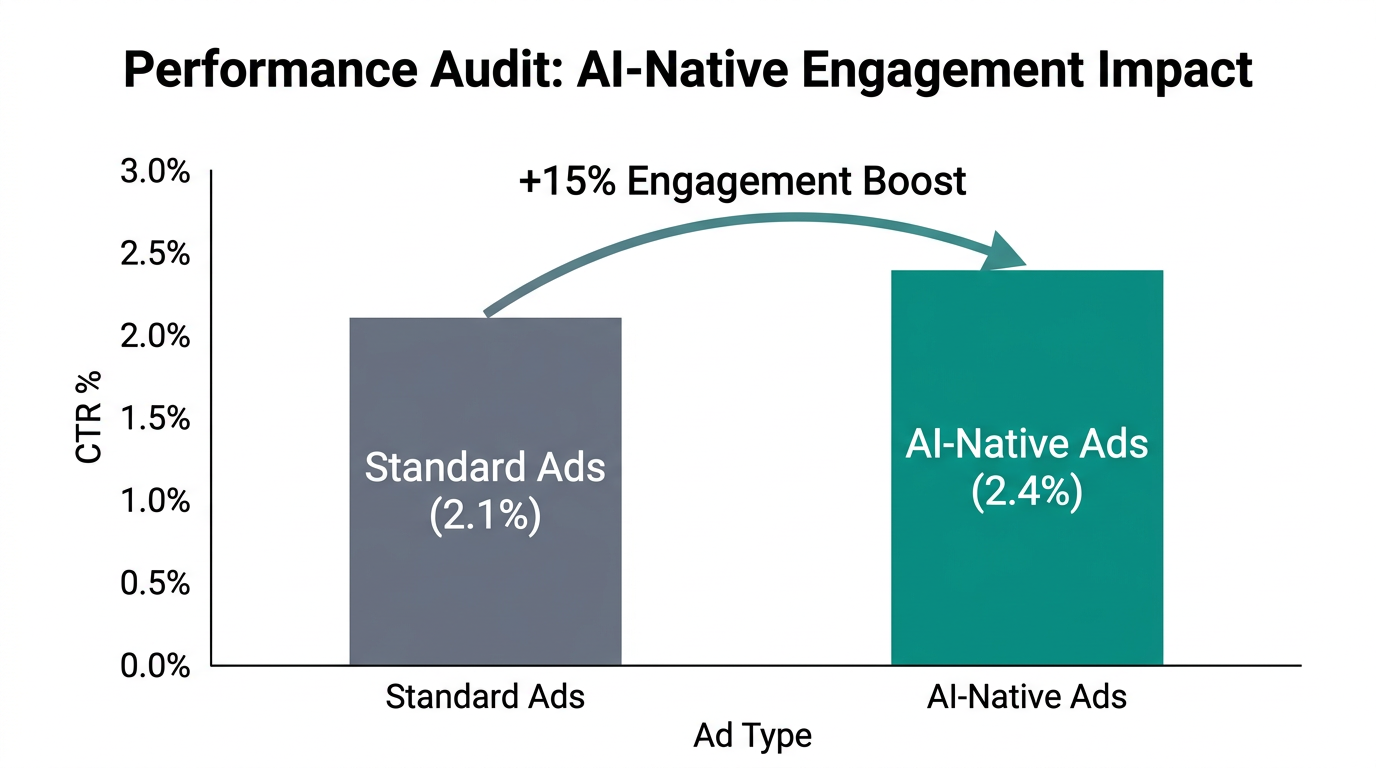
Generating the creative is only half the battle. The agent-audit.md skill pulls live data directly from the TikTok Ads Manager API. This allows the AI to calculate real-time ROAS (Return on Ad Spend) and execute "Kill or Scale" commands every 4 hours. Automated bidding and real-time auditing can reduce ad waste by up to 30% in the very first week of a campaign.
For brands operating globally, the tokportal-skill integrates with TokPortal to manage multiple regional accounts via real local devices, ensuring your content reaches the right audience without the risk of shadowbans.
Conclusion: The Future of Agentic Marketing
As Andrej Karpathy recently noted, the OpenClaw ecosystem represents an "incredible sci-fi takeoff-adjacent thing," where agents move from simply suggesting tasks to executing them autonomously. For brands in 2026, the competitive advantage lies in how effectively they can harness TikTok creative automation. By combining the search and discovery power of Stormy AI with the execution capabilities of OpenClaw, marketers can build a self-sustaining engine that produces, tests, and optimizes AI-native UGC at scale. To get started, you can explore the OpenClaw repository and begin installing the skills that will transform your TikTok performance this year.