How to Build a Custom OpenClaw AI CRM for Creators in 2026: A Step-by-Step Playbook
Learn how to build a custom OpenClaw AI CRM for creators in 2026. This step-by-step playbook covers agentic stacks, automated lead gen, and creator business tools.
In 2026, the creator economy has hit a pivot point. The era of spending $500 a month on a fragmented mess of SaaS subscriptions is ending, replaced by what industry insiders call the 'Agentic Stack.' High-growth creators are no longer just 'users' of software; they are architects of their own autonomous systems. Leading this charge is OpenClaw AI, an open-source framework that allows anyone to build a bespoke, local, and incredibly powerful creator CRM automation 2026 system. Whether you are managing multi-million dollar brand deals or scaling a micro-influencer agency, moving your operations to an agentic model isn't just a trend—it's a survival strategy for the modern digital business.
The Rise of the Agentic Stack in 2026
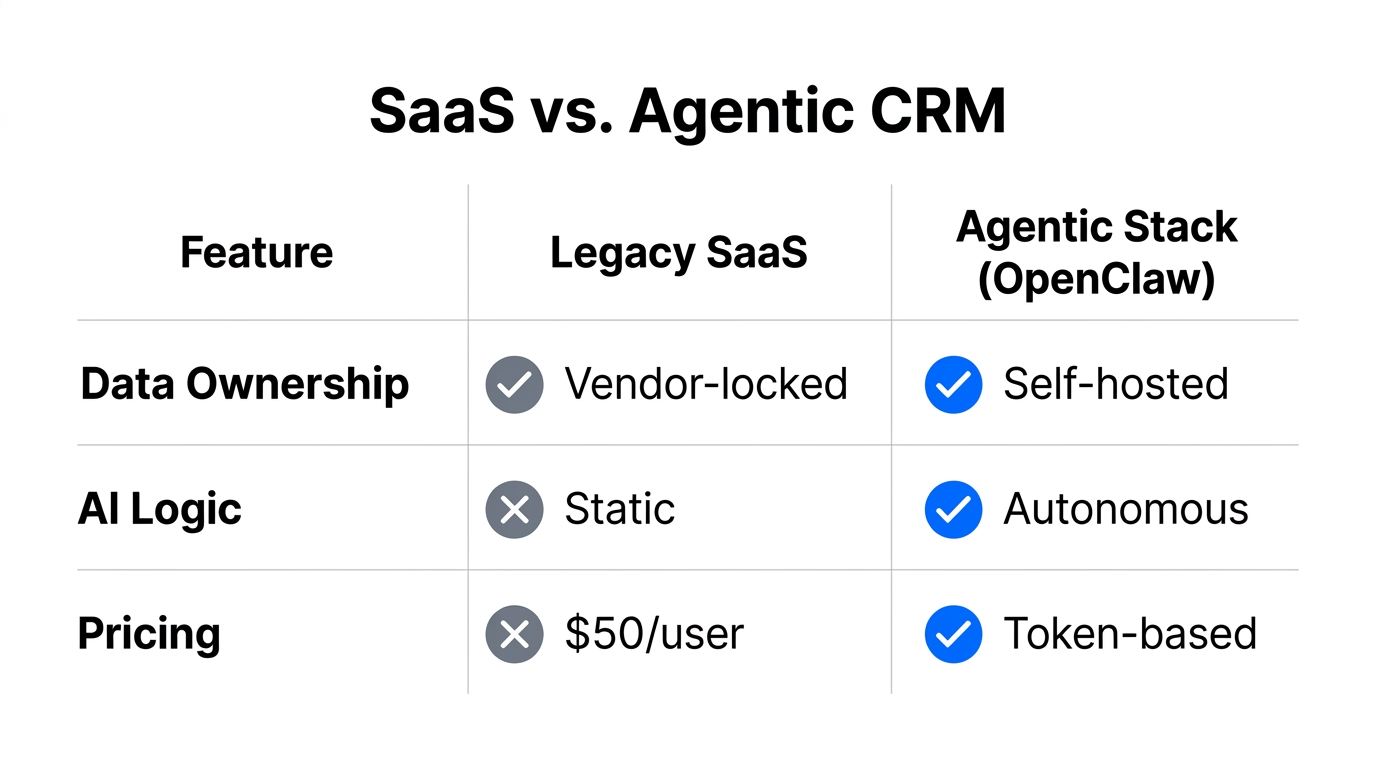
By the start of this year, the shift toward autonomous infrastructure became undeniable. Statistics from the Dogma Group suggest that 70% of CRM platforms have now fully integrated AI, contributing over $1.1 trillion to the global GDP. For the individual creator, the ROI is even more localized and immediate. According to research from Nucleus Research, businesses deploying AI-driven CRMs see an average return of $8.71 for every $1 spent. This isn't just about efficiency; it's about revenue impact.
Creators using these workflows are 24% more likely to hit their aggressive content-demand targets and report a 29% increase in total revenue impact, as noted in the latest CreatorIQ research. The "Agentic Stack" refers to a shift where the software doesn't wait for your command; it proactively hunts for leads, manages follow-ups, and organizes your data while you sleep.
"The rise of agentic networks like OpenClaw is the most incredible sci-fi takeoff-adjacent thing we've seen. Creators are finally owning their infrastructure and their data."
This sentiment, echoed by tech visionaries on the Lex Fridman Podcast, highlights why OpenClaw AI CRM is different. It is model-agnostic, meaning you can plug in Anthropic’s Claude for creative writing or DeepSeek for high-speed logic, all while keeping your data stored locally on your own hardware.
Why Traditional SaaS is Failing Creators
The problem with traditional CRMs like legacy enterprise databases for creators is that they were built for sales teams of 50, not a solo creator with a thousand tasks. They are expensive, cloud-dependent, and often require manual data entry that kills creativity. An agentic marketing stack removes these barriers by using "skills"—autonomous folders of instructions—that execute tasks across your local files and 20+ messaging channels like WhatsApp and Discord.
| Feature | Traditional SaaS CRM | OpenClaw AI CRM (2026) |
|---|---|---|
| Cost | High Monthly Subscriptions ($100-$500+) | Low API-only costs |
| Data Privacy | Stored on Third-Party Clouds | 100% Local Execution |
| Lead Discovery | Manual Entry or Expensive Add-ons | Autonomous Proactive Scouting |
| Memory | Limited to Form Fields | Persistent Cross-Session Memory |
As creators scale, the need for data sovereignty becomes paramount. Using tools like DenchClaw, a specialized fork of OpenClaw, creators can now run their entire sales pipeline using DuckDB and browser automation directly from a Mac or VPS, ensuring sensitive brand deals stay private.
Step 1: Setting Up Your 'Marketing Team' Folder Structure
The secret to a successful OpenClaw AI CRM is how you structure your "Skills." In OpenClaw, a Skill is simply a folder containing markdown files that tell the AI how to behave. Instead of a single generic assistant, you should build a specialized team.
To begin, create three core folders in your OpenClaw directory:
- ads-analyst: Give this agent access to your TikTok Ads Manager data. Its job is to summarize ROAS and suggest content pivots.
- lead-scout: This is your AI lead generation for creators engine. Instruct it to browse LinkedIn and X for brands in your niche (e.g., "skincare brands in the UK") and find the Head of Growth's contact info.
- creative-director: This agent scans your current high-performing posts and suggests 10 new hooks for your next YouTube or Reels campaign using tools like CapCut or Descript.
By following this structure, which is a staple of Julian Goldie’s AI Success Lab, you transform a simple chatbot into a high-functioning business unit. You can simply message OpenClaw on Telegram: "Hey lead-scout, find me 5 sustainable fashion brands that haven't worked with me yet," and the system will begin the process.
Step 2: Implementing the 'Inbound Orchestrator' Workflow
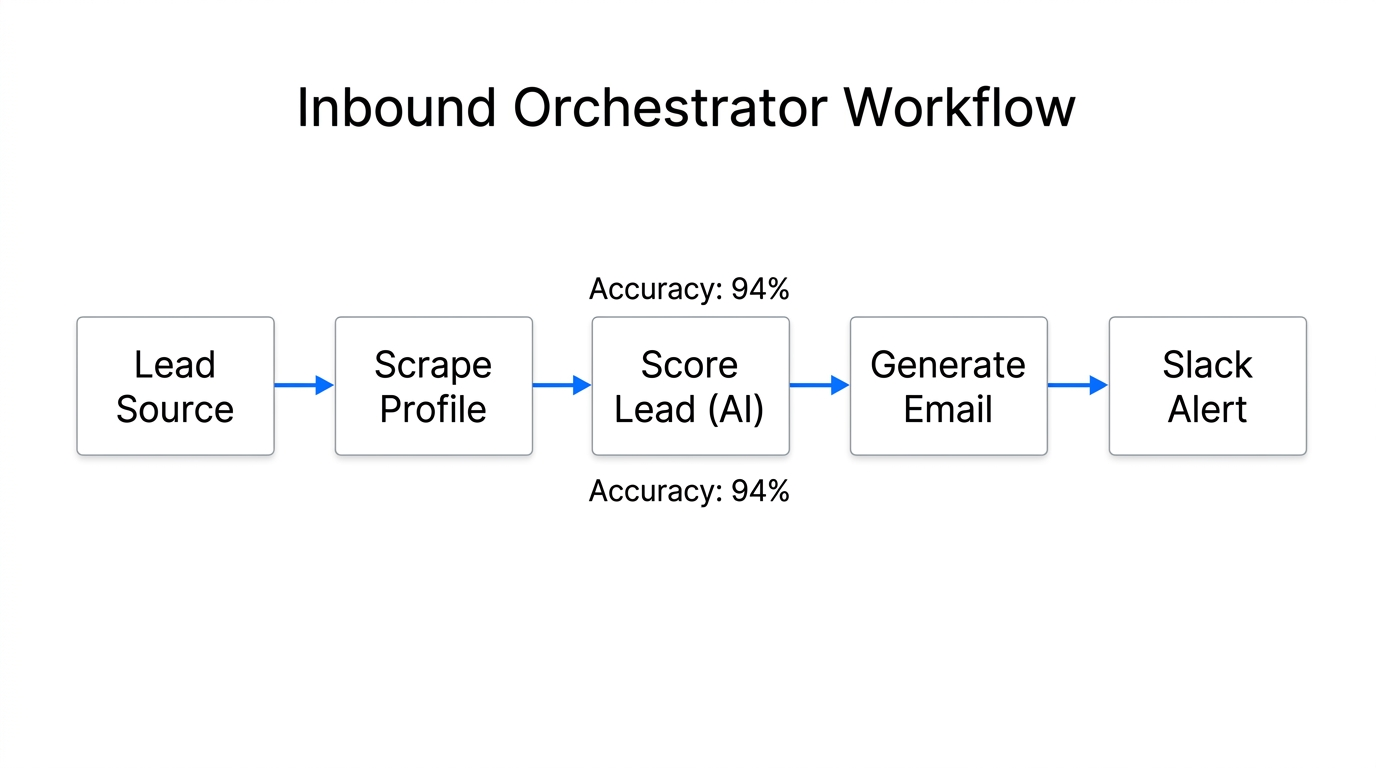
One of the most powerful creator economy business tools is the "Inbound Orchestrator." This is a workflow where OpenClaw acts as your gatekeeper, vetting every incoming brand inquiry before it ever touches your eyes. This is particularly useful for creators who receive dozens of low-quality or scam emails daily.
To set this up, you need to connect your agent to Gmail and a database like Supabase. The workflow looks like this:
- Monitor: OpenClaw scans your inbox every 10 minutes for keywords like "Collab," "Sponsorship," or "Partnership."
- Qualify: The agent cross-references the brand name against your "Target Brand" list in Notion or Supabase. It uses a predefined SOP to check the brand's social presence and estimated budget.
- Notify: If the lead is high-quality, OpenClaw pings you via Signal or WhatsApp with a 3-sentence summary of the brand, their history, and a drafted reply.
- Store: The lead's data is automatically logged into your OpenClaw AI CRM, ensuring a permanent record of the interaction.
For deployment, many creators use a 1-click deploy on DigitalOcean to keep their orchestrator running 24/7 without needing their laptop to stay open.
"The Inbound Orchestrator saved me 12 hours a week and caught a $50k deal I would have otherwise missed in my spam folder."
Step 3: Integrating with Professional CRM Infrastructure via Private App Tokens
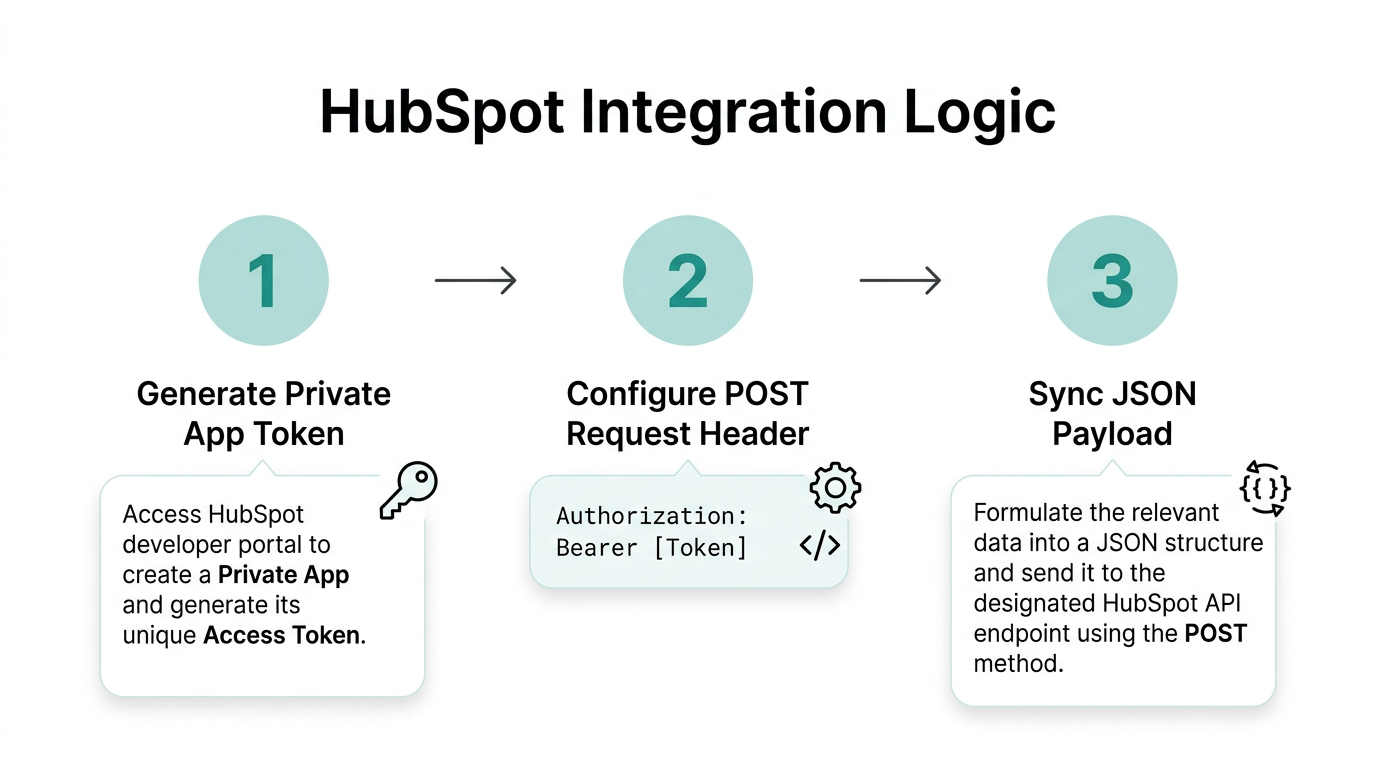
If you aren't ready to go 100% open-source and still value the reporting features of an established platform, the "Hybrid Stack" is your best bet. This involves using OpenClaw as the intelligent layer on top of a professional-grade solution like Stormy AI’s Creator CRM.
By leveraging the API capabilities in Stormy AI, you can give OpenClaw permission to read and write deals. When an agent discovers a lead or finishes a negotiation, it can automatically move the deal stage in your dashboard. This allows you to use a visual interface while letting the AI do the heavy lifting of data entry and outreach. This combination is arguably the most robust agentic marketing stack available in 2026.
While OpenClaw manages the deep logistics of your brand relationships, starting with a high-quality creator or brand list is essential. Platforms like Stormy AI can streamline the initial discovery process, allowing you to export high-intent lists that your OpenClaw agents then vet and manage. Combining the discovery power of Stormy AI with the execution power of OpenClaw creates an unbeatable workflow.
Scaling with 'Human-in-the-Loop' Safety
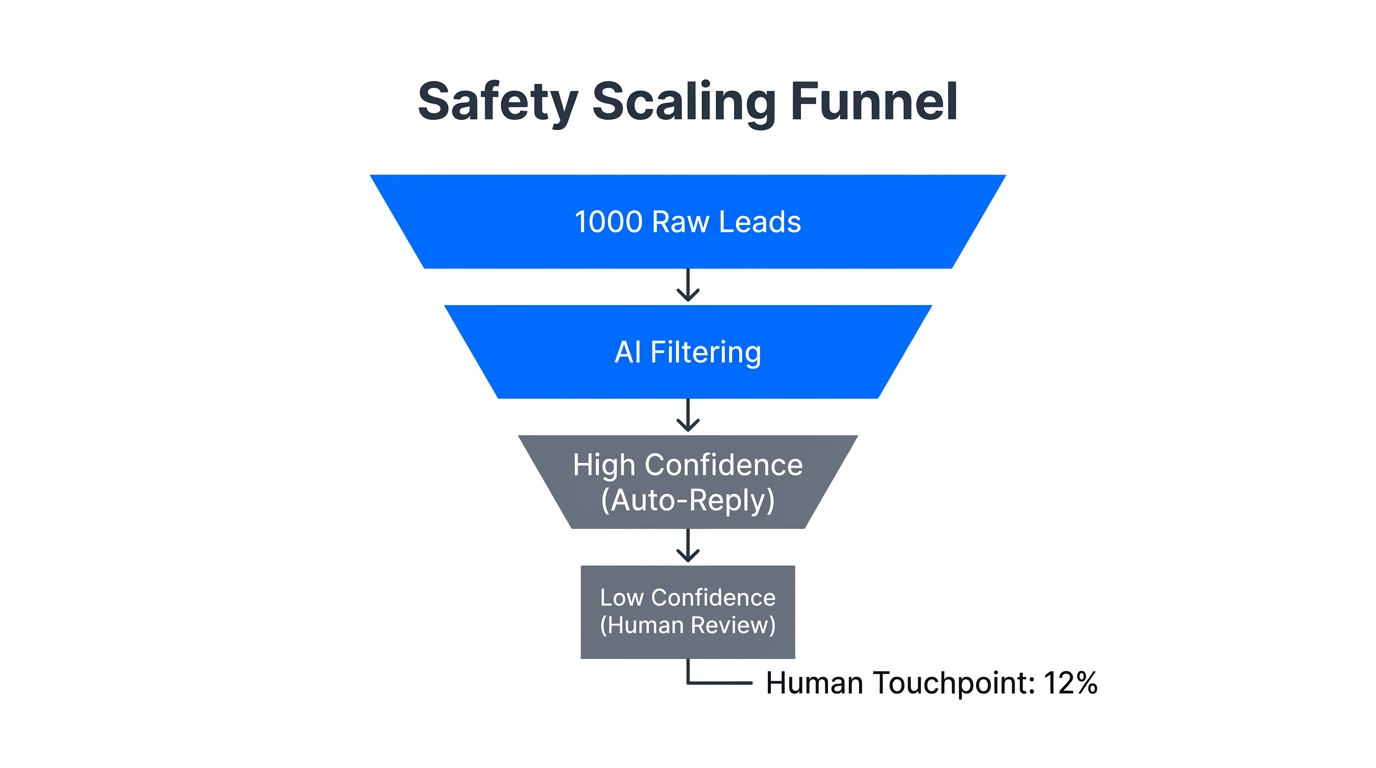
As powerful as creator CRM automation 2026 is, it comes with risks. OpenClaw has "system-level" access, meaning it can run shell commands on your computer. If you download unvetted community "skills," they could act as a Trojan horse, potentially leaking your private API keys or brand contracts, a warning often highlighted in Cisco Security Blogs.
To scale safely, follow these three rules:
- Cost Management: Use expensive models like GPT-4o only for complex reasoning. For routine tasks like sorting an inbox or data entry, use DeepSeek-V3 or Claude Haiku to keep your API costs under $30/month.
- Sandboxing: Run OpenClaw in a Docker container or a dedicated VPS to prevent it from accessing sensitive personal files on your main machine.
- Human-in-the-Loop: Require a manual approval (a simple 'yes' in WhatsApp) before the agent initiates any outbound communication or financial transaction.
Conclusion: Owning Your Infrastructure
Building a custom OpenClaw AI CRM is more than just a technical project; it’s a commitment to business independence. By moving away from closed-loop SaaS and into the agentic stack, you ensure that your lead generation, brand management, and relationship data remain your own property.
Whether you are using Astro to build your creator landing page or Supabase to store your data, the tools of 2026 are designed for integration and autonomy. Start small: set up one folder, one agent, and one automation. Once you see the power of a machine that works while you create, you'll never go back to manual CRM management again.