While the marketing world was distracted by the latest AI image generators, OpenAI quietly released a transformative update that could redefine how we handle operational workflows. By adopting the AgentSkills.io open standard, OpenAI Codex and ChatGPT have introduced a structured way to package expertise into reusable modules. For marketers, this isn't just a technical tweak; it is the foundation for AI agent workflow automation that can handle everything from reporting to developer-level ticket management without constant manual prompting according to recent McKinsey research on generative AI productivity.
Understanding the AgentSkills.io Standard
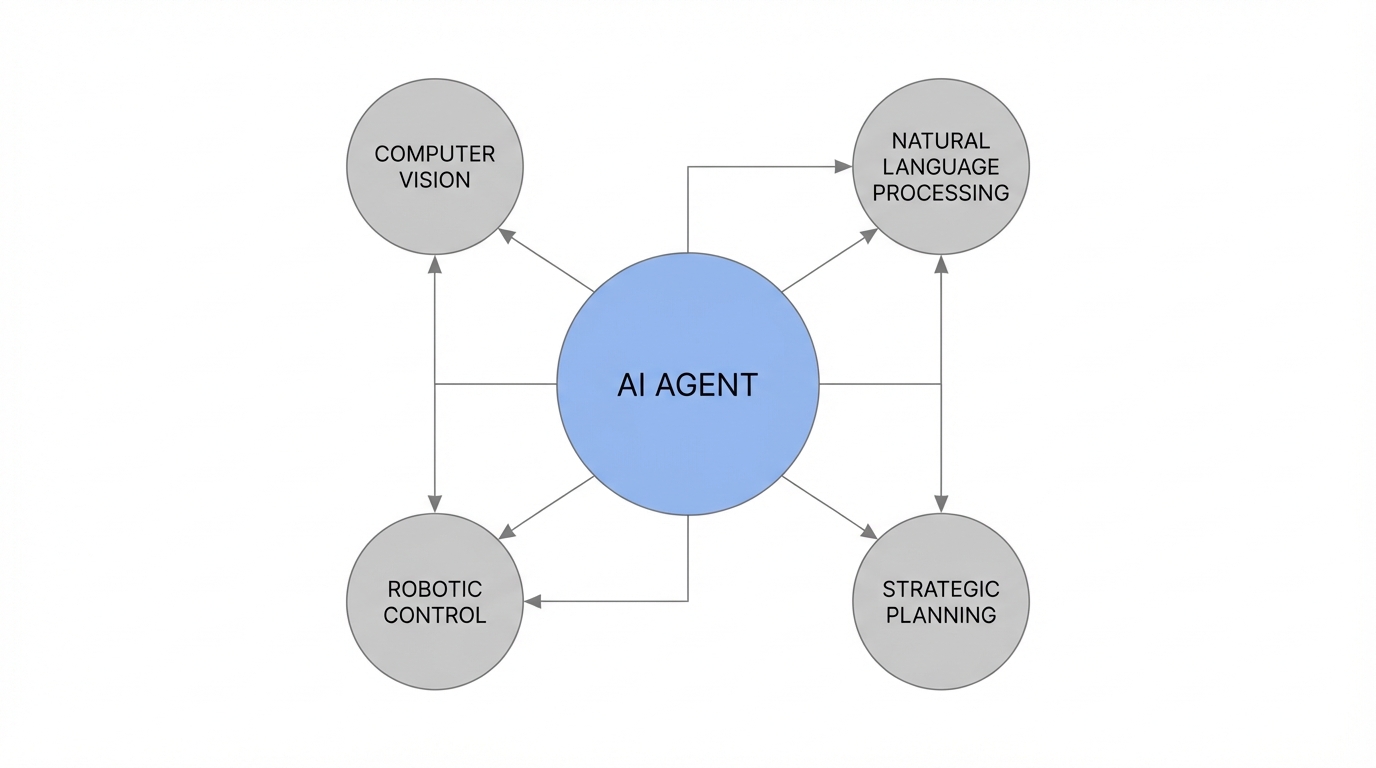
The AgentSkills.io standard is an open format designed to give AI agents specific capabilities and domain expertise. Think of it as a "plugin" for an LLM's logic rather than just its data. Originally championed by Anthropic, this format has now been embraced by OpenAI, creating a rare moment of industry alignment that benefits the end-user.
At its core, a Skill is a folder containing a skill.md file for instructions and additional metadata or scripts. This modular approach allows marketers to build a library of high-level "expertise" that can be called upon instantly. Whether you are conducting a legal review of ad copy or processing complex data pipelines, these skills ensure that the AI follows a consistent, repeatable workflow every single time. By leveraging the OpenAI Agent Skills framework, teams can move away from the "blank box" problem of ChatGPT and toward a structured, reliable operations engine.
The Big Three: Skills, Sub-agents, and Model Context Protocol (MCP)
To master AI agent workflow automation, you must understand the three pillars of the modern AI stack. Many marketers confuse these terms, but they serve very different functions in your automation engine:
- Agent Skills: These are your written guides. A skill tells ChatGPT exactly how to perform a task—like analyzing a spreadsheet in a specific brand voice or designing a UI component according to a design system.
- Sub-agents: This involves spawning parallel processing copies of an LLM. For instance, if you are launching a campaign, one sub-agent might review the copy while another generates the tracking links. This keeps large tasks organized.
- Model Context Protocol (MCP): Think of this as the "universal power plug." While a skill provides the instructions, the Model Context Protocol allows the AI to actually access your tools, such as updating a ticket in Linear or checking a repository on GitHub.
Playbook: How to Create Your First Marketing Skill
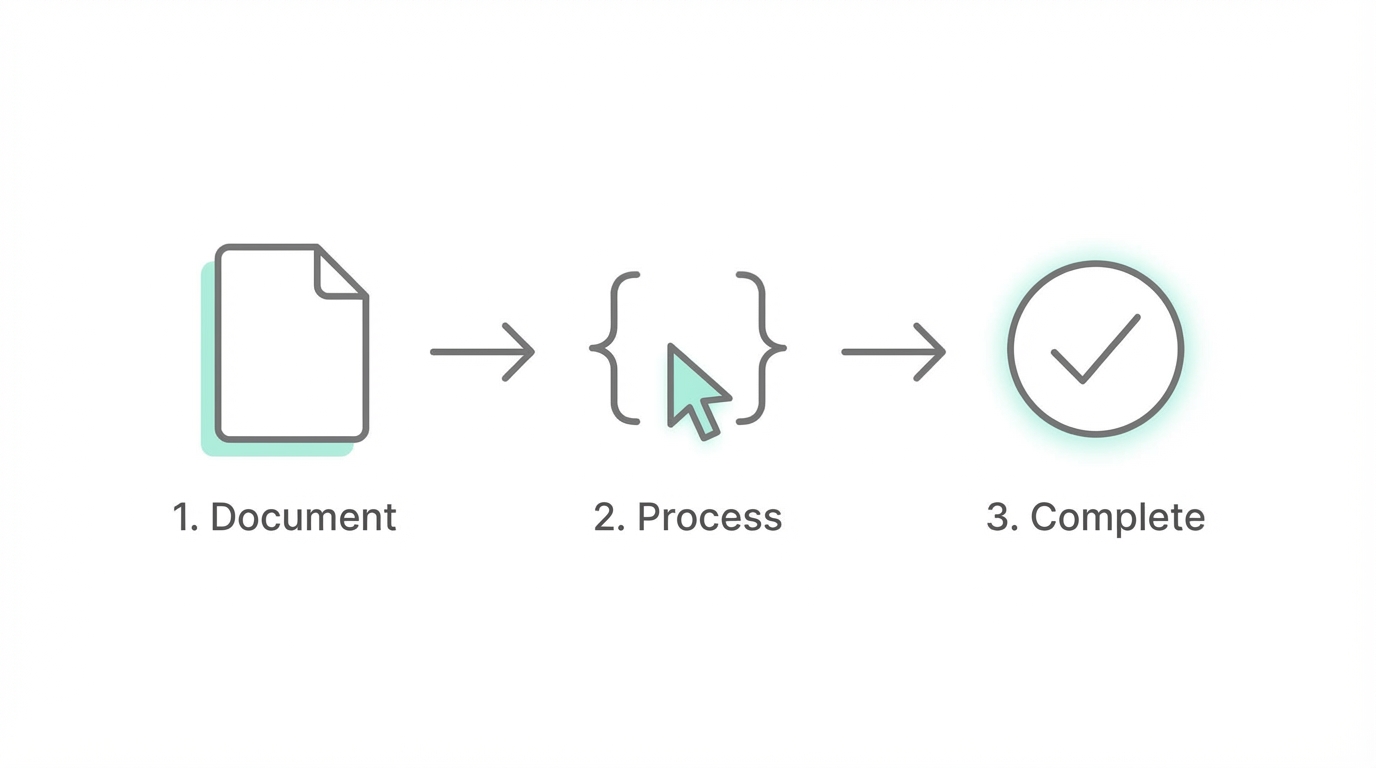
Building a custom skill doesn't require a computer science degree. If you can write a clear Standard Operating Procedure (SOP), you can build an OpenAI Agent Skill. Follow this step-by-step ChatGPT skills tutorial to get started.
Step 1: Define the Domain Expertise
Start by identifying a repetitive marketing task that requires a specific "eye" or logical framework. For example, vetting influencers for brand safety or generating weekly performance reports from raw CSV data. Document the exact logic you want the AI to follow.
Step 2: Structure the .md Skill File
Create a folder named after your skill (e.g., influencer-vetting-skill). Inside, create a skill.md file. Use Markdown headers to define the objectives, the constraints (e.g., "never recommend creators with less than 3% engagement"), and the required output format. This file serves as the definitive source of truth for the agent.
Step 3: Add Metadata and Resources
If your skill requires external data—like a list of banned keywords or a template for a Notion spec—include these in the folder. The AgentSkills.io standard allows the agent to discover and use these resources to complete the task more accurately.
Practical Use Cases: From Linear to GitHub
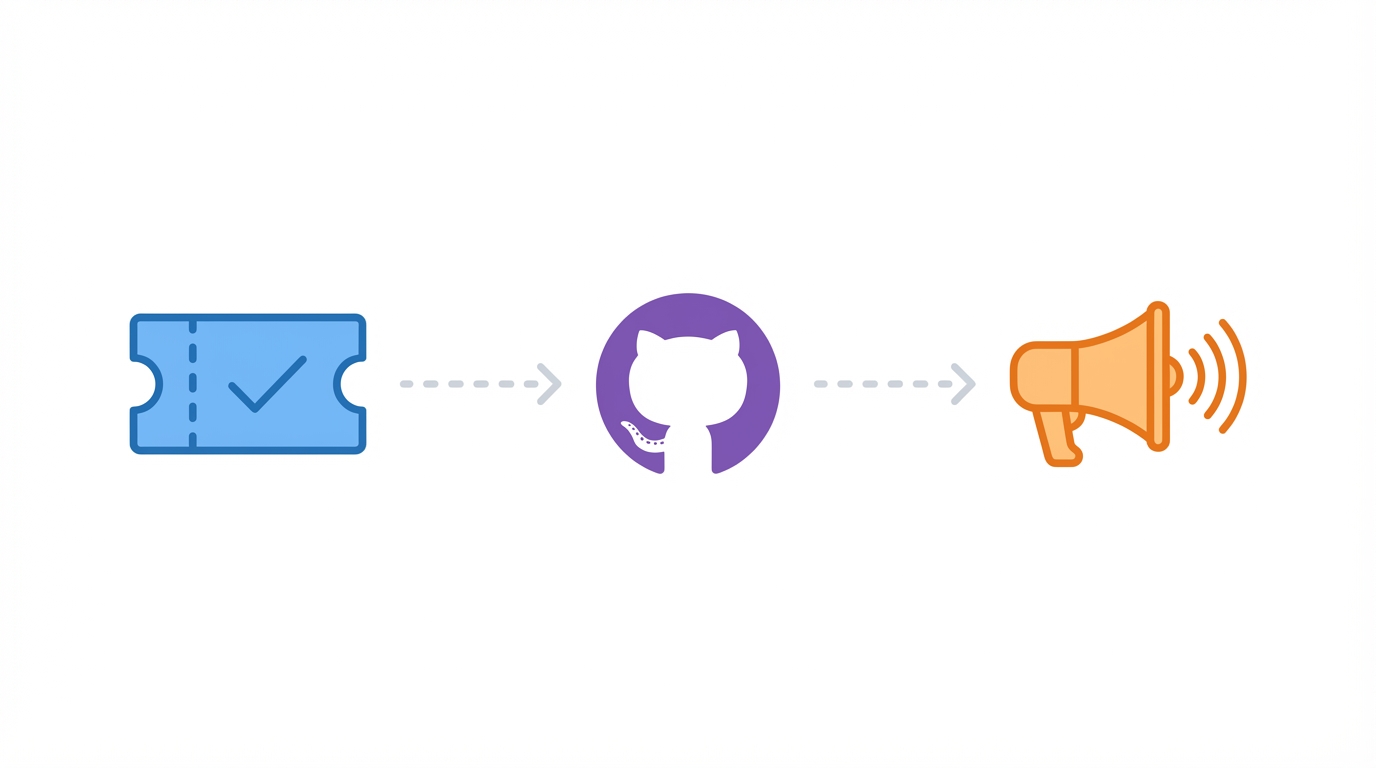
Where does this actually save you time? For marketing tech teams, the most powerful applications are in technical project management and post-campaign analysis. When you are managing high-growth apps, manual coordination is the first thing to break. OpenAI Agent Skills can act as a bridge between the marketing team's needs and the developer's execution.
For example, you can create a skill that has Codex automatically read and update your Linear tickets based on campaign feedback. If a user reports a bug in a landing page, the agent can categorize the ticket, assign a priority, and even suggest a fix. Similarly, for teams managing their own web properties, a skill can be designed to automatically fix GitHub CI failures caused by simple documentation or formatting errors, allowing your marketing ops team to ship faster without waiting for a developer's intervention.
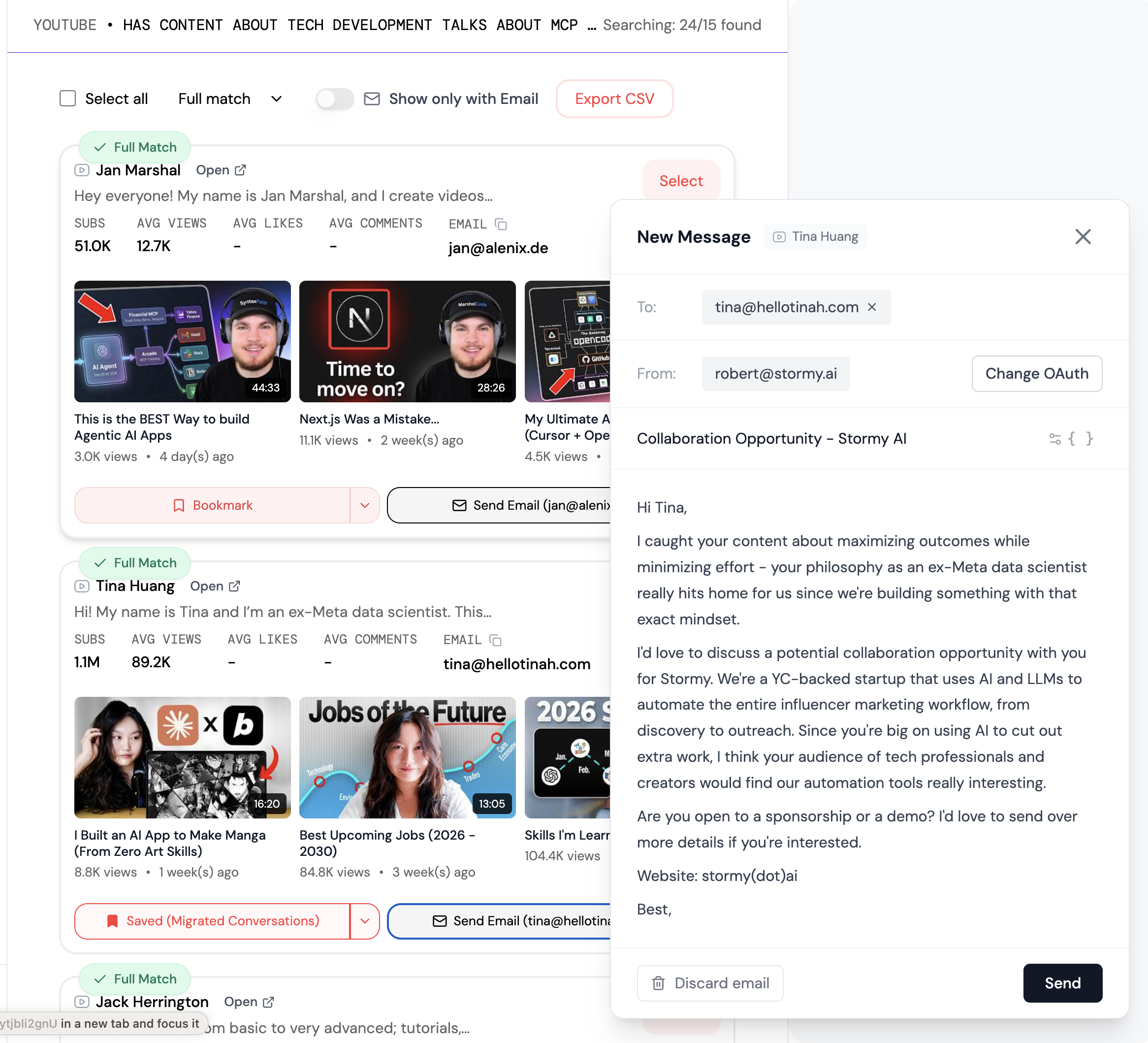
When your workflow involves sourcing and managing creators for these campaigns, tools like Stormy AI can help source and manage UGC creators at scale, providing the raw talent that your automated skills can then vet and organize within a centralized CRM.

How to Call Skills Using Dollar Sign Notation

The beauty of the OpenAI Agent Skills implementation is how easily you can trigger them. In Codex, you can now call a skill directly using the dollar sign notation. For example, typing $.analyze_traffic could trigger a specific skill you built to parse Google Analytics data according to your custom attribution model.
If you don't want to specify a skill, the LLM is smart enough to automatically choose the right one based on your natural language prompt. This means you can simply ask, "Check our current tasks," and the model will realize it should use your linear-sync skill to pull the latest updates. This level of interoperability is what makes the AgentSkills.io standard a game-changer for AI agent workflow automation.
The Future of AI-First Marketing Operations
As we move toward 2026, the distinction between "marketing" and "technical operations" is blurring. By adopting OpenAI Agent Skills, marketing teams can build their own custom toolsets that go far beyond simple prompt engineering. You are no longer just asking an AI for ideas; you are building a specialized workforce that understands your unique legal requirements, brand voice, and technical stack.
Start small by documenting one repeatable workflow—perhaps your weekly newsletter report or your influencer vetting process—and convert it into a .md skill file. As you build your library of skills, you'll find that your capacity to scale campaigns increases exponentially while your manual workload drops. For those managing complex creator relationships, integrating these skills with a platform like Stormy AI for discovery and outreach creates a seamless, AI-powered growth engine that works while you sleep.