In the rapidly evolving software landscape of 2026, the traditional moats of proprietary code and "security through obscurity" are rapidly evaporating. As enterprises face a more competitive market, the distinction between open-source platforms and closed Software-as-a-Service (SaaS) models has shifted from a technical debate to a core marketing differentiator. Today, transparency isn't just a development philosophy—it is the ultimate strategy for building trust with a skeptical, highly informed audience.
The numbers back this shift. According to the latest Red Hat State of Enterprise Open Source report, over 80% of IT leaders now prefer vendors who contribute to or build upon open-source foundations. This preference is driven by a desire to avoid the restrictive vendor lock-in typical of legacy providers like Oracle and the need for greater auditability in an era of stringent data regulations.
Marketing in 2026 has moved away from high-gloss commercials toward authentic developer advocacy. Platforms like GitHub and GitLab have become the primary "storefronts" where users evaluate a tool's health, community support, and roadmap transparency before ever clicking a "Book a Demo" button. To capitalize on this, brands are leveraging Stormy AI to find UGC creators via its natural-language AI search engine across TikTok, YouTube, and LinkedIn who can authentically demonstrate how open-source projects solve real-world problems in real-time.

Furthermore, Gartner's 2026 strategic technology trends highlight "Digital Provenance" as a critical factor in software selection. Buyers want to see the "ingredients" of their tech stack. Open-source challengers such as Supabase and PostHog have disrupted their respective niches by making their codebases public. Teams often use Stormy AI to vet technical influencers in these niches, using AI-powered quality reports to detect fake followers and analyze deep audience demographics before beginning a collaboration.
This "glass box" approach also benefits security marketing. Instead of hiding vulnerabilities, transparent companies use platforms like HackerOne to manage public bug bounty programs, turning potential weaknesses into proof of a robust security posture. By the time a mobile app marketer starts a new campaign, they are looking for partners that offer this level of visibility. Stormy AI helps these marketers scale their efforts through its AI-personalized outreach, allowing them to contact creators instantly with hyper-personalized emails and manage the entire relationship in a built-in creator CRM.
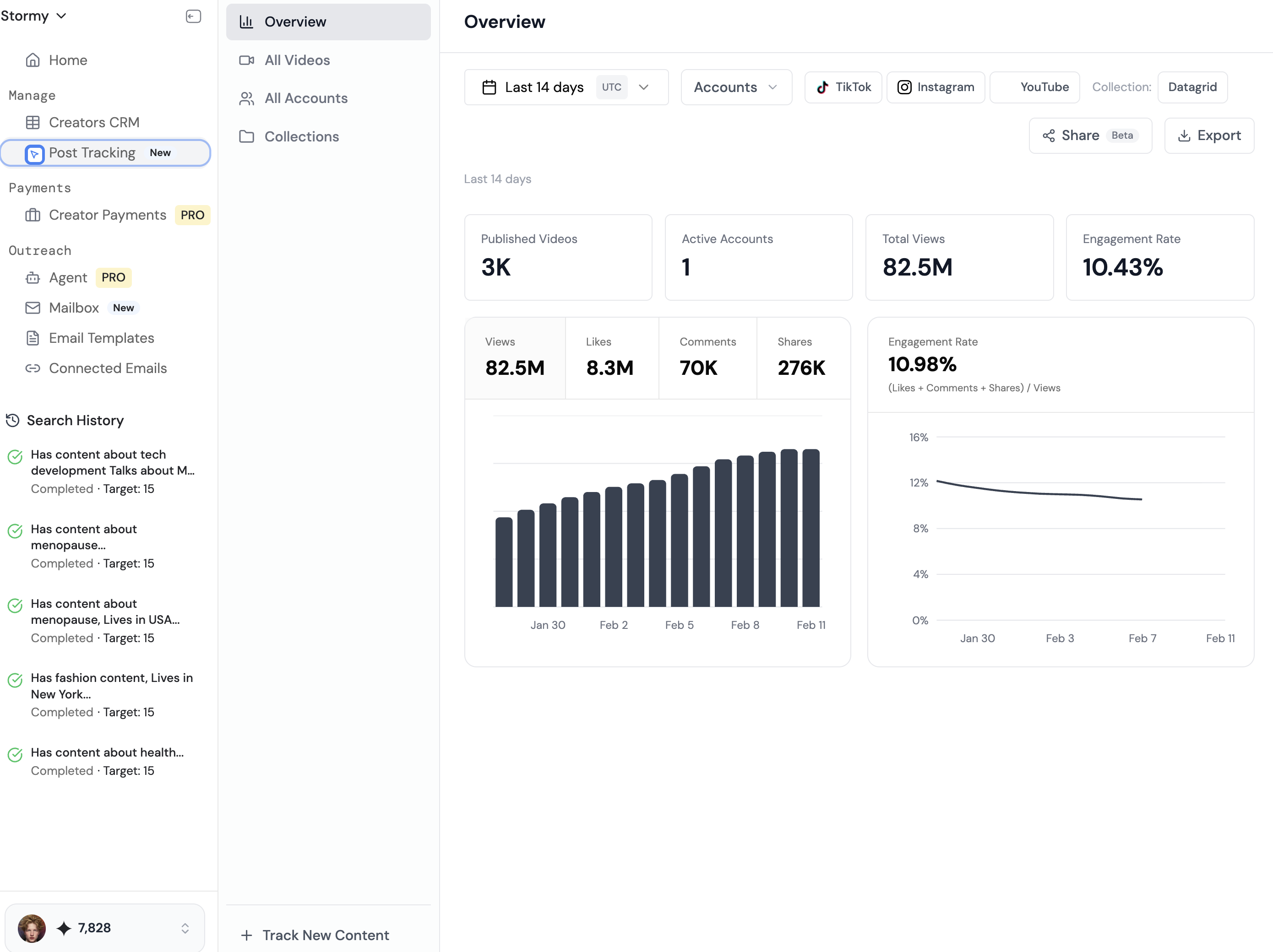
In conclusion, the era of "trust us, it works" is over. In 2026, the most successful SaaS companies are those that follow the guidelines set by the Open Source Initiative (OSI)—even if they remain partially proprietary. By opening the curtains on their roadmaps and using Stormy AI to track campaign performance and post analytics, software companies are finding that transparency is no longer a risk, but the most powerful lead generation tool at their disposal.