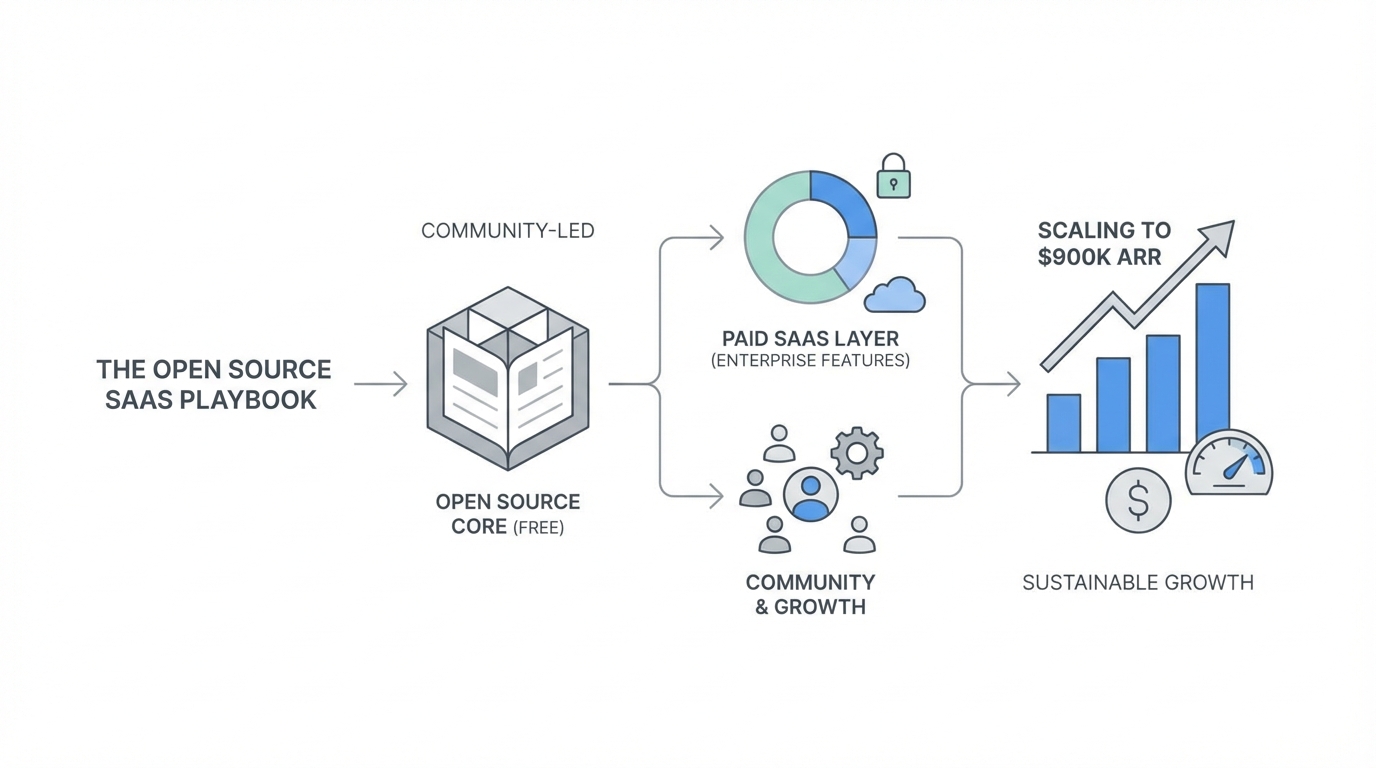
In the landscape of modern software development, a quiet revolution is taking place. While traditional proprietary SaaS companies spend millions on sales teams and black-box marketing, a new breed of founders is winning by doing the opposite: giving their code away for free. This is the Open Source SaaS model, and it is proving to be one of the most resilient and scalable ways to build a software business in the 2020s. A prime example is Papermark, an open-source alternative to DocSend that scaled to $75,000 Monthly Recurring Revenue (MRR)—nearly $900K ARR—in just 18 months. By leveraging an open core model, founders Marc and Julia turned a weekend project into a million-dollar contender by prioritizing transparency over secrecy.
Understanding the Open Core Model vs. Traditional SaaS
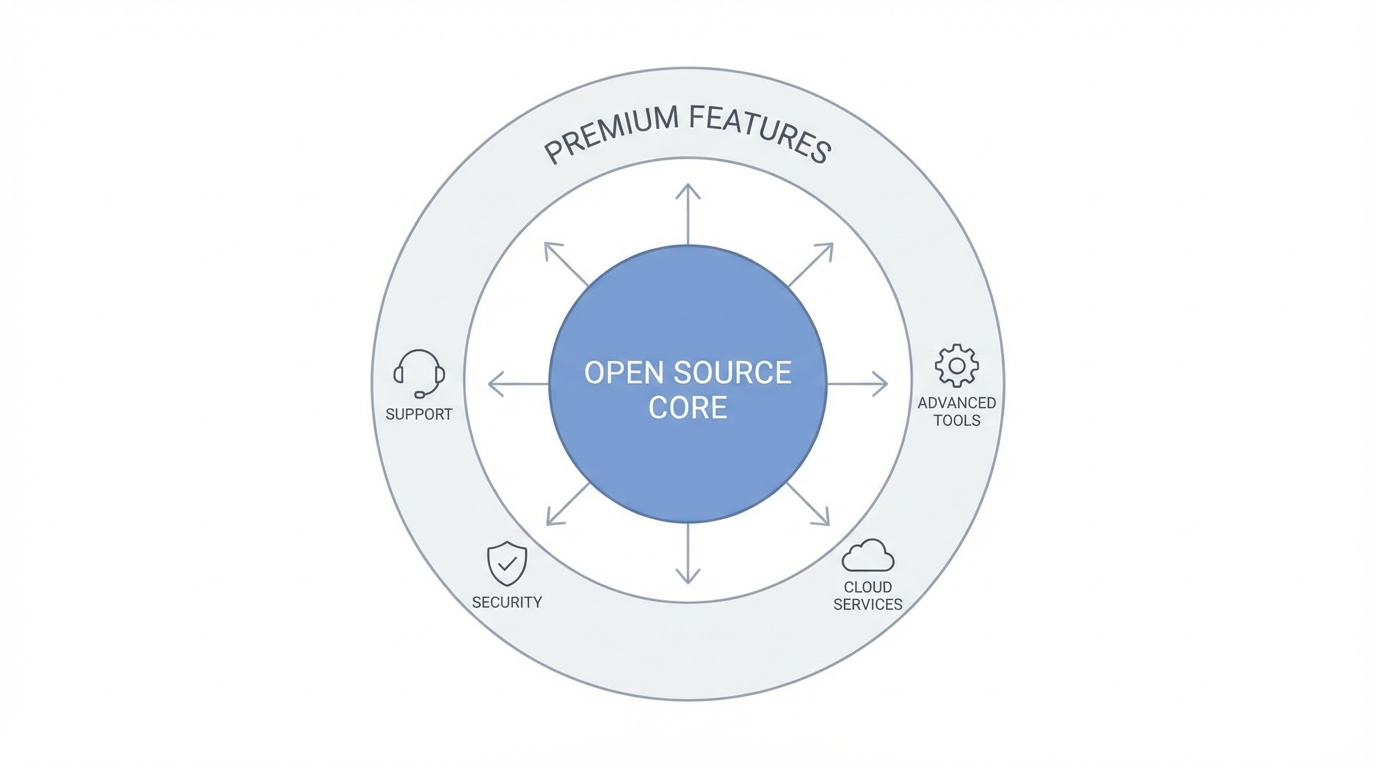

To understand why this strategy works, we must first define the open core model. Unlike proprietary software where the source code is a trade secret, open core companies release a "core" version of their product under an open-source license. This means anyone can view, modify, and even self-host the software for free. The monetization comes from a premium layer of features—often focused on enterprise needs like SSO, advanced analytics, or managed hosting—that sits on top of that core.
This differs from traditional SaaS licensing because it removes the initial barrier to entry. According to insights from Starter Story, this model creates a natural marketing funnel. Users discover the tool on platforms like GitHub, install it locally to test its capabilities, and eventually convert into paying customers when they realize the value of a managed service. For developers, open source vs proprietary software is a matter of control; they prefer to own the infrastructure they build upon, making open source a magnet for high-intent technical users.
Why Open Source is a Defensive Business Strategy
In a saturated market where incumbents like DocSend have dominated for a decade, entering as just another proprietary competitor is difficult. However, positioning yourself as an open-source alternative is a saas growth strategy that works as a defensive moat. When you open-source your code, you effectively commoditize the core functionality of your competitors. If a proprietary tool charges $50/month for a feature that you provide for free in your open-source core, the incumbent is forced to either lower their prices or watch their market share erode.
This strategy also allows founders to target niche markets that incumbents ignore. For example, instead of a general CRM, a founder might build a specialized CRM for veterinarians using an open core approach. To find these lucrative niches and the creators who lead them, savvy teams use Stormy's AI search for discovery across TikTok, YouTube, Instagram, LinkedIn, TikTok Shop, and newsletters to identify trending topics and underserved communities. By analyzing what users are complaining about in legacy software, you can build a streamlined, open-source version that solves those specific pain points without the "enterprise bloat" of traditional software.
The Monetization Playbook: From Self-Hosting to Cloud
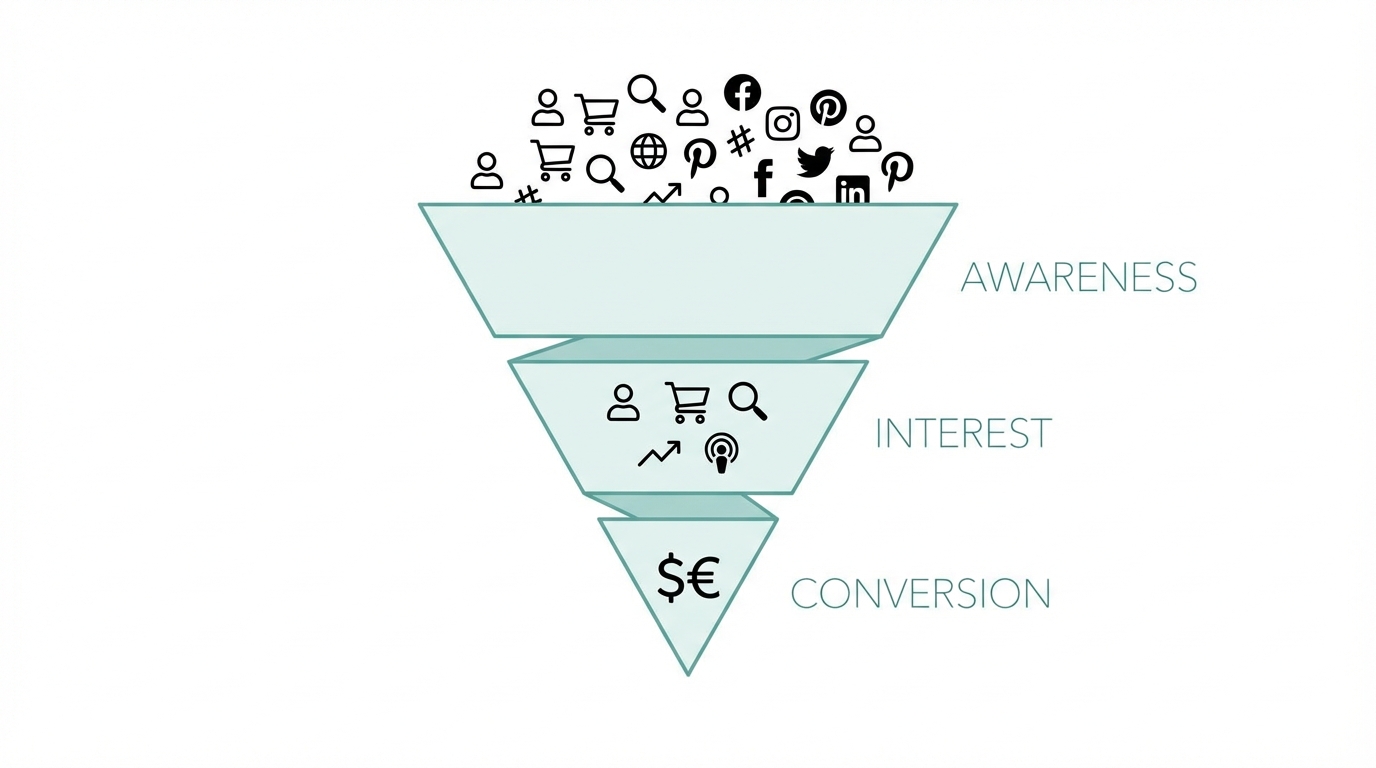
How does a company like Papermark reach $900K ARR while giving away their code? The open source saas business model usually relies on three distinct revenue streams:
- Managed Cloud Hosting: This is the most common path. While tech-savvy users can self-host, many businesses would rather pay for convenience. They pay for Vercel-hosted instances where the founders handle the server maintenance, security patches, and uptime.
- Enterprise Licensing: Features such as SAML, advanced audit logs, and custom branding are often kept behind a proprietary license. Even if a company self-hosts, they pay for the enterprise version to access these tools.
- Support and Service: Larger organizations often require Service Level Agreements (SLAs) and dedicated support, which can be monetized as a premium tier.
By using a robust tech stack—including PlanetScale for databases and Stripe for billing—founders can automate the transition from a free user to a paying subscriber. The key is to ensure that the free version is genuinely useful while the paid version is essential for scale. To manage these complex user journeys, many founders turn to Stormy AI for creator CRM and post tracking to ensure their brand message is consistent across all user touchpoints.
Building Trust Through Auditability
One of the biggest hurdles for any new SaaS is security clearance. When selling to banks, healthcare providers, or legal firms, the "trust barrier" is immense. Proprietary software is a "black box"; the customer has to trust that your code is secure. In the open core model, the code is the documentation. Security teams can audit the source code directly on GitHub before they ever sign a contract.
This transparency accelerates the sales cycle. Instead of months of back-and-forth security questionnaires, prospects can run their own vulnerability scans. To further boost this trust, many startups integrate with platforms like Vanta to automate compliance and prove they are meeting industry standards. For marketing teams promoting these high-trust tools, Stormy AI's vetting and analysis tools can help identify technical thought leaders and security experts who can vet the project, providing social proof that traditional ads simply can't buy.
The Community R&D Advantage
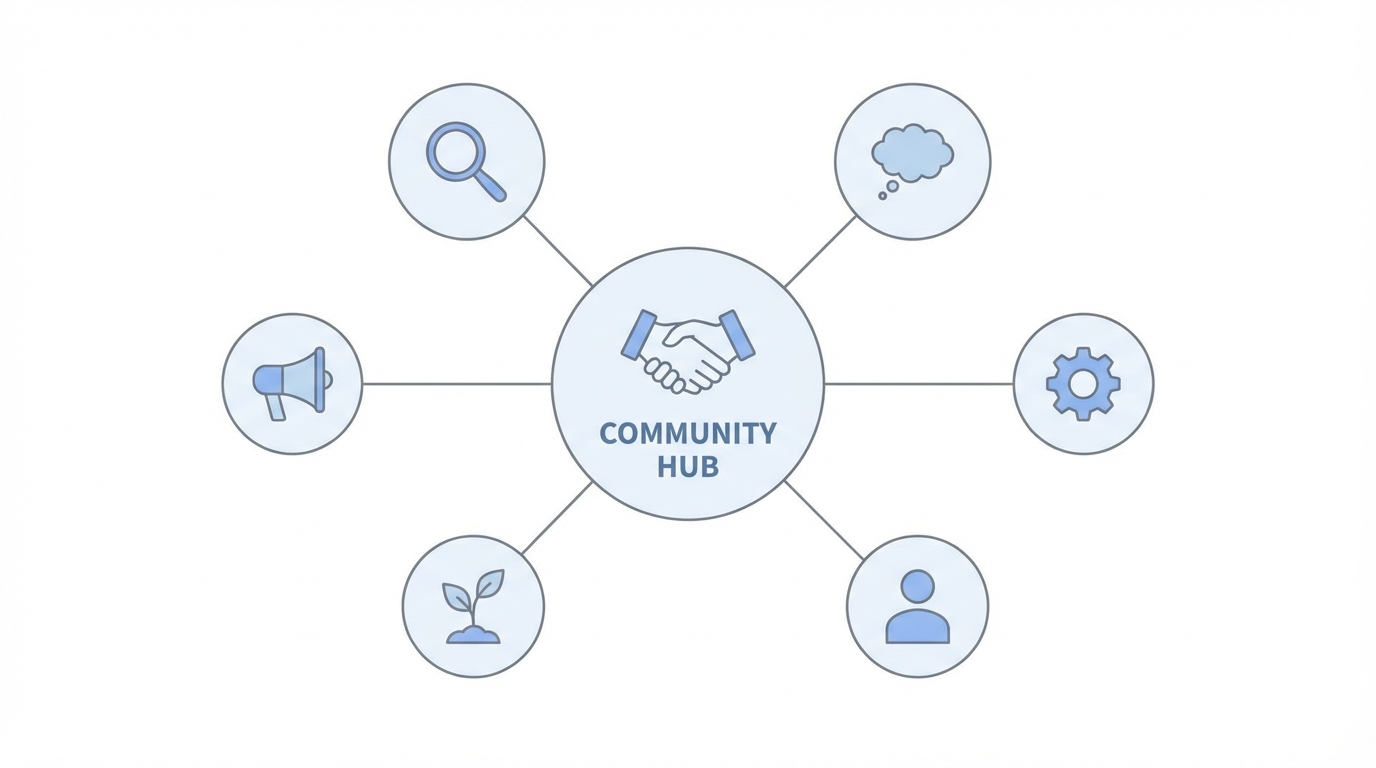
Perhaps the most powerful aspect of the open-source model is the velocity of development. Traditional companies are limited by their payroll. An open-source project, however, can have hundreds of unpaid contributors. For instance, Papermark has grown to over 60 contributors who help fix bugs and add features. This "Community R&D" allows small teams to maintain a shipping velocity that larger incumbents can't match.
Events like Hacktoberfest provide a massive boost in awareness and contribution. This surge in activity creates a flywheel: more contributors lead to a better product, which leads to more users, which leads to more customers. To manage the influx of interest from potential partners or high-value contributors, founders can use Stormy's AI outreach to send hyper-personalized emails with auto follow-ups to developers who have starred their repository, inviting them to collaborate or join their private beta.
Growth Strategies: Building in Public
For an open-source SaaS, distribution is the product. Marc and Julia’s journey started with a single tweet that garnered 40,000 views. By building in public, they turned their development process into their marketing. Every commit, every new feature, and even their failures were shared openly on platforms like Indie Hackers. This builds an emotional connection with the user base that proprietary companies struggle to replicate.
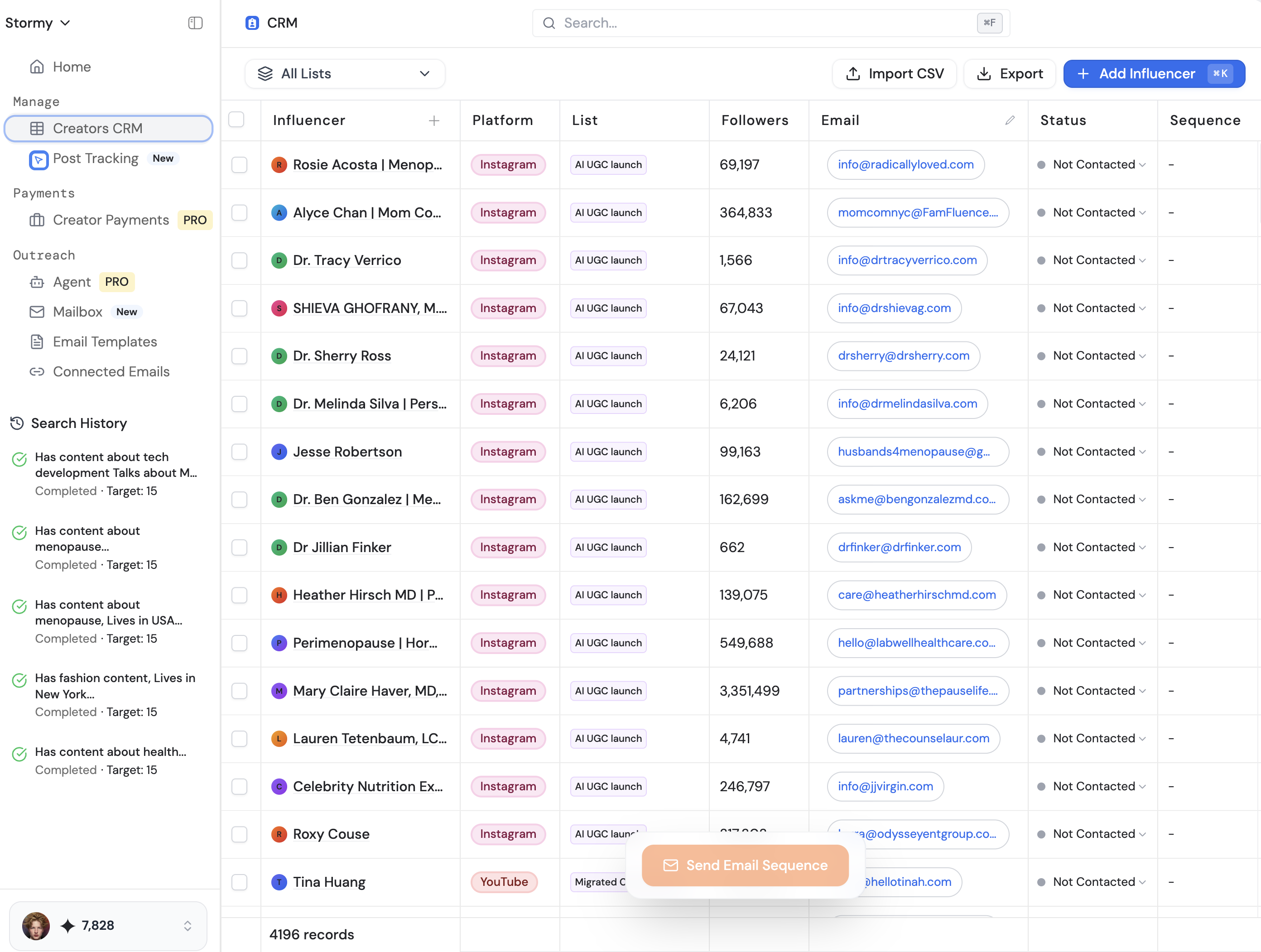
To scale this growth, startups must move beyond organic social media. Strategic outreach to developer influencers and industry newsletters is essential. Using Stormy's creator CRM, founders can track their relationships with hundreds of influencers, managing negotiations and collaborations in one central hub. This ensures that when a new version of the software is released, it is amplified by a network of trusted voices across the web. Modern tools like Resend for transactional emails and Cursor for AI-assisted coding further lower the operational overhead, allowing founders to focus purely on growth.
The Future of Open Core SaaS
Scaling an open source saas business model to $900K ARR is no longer a fringe achievement; it is a blueprint for the future of software. By combining the accessibility of open-source with the reliability of premium cloud services, founders can outpace incumbents and build high-trust brands. The open core model provides a unique blend of community-driven innovation and enterprise-grade security that proprietary software simply cannot match. For those ready to build, the path is clear: reach feature parity with the leaders, outship them using your community, and turn your code into your greatest marketing asset. As the success of Papermark shows, transparency isn't just a philosophy—it's a million-dollar growth strategy.