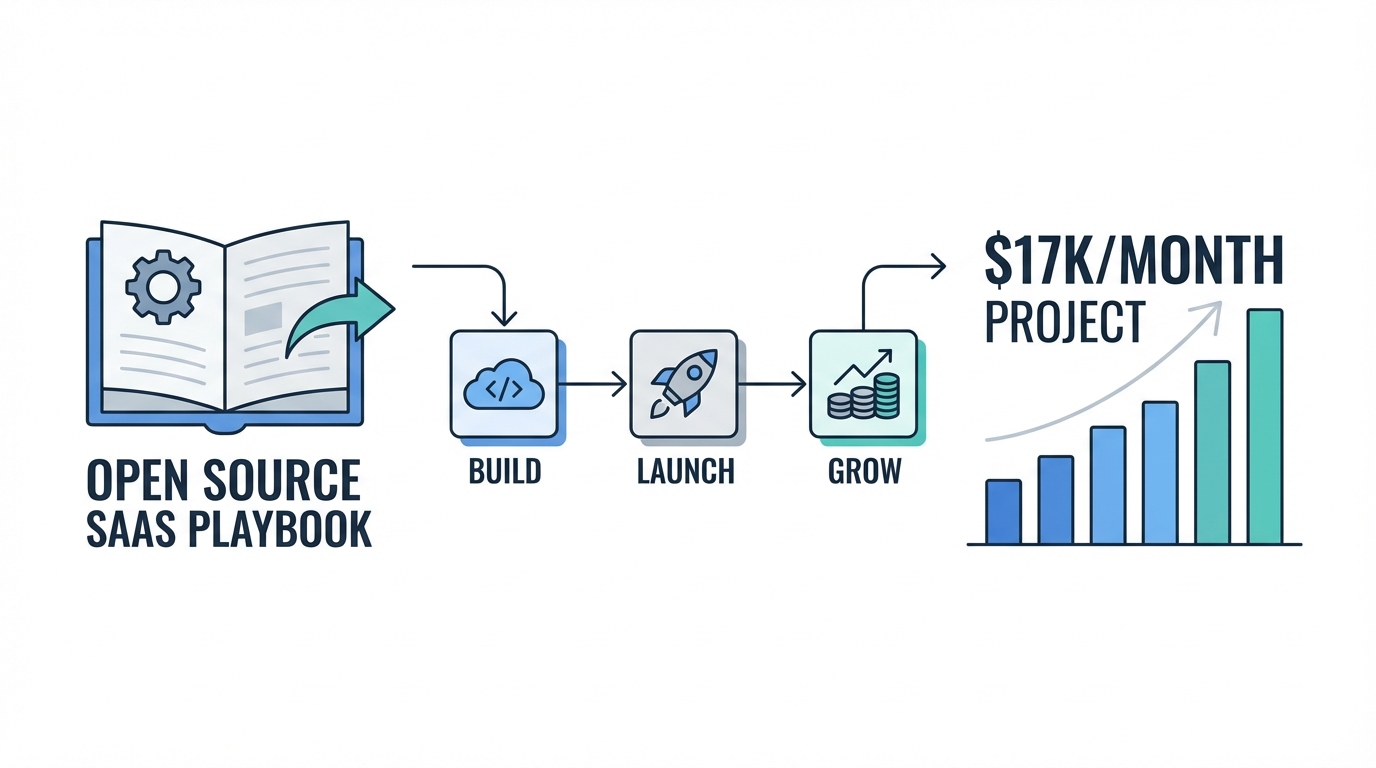
In an era where software is commoditized and AI can generate functional code in seconds, the question for developers is no longer "Can I build it?" but "How will anyone find it?" For Nevo, the founder of Postiz, the answer wasn't found in expensive ad campaigns or traditional sales outreach. Instead, it was found in two words: open source. By treating his code repository as a marketing engine, Nevo scaled his social media scheduling tool to $17,000 in Monthly Recurring Revenue (MRR) and over 5 million downloads. This article breaks down the exact open source saas playbook used to achieve these results, providing a step-by-step roadmap for developers to transition from a lonely repository to a thriving business.
The Open Source Opportunity: Why Code Transparency is the Ultimate Marketing Hack
The traditional SaaS market is flooded. Whether you are building a social media tool, a CRM, or a project management app, you are likely competing with thousands of established players. In this "red ocean," open source acts as a powerful differentiator. It creates a "blue ocean" by offering transparency, security, and a "free-forever" entry point that developers actually trust.
Developers are a notoriously difficult buying persona; they don't want to be sold to, and they often refuse to pay for things they could theoretically build themselves. However, Nevo suggests that this is actually an advantage. Instead of forcing them to pay, you give them the code for free. This builds brand equity and word-of-mouth that no marketing budget can buy. When these developers use your tool in their professional roles, they become your biggest advocates. They may not pay for the software themselves, but they will recommend the cloud subscription model to their employers who value convenience over self-hosting maintenance.
Furthermore, open source business models provide a unique credibility boost. A potential user can look at your GitHub and see active commits, community contributions, and a transparent roadmap. This level of activity signals that the product is alive and evolving, which is critical for long-term trust. In fact, many brands now utilize Stormy AI to find and vet creators who specialize in UGC (user-generated content) for developer tools. By using its AI search engine, brands can find niche influencers across TikTok and Instagram in seconds and use Stormy's AI-powered quality reports to detect fake followers before reaching out.
Step 1: Transforming Your GitHub Repository into a High-Converting Landing Page

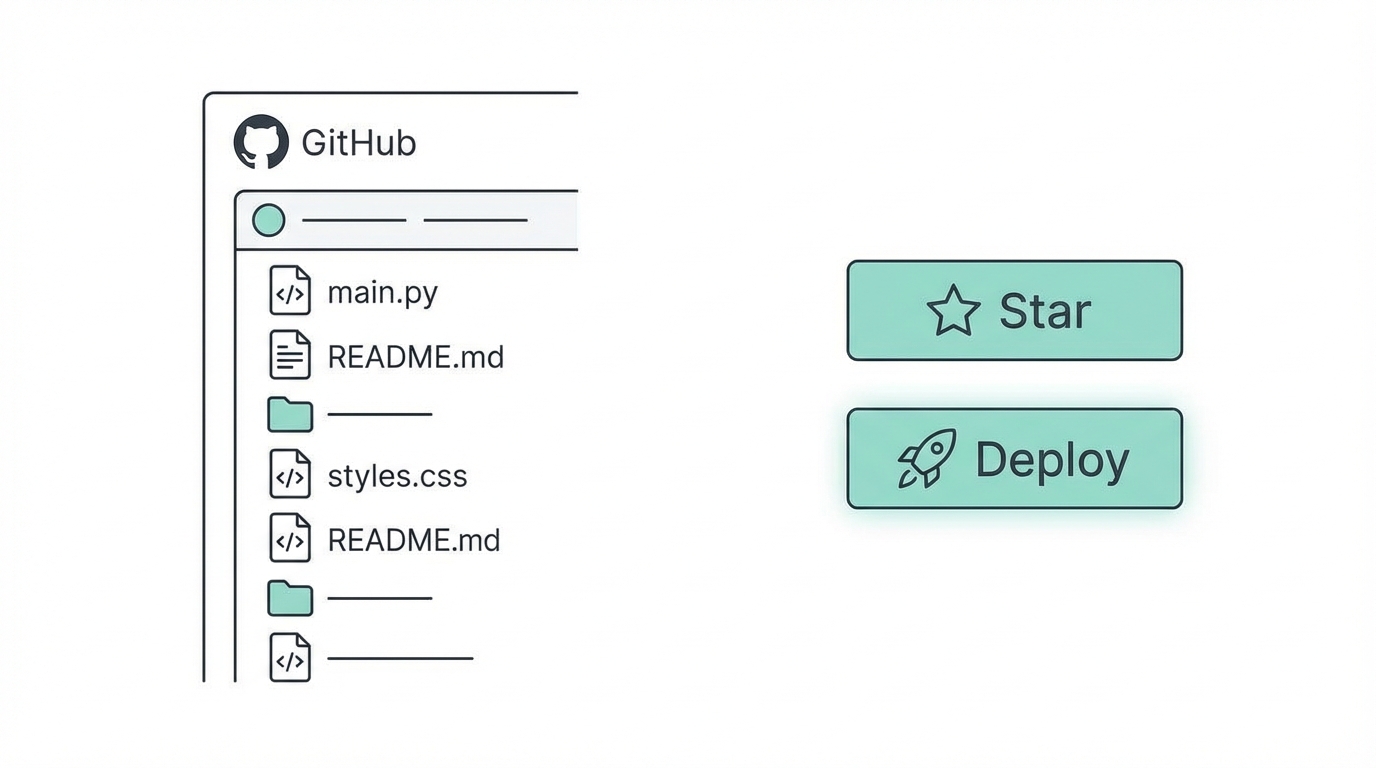
Your github marketing strategy starts the moment a user lands on your repository. In the world of open source, your README.md is your primary landing page. If it looks like a dump of technical documentation, you will lose 90% of your potential traffic. To convert visitors into "stars" and users, you must optimize for clarity and conversion.
- The Hook: Start with a clear value proposition. If you are building an alternative to a known tool, state it plainly. For example, Postiz describes itself as an "open-source social media scheduling tool." This gives immediate context.
- Visual Evidence: Use high-quality screenshots and even GIFs of the product in action. Don't make people hunt for a demo; show them exactly what the UI looks like immediately.
- Social Proof: Highlight your star count, contributor count, and any notable companies or developers using the tool.
- Deployment Ease: The faster a developer can get your tool running, the more likely they are to stick around. Nevo emphasizes that having a Docker image is non-negotiable. If a user can run a single command and see your app live on their local machine, you've won.
Step 2: Choosing the Right Open-Source License: MIT vs. Apache vs. AGPL3
One of the most critical decisions when determining how to launch an open source project is the license. Your choice will dictate how other companies can use your code and, more importantly, how you can protect your future revenue. Nevo highlights three main paths:
- MIT License: The most permissive. Anyone can do almost anything with your code, including taking it, closing it, and selling it as their own. Great for maximum adoption and "growth at all costs." [source]
- Apache 2.0: Similar to MIT but provides explicit patent rights and protects you from certain legal liabilities. This is often the "safe" choice for enterprise-focused tools. [source]
- AGPL3 (Affero General Public License): The "copyleft" option. If someone uses your AGPL3 code to provide a service over a network (like a SaaS), they must share their source code changes. This is often used by companies like Postiz to ensure that competitors can't simply "fork and host" a paid version without contributing back. [source]
While choosing a license, you should also consider compliance and security. As you grow, enterprise users will ask about SOC 2 or ISO standards. Platforms like Delve can help automate the compliance process, ensuring that your open-source transparency doesn't turn into a security documentation nightmare.
Step 3: The 'First Issue' Strategy: Building a Contributor Community
A common mistake in open source saas is waiting for people to contribute. Most developers who visit your repo won't know where to start. You need to provide a "breadcrumb trail" of low-friction tasks. This is where the 'First Issue' strategy comes into play.
By creating GitHub issues specifically labeled as "good first issue" or "help wanted," you lower the barrier to entry. These should be well-defined tasks like "Fix CSS on the login page" or "Add a specific social media API endpoint." When a developer asks to be assigned to an issue, they are not just giving you free labor; they are investing their time into your ecosystem. This investment makes them long-term advocates for your brand.
To keep this community engaged, you should also launch a Discord server. This serves as the "water cooler" for your project. If developers can get real-time help from the founder when they are trying to self-host, they are far more likely to contribute code back to the repository. This feedback loop is essential for catching bugs and iterating faster than any closed-source competitor could.
Step 4: The 5-Step Distribution Playbook for an Epic Launch
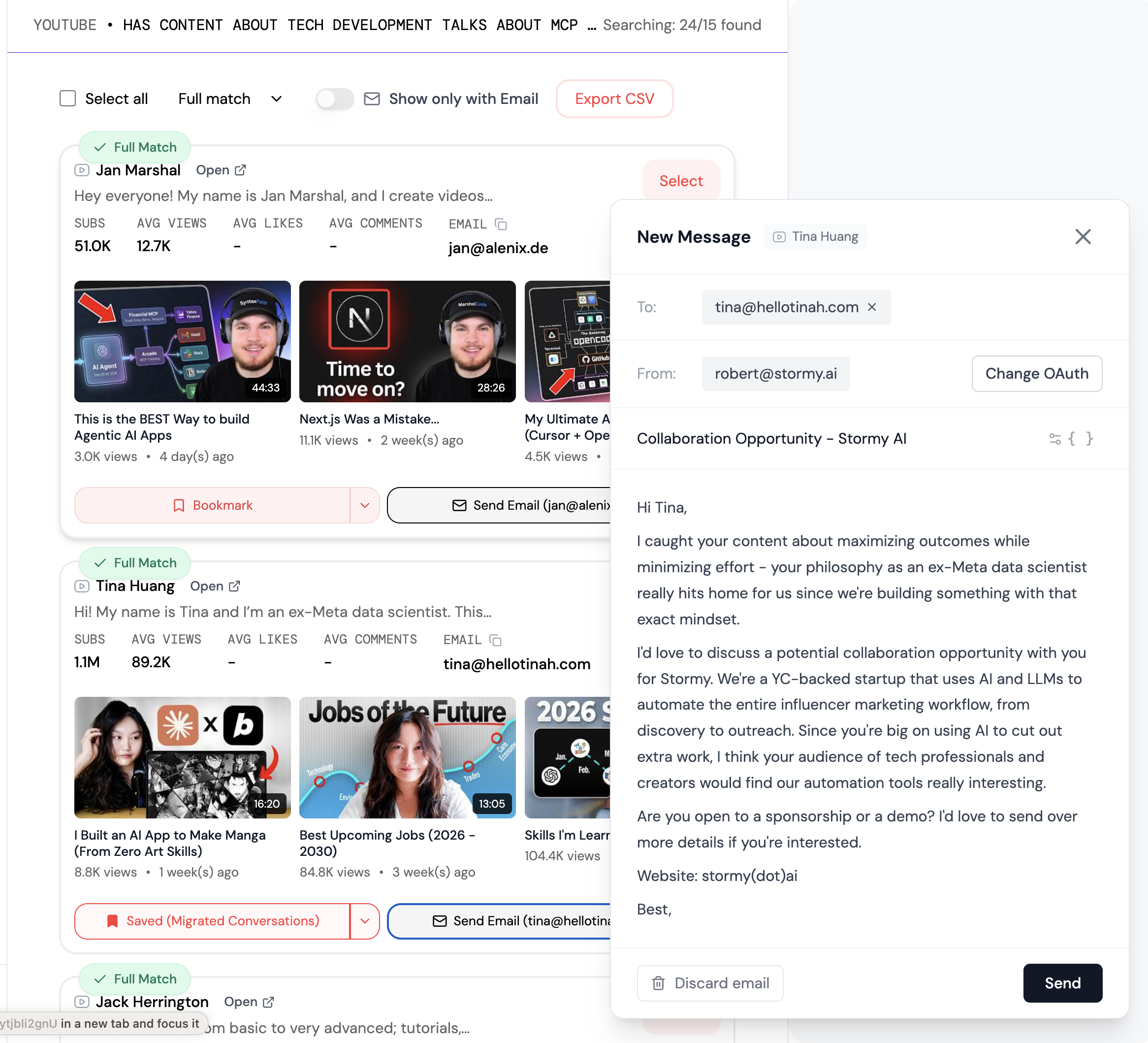
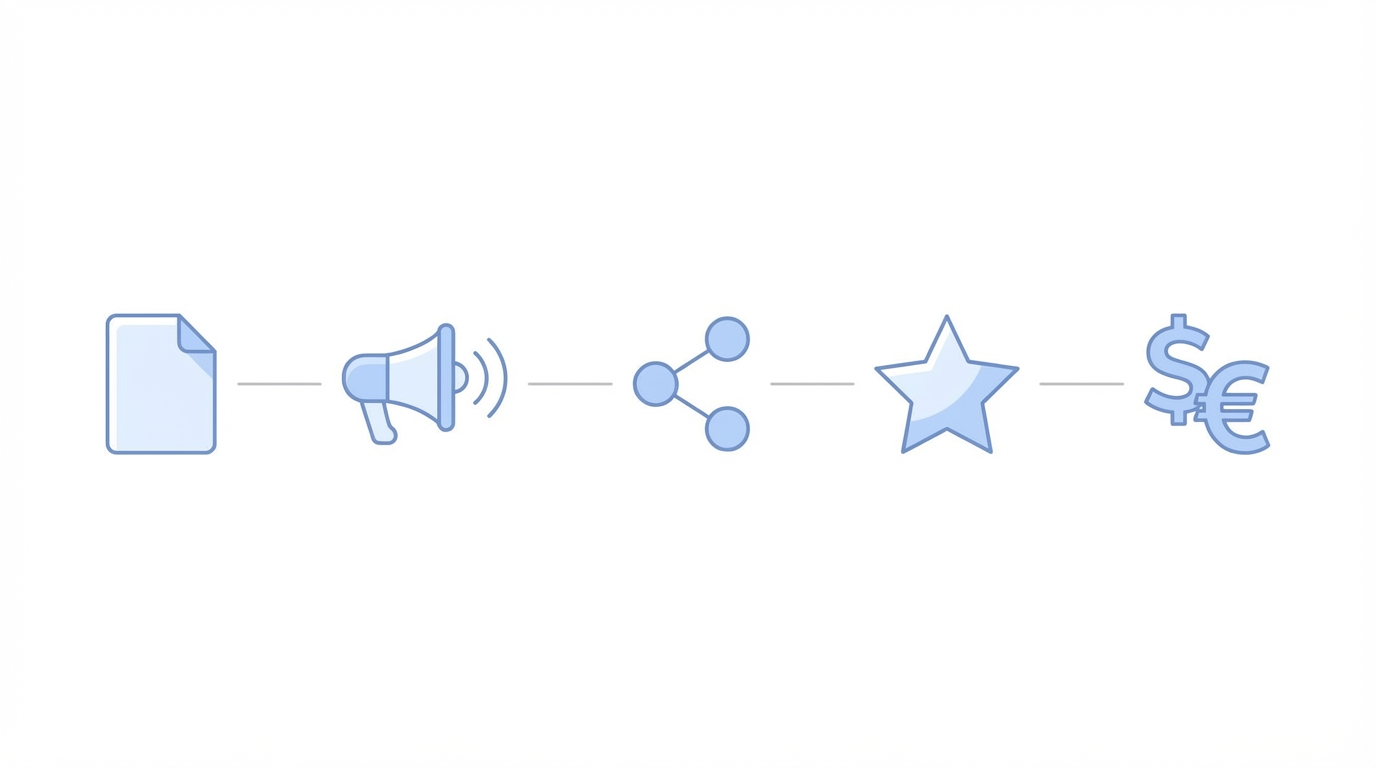
Once your repository is ready, you need a saas distribution plan. You cannot simply post a link and hope for the best. Nevo recommends a coordinated "blitz" across multiple developer-centric channels to hit the GitHub Trending feed. A key part of this distribution is reaching out to the right voices. Instead of manual emails, you can use Stormy AI to automate your outreach. Its AI agent can discover and contact creators on a daily schedule, handling hyper-personalized follow-ups while you focus on code. When you trend on GitHub, you get a massive influx of stars and visitors, which acts as a permanent SEO boost.
1. Hacker News (Show HN)
Register your account at least two weeks before your launch. When you're ready, post a "Show HN" thread with a direct link to your GitHub repository (not your website). The Hacker News community loves open-source projects but hates "salesy" landing pages. Be humble, transparent, and ready to answer deep technical questions in the comments.
2. Reddit (/r/selfhosted)
While many subreddits ban self-promotion, /r/selfhosted is a unique community that actively welcomes founders showing off open-source tools. Ensure you have enough "karma" before posting. When you share your project, focus on the self-hosting aspect: how easy it is to deploy and why users should control their own data. For mobile app developers looking to scale, UGC creators found via Stormy AI can often help translate these technical benefits into relatable content for a broader audience.
3. Lemmy (The Open Source Reddit Alternative)
Nevo identifies Lemmy as a "secret weapon" for open source marketing. Because Lemmy itself is a decentralized, open-source platform, its user base is highly predisposed to support new open-source software. A single post here can often generate 100+ upvotes and a steady stream of traffic from a highly engaged audience.
4. Content Aggregators (Dev.to, Medium, HackerNoon)
Write "listicles" or deep-dive technical articles. Titles like "Top 10 Open Source Projects to Watch in 2026" or "How I Built a Social Media Tool with Node.js" perform exceptionally well. These platforms have high Domain Authority (DA), helping your project show up in the Google Discover feed, which can send thousands of targeted users to your repo overnight.
5. The Final Push: Social and Newsletters
On the same week as your community launches, blast your project across X (formerly Twitter), LinkedIn, and your personal newsletter. Platforms like Beehiiv are excellent for building this long-term audience. The goal is to create a simultaneous surge of traffic that signals to the GitHub algorithm that your project is "hot."
Step 5: Transitioning to a $17,000 MRR Cloud Model
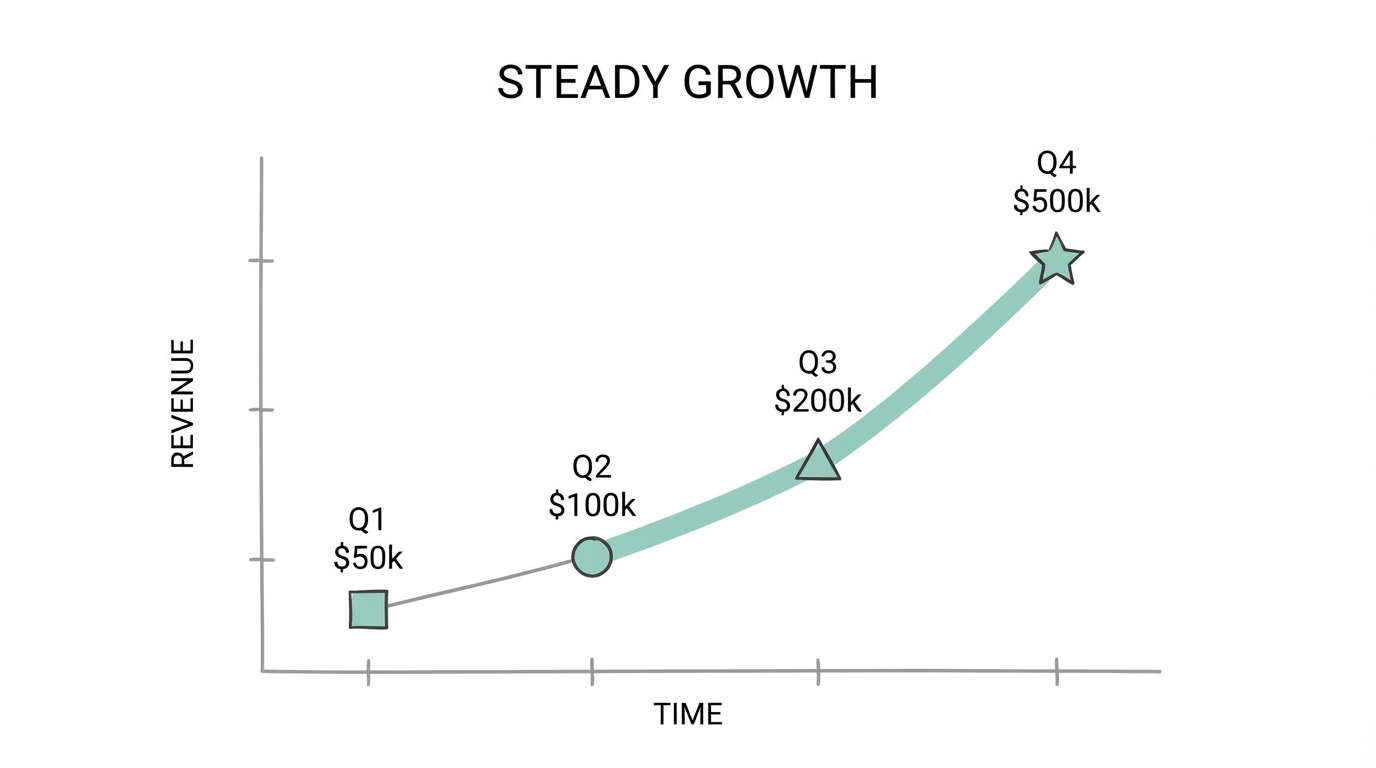
Building an open-source tool is philanthropic; building an open source saas is a business. The primary open source business model for bootstrapped founders is the "Open Core" or "Managed Hosting" model. You provide the code for free for those who want to self-host, but you charge a subscription for the "Cloud" version where you handle the servers, updates, and maintenance.
Postiz manages $17,000 MRR with this exact split. Developers and hobbyists can self-host for $0, but agencies and marketing teams gladly pay for the cloud version to save time. This creates a high-margin business (around 80% margins) because the "free" users are essentially doing your QA testing and marketing for you. They report bugs, suggest features, and create tutorials, which reduces your internal R&D costs. To monitor the success of these marketing efforts, founders use Stormy AI to track individual videos and posts, monitoring views and engagement across platforms to see which creators drive the most signups.
To maximize revenue, Nevo suggests focusing on upselling based on features, not just usage. For example, while the self-hosted version might have the core scheduling features, the Cloud Ultimate plan might include advanced AI video tools or a public API. This ensures that as a user's needs grow, they naturally graduate into your paid tiers.
The $17K/Month SaaS Tech Stack
Efficiency is key to maintaining high margins. You don't need a massive team if you use the right automated tools. Here is the stack that powers a revenue-generating open source project:
- Hosting: Railway for the backend and Vercel for the frontend (NextJS).
- Communication: Resend for transactional emails and Beehiiv for the community newsletter.
- Analytics & Links: Dub.co for link management and short links.
- Monitoring: Sentry for error tracking and GitHub Copilot for faster development.
For founders specifically in the mobile app space, combining an open-source backend with a sleek mobile interface is a winning strategy. By using AI-powered creator search on platforms like Stormy AI, you can find UGC creators to film "day in the life" videos showing how they use your open-source tool to manage their own social media, creating a powerful marketing engine that bridges the gap between "dev-tool" and "lifestyle-app."
Conclusion: Building for the Future
The open source saas model is more than just a trend; it is a response to a world where code is plentiful but trust is scarce. By giving your code away, you aren't losing your competitive advantage—you are building a brand moat that is incredibly difficult for competitors to cross. You get free distribution, community-led R&D, and a clear path to $17,000 MRR and beyond.
If you are ready to start your journey, the most important step is to stop over-analyzing. Spend 50% of your time learning from experts and 50% of your time shipping. Start by optimizing your GitHub README today, choose a license that protects your vision, and prepare for a multi-channel distribution blitz. For more deep dives into building and scaling successful products, check out the resources at Starter Story Build. The market for your open-source solution is waiting—you just need to open the source.