Why Top Brands are Switching to an Open Source Influencer CRM in 2026
Discover why CMOs are ditching SaaS for open source influencer CRMs in 2026 to save $60k/year, ensure data sovereignty, and boost influencer marketing ROI.
As we navigate the marketing landscape of 2026, the gold rush for creator partnerships has matured into a sophisticated game of data and infrastructure. The influencer marketing industry is officially projected to reach a staggering $24.2 billion this year, marking a massive leap from the early 2020s. However, with this growth comes a critical challenge: the rising cost of proprietary SaaS platforms. Top-tier brands are no longer content with renting their relationships; they are building their own. By migrating to an open source influencer CRM, forward-thinking Growth Leads are reclaiming their data, slashing licensing fees, and future-proofing their creator ecosystems.
The Economic Case: Slashing Influencer Marketing Costs
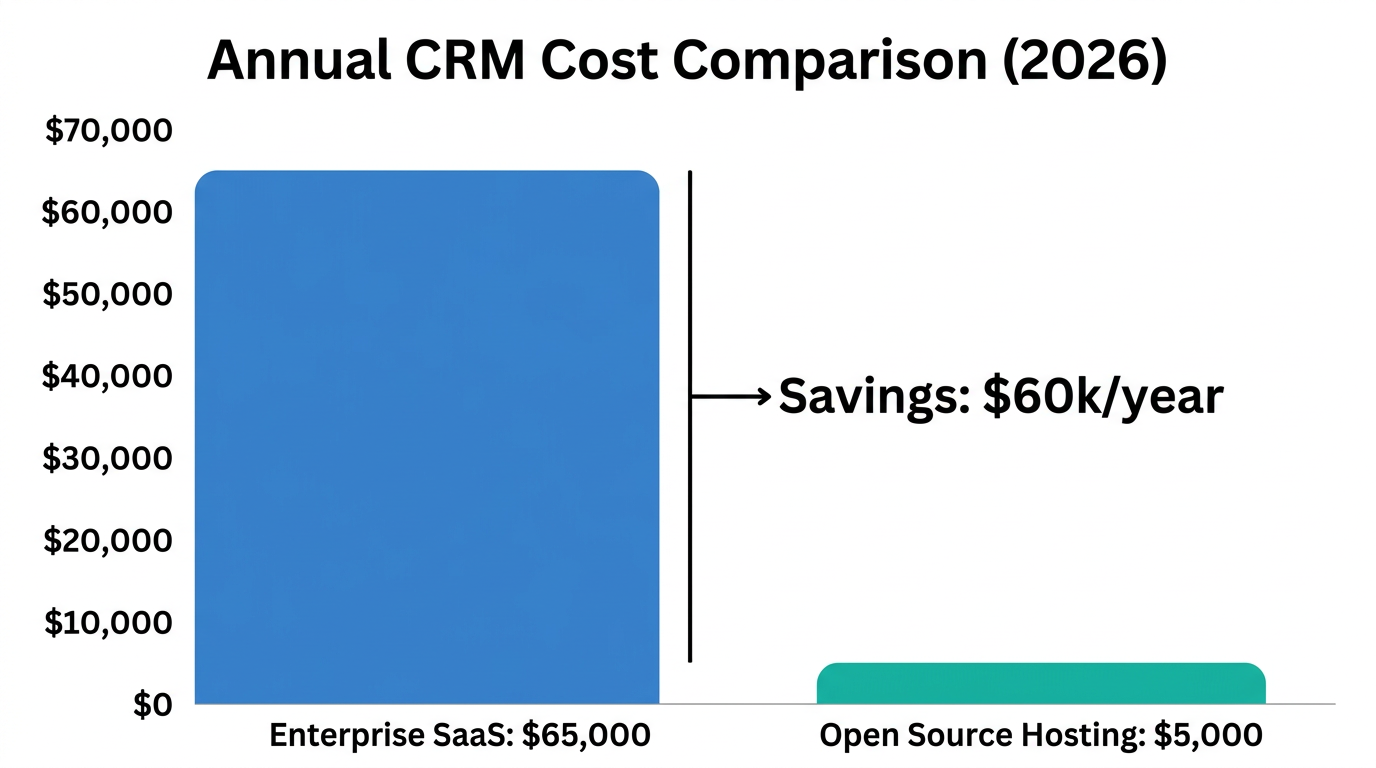
The primary driver behind the 2026 migration is simple: ROI optimization. In an era where 74% of marketers are planning to increase their influencer budgets, every dollar saved on software is a dollar that can be reinvested into creator fees or Meta Ads Manager white-listing. Analysis from late 2025 shows that over 2,000 major brands have already migrated to free or open-source alternatives, saving an estimated $24,000 to $60,000 annually in enterprise licensing fees according to recent Forrester economic impact reports.
When you use an open-source framework like SuiteCRM or Odoo CRM, you aren't just cutting a check to a vendor for the privilege of accessing your own data. You are investing in a permanent asset. Unlike SaaS models where your data is often held hostage by tiered pricing, open-source solutions allow for unlimited creator profiles and campaign tracking without incremental costs.
"The shift to open source isn't just about saving money; it's about shifting from a 'renter' mindset to an 'owner' mindset in the creator economy."
The Importance of Influencer Data Sovereignty
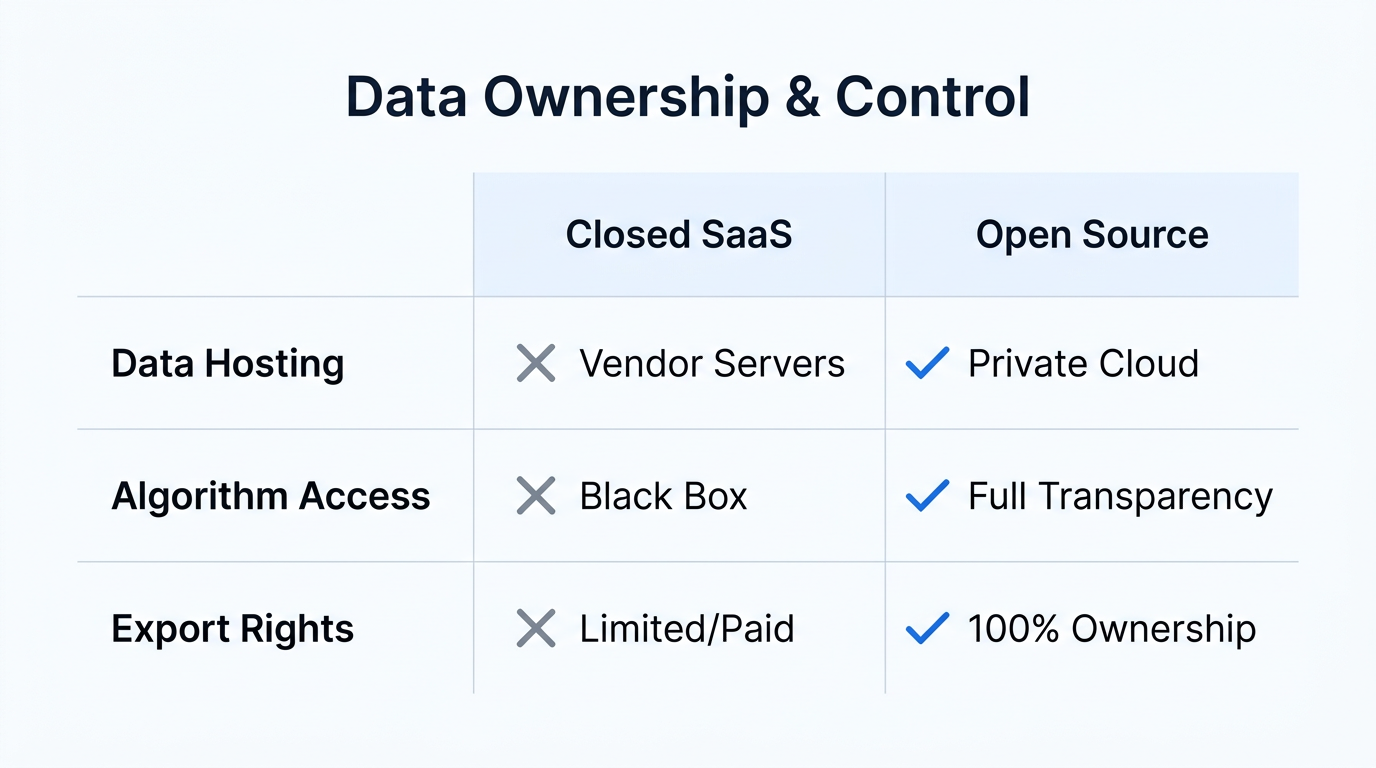
In 2026, data sovereignty has moved from a IT checkbox to a CMO priority. Brands are increasingly wary of "vendor lock-in," where moving to a new platform means losing years of historical performance data, private negotiation notes, and verified creator contact info. By hosting their own open source influencer CRM, brands ensure that proprietary insights remain on their own servers, fully compliant with evolving GDPR and CCPA regulations.
This is particularly vital for brands managing micro-influencers (those under 100k followers). These creators currently generate up to 60% more engagement than celebrities, but managing thousands of these smaller relationships requires a robust, secure database. When you own the infrastructure, you can integrate deep-level analytics from tools like PostHog to predict which creators will drive the highest conversions based on your unique historical interaction data.
| Feature | Enterprise SaaS | Open Source CRM |
|---|---|---|
| Annual Cost | $24k - $100k+ | $0 (Licensing) |
| Data Ownership | Vendor-controlled | Full Sovereignty |
| Customization | Limited to API/UI | Unlimited (Code access) |
| Integration | Pre-built only | Deep ERP/API hooks |
Top Open Source Platforms for Influencer Management
While there isn't a single "InfluencerCRM.exe" that fits every brand, the 2026 standard is to customize existing, powerful frameworks. Here are the leading contenders being adopted by top-tier growth teams:
- SuiteCRM: Often cited as the best alternative to Salesforce, the SuiteCRM influencer module is a favorite for its "Module Builder." It allows brands to create custom entities for social handles, engagement rates, and content style tags effortlessly.
- Odoo CRM: Ideal for e-commerce brands using Shopify or Stripe. Odoo integrates influencer management directly with inventory and accounting, making "gifting" workflows seamless.
- Twenty: A modern, developer-friendly option built with TypeScript. Twenty is designed for brands that want a "composable" stack that feels as slick as a modern SaaS but remains open.
- EspoCRM: Known for its lightweight "Entity Manager," EspoCRM is perfect for tracking complex relationships between creators, talent managers, and specific campaigns.
"Standard SaaS platforms often lack the flexibility for niche industries. Open source acts as a hub, allowing brands to integrate best-of-breed tools without being restricted by a single provider's roadmap." — Karim Marucchi, CEO of Crowd Favorite.
Case Study: How Iceland (UK) Scaled with Centralized Data
One of the most cited success stories in 2026 is the supermarket giant Iceland (UK). By moving away from expensive celebrity endorsements toward a structured micro-influencer model, they achieved a 70% spike in product popularity. The key was centralized data management. By tracking over 50 micro-creators in a custom database, they could monitor real-time sentiment and inventory impact, a feat that would have cost six figures in monthly SaaS fees at that scale.
Similarly, EA Sports utilized data-driven influencer management to pivot their strategy for Apex Legends toward TikTok. By managing their creator relationships internally, they secured engagement rates as high as 9.1%, proving that influencer marketing ROI in 2026 is tied directly to how well you manage your first-party creator data.
The 2026 Implementation Playbook: How to Migrate
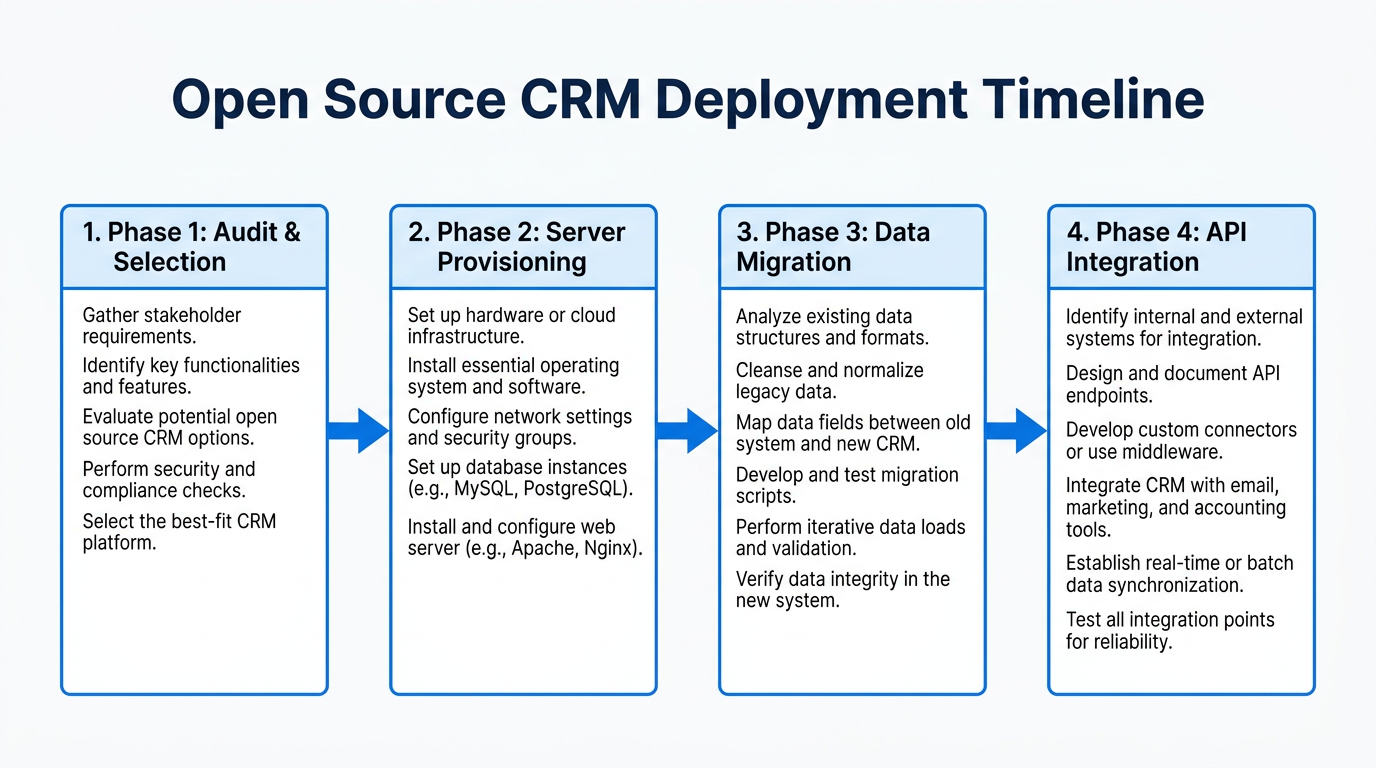
Switching to an open-source stack requires a strategic approach. Do not simply dump your data into a new system and hope for the best. Follow this CMO-approved playbook:
Step 1: Define Your Custom Entities
Standard CRMs use "Contacts" and "Accounts." You need an "Influencer" entity. According to data architecture best practices from Vested Marketing, the biggest mistake is adding too many fields. Stick to the essentials: Platform handles, niche tags, and average engagement rates.
Step 2: Automate the "Gifting" Workflow
Integrate your CRM with your shipping or ERP system, such as ERPNext. When a creator is moved to the "Agreement Signed" stage, the system should automatically trigger a product shipment. This eliminates manual coordination and speeds up the content creation cycle.
Step 3: Connect Live Performance APIs
Use middleware like Phyllo to pull live TikTok and Instagram metrics directly into your dashboard. This ensures your open source influencer CRM remains the "single source of truth" for campaign performance without manual data entry.
Avoiding Common Pitfalls
The transition to open source isn't without its hurdles. To reduce influencer marketing costs effectively, you must avoid these common traps:
- Poor Data Hygiene: Do not migrate "dirty" data. Use tools like Notion or Google Sheets to cleanse your database, removing duplicate handles and outdated emails before the import.
- Ignoring Native Features: Don't build custom code for things your CRM already does. For example, SuiteCRM has native email campaign tools that can replace expensive subscriptions to Mailchimp or Klaviyo.
- Lack of Training: Open source software is powerful but can be complex. Ensure your team undergoes a dedicated training phase via platforms like Udemy or LinkedIn Learning to prevent them from reverting to disorganized spreadsheets.
"A robust CRM is future-proofing a brand’s strategy by shifting from one-off transactional posts to long-term symbiotic partnerships." — Influencer marketing experts at Stormy AI.
Conclusion: The Future is Proprietary
In 2026, the competitive advantage in influencer marketing has shifted from who you know to how you manage them. By adopting an open source influencer CRM, brands are not only saving tens of thousands of dollars but are also building a moat around their most valuable marketing asset: their creator relationships. Whether you choose the modular power of SuiteCRM or the integrated ecosystem of Odoo, the goal remains the same: Total ownership of your influence. Start by auditing your current SaaS spend and identifying where a self-hosted solution can provide the data sovereignty your brand deserves.