We are currently entering what marketing experts call the "Golden Era of Directories." As the internet becomes increasingly saturated with AI-generated noise and low-quality content, users are desperately seeking curated, high-trust environments where decisions have already been "outsourced" to experts. For entrepreneurs, this shift represents one of the most significant low risk startup ideas available today. An online directory business isn't just a list of links; it is a trust-based asset that can generate consistent cash flow with minimal overhead.
The Rise of the Curation Economy
The fundamental reason directories are thriving is simple: content saturation. When you search for "best business ideas" on Google today, the top results are often dominated by SEO-optimized "hacks" rather than genuinely useful advice. According to experts on YouTube, people are moving away from broad search engines and toward curated hubs. A well-run directory solves the problem of choice paralysis by providing a vetted, rated, and reviewed collection of resources within a specific niche.
Starting an online directory business allows you to become the "gatekeeper" of a specific topic. Whether it’s a list of the best Next.js starters or a database of local service providers, the value lies in your ability to filter the wheat from the chaff. Because these businesses rely on organic search and community trust rather than expensive ad spend, they represent a highly profitable side hustle 2025 and beyond.
Phase 1: Finding Your Niche with Keyword Research

The first step in how to start a directory website isn't coming up with a "cool" idea—it's following the data. You must determine if people are actually searching for the curation you plan to provide. The most effective tool for this is the Google Keyword Planner. While originally designed for advertisers, this tool is a goldmine for discovering high-traffic, low-competition keywords.

How to Use Keyword Planner for Ideation
- Start Broad: Input a general term like "business ideas" or "software tools."
- Analyze Volume: Look for keywords with at least 10,000 to 1,000,000 monthly searches. For instance, "small business ideas" sees nearly 1 million searches per month globally [source: SEMrush Keyword Data].
- Check Competition: In this context, "low competition" refers to ad spend, but it often correlates with a lack of high-quality, curated resources.
If you find a keyword with massive search volume but the top Google results are just generic listicles, you have found a directory opportunity. The goal is to find a niche where you can provide a better, more structured experience than a standard blog post can offer.
Phase 2: The Exact Match Domain (EMD) Strategy
One of the "unfair advantages" in the directory world is the Exact Match Domain (EMD). In the past, Google heavily favored domains that perfectly matched a search query. While the algorithm has evolved to look at intent, having a domain that aligns with the user's search query still provides a massive trust signal and a slight SEO edge [source: Search Engine Journal].
For example, if you wanted to rank for "small business ideas," owning smallbusinessideas.com would be ideal. However, most "perfect" domains are either taken or cost thousands of dollars on GoDaddy. The workaround is to use synonym-based EMDs.
The "Mini/Tiny/Micro" Hack: If "Small Business Ideas" is taken, try variations like:
- minibusinessideas.com
- microbusinessideas.com
- tinybusinessideas.com
These "mini" domains are often available for as little as $9 on registrars like Namecheap. Never spend $2,000 on a domain for an unproven directory. Use a creative synonym, secure the .com, and move straight to validation.
Phase 3: Validating Market Demand Before Building
The biggest mistake entrepreneurs make is falling in love with a single idea and spending months building it. Instead, adopt a "multi-bet approach." Treat your startup journey like a laboratory experiment. Your goal is to launch 5-10 directories simultaneously to see which one gains traction.
The 30-Day Validation Rule
Build a simple version of your directory, set up Google Search Console, and walk away for 30 days. If the directory has zero impressions or clicks after a month, the keyword might be more competitive than it looked, or the demand simply isn't there. If you see organic growth without any promotion, you have a winner. Don't push a dying horse; only invest your time into the directories that show "pulses" of life early on.
Phase 4: Building Your Directory with No-Code
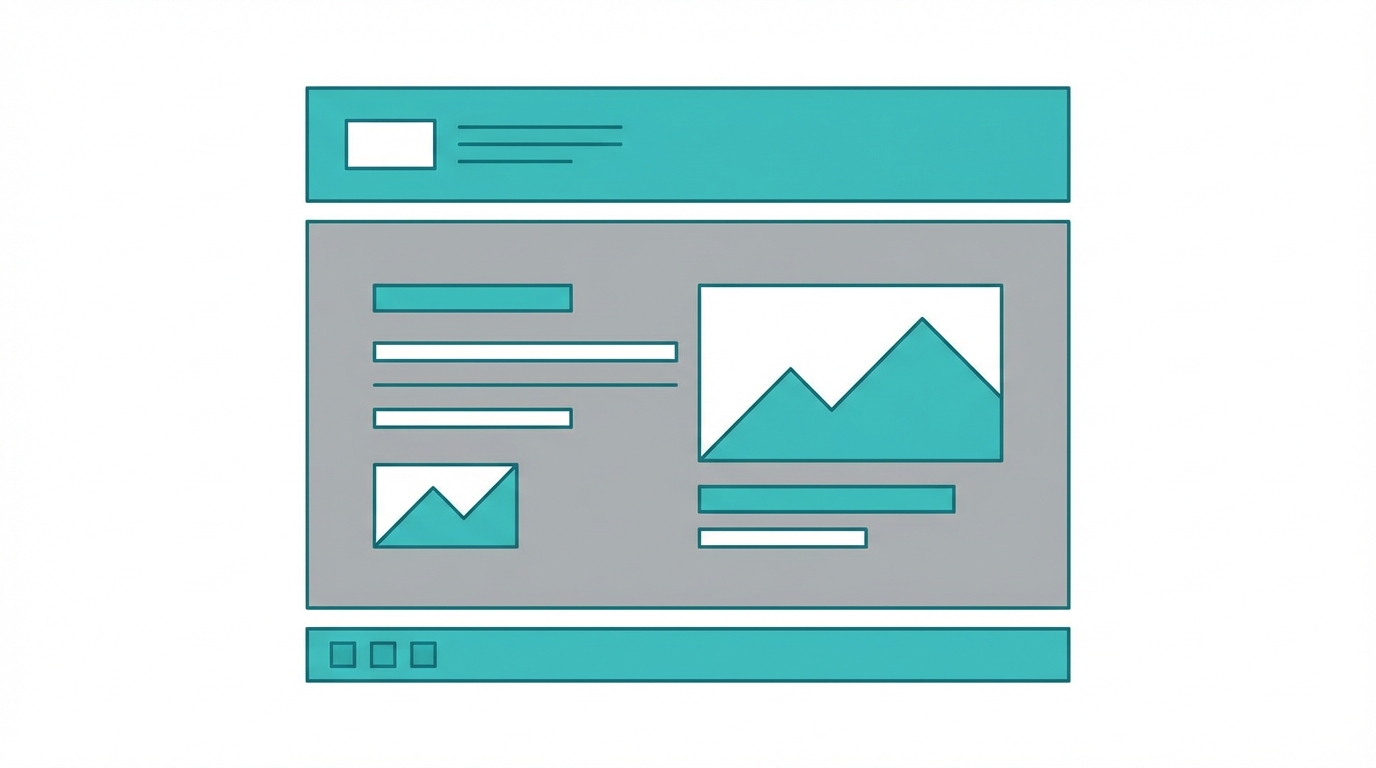
Even if you are a skilled developer, you should start with no-code tools. Building a custom directory using PHP or Next.js creates technical debt before you even have a customer. Tools like Unicorn Platform allow you to generate a directory structure using AI in minutes.
Minimum Viable Directory (MVD) Features
At launch, your directory only needs two things: the items and the names. Do not worry about:
- User ratings and reviews (they will be empty anyway).
- Advanced filtering.
- User logins and profiles.
Focus on a clean, fast-loading list of high-quality items. Once you reach 10,000 visitors a month, you can worry about complex features. In the beginning, simplicity is your competitive advantage.
Phase 5: SEO Hacks for Rapid Growth
Directories live and die by SEO. To dominate the search results, you need to move beyond just listing items and start answering questions. One of the most effective strategies is programmatic SEO through FAQ sections.
Go to Google and type in "How to start a [Your Niche] business" and see what the autocomplete suggests. For example, "How to start a business as a teenager" is a high-volume query that most big sites ignore. Add an FAQ section to your directory and use AI to generate helpful, long-form answers to these specific questions. This creates landing pages that pull in long-tail traffic.
When sourcing content or managing creators to help scale your directory's influence, modern AI-powered tools can be invaluable. For instance, platforms like Stormy AI can help you search for and discover UGC creators who are already talking about your niche, allowing you to partner with them to populate your directory with authentic video reviews or promotional content.
Phase 6: Marketing and Promotion Strategies
Once the foundation is built, you need to "prime the pump" with initial traffic. There are three primary channels for this:1. Reddit: Search for conversations on Reddit where people are asking for recommendations. If someone asks for "the best tools for X," reply with a link to your directory. Be helpful, not spammy.2. Social Media Backlinks: Google values "social signals." A single viral tweet or a highly-engaged post on X (Twitter) that contains your link can significantly boost your domain authority overnight [source: CognitiveSEO Study].3. Directory Backlinking: Submit your directory to other, larger directories. This "directory inception" creates a network of backlinks that helps Google find and crawl your pages faster.
Phase 7: 6 Ways to Monetize Your Directory Business
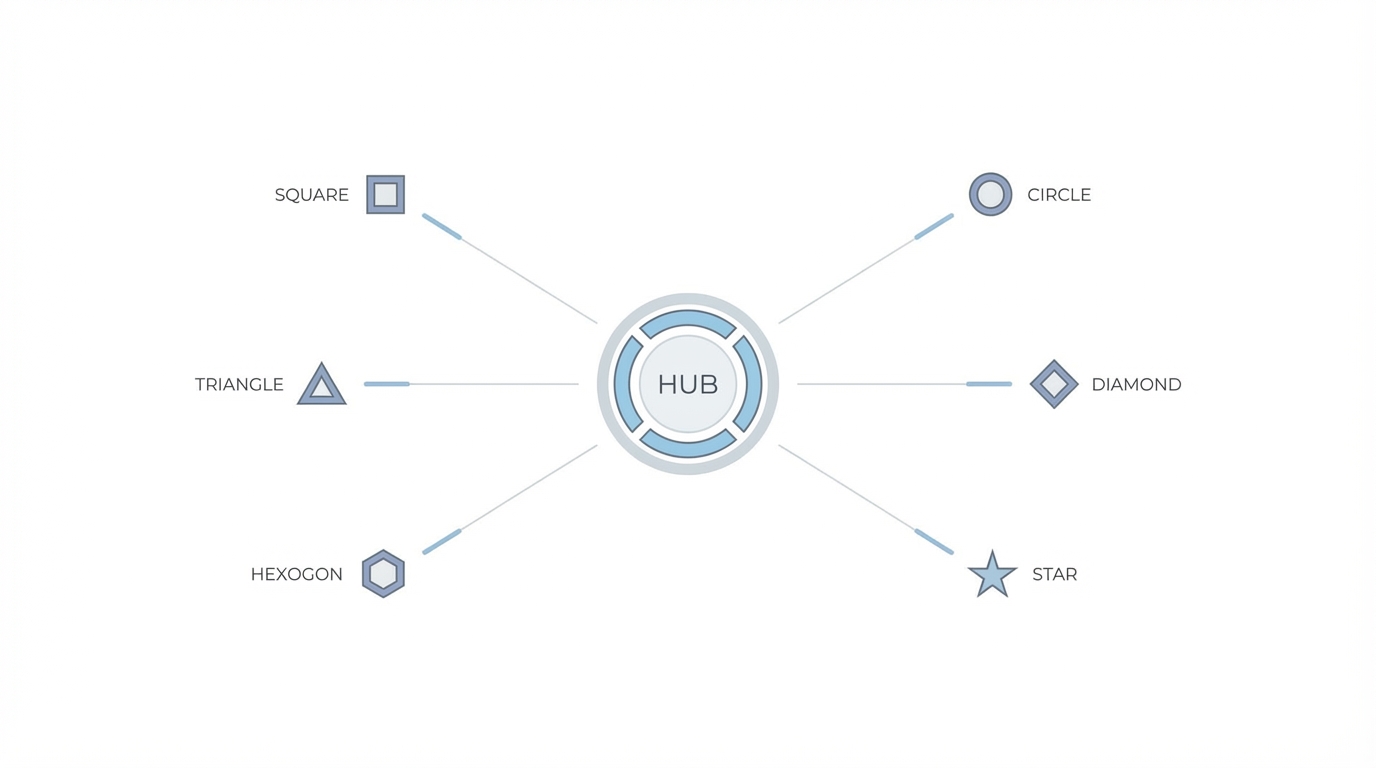
Most beginners think directories only make money through Google AdSense. While that is an option, it is often the least profitable. To hit the $5,000/month mark, you need to diversify your revenue streams.
1. Sponsored Listings
Charge businesses a fee to be "featured" at the top of your list. If you have 30,000 items, being in the top 3 is incredibly valuable. You can charge anywhere from $50 to $500 per month for these spots.
2. Affiliate Links
If your directory lists high-ticket software or services, affiliate commissions can be massive. According to Statista, affiliate marketing spend continues to grow year-over-year. Even a 3% conversion rate on a $500 product can result in thousands of dollars in passive income.
3. Paywalls for Listings
In high-stakes niches (like finding a nanny or a specialized lawyer), professionals are often willing to pay a "listing fee" just to be included in your database, provided you can prove you have traffic from qualified buyers.
4. Paywalls for Access
If your data is proprietary or highly valuable, charge users for access. You can show the first 5 results for free and require a subscription to see the full database and contact information via Stripe.
5. Brand Sponsorships
As your site grows, big players in the industry may want to sponsor the entire directory for brand alignment. This is less about clicks and more about being "affiliated" with a trusted resource in the space.
6. Indirect Monetization (The SaaS Funnel)
Many entrepreneurs use directories as a "top of funnel" for their other products. It is often easier to rank a directory for a high-intent keyword than it is to rank a SaaS tool. By channeling traffic from your directory to your software, you acquire customers for free.
Phase 8: Selling Your Directory Asset
Directories are highly liquid assets. Because they require very little maintenance once the SEO is established, they are attractive to buyers on marketplaces like Acquire.com (formerly Micro.io) or the upcoming SellDirectories.com. Small directories can sell for $2,000 to $5,000, while established hubs with high traffic can command prices upwards of $100,000.
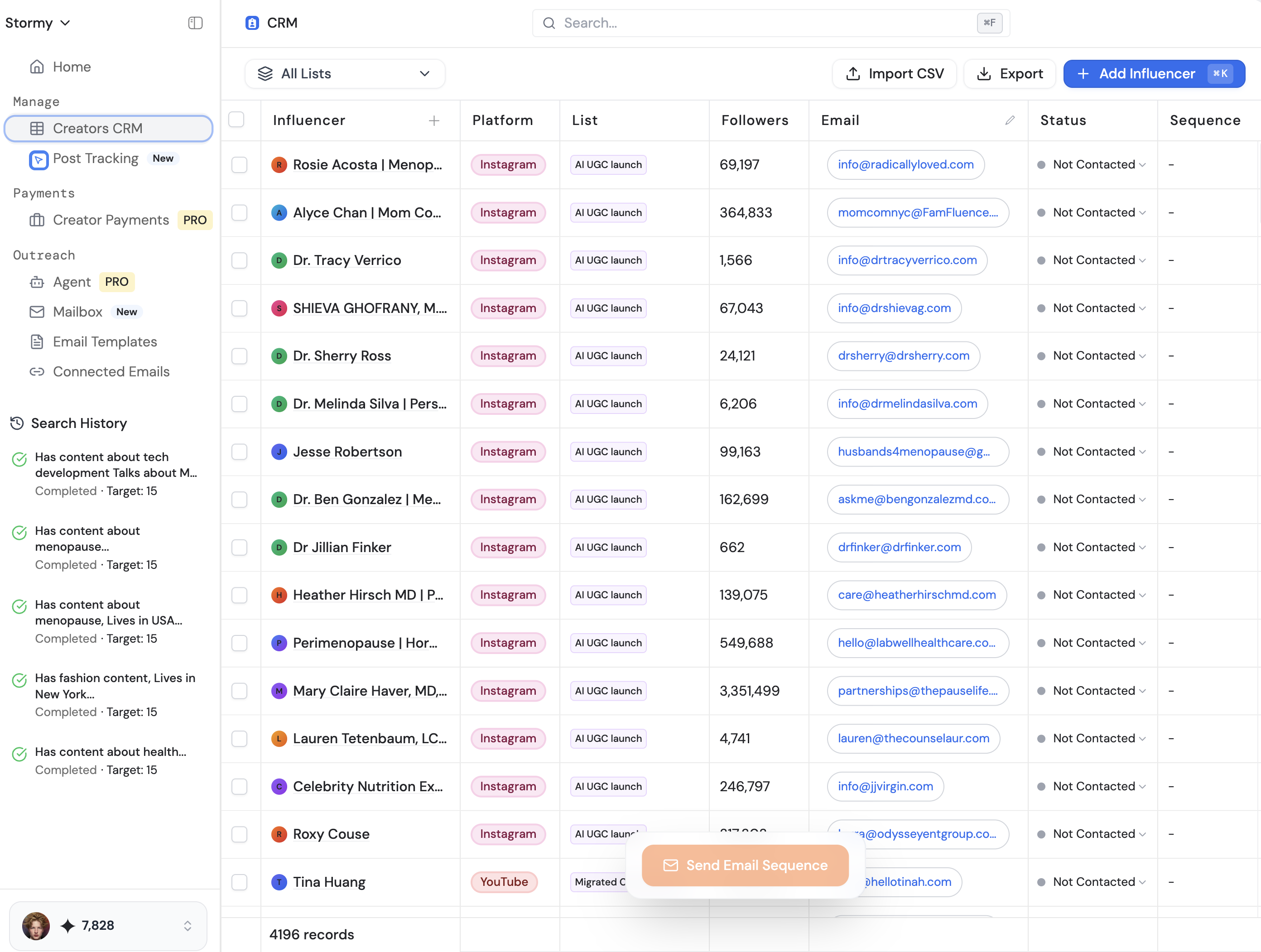
If you find yourself managing multiple successful directories, using a centralized creator CRM like the one found in Stormy AI can help you keep track of the different influencers and brands you are collaborating with across your portfolio, ensuring no deal falls through the cracks.
Conclusion: The Path to $5,000/Month

Building an online directory business is a marathon, not a sprint, but it is one of the safest paths to financial independence. By focusing on keyword research, using the EMD strategy, and maintaining a multi-bet mindset, you can build a portfolio of assets that generate income while you sleep. Start with one niche, validate it with a $9 domain, and keep iterating until you find your winner. In the age of AI noise, the one who curates the truth wins.