In the world of software-as-a-service, the biggest barrier to growth isn't necessarily a lack of features or a poor interface; it's the sheer momentum of the status quo. Users often stay with legacy platforms they actively dislike simply because the thought of moving years of data, workflows, and integrations is more painful than the frustration of using an outdated tool. This phenomenon, known as high switching costs in SaaS, creates a protective moat around billion-dollar giants, allowing them to raise prices and neglect customer feedback without fearing an immediate exodus.
The Psychology of Friction: Why Users Stay with Tools They Hate
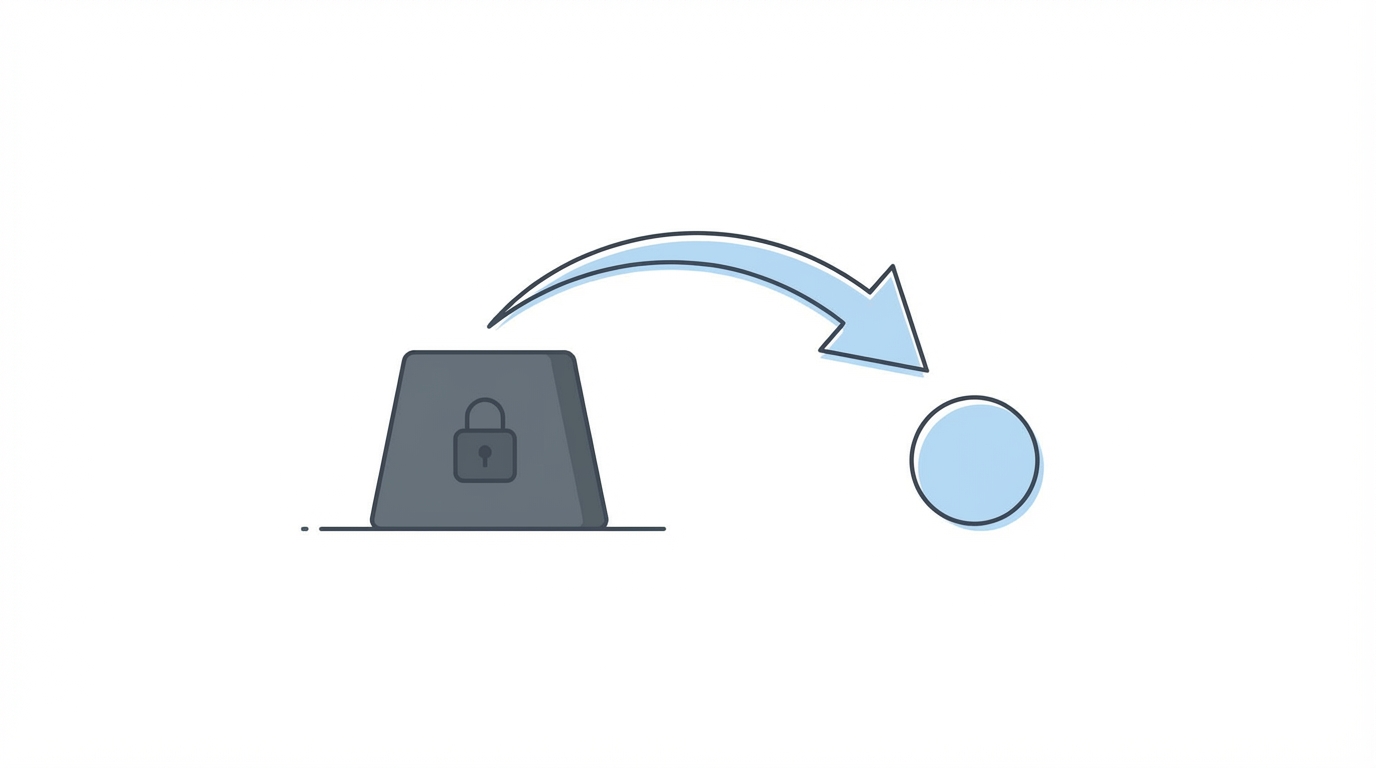
Most SaaS founders believe that building a "better" product is enough to win. However, the psychology of friction tells a different story. For a user to switch, the perceived value of the new tool must not just exceed the old one—it must outweigh the old one plus the enormous mental and technical energy required to migrate. Research into saas growth hacks shows that users often suffer from the endowment effect, where they overvalue the tool they already use because they have invested time and data into it.
As Abhishek, founder of uform (now part of the HeyForm ecosystem), discovered when building his Typeform alternative, many users were only looking for a change because the pricing became untenable or specific features were missing. By identifying these gaps, he was able to grow his business to $11,000 MRR with over 35,000 registered users. The key wasn't just being cheaper; it was recognizing that users wanted a way out of the complexity of the incumbent but felt trapped by their existing forms and data structures.
The Gap Strategy: Mining Social Media for Competitor Weakness
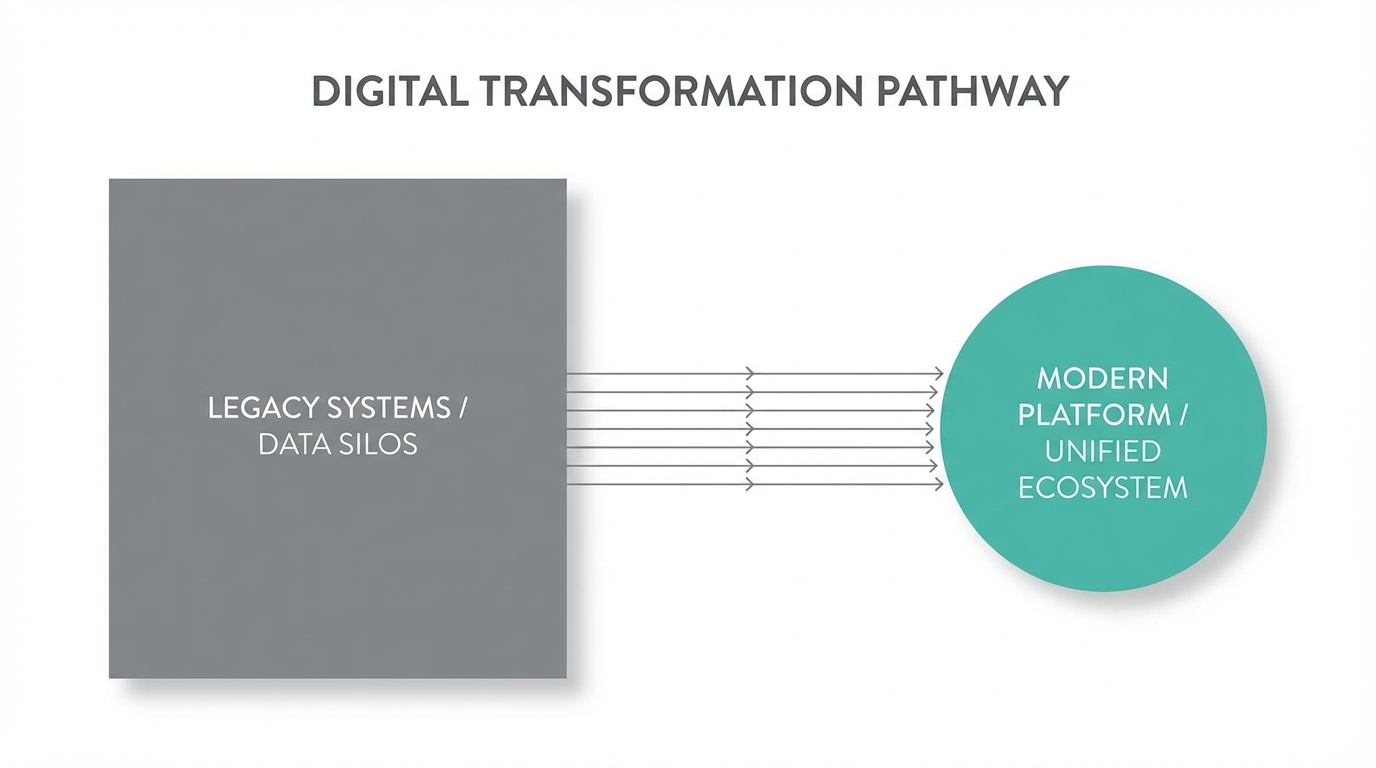
Before you can engineer a migration tool, you must identify where the giants are failing. This is what Abhishek calls "finding the gap." Instead of inventing a brand-new category, savvy founders look at established markets where customers are already vocal about their frustrations. The strategy involves searching social platforms like X (formerly Twitter) and Reddit for keywords like "[Competitor] alternative" or "why is [Competitor] so expensive."
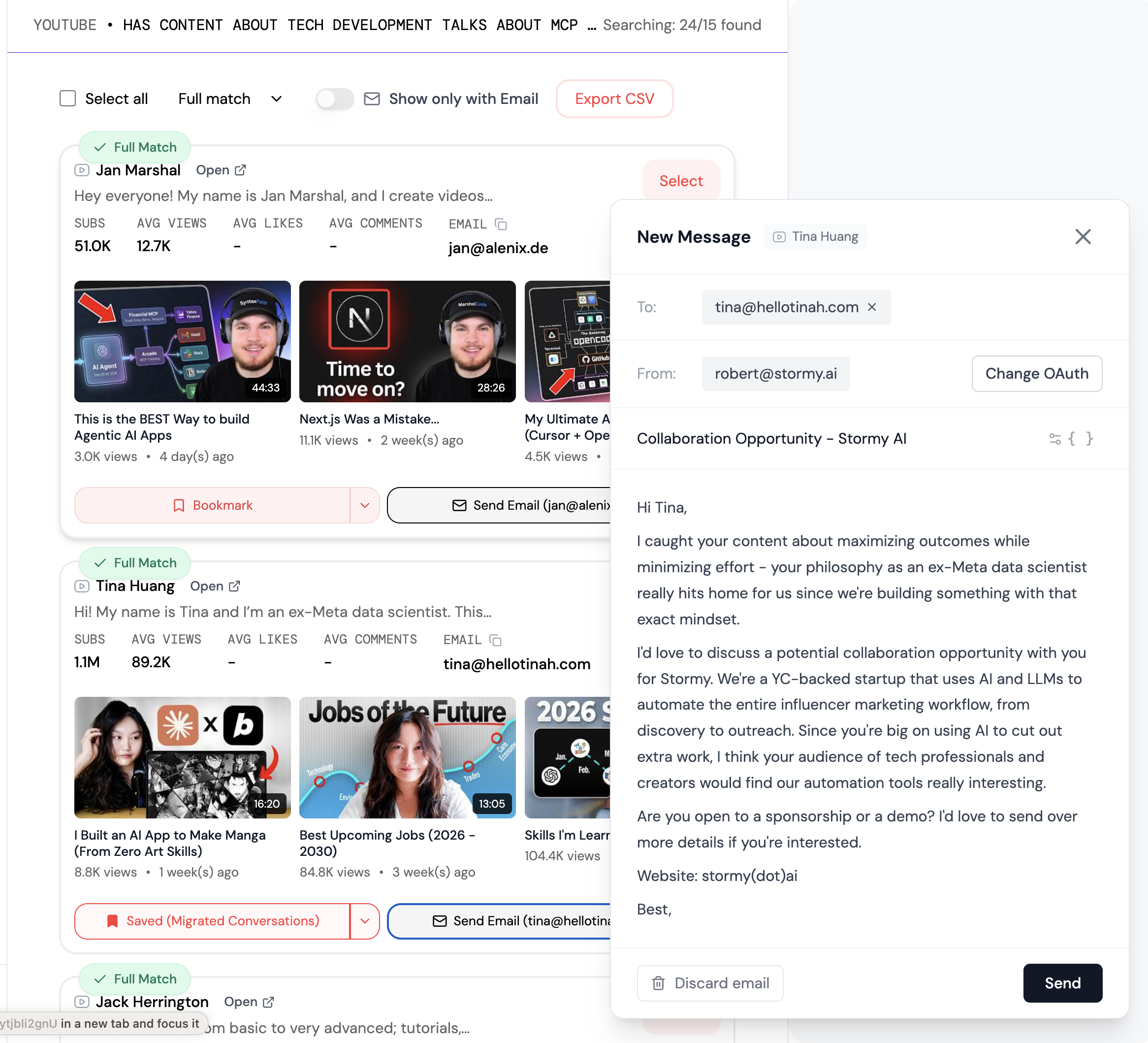
Once you've identified a disgruntled audience, you need to reach them effectively. This is where Stormy's AI search becomes a competitive advantage. Instead of manually scrolling through threads, you can use Stormy to find influencers and creators who are talking about these specific pain points in niches like productivity, marketing, or no-code. By identifying the voices that your target audience trusts, you can partner with them to highlight your migration tool as the solution to the community's collective headache.
Engineering a 'One-Click Migration' Tool as a Core Product Feature
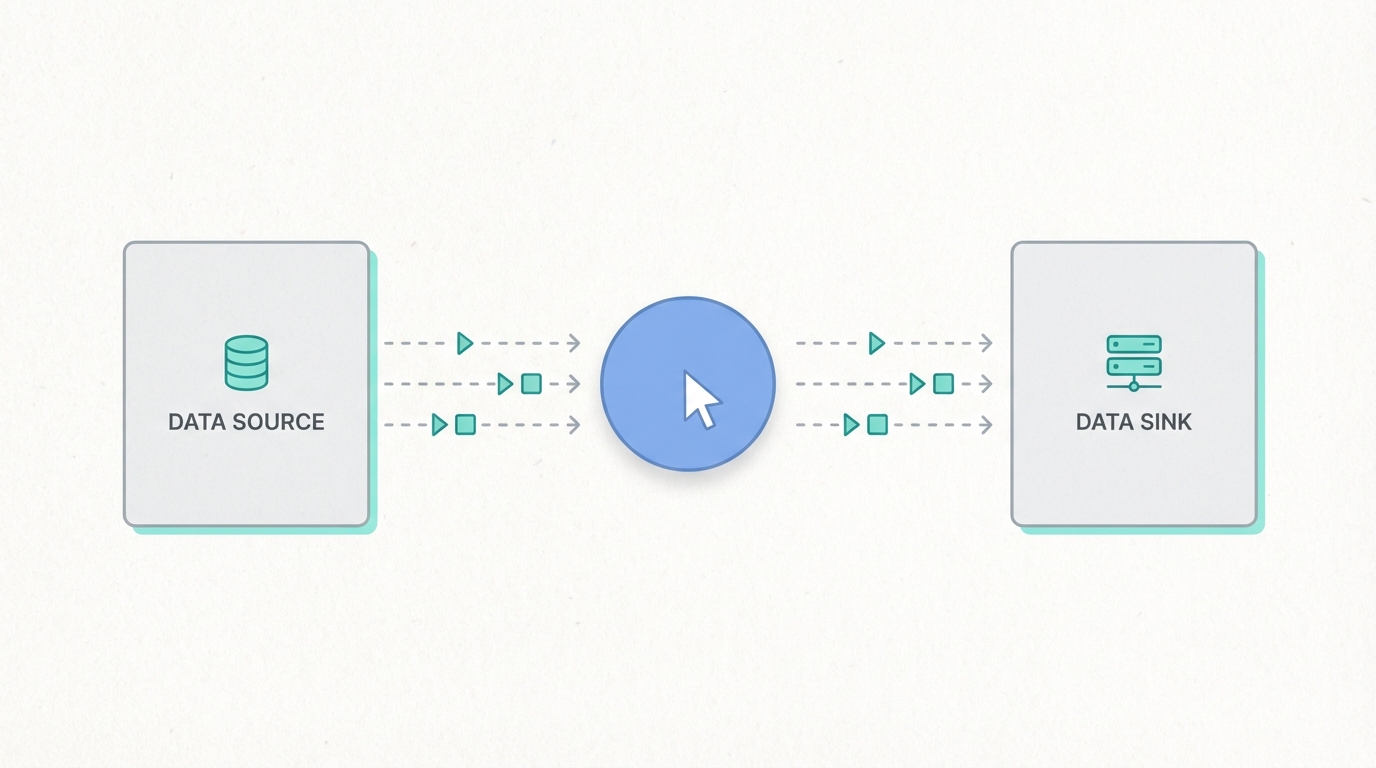
The centerpiece of a successful saas customer acquisition strategy for a challenger brand is the competitor migration tool. This isn't just an import button hidden in the settings; it should be a front-and-center marketing feature. In the case of uform, they built a landing page where a user could simply paste their existing Typeform URL, and within seconds, uform would generate a functional replica of that form on their own platform.

From a technical standpoint, this often involves using the competitor's public API or web scraping (within legal bounds) to map data fields from the old system to yours. Abhishek built uform using Laravel and hosted it on AWS, keeping the tech stack simple and reliable. By automating the most tedious part of the switch—the data entry—you remove the primary excuse for not moving. You turn a multi-hour project into a few seconds of waiting, which drastically increases your conversion rate from visitor to user.
Creating High-Converting 'Alternative to [Competitor]' Landing Pages
To capture users at the exact moment they are looking to switch, you need to dominate the search results for "Alternative to [Incumbent]." These pages shouldn't just be a list of features; they should be a direct comparison that highlights the "gap" you identified earlier. If the incumbent is too expensive, lead with your transparent pricing. If the incumbent has become too complex, lead with your simplicity and speed. Many companies use tools like Semrush to find the exact high-intent keywords their competitors are bidding on.
Effective saas growth hacks for these pages include:
- Direct Feature Comparison Tables: Show exactly what you offer that the giant doesn't (or what you offer at a better price point).
- Testimonials from Switchers: Social proof from people who have specifically migrated from that competitor.
- The Migration Widget: An embedded version of your one-click tool directly on the landing page.
Managing the traffic and leads from these pages requires organized systems. Stormy's creator CRM allows you to track interactions with creators who are helping you promote these "Alternative to" pages, ensuring that your outreach efforts are organized and scalable. Instead of messy spreadsheets, you can see exactly which partnerships are driving the most migration-ready leads.
Messaging Strategies: From 'Better Tool' to 'Specific Solution'
A common mistake in SaaS marketing is trying to be everything to everyone. When you are a small player trying to steal market share, you must move away from the generic "We are a better form builder" to "We are the form builder for people who are tired of Typeform's recent price hikes." Specificity wins because it resonates with the user's current pain.
When reaching out to potential users or influencers, personalization is non-negotiable. Using Stormy's AI outreach, you can generate hyper-personalized emails that reference a creator's specific complaints about a competitor or their niche-specific needs. This level of automated personalization allows a small team to perform the outreach of a much larger marketing department, creating a direct line to users who are ready to jump ship.
The Preview Hack: Using Migration as a Lead Magnet
One of the most powerful ways to use a competitor migration tool is as a lead magnet that requires zero commitment. By allowing users to see a preview of their data inside your platform before they even create an account, you provide an "aha!" moment that is incredibly hard to walk away from. For example, if you are building an alternative to a feedback tool like Canny, you could let users import their public roadmap with one click to see how much cleaner it looks in your UI.
This "Preview Hack" works because it leverages loss aversion. Once the user sees their own work, their own data, and their own brand beautifully rendered in your tool, they feel a sense of ownership. They aren't just looking at a demo; they are looking at their product. To make this even more effective, ensure your tool handles payments smoothly through a trusted provider like Stripe, so the final step of the transition is as frictionless as the first. You can then monitor the success of these migrations using Stormy's post tracking and analytics to see which campaign types lead to the highest long-term retention.
Conclusion: Building for the Gaps
Stealing market share from SaaS giants doesn't require a multi-million dollar marketing budget; it requires a deep understanding of switching costs in SaaS and a technical solution to eliminate them. By identifying the "gaps" in incumbents, engineering a one-click migration tool, and leveraging saas growth hacks like "Alternative to" pages and data previews, you can build a highly profitable business by being the lifeboat for frustrated users.
Ready to start finding the creators and influencers who can help you lead the migration? Explore Stormy AI to discover creators, vet their audiences for fake followers, and automate your outreach today. The giants are slow, but with the right migration strategy, you can be fast enough to win.