In the current marketing landscape, we are witnessing a massive shift toward what many industry insiders call "vibe marketing." This is the powerful intersection between "vibe coding" tools and autonomous AI agent workflows. For years, sales teams have been bogged down by the manual drudgery of prospecting: scanning LinkedIn profiles, checking recent tweets, and drafting personalized emails one by one. But there is an unfair advantage emerging for those who understand how to use AI lead generation to automate these workflows. If you missed the Facebook marketing boom of 2008 or the mobile app gold rush of 2010, this is your next window of opportunity. By using browser-based AI agents, you can effectively replace hours of manual research with a single click, turning a casual social media browse into a high-powered automated sales outreach engine.
The One-Click Philosophy: Revolutionizing Prospecting with Gumloop
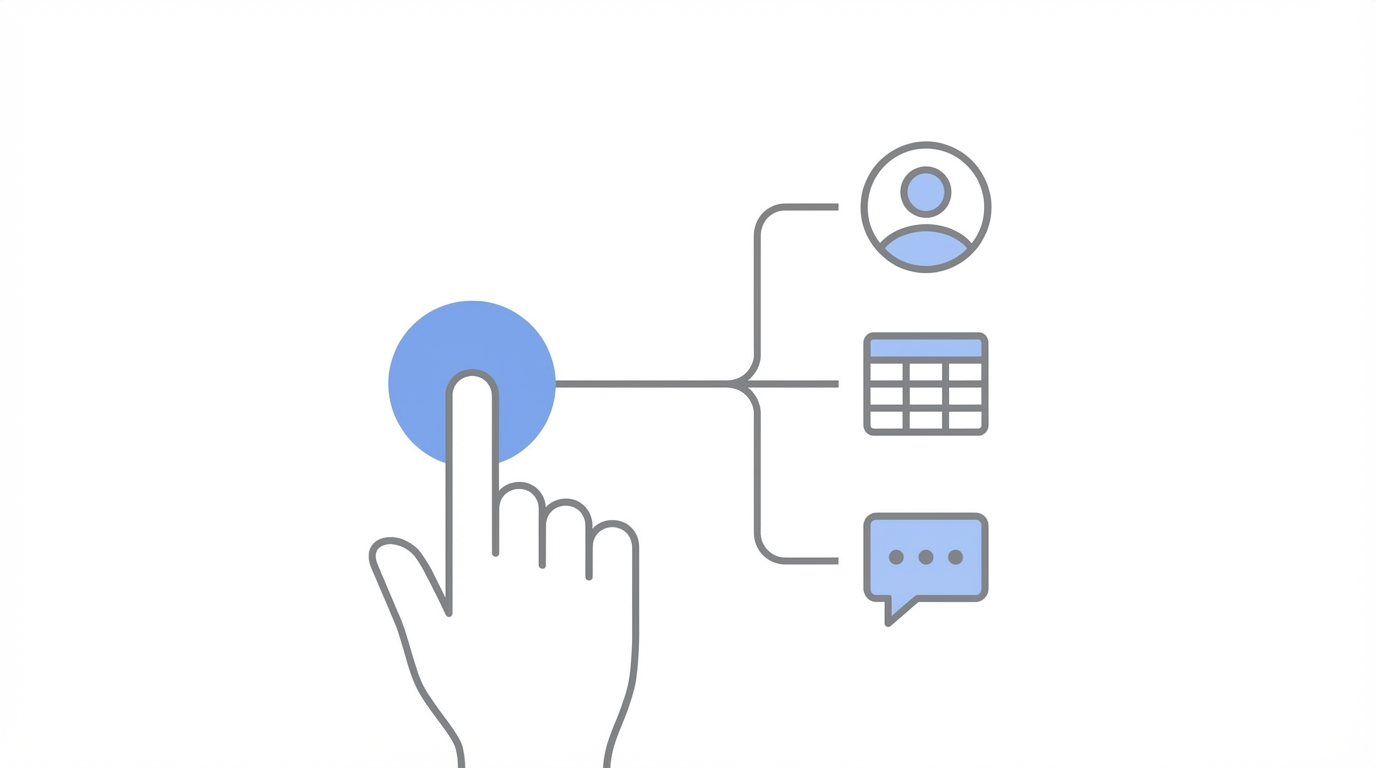
The core of the "One-Click CRM" is a simple but profound idea: you should be able to find a person of interest on a social platform and, with one button press, trigger a comprehensive research and outreach sequence. This is made possible through the Gumloop browser extension. Unlike traditional scrapers that just pull names and titles, an AI agent can actually "read" the screen like a human would, understanding the context of a person's recent activity.
When you are browsing X (formerly Twitter) or LinkedIn and encounter a potential lead, the Gumloop tutorial for this workflow is straightforward. You activate the extension, which scrapes the visible content, analyzes the user's bio, and parses their most recent posts. This isn't just about data extraction; it’s about contextual awareness. The agent understands not just *who* the person is, but *what* they are currently focused on, which is the secret sauce for any successful personalized outreach automation strategy.
Building a Researcher Agent: Determining ICP Fit Automatically
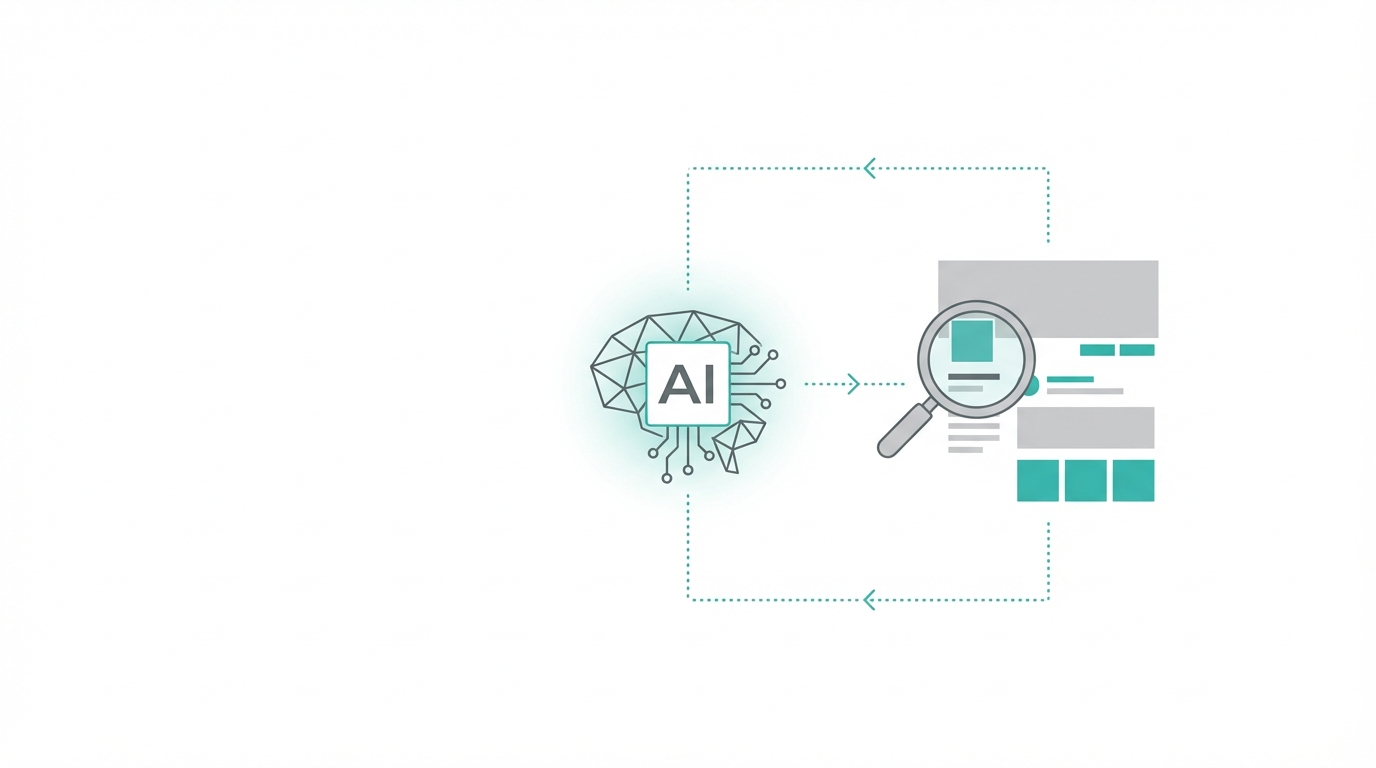
Not every lead is a good lead. The biggest mistake in AI lead generation is automating the outreach to everyone without a vetting process. This is where the "Researcher Agent" comes in. Instead of just sending data to your CRM, the agent performs a qualitative analysis to see if the prospect matches your Ideal Customer Profile (ICP).
For example, if you are looking for tech founders in the AI space, the agent can look at a LinkedIn profile and ask: "Has this person mentioned LLMs or agentic workflows in the last 30 days?" or "Do they have a team size that suggests they can afford our enterprise tier?" By building these logic gates into your Gumloop workflow, you ensure that your sales team only spends time on high-intent prospects. This level of AI agent for LinkedIn research is what separates modern growth teams from those still stuck using legacy spreadsheets.
Automated Outreach: Crafting Messages That Aren’t AI Slop
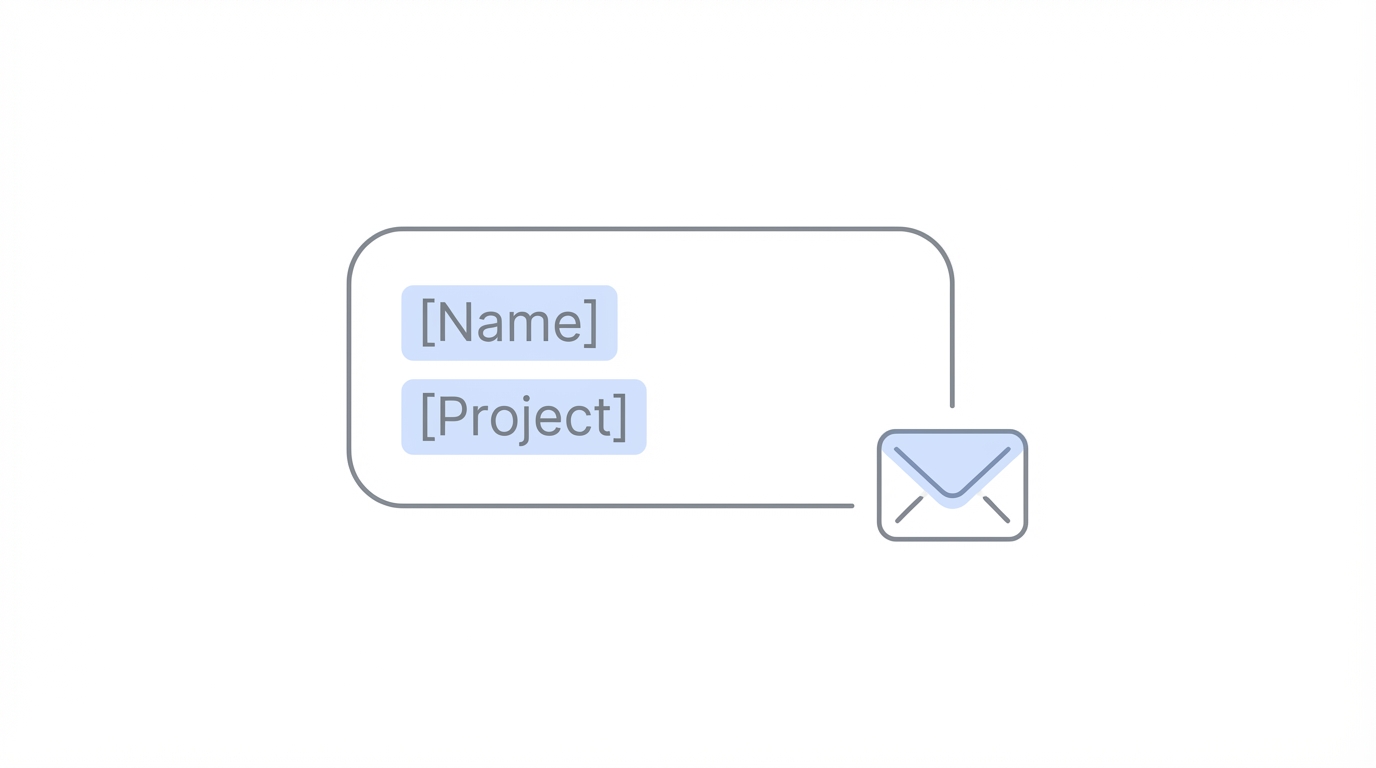
We’ve all seen it—the generic, robotic LinkedIn message that clearly came from a template. This "AI slop" actually damages your brand. To avoid this, your automated sales outreach must leverage the specific research gathered in the previous step. A high-quality AI agent doesn't just say "I liked your post"; it says "I saw your recent post about the challenges of scaling Python-based agents, and it reminded me of our recent whitepaper on memory management."
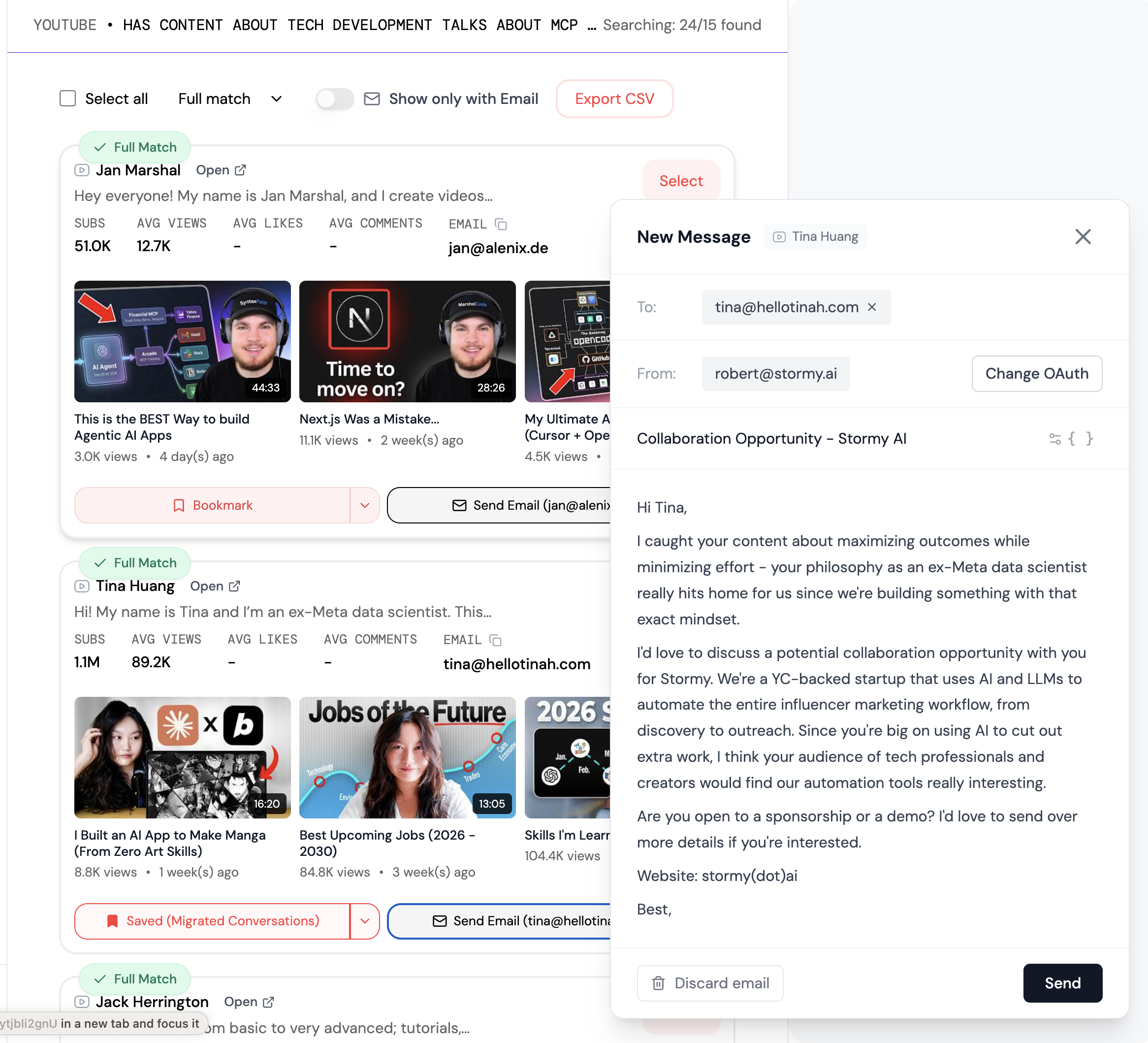
The goal is to use tools like Vapi.ai for voice-based follow-ups or personalized email sequences that feel human. When you use personalized outreach automation, the prompt should always include specific variables from the lead's profile. For brands looking to scale this even further, platforms like Stormy AI streamline creator sourcing and outreach, helping find and vet high-quality creators and influencers using similar natural-language prompts, ensuring your outreach is always hitting the right niche with hyper-personalized communication.
The Backend Workflow: Airtable, Slack, and Sales Summaries
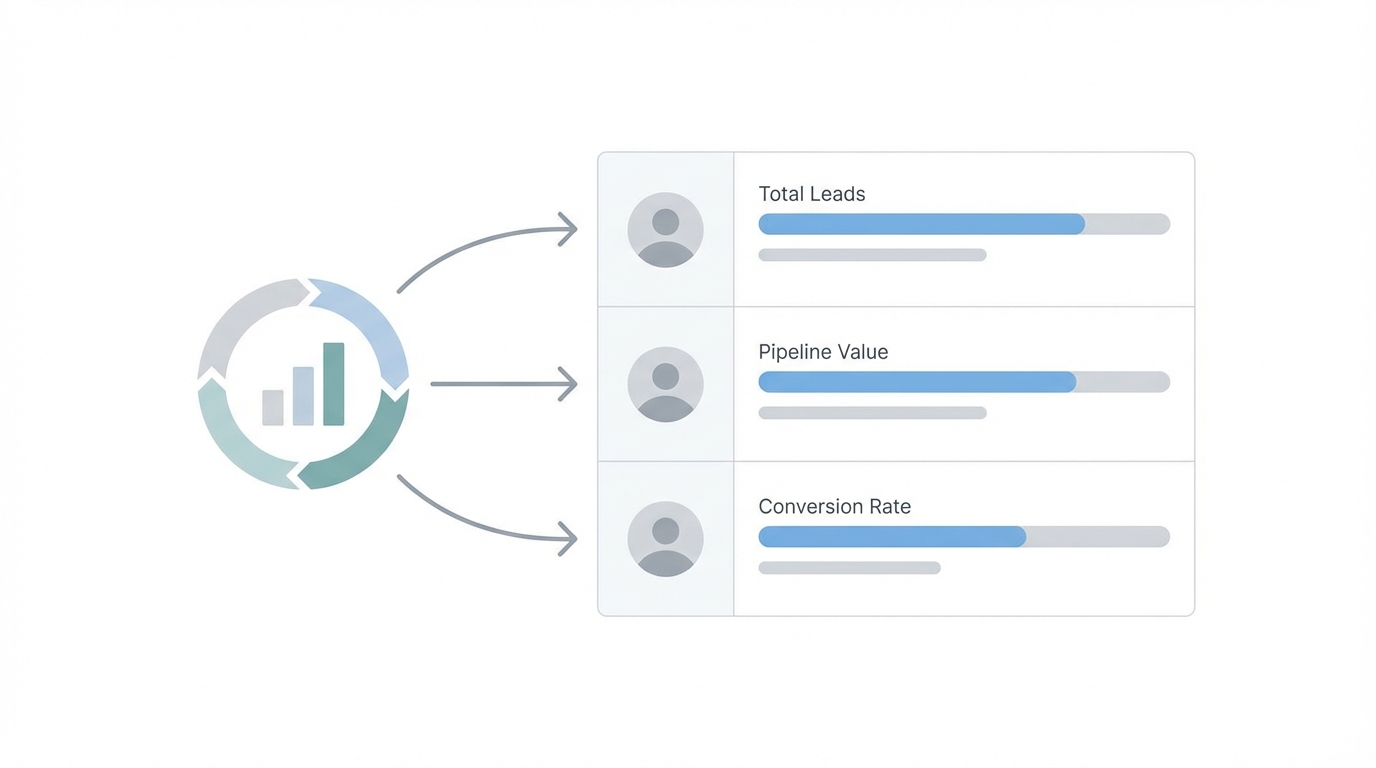
An agent is only as good as the system it feeds. Once the Gumloop agent has scraped and analyzed a lead, it should automatically push that data into a centralized Creator CRM or sales dashboard. Airtable is often the best choice for this because of its flexibility with AI integrations. You can set up a trigger where, every Monday morning, your team receives a Slack summary of the "Top 10 High-Intent Leads" researched by the AI over the weekend.
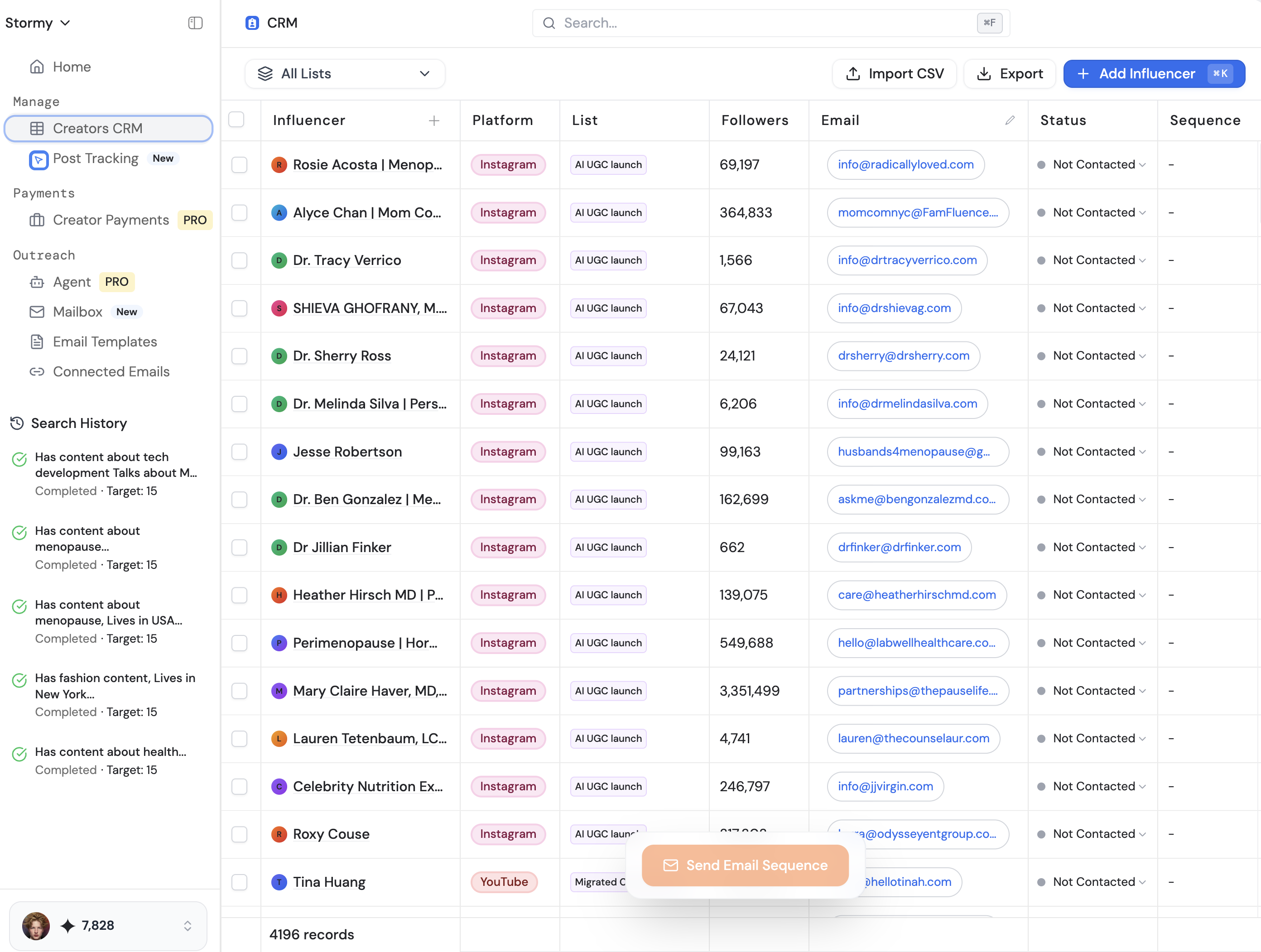
This workflow keeps the whole team aligned. You aren't just looking at a list of names; you are looking at a curated report of why these people were selected and what the suggested outreach strategy is. For those managing complex creator relationships, using a dedicated influencer CRM like Stormy AI allows you to track these automated interactions alongside manual negotiations, ensuring no lead falls through the cracks.
Beyond Sales: Using AI Agents for Recruiting and Talent Vetting
The same logic used for AI lead generation applies perfectly to recruiting. Finding the right talent—especially specialized roles like product designers or AI engineers—requires deep research. Instead of a sales pitch, your agent can be configured to look for specific career markers: "How long have they stayed at their last three roles?" or "Do they have a portfolio on GitHub that shows experience with specific frameworks?"
By pressing that same one-click button on a candidate's profile, the agent can add them to a recruiting pipeline, draft a personalized "we’re hiring" message based on their specific work history, and even summarize their background for the hiring manager. This turns the AI agent for LinkedIn into a full-cycle recruiting assistant, drastically reducing the time-to-hire.
Advanced Vibe Marketing: Voice, Video, and Content Automation
To truly master personalized outreach automation, you should look beyond just text. Voice AI agents from platforms like Vapi.ai allow you to create 24/7 sales agents that can actually handle phone inquiries or follow-up calls. When setting these up, a pro tip is to have the agent start with: "I’m an AI, please don't hang up, I'm valuable." This transparency often builds more trust than trying to pass as a human.
Furthermore, you can use AI personas to nurture leads. Tools like Tavis.io allow founders to create video avatars that can "jam" with potential customers on ideas, building trust while the founder sleeps. If you combine this with content automation tools like String.com, which can turn daily website ideas into automated podcast scripts or blog posts, you create an omnipresent brand that generates leads through value rather than just cold outreach.
Conclusion: Your Playbook for AI-Driven Growth
Building a One-Click CRM is the definitive way to get your first customers or scale your existing sales operations without exploding your headcount. By moving away from rigid automation and toward agentic vibe marketing, you create a more authentic, responsive, and effective outreach strategy. Start by identifying one manual research task you do every day—whether it's checking LinkedIn profiles or vetting potential partners—and build your first Gumloop workflow to handle it. Once you see the power of AI lead generation in action, you'll never go back to the old way of prospecting. Remember to keep your data organized in a tool like Airtable and use a personal newsletter platform like Kit.com to nurture those leads once they enter your ecosystem. The window of unfair advantage is open—it's time to build your digital workforce.