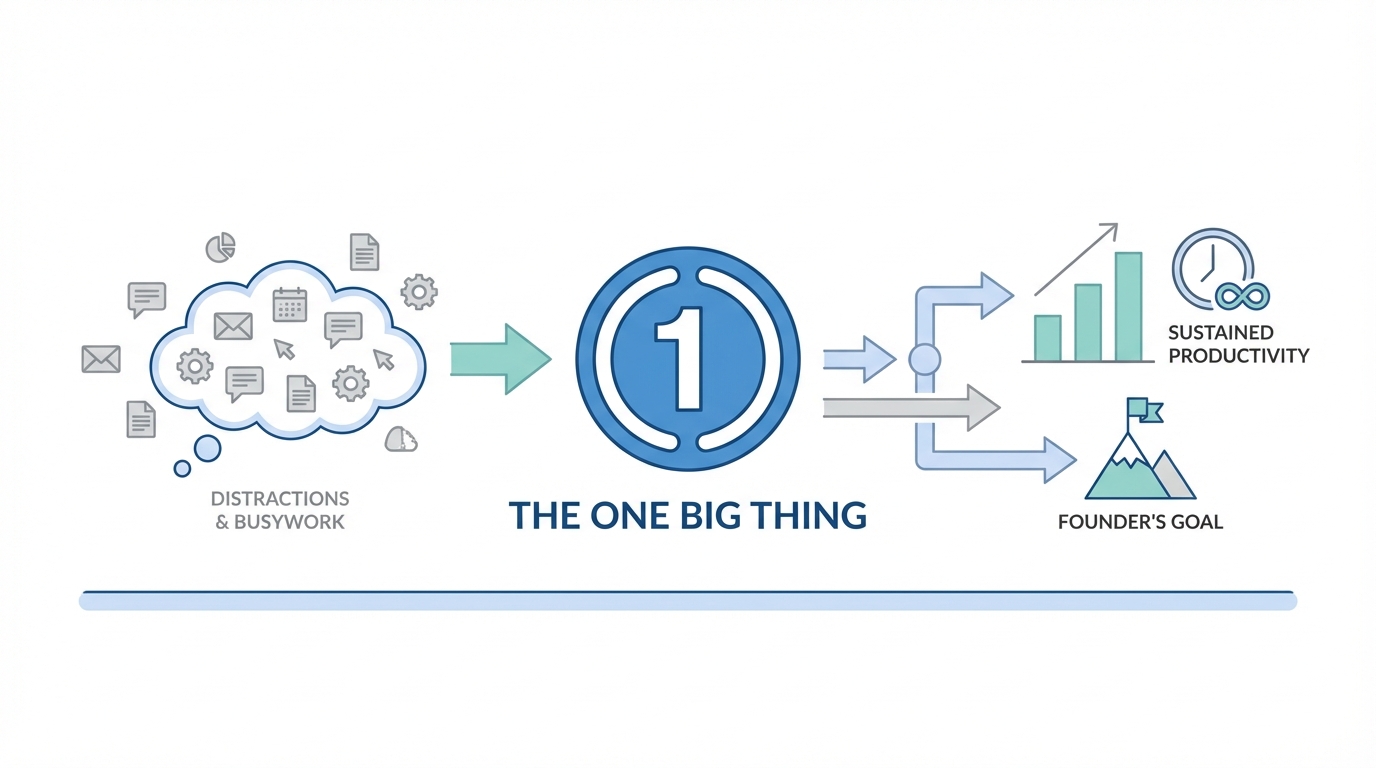
In the high-stakes world of entrepreneurship, the most dangerous myth is that more is better. More revenue streams, more meetings, more hustle, and more companies. We have been conditioned to believe that the "grind" is a badge of honor, yet many founders find themselves running faster while staying in the same place. The reality is that peak performance isn't about doing everything; it’s about doing the right thing with relentless focus. This guide explores the One Big Thing Method, a founder focus framework based on the principles in The ONE Thing by Gary Keller and Jay Papasan, designed to prioritize long-term consistency over the short-term burnout cycles that plague the modern CEO.
The One Big Thing Morning Routine: 120 Minutes of Deep Work
The core of this method is simple yet difficult to execute: dedicate the first 120 minutes of your workday to one single, high-impact task. Before you check your notifications, before you open your inbox, and before you look at the news, you must commit to deep work for founders. Most time management for entrepreneurs fails because it is reactive. By the time you’ve answered three "urgent" Slack messages, your cognitive energy is already depleted.
Instead, identify the one project that, if completed, would make everything else easier or unnecessary. For some, this is building a new sales script; for others, it is analyzing the performance of app install campaigns on Meta Ads Manager. Whatever it is, lock your door, turn off your phone, and dive in. If you do this for 365 days, you will have completed 365 major milestones while your competition is still triaging their inbox.
The Fallacy of the Multi-Business Portfolio: Why HoldCos are Overrated
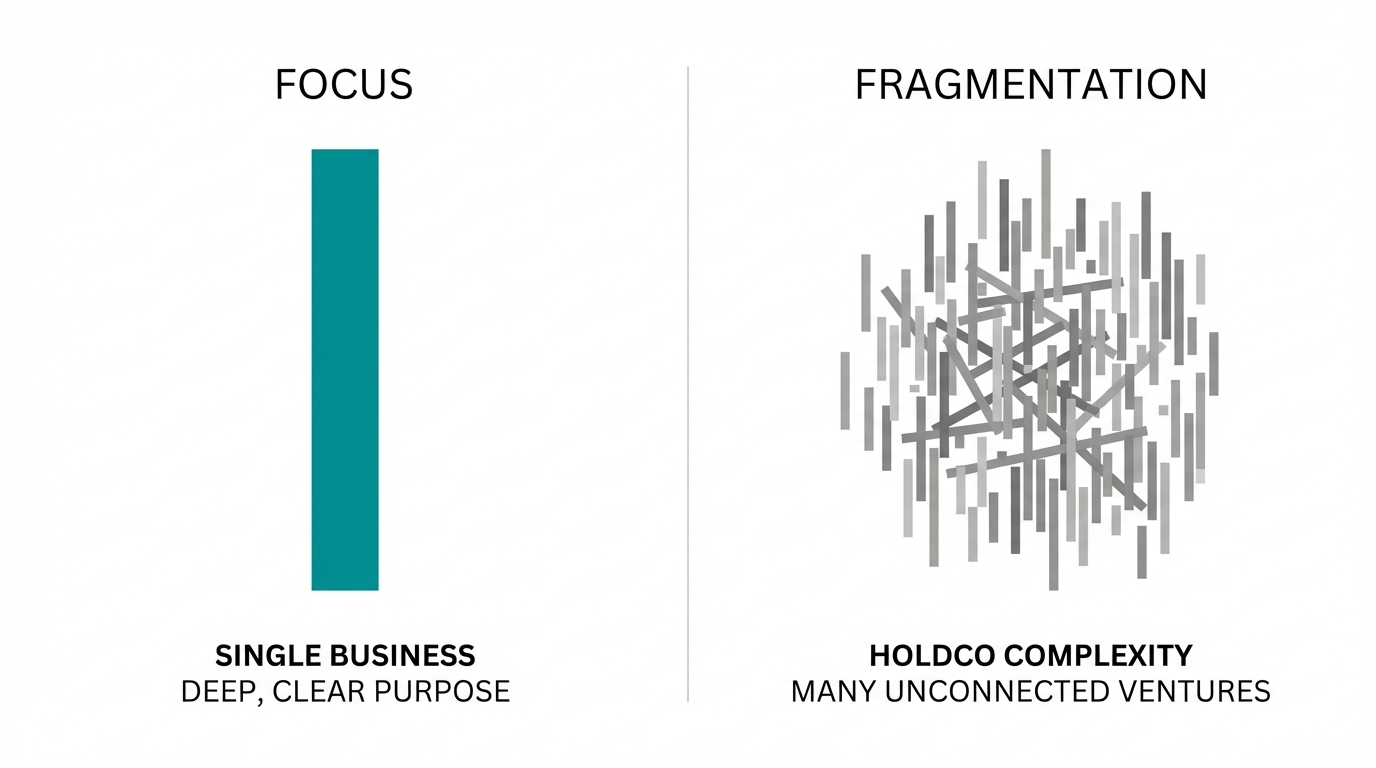
In recent years, the "HoldCo" model has become a siren song for entrepreneurs. The idea of owning a portfolio of 10+ businesses sounds like the ultimate path to diversification and wealth. However, as experienced founders like Nick Huber have discovered, scaling one business vs many is often the superior path to actual cash flow. Huber, who at one point managed 11 different companies, eventually realized that business is hard and that managing multiple executive teams is a recipe for mediocrity across the board.
When you split your focus, you aren't just splitting your time; you are multiplying your problems. Every company has its own "one big thing" that needs solving, and as the CEO, the most difficult issues inevitably bubble up to you. Instead of managing ten sources of problems, focusing on one allows you to build a deep moat. This is where platforms like Stormy AI become invaluable; rather than trying to manage an entire creator agency yourself, using AI-powered tools allows you to keep your core team lean while scaling output.
Peter Thiel’s Rule: The Hidden Sign of a Lack of Focus

One of the most profound lessons in ceo productivity hacks comes from Peter Thiel, the legendary investor and co-founder of PayPal. In his Stanford lectures, Thiel noted a common "poker tell" among failing startups: they boast about having seven or eight different revenue streams. To the untrained eye, this looks like stability. To Thiel, it indicates that the company does not have one great revenue stream.
The same applies to distribution. High-growth companies usually find one channel that works exceptionally well—be it Google Ads for search intent or discovering influencers for app marketing through Stormy AI's automated platform. If you are trying to win on every platform simultaneously, you are likely failing to master the nuances of any of them. Success is found by doubling down on the winner, not by hedging your bets across losers.
The Tortoise and the Hare: Sustainable 50-Hour Weeks
The entrepreneurial community often glorifies 80-hour work weeks and sleeping in the office. While this might be necessary for a 72-hour sprint, it is unsustainable for a 20-year career. True time management for entrepreneurs is about finding an "even-keeled" pace. A founder who works 50 focused hours every single week for a decade will always outperform the founder who works 100 hours for six months and then disappears for three because they are burned out.
Think of it as the "Tortoise and the Hair" philosophy. The hair has intensity, but the tortoise has systems and leverage. If you feel the need to work 80 hours just to keep the lights on, it is a sign that you don't have a founder focus framework; you have a management problem. You might be ignoring the hard decisions, like cutting underperforming ad sets on Apple Search Ads, in favor of "busy work" that makes you feel productive but doesn't move the needle.
The Power of Saying 'No' to Great Ideas
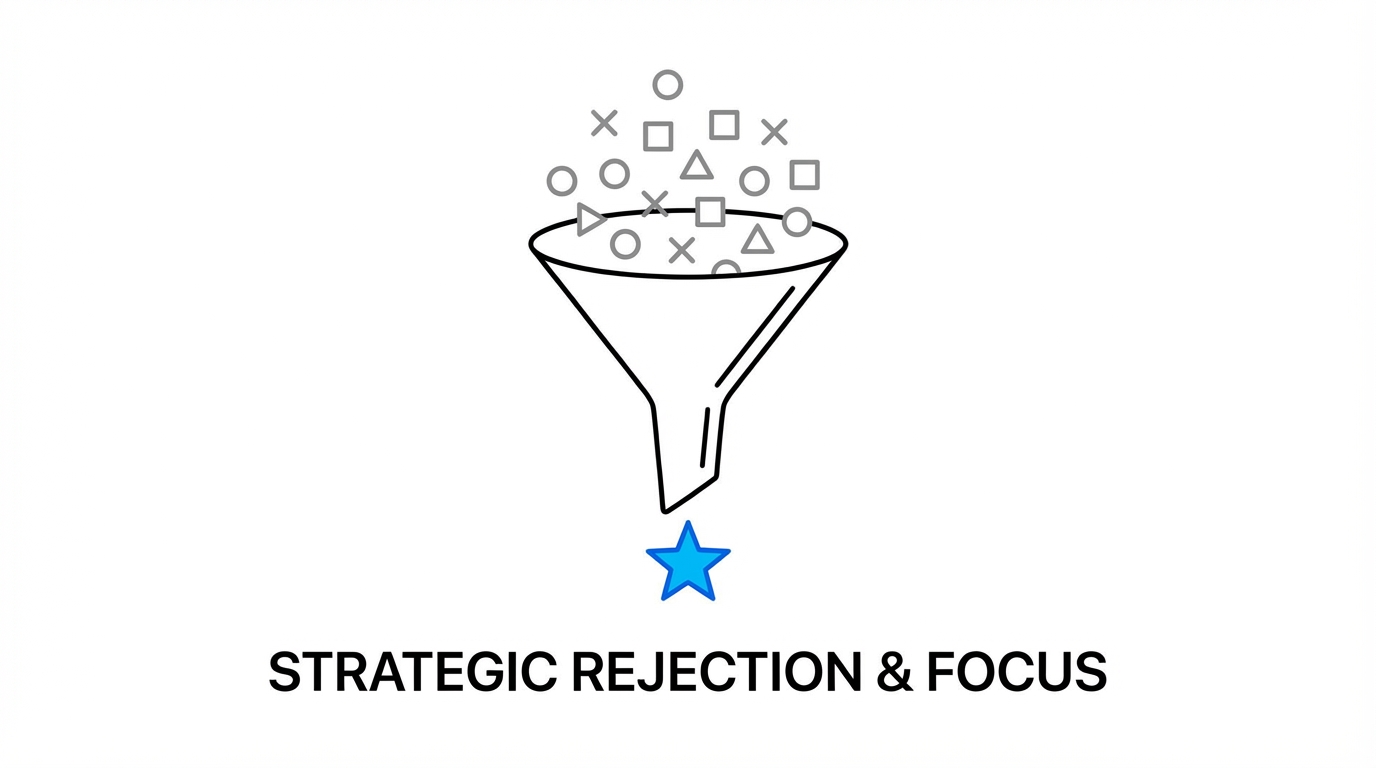
As Steve Jobs famously said, focus is not about saying yes to one thing; it’s about saying no to a hundred other good ideas. This is one of the hardest ceo productivity hacks to master because high-achieving founders are naturally creative. You will constantly see opportunities: a new influencer strategy, using Stormy AI to handle your automated outreach, a potential acquisition, or a shift into a new niche like UGC for mobile app ads.
However, every "yes" to a new idea is a "no" to your current focus. A classic example is a brand reaching $100k/month on Facebook ads and immediately wanting to switch to influencer marketing. If Facebook ads can get you to $300k/month, why would you distract yourself with a new, unproven channel? Stay single-mindedly focused on the primary driver of your growth until it is fully saturated. Only then should you look for the next mountain to climb.
The Playbook for Scaling with Global Talent
To protect your time and maintain your focus, you must learn to delegate. But how you delegate matters. Many founders make the mistake of hiring expensive local talent for roles that could be handled more efficiently by global specialists. By leveraging talent in hubs like the Philippines via OnlineJobs.ph, South Africa, or Colombia, you can build a high-performing executive team at a fraction of the cost.
Step 1: The Typing Speed Filter
When hiring for any remote role, whether it's an executive assistant or a performance marketer, start with a simple hurdle. 85% of applicants cannot type 35 words per minute or higher. If they can’t use their primary tool (the computer) efficiently, they won't be able to keep up with your pace. Use a typing speed test as your first automated filter on LinkedIn to save hours of manual review.
Step 2: The One-Minute Video Intro
Instead of jumping into interviews, ask the remaining candidates to send a one-minute video introducing themselves. This tests for professional maturity, communication skills, and the ability to follow instructions. 80% of people will not do the work, effectively filtering for those who are actually serious about the role.
Step 3: Task-Based Assessments
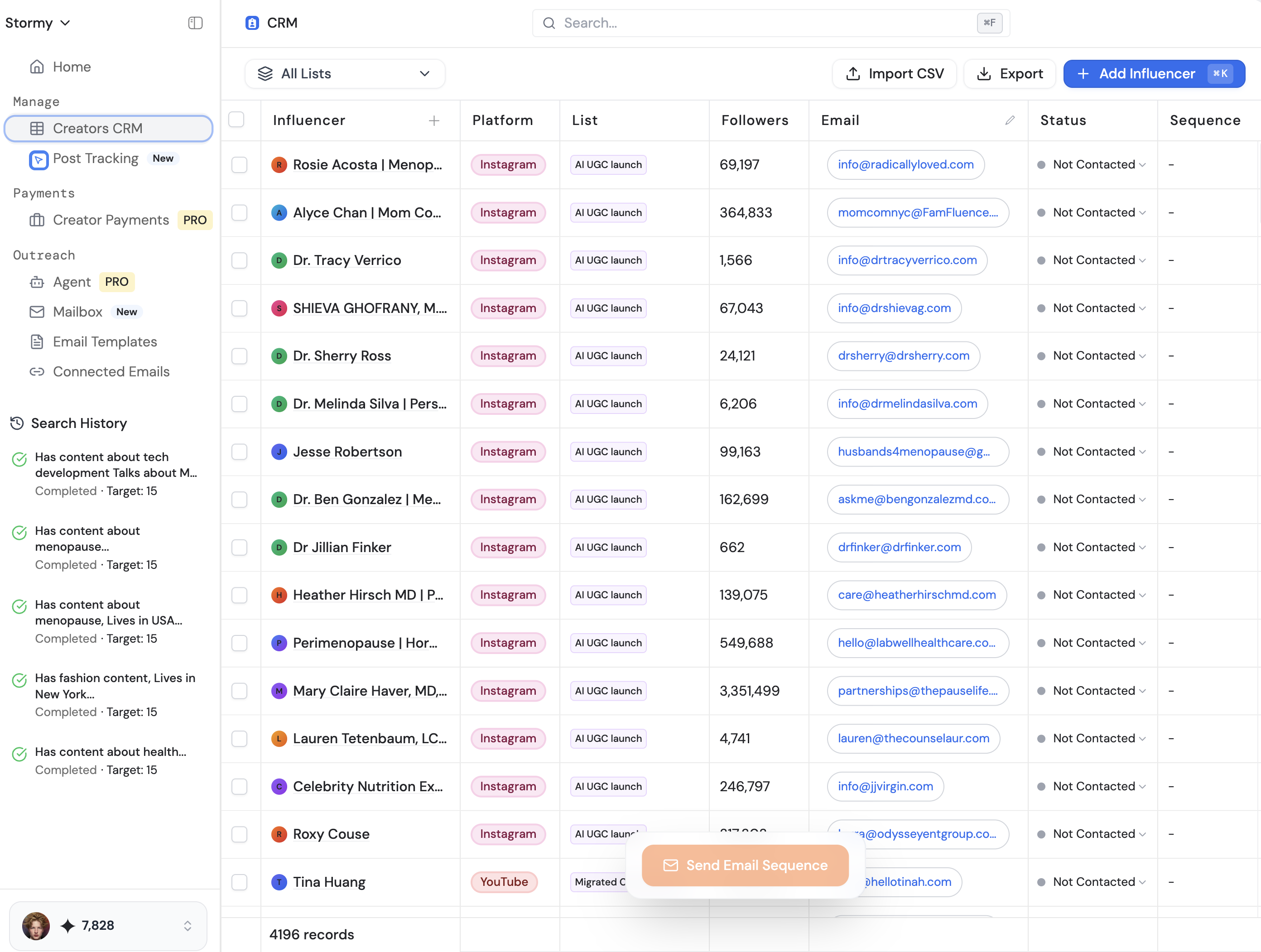
Never hire based on a chat. Give them a 60-90 minute paid task that simulates the actual work. If you are hiring someone to help with UGC for mobile app marketing, have them research 10 creators on Stormy AI, an AI-powered platform for creator discovery, and explain why they fit the brand’s persona. This gives you an objective way to compare production quality rather than just "vibes."
Conclusion: The Durability of One Big Thing
In a world obsessed with AI-powered creator search and rapid-fire "hacks," the ultimate competitive advantage remains durability over time. The One Big Thing Method is more than just a morning routine; it is a philosophy that values the sustained burn over the temporary flash. By limiting your revenue streams, saying no to distractions, and building a lean global team, you can escape the burnout cycle and build something that lasts.
The goal is to stop being the founder who works the hardest and start being the founder who thinks the clearest. Identify your one big thing today, give it your first two hours tomorrow, and watch the compound interest of focus transform your business.