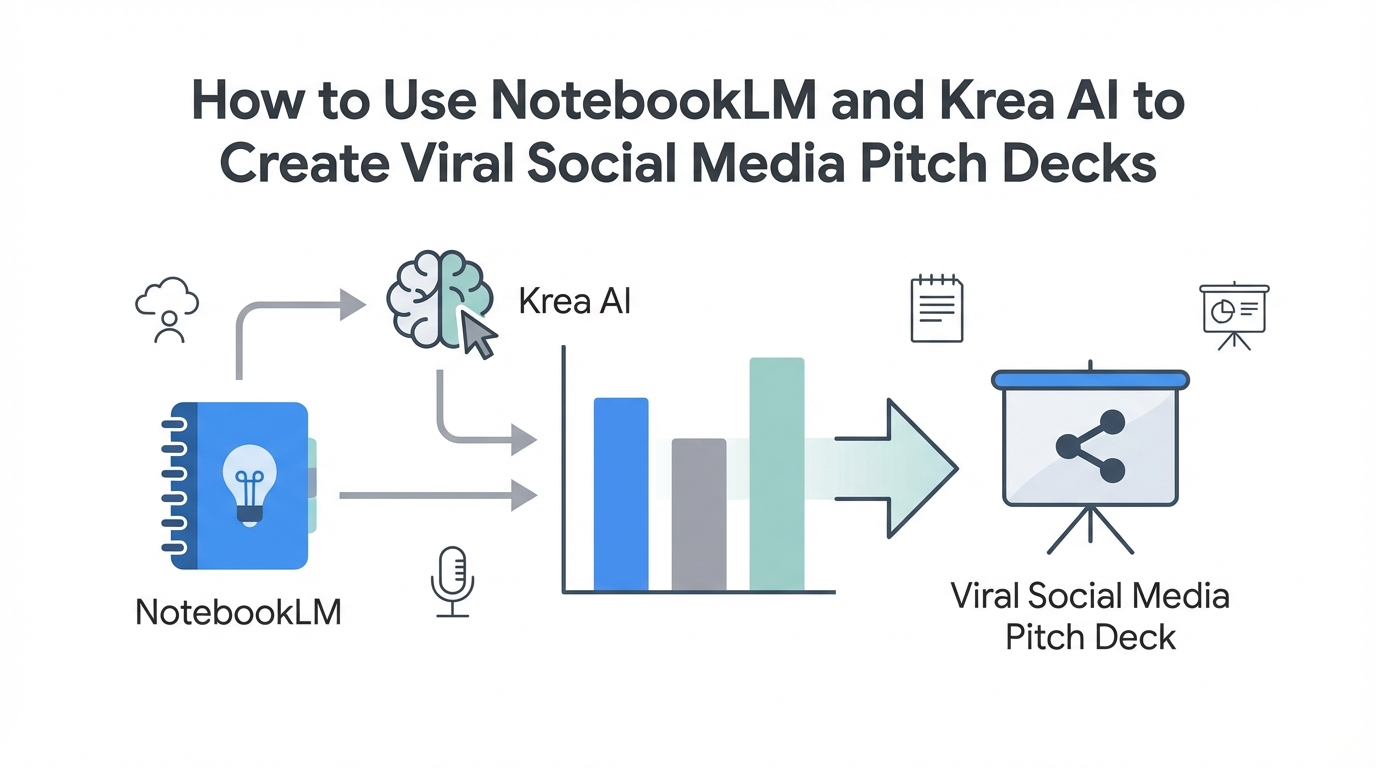
In the fast-paced world of social media marketing, the ability to turn an idea into a high-fidelity visual proposal in under an hour is the ultimate competitive advantage. For years, creators and agencies have struggled with the manual labor of research and the technical hurdles of high-end graphic design. However, a new wave of "agentic" AI tools is changing the game. By leveraging under-the-radar features like the Google NotebookLM slides generator and the creative models within Krea AI, you can now produce viral-worthy pitch decks that look like they were designed by a full-scale creative agency.
The shift we are seeing today isn't just about faster typing; it's about specialized task delegation. Recent leaks from Testing Catalog suggest that industry leaders like Anthropic are already moving toward a "multifaceted task delegation interface." This means we are moving away from simple chat boxes and toward dedicated buckets for research, analysis, and building. This article will show you how to build that future today by combining the research power of Google with the visual mastery of Krea.
Step 1: Using Google NotebookLM to Turn Research Into Structure
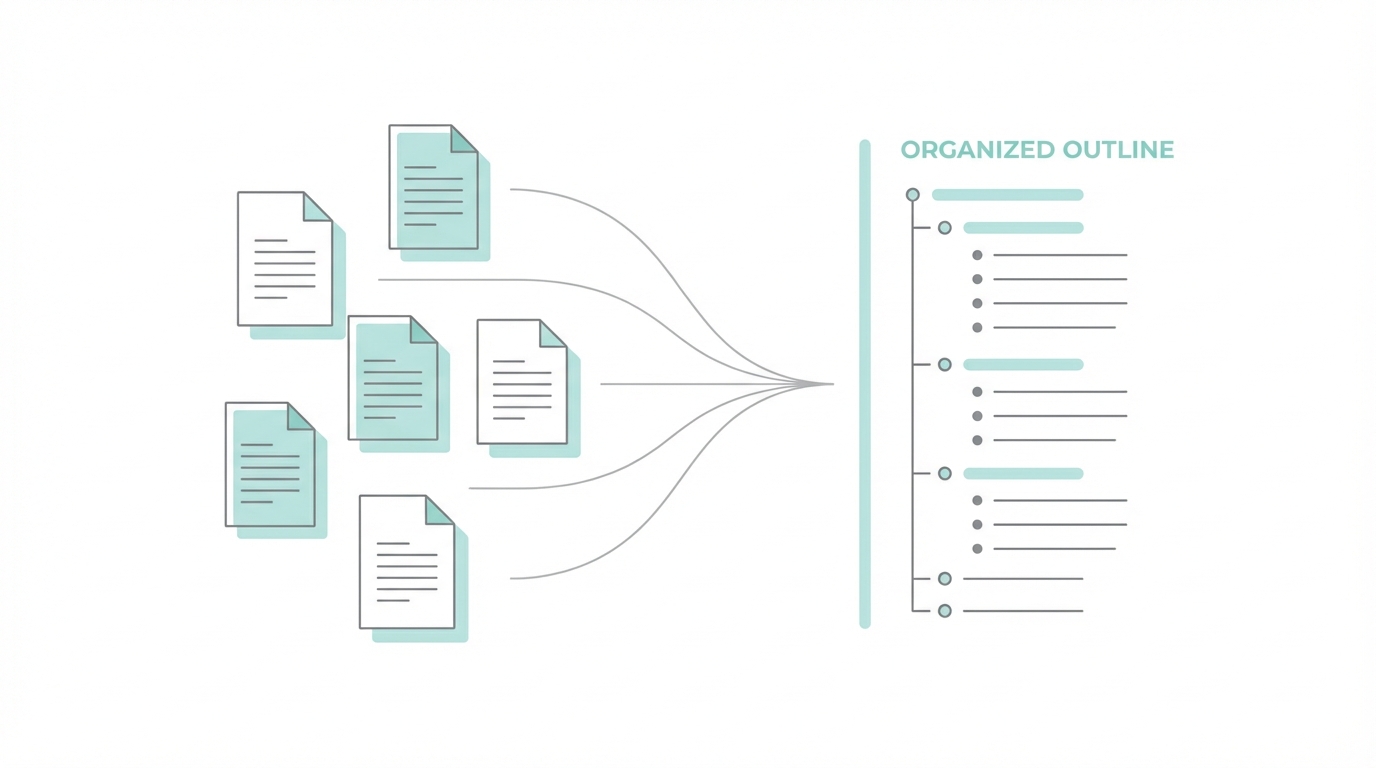
The foundation of every winning pitch deck is solid data. Most creators start with a blank page, but the pros start with a source. Google NotebookLM has revolutionized how we process information by allowing us to upload massive amounts of context—ranging from PDFs and blog posts to YouTube transcripts—and instantly synthesize them into usable insights.
Imagine you are pitching a campaign for a trending niche like Hyrox. According to search data from Idea Browser, Hyrox has seen a staggering 5,525% growth in the last five years [source: Exploding Topics] with surprisingly low competition. Instead of manually watching hours of fitness videos to understand the culture, you can simply feed the transcripts of top Hyrox competitions and athlete interviews into NotebookLM. The AI will then act as your research assistant, pulling out the most painful problems athletes face and the specific language they use.
Step 2: Leveraging the New 'Slides' Feature for High-Hierarchy Design
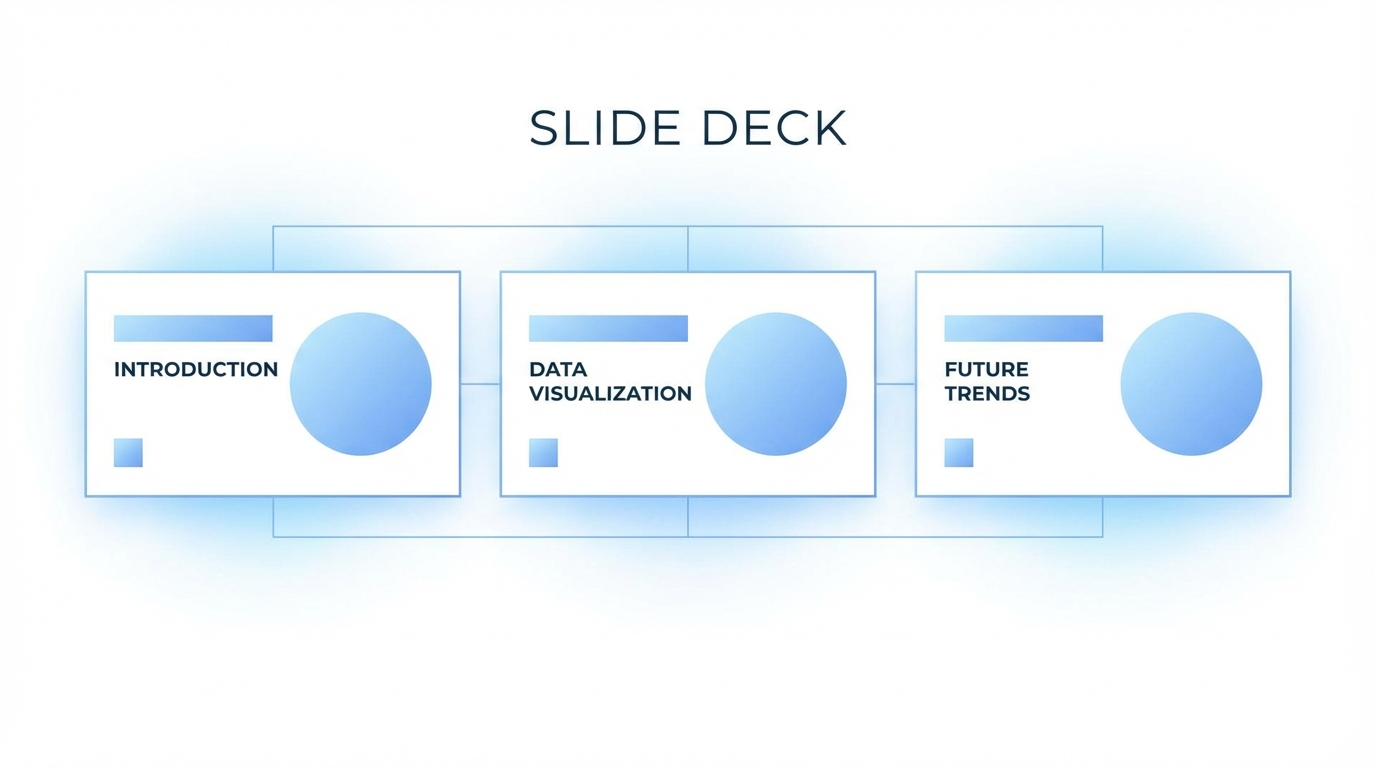
Once your research is compiled, the hardest part is often the information design—deciding what goes on which slide and how to maintain a logical flow. This is where the Google NotebookLM slides feature becomes a secret weapon. While many use NotebookLM just for its "Audio Overview" (the viral podcast generator), its ability to create structured AI infographics and slide decks is vastly underrated by most social media strategists.
After you have analyzed your source material, you can prompt the tool to "Generate a campaign proposal slide deck based on the key insights." The tool doesn't just give you a wall of text; it creates a clear information hierarchy. It separates the problem statement, the market opportunity (like that massive growth in fitness trends), and the proposed solution into visually distinct sections. This allows you to focus on the strategy while the AI handles the layout logic.
Step 3: Visual Mastery with Krea AI

A pitch deck is only as good as its visuals. If you want to stand out, you cannot rely on generic stock photos. This is where Krea AI comes in. Unlike standard image generators, Krea functions as a creative suite that integrates multiple high-end models, including 3D creative models and real-time enhancement tools.
Why Krea AI vs. Topaz?
Many social media managers have traditionally used tools like Topaz Labs for upscaling and sharpening blurry creator content. While Topaz remains a powerhouse for technical optimization, Krea AI offers a more creative, generative approach. Krea allows you to take a basic sketch or a low-resolution photo and transform it into a high-fidelity 3D render or a stylized campaign asset. This is essential when you are trying to show a brand what a potential UGC (User-Generated Content) video might look like before you have even filmed it.
When searching for the right aesthetic, tools like Stormy AI can help you identify what kind of visual content is currently performing best for specific niches, ensuring that your Krea-generated visuals are aligned with current market tastes. Integrating these high-quality assets into your deck instantly signals to a brand that you are operating at a professional level.
Step 4: The 30-Minute Influencer Campaign Proposal Playbook
Building a professional influencer campaign proposal doesn't have to take days. Follow this step-by-step playbook to go from zero to finished deck in under 30 minutes:
Step 1: Source the Trend
Use a tool like Idea Browser to find a high-growth, low-competition niche. For example, if you see that "hotel AI concierges" or "indoor fitness competitions" are trending, that is your hook. Copy the URLs of the top 3-5 YouTube videos or articles discussing this trend.
Step 2: Research with NotebookLM
Upload those URLs into Google NotebookLM. Use the prompt: "Identify the top 3 pain points of the audience in these sources and suggest a campaign strategy that solves them."
Step 3: Generate the Slide Deck
Use the NotebookLM 'Slides' feature to organize these insights into a 10-slide deck. Ensure you include a slide on the market opportunity and the suggested content pillars.
Step 4: Create Visual High-Fidelity Mockups
Take your campaign ideas to Krea AI. Generate 2-3 "hero images" that represent the vibe of the campaign. If you are pitching a fitness brand, generate a 3D render of a high-tech training facility or a stylized action shot of an athlete.
Step 5: Find Your Influencers
A pitch is incomplete without showing the brand who will carry the message. Use Stormy AI to discover creators who match the audience profile you identified in Step 2. Add their profile snapshots and engagement metrics to your final slides to prove you have a ready-to-go distribution network.
Step 5: Refining Your Pitch with the "Thousand People" Framework
Even the most beautiful deck will fail if it targets the wrong people. To ensure your campaign resonates, you must apply the Thousand People Framework. Instead of trying to reach millions, focus on the 1,000 people who are the exact Ideal Customer Profile (ICP) for the brand you are pitching.
Ask yourself these three questions before sending your deck: 1. Who are the 1,000 people most likely to buy this? 2. What would they pay $50-$100 for every single year? 3. How do I reach all 1,000 of them at once? Use an LLM like ChatGPT or Google Gemini to build personas for these people. Understand their daily routines, their frustrations, and what they love about their current lifestyle. When you present your pitch deck, you aren't just selling "views"; you are selling a direct line to these 1,000 highly-motivated individuals.
Conclusion: The Agentic Advantage
The barrier to entry for creating world-class marketing materials has never been lower. By combining the structured intelligence of Google NotebookLM with the creative power of Krea AI, you can produce viral-worthy social media pitch decks in a fraction of the time it used to take. This "agentic" approach allows you to spend less time on the "doing" and more time on the "thinking"—the strategy and the clarity that actually drive business success.
As you move forward into 2025 and 2026, remember that clarity is your most valuable asset. Whether you are building a mobile app on Shopify, launching a UGC campaign, or pitching a legacy brand, using the right AI tools will increase your probability of success. Start experimenting with these workflows today, and watch your win rate soar.