In the rapidly evolving landscape of 2026, the barrier between a great idea and a profitable software product has all but vanished. You no longer need a computer science degree or a million-dollar seed round to launch a high-margin tech company. Consider the case of Sheets Resume, a side project that scaled to $20,000 in monthly revenue within just its second month of operation. What makes this feat remarkable isn't just the speed, but the architecture: it is a lean, AI-driven machine boasting 90% net margins, built by a founder who doesn't write code.
This non-technical founder AI guide explores how entrepreneurs are leveraging the API-first economy to turn domain expertise into scalable software. By strategically partnering with platforms like OpenAI and Gemini, the modern founder acts more like an orchestrator than a builder, focusing on vision, distribution, and proprietary data rather than syntax and servers.
The 2026 Brand Identity Map: Why Vision Precedes Development
Learn the importance of differentiation and building a distinct brand identity for future success.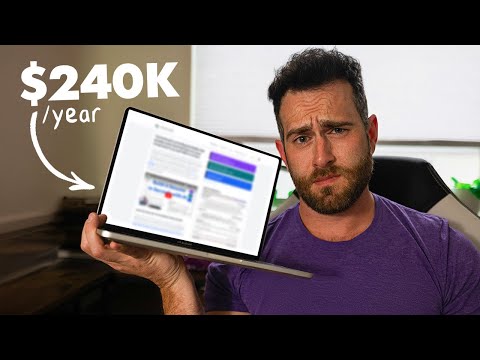
Before touching a single line of an API or hiring a developer on Upwork, successful founders in 2026 start with a Brand Identity Map. This is a foundational document that defines the soul of the business. As Colin Macintosh, founder of Sheets Resume, highlights in his Starter Story interview, the vision must be crystal clear before the technology is even considered.
A Brand Identity Map isn't a fluff document; it is a technical requirement for AI alignment. It outlines how the brand talks, who it serves, and what core problems it solves. Without this, your AI-generated outputs will be generic and forgettable. Organizations like Techstars offer frameworks for this, but the goal is simple: build AI apps without coding by first building the logic in plain English.
- Demographics: Who is your exact target user?
- Voice and Tone: Is your AI helpful, sarcastic, professional, or empathetic?
- Value Propositions: What are the 5-7 ways your product is better than the status quo?
- Engagement Strategy: How will the product feel during the first 30 seconds of use?
"The brand identity map is the document I recommend everyone do first. You should not use AI for this—it must come from your unique human vision."Recruiting a Technical Co-Founder Through Manual Proof
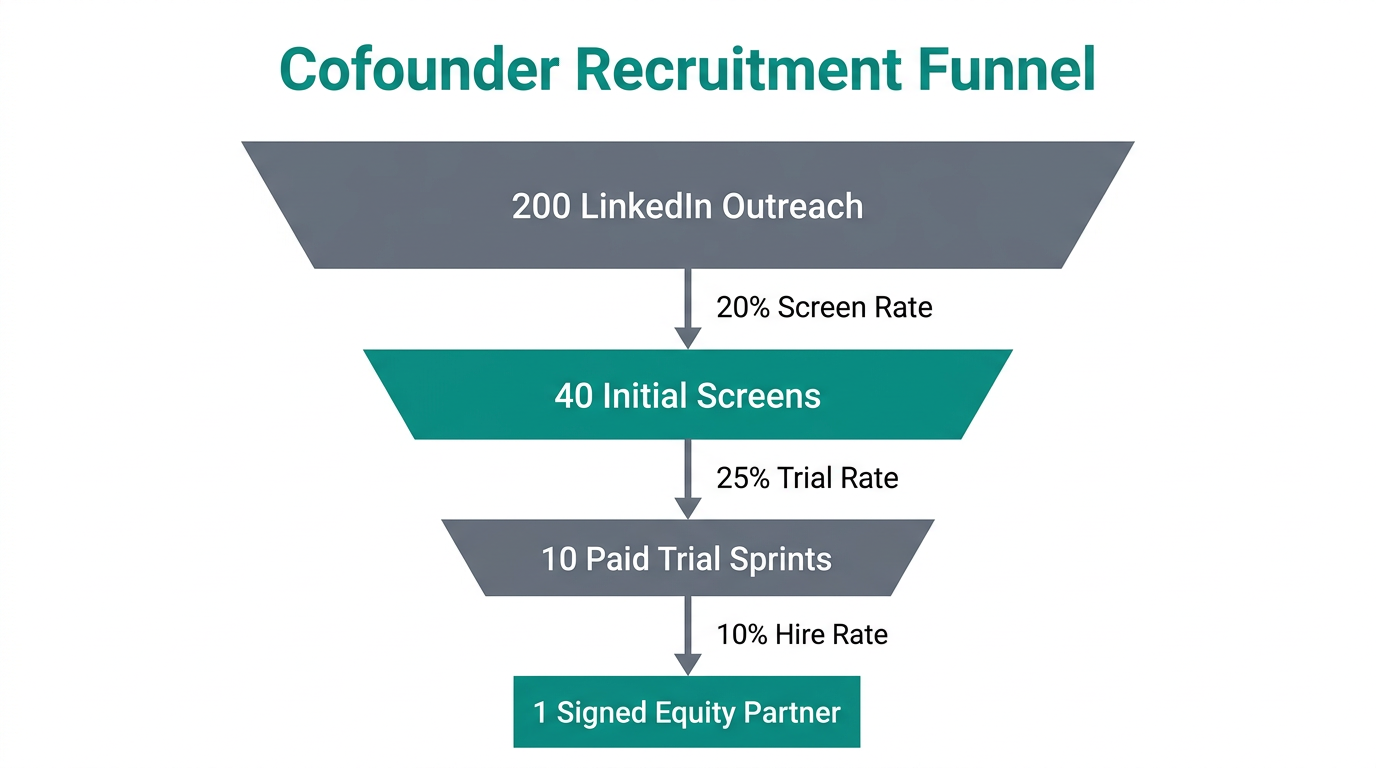
A common mistake non-technical founders make is trying to recruit a developer with just an idea. In 2026, developers are flooded with requests to "build the next big thing." To stand out, you must prove demand through manual execution—a process often called "doing things that don't scale."
Colin Macintosh didn't start with a website; he started by providing free resume advice on Reddit. After answering over 20,000 questions manually and seeing his advice hit the top of Google Search, he had the leverage needed to attract a high-level engineer. When you can show a developer that you already have 1,000 people begging for a solution, the conversation shifts from "can you build this for free?" to "how do we scale this existing demand together?"
| Founder Type | Approach to Recruitment | Success Rate |
|---|---|---|
| Idea-Only Founder | Asks for "equity only" builds with no data. | Low |
| Validated Founder | Shows manual revenue or 500+ organic leads. | High |
| Stormy AI User | Uses influencer discovery to prove market reach. | Very High |
Leveraging OpenAI and Gemini Ventures for 90% Net Margins
Understand how to achieve high profit margins when launching your own AI-powered business ventures.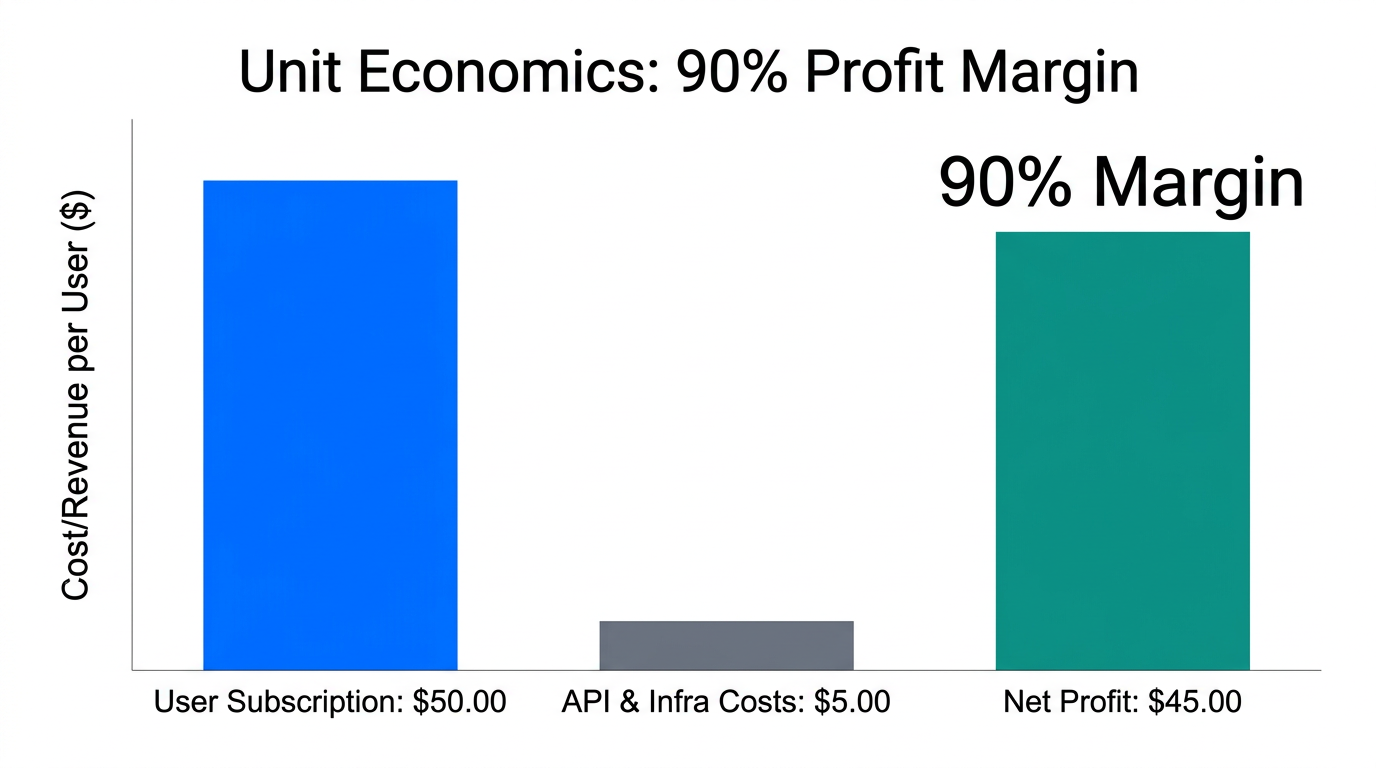
The AI startup unit economics of 2026 are unprecedented. In previous eras, software margins were squeezed by heavy server costs and massive engineering overhead. Today, by using Gemini business applications and OpenAI for entrepreneurs 2026, the cost of "intelligence" has plummeted.
At Sheets Resume, the pricing model—$99 for lifetime access or $29 for a week—allows for massive upfront cash flow. Because OpenAI credits are currently priced for user acquisition, the cost to process a single resume is measured in fractions of a cent. This allows for nearly 100% gross margins, which, after accounting for marketing and minor overhead, results in 90% net profit. For a non-technical founder, this means you can reinvest heavily into growth or UGC creator campaigns to further fuel the fire.
"Right now you can get OpenAI credits dirt cheap. They are doing user acquisition... this opportunity won't last forever, so you must move quickly."Training AI on Proprietary Expertise Without Code
Discover how leveraging proprietary expertise and user data creates a unique advantage for AI products.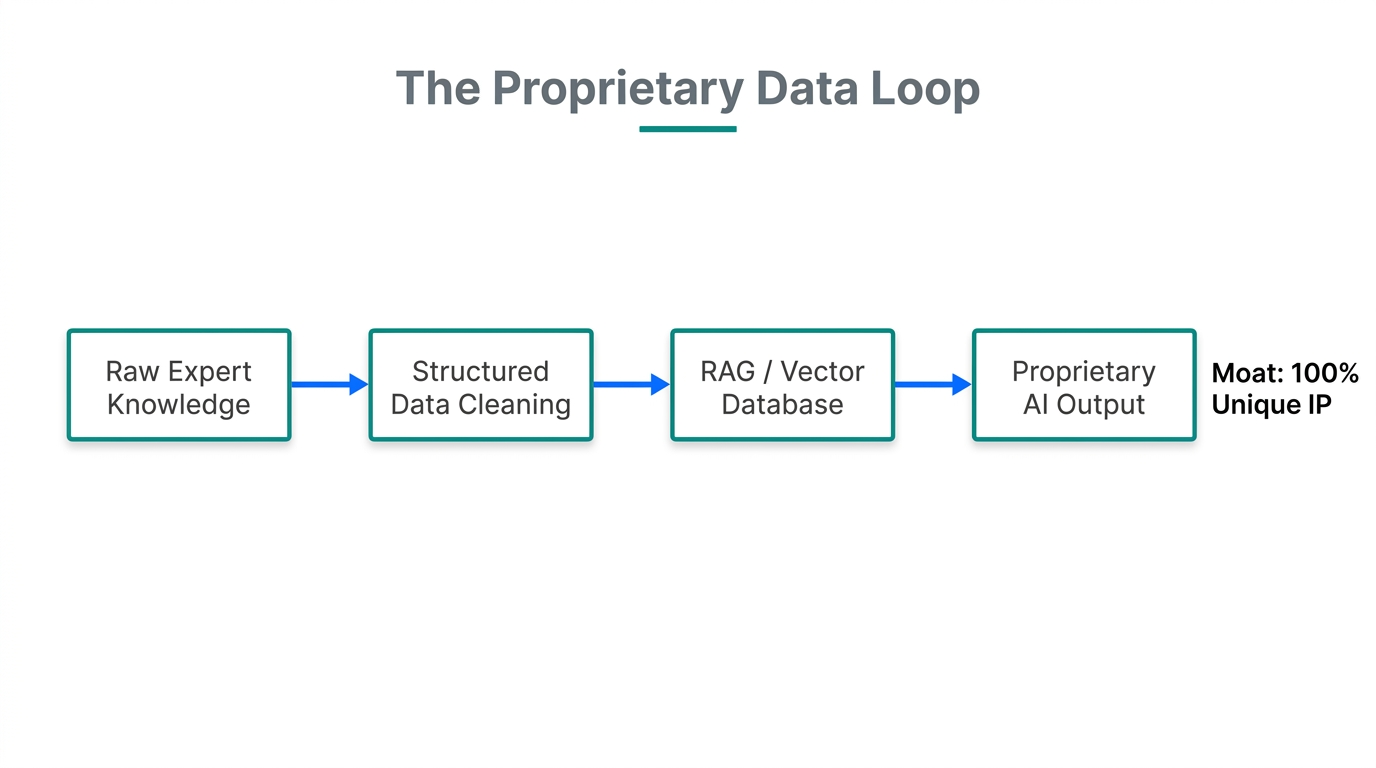
The secret to why Sheets Resume succeeded where other "AI builders" failed is in the training. You don't need to be a data scientist to train an LLM (Large Language Model) in 2026. You simply need to be a subject matter expert who can provide the model with a clear set of "rules."
Colin Macintosh took his years of recruiting experience and translated it into a set of logic blocks. For example: "If a resume has more than three bullet points per job, flag it as too wordy. If it lacks quantitative results (e.g., increased revenue by 20%), prompt the user to add data." By feeding these specific instructions into the OpenAI API, the AI begins to think exactly like the founder. This is how you build an AI app without coding—you are coding with human logic and language instead of Python or Javascript.