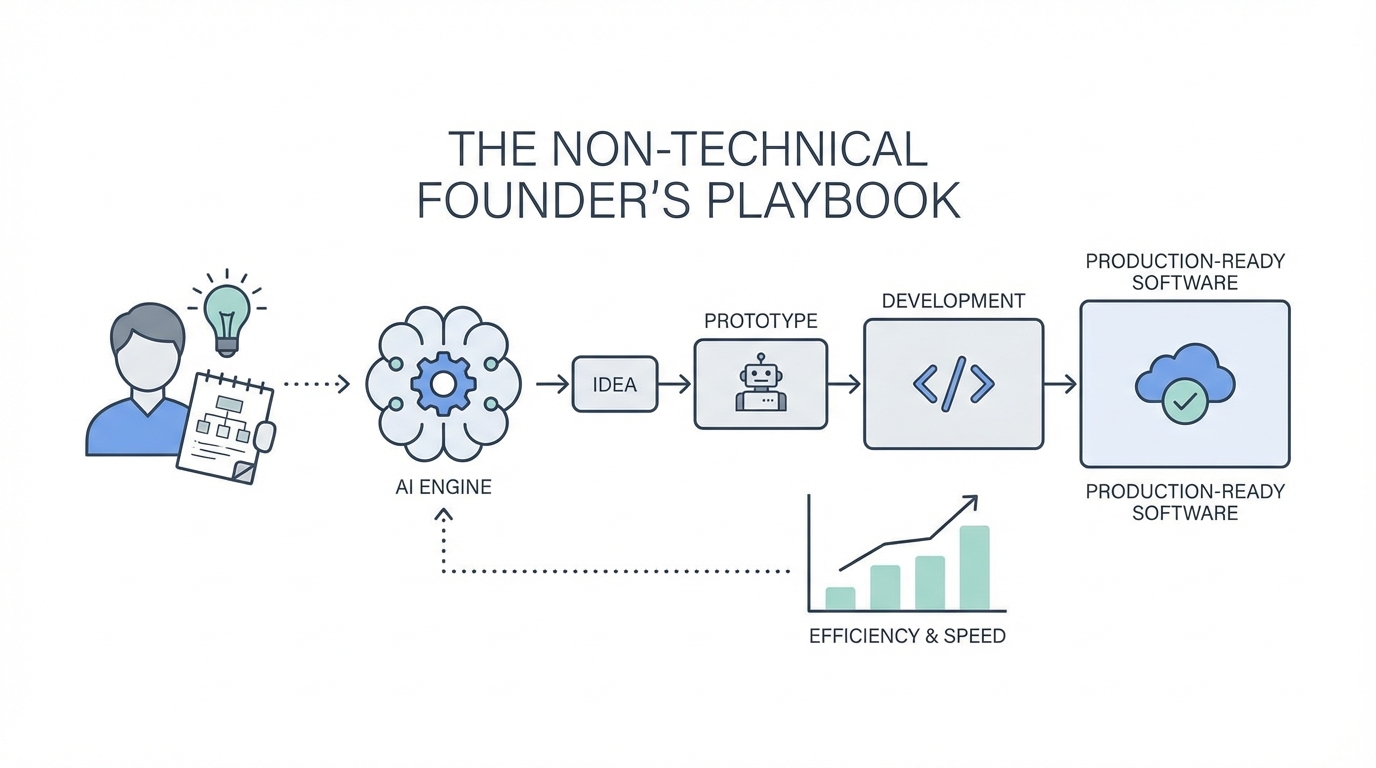
For years, the barrier to entry for starting a software company was a computer science degree or a six-figure engineering budget. But as we move toward the landscape of build an app without coding 2026, that wall has crumbled. We have entered the era of the "Idea Guy," where the ability to articulate a vision is becoming as valuable as the ability to write syntax. This isn't just about "no-code" drag-and-drop builders; it is about vibe coding strategy—using high-level AI agents to architect, code, and deploy complex full-stack applications through natural language conversation.
The Audacity Gap: Shifting Your Mindset
The biggest hurdle for non-technical founders isn't the technology—it is the "Audacity Gap." Many first-time builders approach tools like OpenAI's Codex or Claude with the expectation that a functional, profitable product will emerge in five prompts. When the AI fails to deliver a polished unicorn on the first try, they quit.
As industry experts often note, software is art and craftsmanship. You must have the audacity to believe you can build it, but the humility to realize it takes iteration. Even with AI, you are moving through alpha, beta, and final versions. To bridge the Audacity Gap, you must shift from a "one-and-done" mentality to one of iterative software development. A landing page is easy, but software that people pay for requires planning, testing, and the patience to go back and forth with your AI agent until the logic is bulletproof.
Choosing Your Stack: The Vibe Coding Tier List
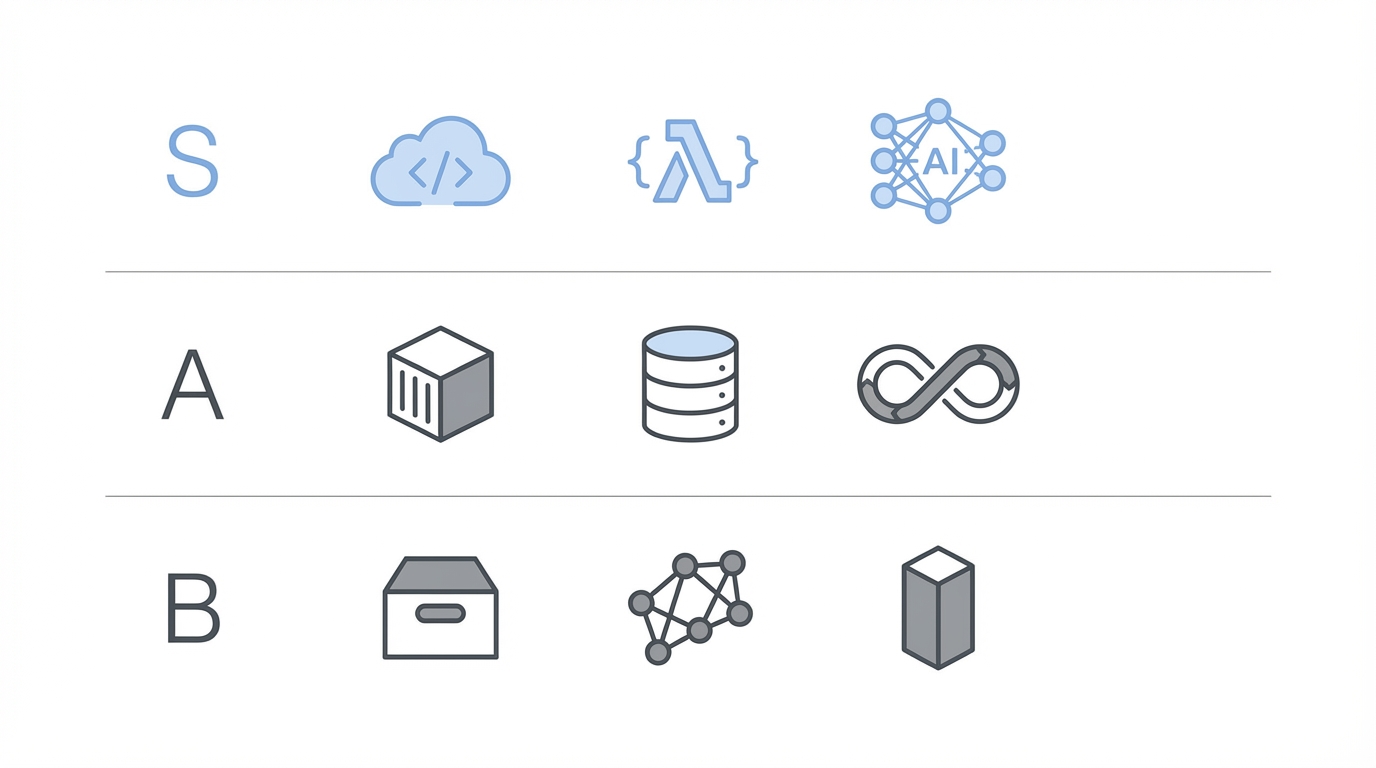

Not all AI coding tools are created equal. Depending on your technical comfort level, your choice of platform will determine whether you launch in a week or get stuck in "tutorial hell."
- S-Tier: Cursor. Widely considered the gold standard for high-will builders. While Cursor is technically an IDE (Integrated Development Environment), its "Plan Mode" allows non-technical users to brainstorm and execute complex changes across an entire codebase. It has a massive community and better documentation than almost any competitor.
- A-Tier: V0 and Replit. If you are looking at how to use v0 for startups, you are prioritizing UI/UX. Vercel’s v0 is incredible for generating polished components and integrating them into a professional ecosystem. Meanwhile, Replit offers a powerful "Agent Mode" that can build apps from scratch in 15-20 minutes by handling the backend environment for you.
- B-Tier: Lovable and Bolt. Tools like Lovable and Bolt are excellent for rapid prototyping. They abstract away the headache of connecting databases like Supabase, making them very non-technical friendly, though they may occasionally hit limits with highly custom logic.
One cautionary tale in the industry involves Windsurf. While the tech was promising, internal team shifts and founder departures have led many to suggest that trust in the platform has wavered. When choosing your tool, follow the founders—like Guillermo Rauch at Vercel or Amjad Masad at Replit—and bet on the teams that show long-term stability.
Handling the "Brick": What to Do When AI Fails
In every non-technical software development guide, there is a moment called "The Brick." This is when your AI agent gets stuck in a loop, repeating the same error, or breaks a previously working feature. In the old days, this meant the end of the project for a non-coder. Today, it’s just a debugging session.
When you hit the brick, use natural language debugging. Instead of asking the AI to "fix it," describe the behavior: "When I click the submit button, the console shows a 404 error, and the database isn't updating. Here is the code from my API route. Why is the connection failing?" Tools like Convex have even released showcases like "Chef" to demonstrate how modern backends can make vibe coding more stable by handling state management more gracefully than traditional databases.
The 7-Day AI Startup MVP Playbook
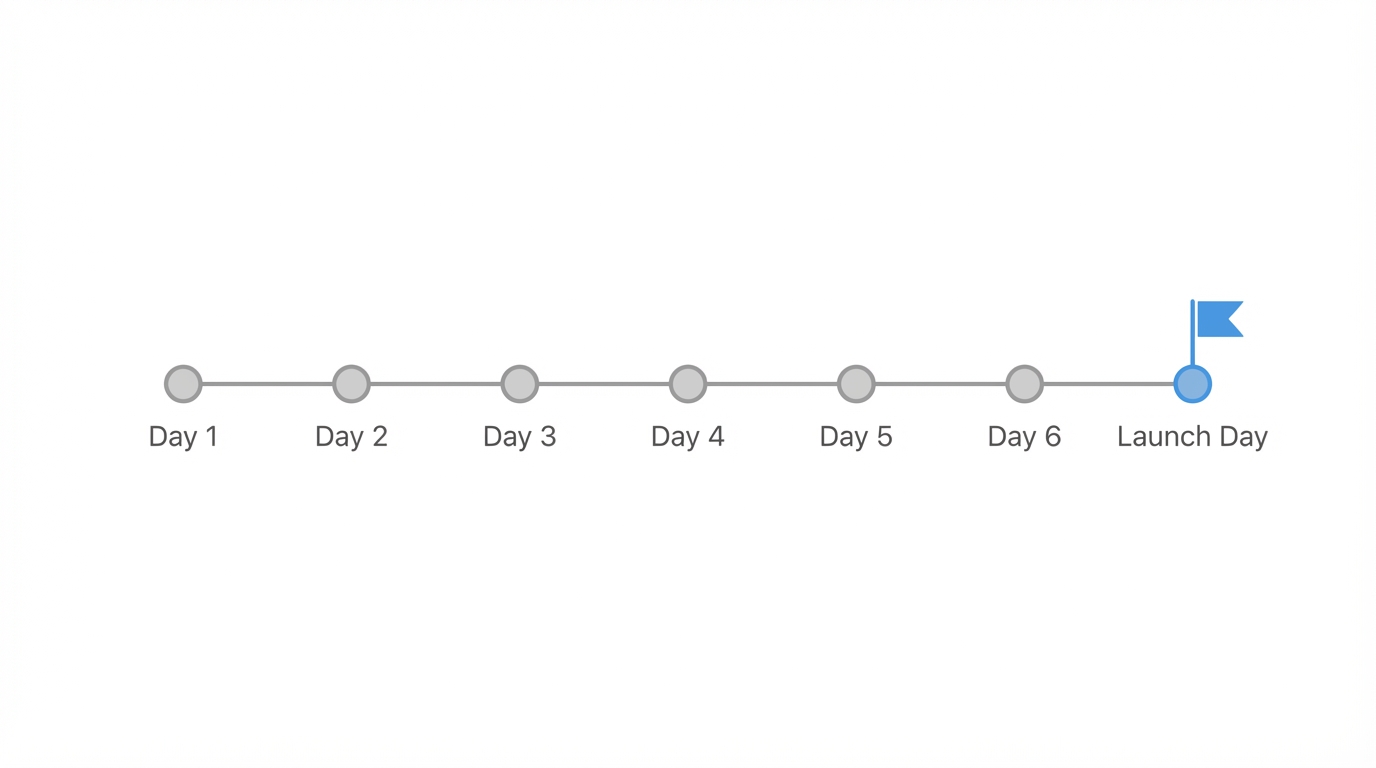
This AI startup MVP playbook is designed to get you from an idea to a live custom domain in one week using Claude Sonnet 3.5 models, which currently rank as the top-performing coding models.
Day 1-2: Scoping and UI Prototyping
Start with Vercel v0. Describe your app’s core screens. Focus on the user flow. Don't worry about the database yet; just get the "vibe" of the application right. If you are building a consumer app, consider if it should be mobile-first. Platforms like Vibe Code App are becoming the "Lovable for mobile," utilizing Expo to deploy to both iOS and Android simultaneously.
Day 3-4: Logic and Backend Integration
Move your UI into Bolt or Cursor. Prompt the AI to connect your frontend to a backend. This is where you set up user authentication and data storage. Use clear, descriptive prompts like: "Set up a Supabase table for 'UserProfiles' with fields for name, email, and subscription_status."
Day 5-6: The Stress Test
Try to break your own app. Invite three friends to use it. When it breaks (and it will), feed the error logs back into your AI. This is the period of iterative craftsmanship that separates founders from hobbyists.
Day 7: Deployment and Sourcing Creators
Move from a preview link to a custom domain. Once your MVP is live, the focus shifts from building to growth. For many modern apps, particularly mobile consumer products, the fastest way to gain traction is through User Generated Content (UGC). Platforms like Stormy AI streamline creator sourcing and outreach, allowing you to find influencers who fit your niche and automate the outreach process while you focus on the next set of software features.
Deployment: From Preview to Profit
The final stage of the vibe coding strategy is moving your project out of the "sandbox" and into the real world. This involves connecting a custom domain and setting up analytics. Don't let your app sit on a `project-name.vercel.app` URL forever. Professionalism breeds trust, and trust breeds paying users.
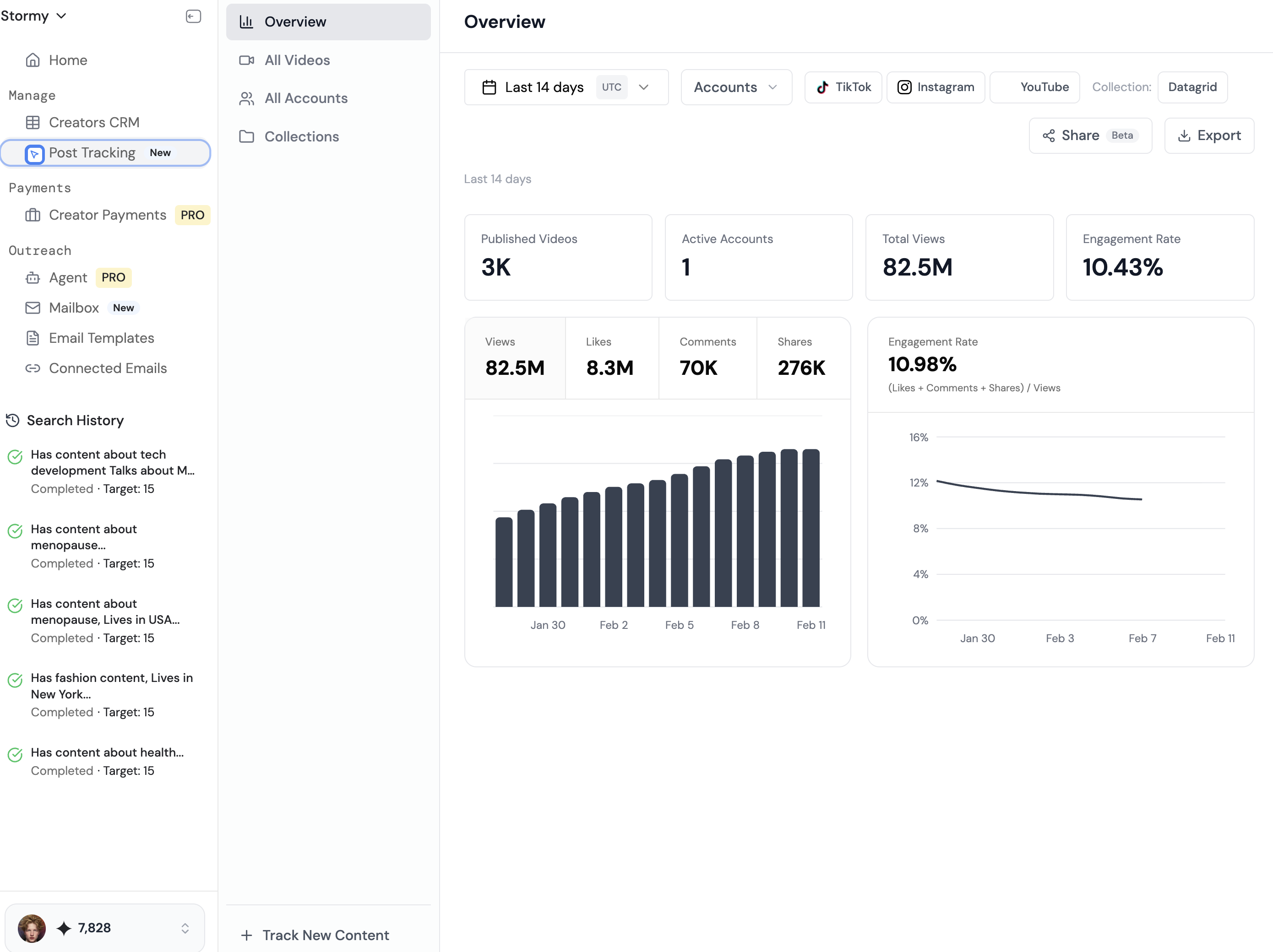
As you scale, you will need to track how people are interacting with your app. Monitoring performance is key. Just as you used AI to build the product, use AI-powered platforms to monitor its success. For example, if your growth strategy involves social media campaigns, using the post tracking and analytics dashboard on Stormy AI can help you see which creator collaborations are actually driving app installs, ensuring your marketing budget is spent as wisely as your development time.
Conclusion: The Era of the Builder
Building a startup in 2026 is no longer about syntax; it is about systems thinking. By utilizing tools like V0 for UI, Cursor for logic, and Claude Sonnet 3.5 for the heavy lifting, the non-technical founder is now a "Product Architect." Remember that great things take time, calculation, and a willingness to learn from mistakes. Start with a clear plan, embrace the iterative process of vibe coding, and use the right tools to bridge the gap between a prompt and a production-ready product. Your idea no longer has to stay an idea—it's time to build.