In the high-stakes world of venture capital and growth marketing, most founders chase the 'sexy' sectors: AI productivity tools, fintech apps, or luxury consumer goods. But in 2026, the most significant wealth is being generated in the spaces everyone else is too afraid to touch. Markets that 'reek of death,' are 'complicated,' and 'smell like urine'—to quote legendary investor Scott Galloway—are where the most robust competitive advantages are built. The exit of NJOY to Altria for $2.2 billion is the ultimate case study in turning a regulatory nightmare into a 30x return.
The Regulatory Moat: Turning Compliance into a Monopoly
 14:42
14:42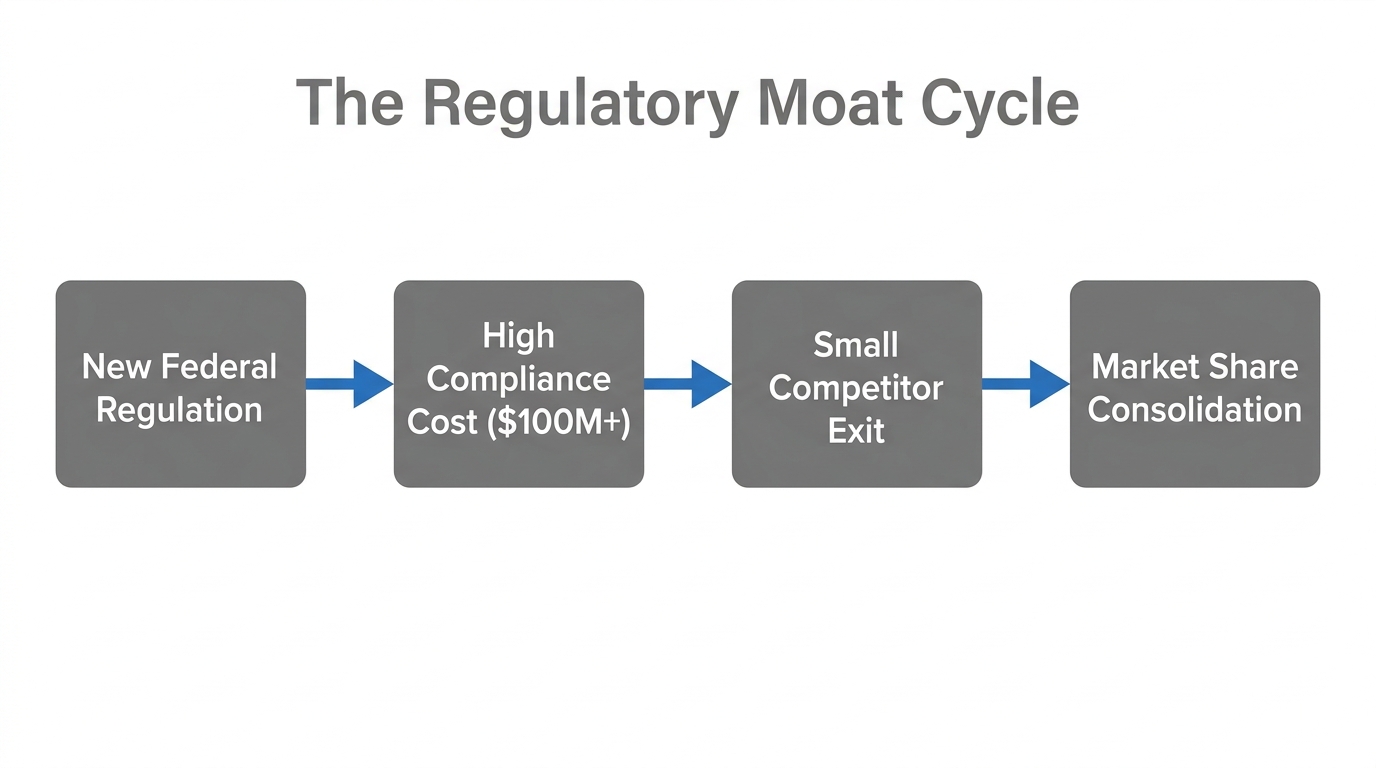
Most marketers view the FDA or other regulatory bodies as obstacles to be avoided. However, the NJOY playbook suggests that heavy regulation is actually the ultimate moat. When NJOY emerged from bankruptcy with a $60 million valuation, it wasn't because they had the best-tasting product; it was because they were willing to spend $100 million on the grueling process of obtaining a Premarket Tobacco Product Application (PMTA).
By the time NJOY secured regulatory approval, they were one of only a handful of players left standing. For brands looking at regulated market marketing 2026, the lesson is clear: stop trying to circumvent the rules and start using them to bankrupt your less-capitalized rivals. High-compliance environments are 'distressed' assets by nature, and as Bloomberg analysts like Matt Levine often note, the complexity is the value.
Marketing the 'Least Bad' Option: A Strategy for Scrutinized Categories
10:19If you are building a brand in a controversial category—vaping, gambling, or high-interest lending—your brand building strategy shouldn't be about being 'cool.' It should be about being the best actor in the room. While Juul was busy marketing bubblegum flavors to teenagers at raves, NJOY positioned itself as a smoking cessation tool for the 'trucker' demographic.
"The sexier an investment, the lower the returns. Venture is sexy. Distressed investing smells like piss... but it's where the 30x wins happen."
This 'least bad' positioning is critical for long-term survival. Brands that lean into the 'wild west' phase of a new industry (like early crypto or unregulated vaping) often see massive initial growth but eventually face total destruction when the regulatory hammer falls. By 2026, successful GTM for hard industries requires a proactive stance on safety and age-gating that exceeds legal requirements. This builds 'regulatory goodwill' that pays dividends during the exit phase.
Comparative Strategy: Juul vs. NJOY
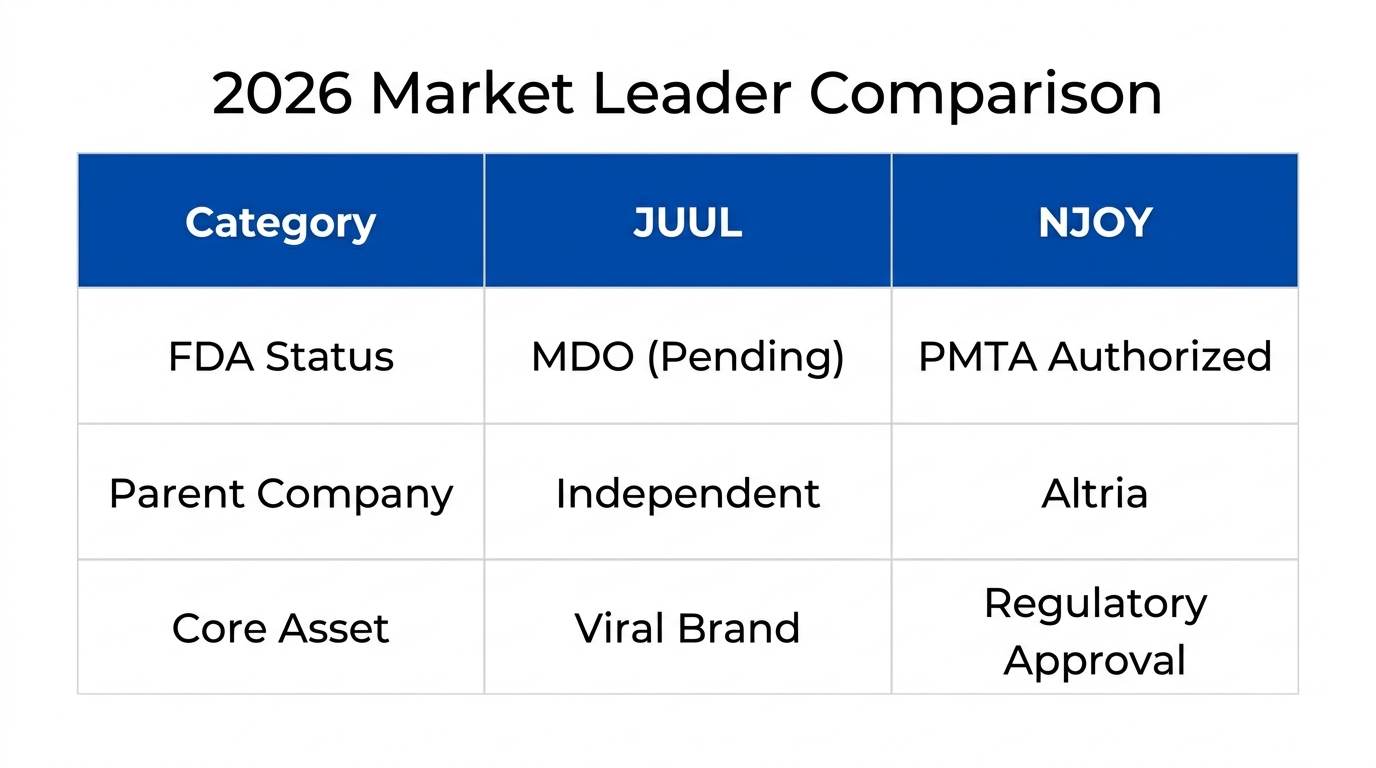
| Feature | Juul (The 'Sexy' Play) | NJOY (The 'Boring' Play) |
|---|---|---|
| Target Demographic | Youth / Raves / Early Adopters | Truckers / Long-term Smokers |
| Marketing Angle | Lifestyle & Aesthetics | Smoking Cessation / Harm Reduction |
| Regulatory Approach | Aggressive & Avoidant | Cooperative & Compliant |
| Ultimate Outcome | Multi-billion dollar lawsuits | $2.2B Exit to Altria |
Crisis Management as a Growth Lever
In 2026, a PR disaster isn't just a hurdle; it's an opportunity to establish transparent brand authority. During the 'popcorn lung' crisis—where black-market vaping liquids were causing lung injuries—the industry was in a tailspin. Many companies went silent. The winners, however, were those that provided clear data and worked alongside health officials to differentiate their regulated products from illicit homebrews.
Managing a crisis in a hard industry requires moral clarity. Influencers and thought leaders like Sam Harris often emphasize the importance of intellectual honesty; the same applies to corporate communications. If your product has risks, own them. Use specialized enterprise CRM software to manage a transparent communication pipeline with your customers, ensuring they get the facts directly from the source rather than through a filtered lens of panic.
Strategic Distribution Models: Reaching the 'Trucker' Demographic
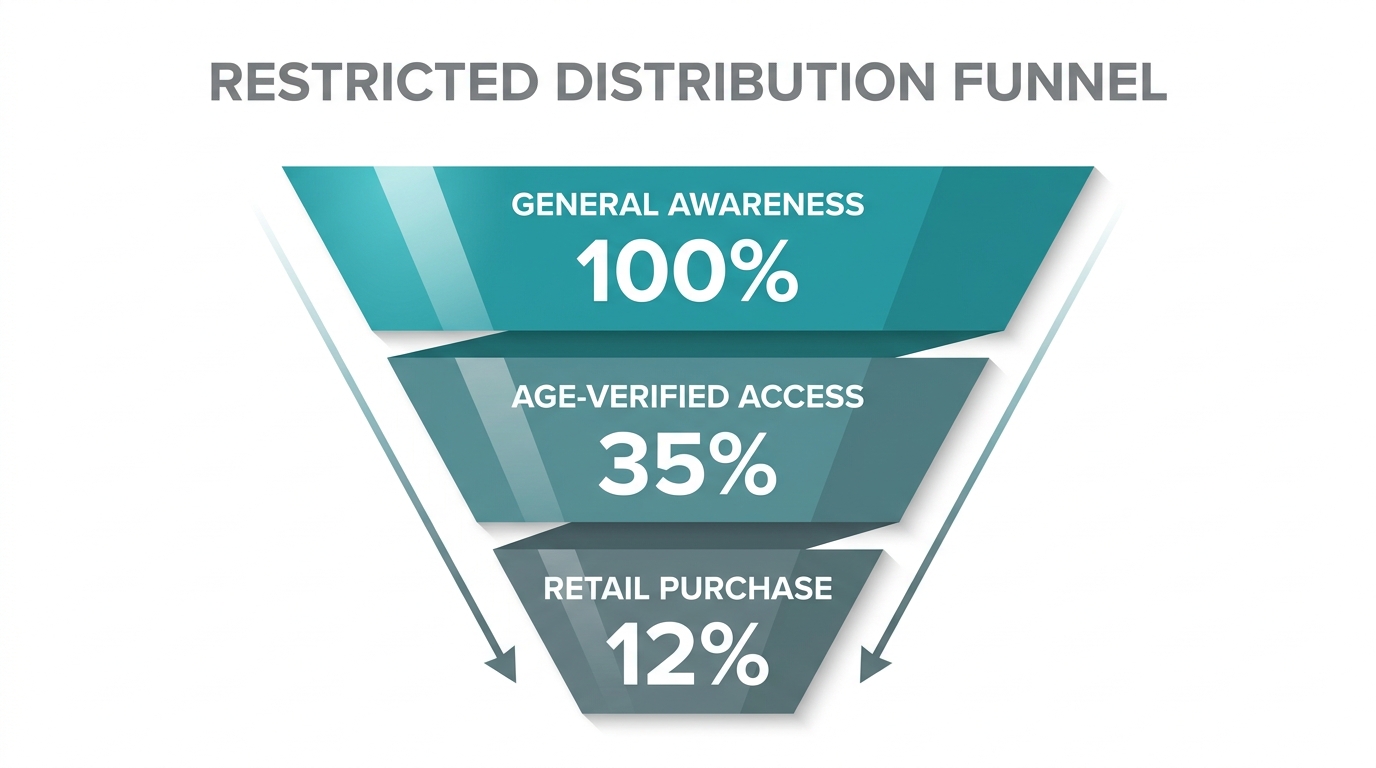
Your strategic distribution models must match your regulatory stance. If your product is age-gated, your digital marketing cannot rely on broad-brush targeting on Meta Ads Manager. Instead, you need precision.
This is where influencer analytics for regulated brands come into play. You aren't looking for the influencer with the most followers; you are looking for the creator who speaks to a verified, adult audience within a specific niche. For example, if you are targeting middle-aged smokers who want to quit, you might work with creators in the trucking, blue-collar, or DIY mechanics niches. Using an AI-powered platform like Stormy AI, you can vet creators to ensure their audience isn't composed of bots or minors, which is a massive liability in regulated markets.
The Ethics of Growth and the 'Guilt Tax'
Founding a company in a 'hard' industry often comes with a personal cost. Scott Galloway famously mentions his 'guilt tax'—giving away millions of dollars to offset the internal conflict of profiting from nicotine. For founders in 2026, social responsibility is no longer a PR tactic; it's a requirement for mental wellness and brand longevity.
To scale ethically, consider the following 2026 playbook:
- Extreme Age-Gating: Use biometric or ID-verification tools like Stripe Identity for all direct-to-consumer sales.
- Harm Reduction Focus: Ensure your marketing is exclusively targeted at existing users of 'more bad' products (e.g., smokers) rather than new entrants.
- Transparent Data: Publicly share your quality control and testing data through a platform like Puck or your own company newsroom.
"The happiest you'll ever be is when you have young kids at home, but that requires economic security built in your 20s and 30s. Don't waste those years on 'sexy' returns that vanish in a crisis."
Conclusion: The 2026 'Unsexy' Playbook
19:19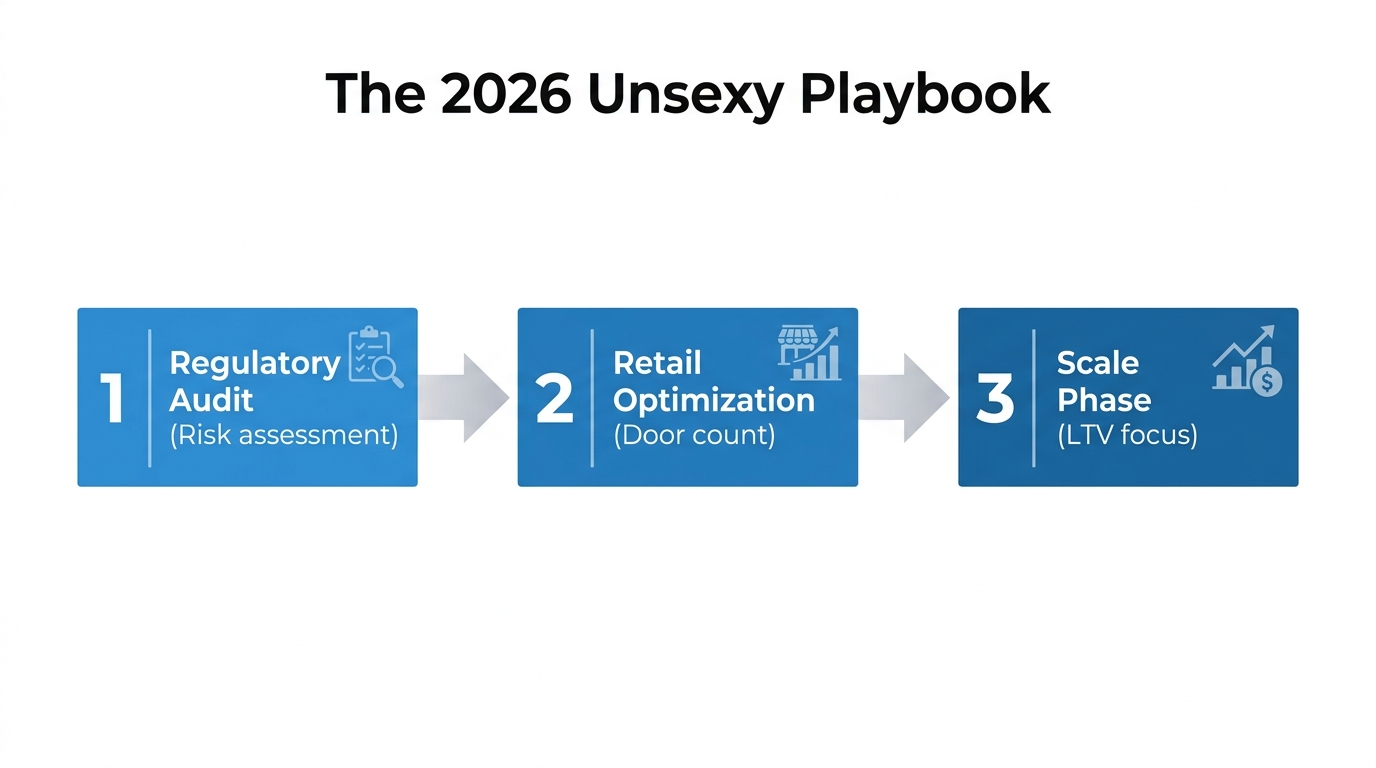
The lesson from NJOY and Altria is that boring, distressed, and highly regulated industries offer the most resilient paths to massive exits. While the tech world obsesses over the latest TikTok Ads Manager trends, the real winners are those building moats through compliance, navigating crises with transparency, and using sophisticated data tools to reach their niche.
By 2026, if you want to scale a brand in a 'hard' market, stop looking for loopholes. Find a industry that 'smells like death,' become the 'least bad actor,' and invest heavily in the regulatory moat that your competitors are too lazy to build. For those looking to vet their distribution and find the right adult-focused creators, platforms like Stormy AI remain the gold standard for navigating the complex intersection of influencer marketing and strict compliance.