The creator economy of 2026 has moved past the era of the "sponsored post." While 2024 and 2025 saw athletes cashing checks for single TikTok videos, this year marks the definitive rise of NIL 2.0: a shift toward founder-led athlete brands and equity-heavy partnerships. No longer content with being the face of a brand, elite athletes are now the owners of the infrastructure, leveraging their personal "vibes" to disrupt legacy industries like beverage, apparel, and fintech.
At the center of this movement is a 17-year-old high school basketball player, a viral TikTok meme, and a canned water brand that has outpaced industry giants in social engagement in under 60 days. This isn't just a marketing fluke; it is a playbook for influencer entrepreneurship that utilizes what we call the 6-7 Water Equity Model. By understanding how to operationalize the "back office" and lean into vibe-based IP, brands and creators can build Gen Z brand loyalty that transcends traditional performance metrics.
The Evolution of NIL: From Endorsements to Equity
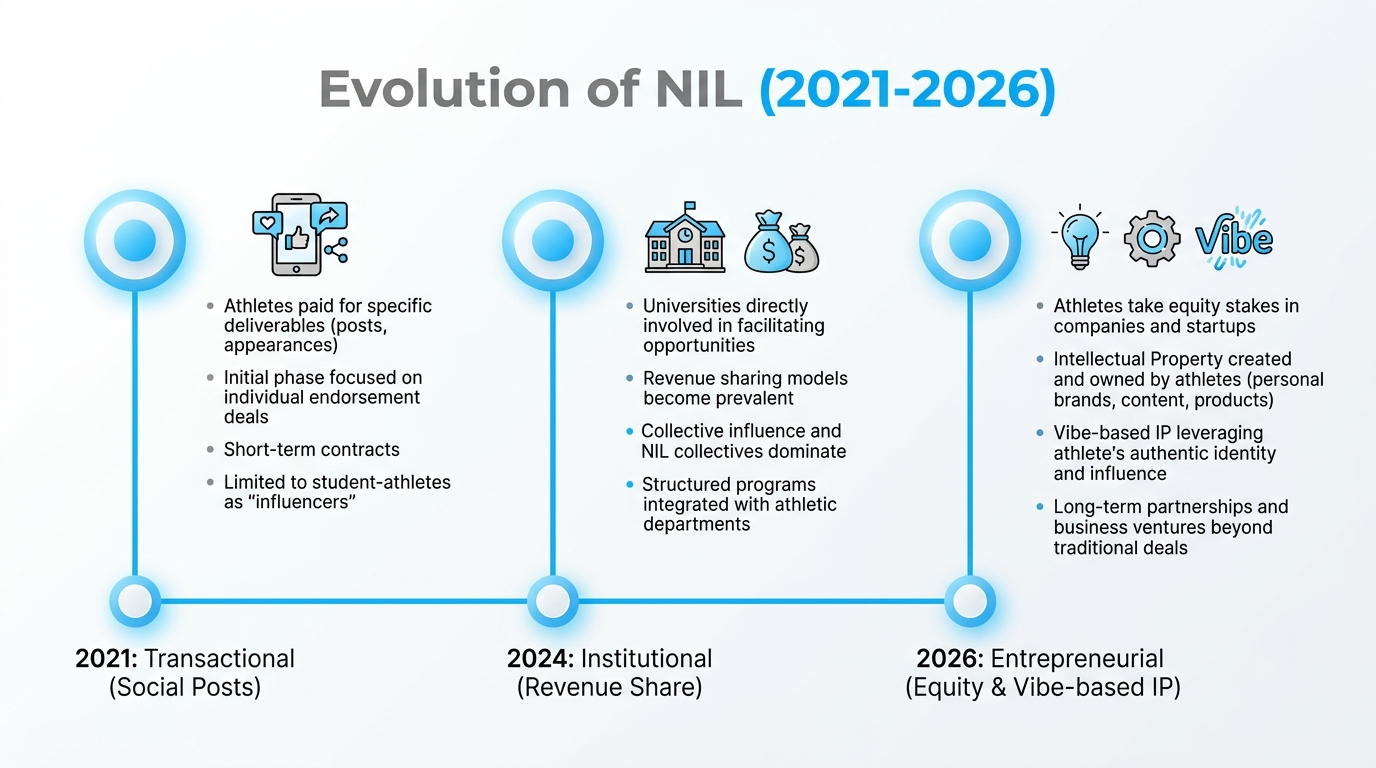
In the early days of Name, Image, and Likeness (NIL) legislation, the market was a Wild West of cash-for-content. By 2026, the waterfall effect has created a clear hierarchy. Top-tier Power 5 quarterbacks in the SEC are now commanding between $7 million and $10 million per year, effectively matching the salaries of first-round NFL picks, according to latest valuation reports. Wide receivers and elite defenders are comfortably in the $1 million to $3 million range, while even bench players often secure $250,000 annually.
However, the real money in 2026 is no longer in the base contract; it is in the startup equity. Athletes are realizing that their window of peak influence is short. Instead of promoting a third-party energy drink, they are founding their own. This transition from promoter to principal requires a shift in how athletes manage their portfolios. They are no longer just talent; they are venture-backed creators using platforms like TikTok and Instagram as their primary distribution channels.
Case Study: The 6-7 Water Phenomenon
 15:48
15:48The story of 6-7 Water is the perfect case study for the 2026 creator economy. It started with Taylen Kinney (TK), a 17-year-old basketball recruit. During a casual exchange, TK referenced a line from a ScHoolboy Q song, making a specific hand motion while saying "six-seven." The moment was captured, uploaded, and instantly became a cross-platform meme. Middle schoolers began tricking their teachers into saying the number; college stars like Paige Bueckers and Cooper Flagg integrated the "six-seven" vibe into their own content.
Rather than simply selling t-shirts—a low-margin, short-term play—TK and the team at Overtime decided to build a product. They chose water. Why? Because water is "simple." It doesn't require complex formulations or long R&D cycles. In just eight weeks, 6-7 Water was born. The brand didn't launch with a multi-million dollar ad buy on Google Ads. Instead, it launched with a waitlist and a grassroots distribution strategy that involved giving the product away at basketball tournaments and "leaking" it into local gas stations.
"6-7 isn't just a water brand; it's a movement. It's a vibe that young people own because they created the meaning behind it, rather than having a corporate board dictate it to them."
The results were staggering. Within two months, 6-7 Water amassed nearly 150,000 followers on social media. To put that in perspective, legacy brands like Dasani and Aquafina often struggle to maintain even 20,000 followers despite massive social media budgets. The engagement rate for 6-7 Water is driven by organic community participation, where fans make their own commercials and treat the gold cans as "holy water" in their own content.
The Shift: Traditional Endorsements vs. NIL 2.0
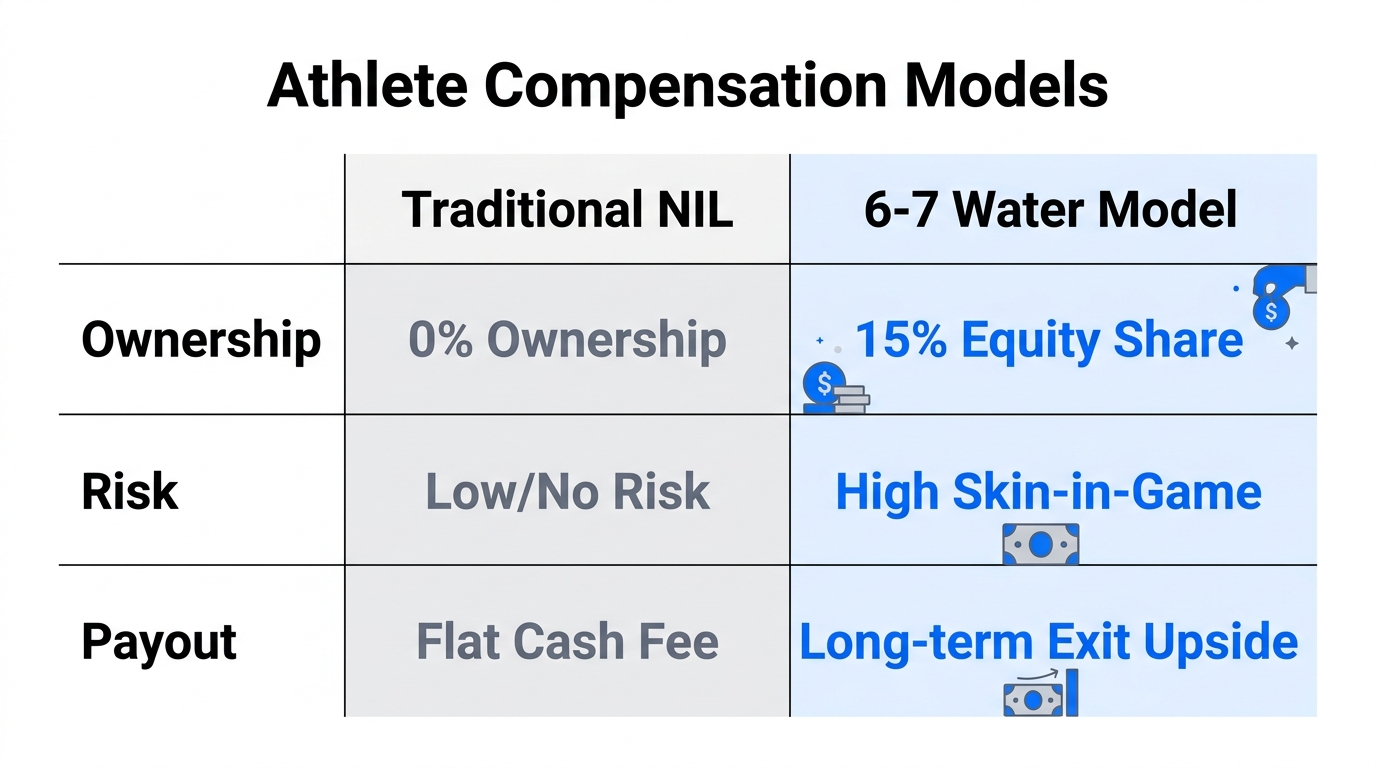
| Feature | Traditional NIL (2021-2024) | NIL 2.0 Equity Model (2026) |
|---|---|---|
| Primary Goal | Immediate cash for posts | Long-term brand ownership |
| Content Style | Highly produced, scripted ads | Vibe-based, meme-driven, raw |
| Distribution | Brand's official channels | Athlete's ecosystem + Grassroots |
| Infrastructure | Athlete handles everything | "Back Office" support (e.g., Overtime) |
| Success Metric | Impressions & Reach | Community growth & Waitlist signups |
Strategic Positioning: The "Blue vs. Red" Philosophy
47:11As Dan Porter, founder of Overtime, notes, effective positioning is about finding the "white space" in a crowded market. Most legacy brands are "boxed in" by their own success. A giant like Meta or ESPN has to cater to everyone, which means they can't afford to be too niche or use slang like "rizz" or "lit" without looking like they are trying too hard. This is where counter-positioning comes in.
By intentionally catering to Gen Z and Gen Alpha, 6-7 Water makes the "mainstreamness" of Dasani its greatest weakness. When an athlete brand stays small, nimble, and culturally aligned, it creates a grown-up-proof top on the brand. If your parents don't understand the meme, the brand is more valuable to the youth. This is the same strategy Shopify-based brands use to disrupt retail: focus on a specific tribe and ignore the rest.
"If the opposite of your strategy is stupid, then it's not a strategy. Real strategy requires a trade-off that your competitors are unwilling to make."
The 'Recruitment Stunt' Model: Product as Leverage
19:10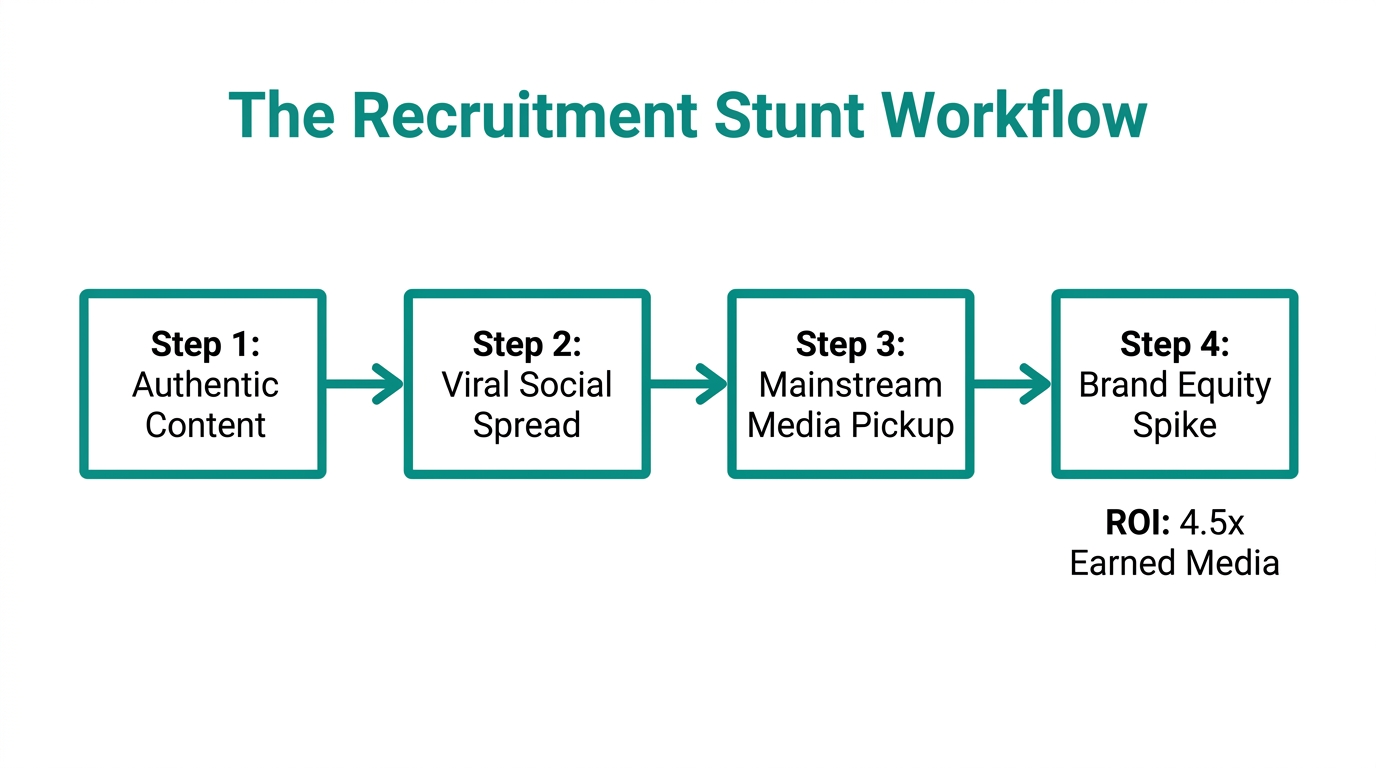
One of the most provocative shifts in 2026 is the use of product distribution as a recruitment tool. In the traditional model, a university recruits an athlete based on facilities and coaching. In the NIL 2.0 world, the university becomes a partner in the athlete's business. Imagine a scenario where a school like Kentucky or UConn attempts to land a top recruit by committing to buy 10,000 cases of the athlete's water brand, coloring the cans in school colors, and making it the official beverage of the stadium.
This creates a "stunt" that generates massive social media buzz while remaining entirely legal under NIL guidelines. It turns the recruitment process into a marketing event for the athlete's brand. To manage these complex webs of creators, brands, and collegiate stakeholders, many agencies are turning to AI-powered creator discovery platforms. Tools like Stormy AI allow recruiters and brands to identify which athletes have the highest "vibe-based" IP potential before they ever hit the national stage, ensuring that the next 6-7 Water is spotted while still in the "meme phase."
Operationalizing the 'Back Office'
The secret ingredient to 6-7 Water’s success isn't just the meme; it’s the infrastructure provided by Overtime. For a 17-year-old athlete to become a founder, they need a back office that handles manufacturing, logistics, and legal compliance. This allows the athlete to focus on what they do best: hooping and creating culture.
In 2026, we see the rise of the "Athlete Accelerator." Organizations are no longer just talent agencies; they are venture studios for young creators. They provide the "ice shaver in curling," smoothing the path for the athlete to slide toward success. This involves everything from finding manufacturers in Michigan to setting up landing pages on Framer or Webflow to capture the first 25,000 customers.
Managing 'Vibe-Based' IP: When Memes Fade
9:30A significant challenge for athlete influencer marketing is the shelf life of a meme. The "six-seven" hand motion may be viral today, but it won't be in 2028. The 6-7 Water model accounts for this by treating the brand as a vibrant organism. The product is the water, but the IP is the *feeling* of being part of the movement. If the meme dies, the brand can pivot to "Double Zero" water (TK's jersey number) or another cultural touchstone while keeping the same gold-can aesthetic.
This is why community management is critical. Dan Porter famously noted that in the early days of Overtime, his team replied to over a million comments. By engaging directly with fans—roasting them, sending them $1,000 for wearing the shirt, or joining group chats—the brand builds fans for life. These fans don't follow a meme; they follow the athlete and the brand's personality.
"Sports media is talking to people about sports. Athlete brands are about listening to people about sports. If you respond to a fan once, they are yours forever."
Conclusion: The Playbook for 2026 and Beyond
The success of 6-7 Water proves that in 2026, Gen Z brand loyalty is won through authenticity, speed, and ownership. For brands looking to work with athletes, the strategy is clear: don't just buy an ad; help them build an empire. For athletes, the lesson is to look for the "red" in a room of "blue"—find the niche opportunity that others are too boxed-in to see.
As we move further into the decade, the line between athlete and entrepreneur will continue to blur. Whether it’s through chess prodigies or high school basketball stars, the future of marketing is bottoms-up, meme-driven, and equity-backed. To start finding your next athlete partner, you can discover creators on Stormy AI and begin building your own "back office" for the next generation of culture-shifters.