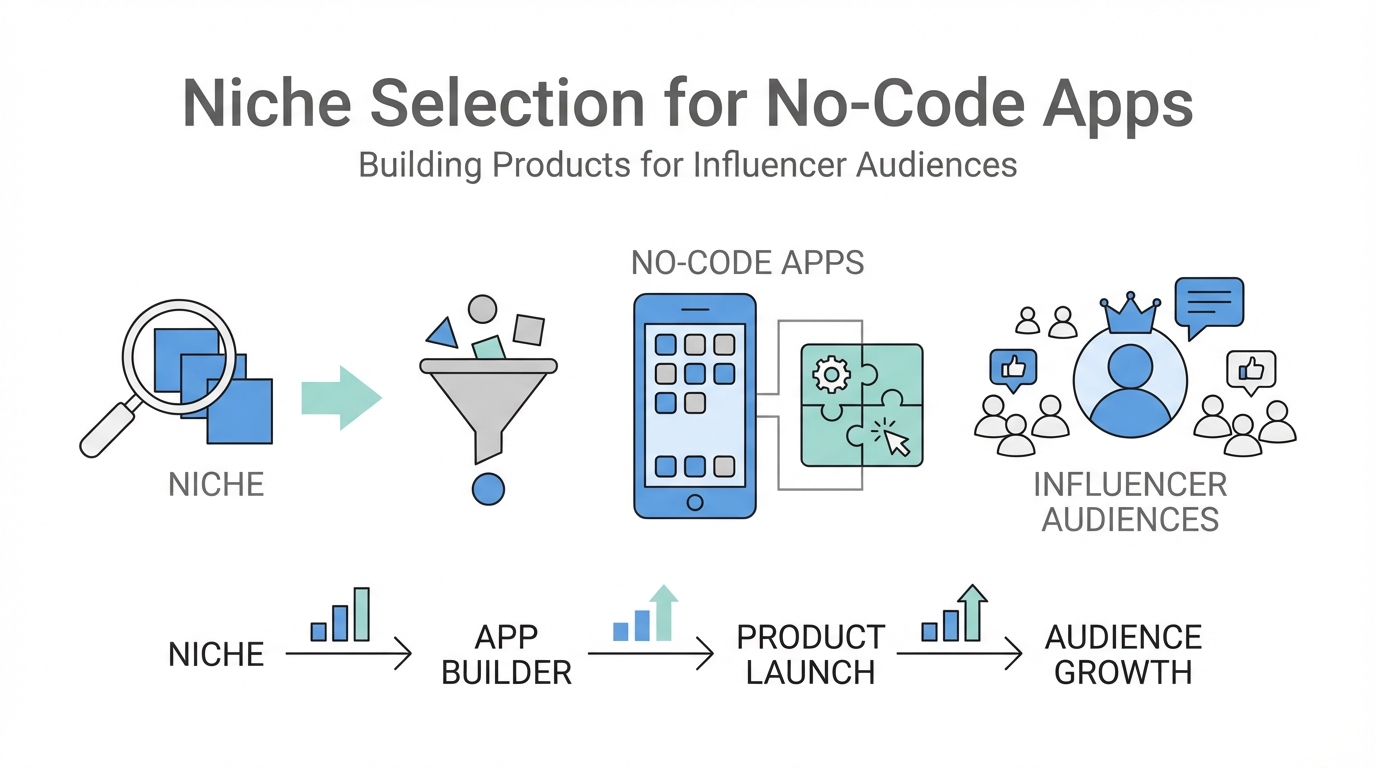
The traditional path for app developers is a well-worn road to failure: spend months coding in a vacuum, ship to the App Store, and then pray for organic downloads or burn through a modest ad budget. This "build it and they will come" mentality is why the vast majority of apps never break even. However, a new generation of solo developers and product managers is flipping the script by prioritizing distribution before the first line of code is even written. By identifying profitable app ideas 2024 through the lens of existing influencer audiences, you can bypass the cold-start problem entirely. This approach isn't just about marketing; it’s about a fundamental shift in product market fit for influencers that turns creators into stakeholders rather than just paid billboards.
The 'Middle Niche' Framework: Finding the Sweet Spot

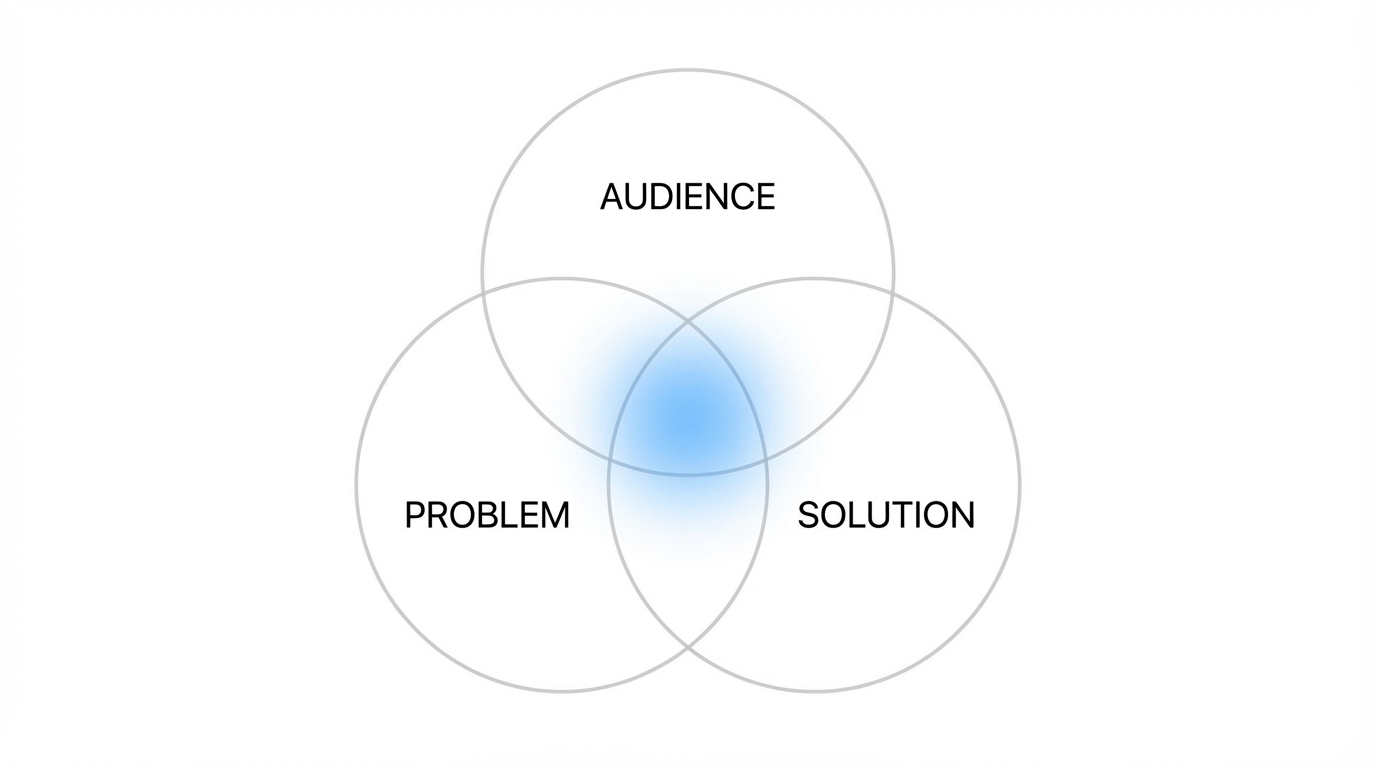
When conducting niche market research, developers often fall into two traps: the "Micro-Niche Hole" or the "Mass-Market Wall." Targeting a niche that is too small—like an app specifically for dogs doing handstands—means your ceiling is too low to ever support a sustainable business. On the flip side, trying to build the next Strava or Instagram puts you in direct competition with billion-dollar companies and App Store Optimization (ASO) strategies backed by massive teams.
The solution is the Middle Niche. You are looking for markets that can generate between $30,000 and $200,000 in monthly recurring revenue (MRR). These are segments where users have specific, burning problems but aren't being served by high-quality, modern software. For example, rather than a general fitness app, you might build a dedicated calisthenics tracker for a creator who already has 100,000 dedicated followers. These middle niches are often overlooked by major venture-backed startups but are gold mines for solo developers using no-code app development or rapid coding frameworks.
To identify these niches, look for influencers who have a "deep" rather than "wide" audience. Using Stormy AI, an AI-powered search engine for creator discovery, to identify these niche leaders can help you find creators whose followers are highly engaged—asking about their gear, their routines, and their specific methods. This level of engagement indicates a high-leverage opportunity for a custom-built product. At this stage, you are looking for an 100k-follower creator who can drive tens of thousands of downloads on day one, just like the successful launch of Superwall partners who focus on high-conversion niches.
Reverse-Engineering Influencer Brand Deals
One of the most effective ways to find profitable app ideas 2024 is to look at what brands are already paying influencers to promote. Influencers are already receiving constant inbound requests from apps. If a creator is consistently doing brand deals for a specific category of app—whether it’s finance tools, habit trackers, or photo editors—that is a validated signal of product-market fit. Their audience is already accustomed to seeing that type of utility, and the influencer knows exactly what their followers find frustrating about the current market leaders.
Instead of pitching a standard brand deal, propose an equity partnership. Many creators are tired of the "hamster wheel" of one-off sponsorships. They want stable, long-term assets. When you build an app specifically for their audience, you aren't just buying a post; you are building a business together. This alignment means the creator will naturally produce higher-quality content because they are a founder. They might show the app in a YouTube Short or use ManyChat automations to send direct download links to every person who comments on their video.
By studying viral outliers in your niche using tools like SpyTok, you can see which app integrations are currently trending. If you see a specific style of financial life-hack video going viral, that’s your cue. For instance, the Payout app generates $45,000 a month by focusing on class-action lawsuit discovery—a niche validated by creators who talk about "money-saving hacks." They didn't reinvent the wheel; they just built a more private, streamlined version of what was already working and gave the influencer a stake in the success.
Building 'High-Leverage' Features: Quality Over Quantity
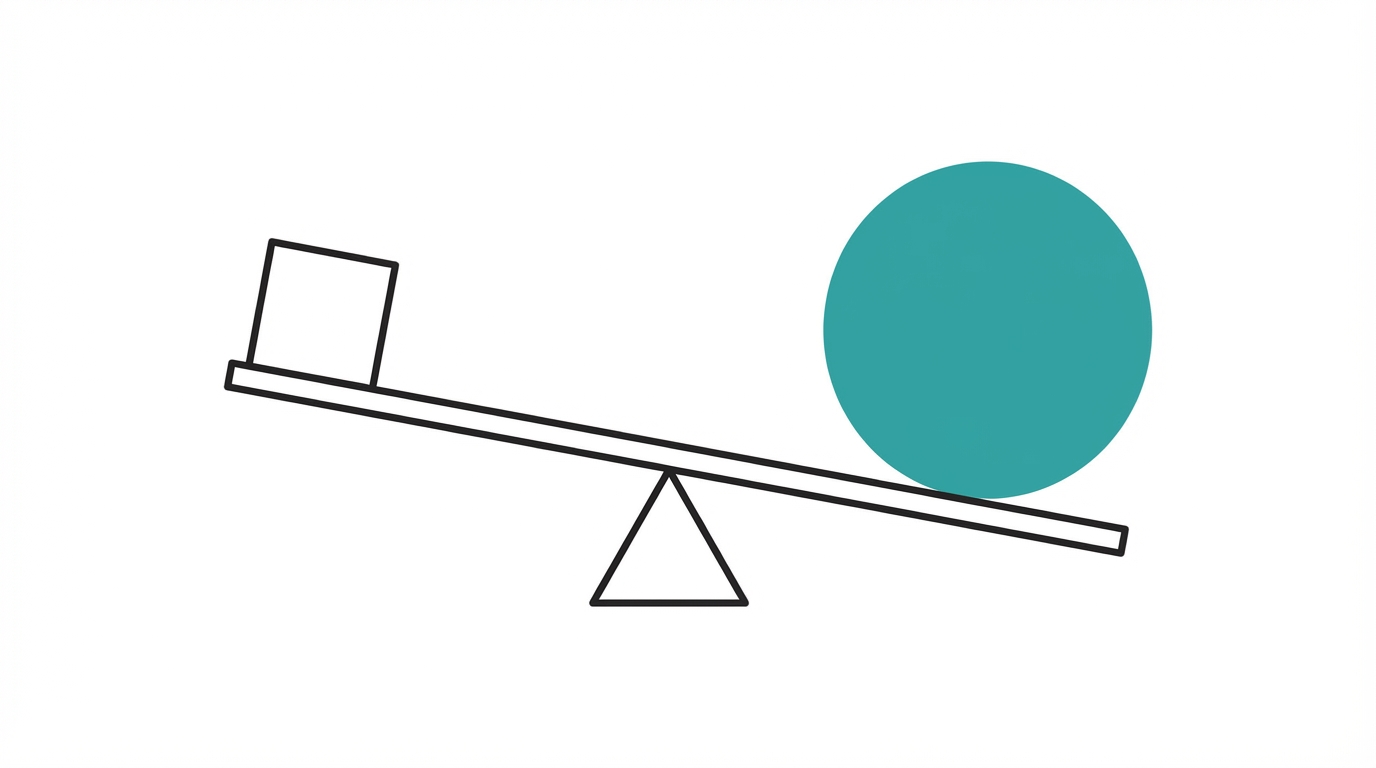
In the early stages of no-code app development or rapid prototyping, it is tempting to build every feature the influencer mentions. This is a mistake. Your goal is to launch an MVP (Minimum Viable Product) in weeks, not months. Focus on high-leverage features—the 20% of functionality that provides 80% of the value. For a fitness app, this might be a specialized timer or a custom workout logger that mirrors the influencer's specific methodology.
To maximize revenue from day one, you must implement a rigorous testing framework for your monetization. Don't just guess which price point works. Utilize a platform like Paywall Experiments to analyze profitable layouts and experiment with different subscription models. High-leverage development also means leveraging custom product pages in the App Store for different influencer campaigns. This allows you to tailor the screenshots and copy to match the specific video that drove the user there, significantly increasing your conversion rate.
The 'Vibe Coding' Stack: Cursor, Claude, and React Native
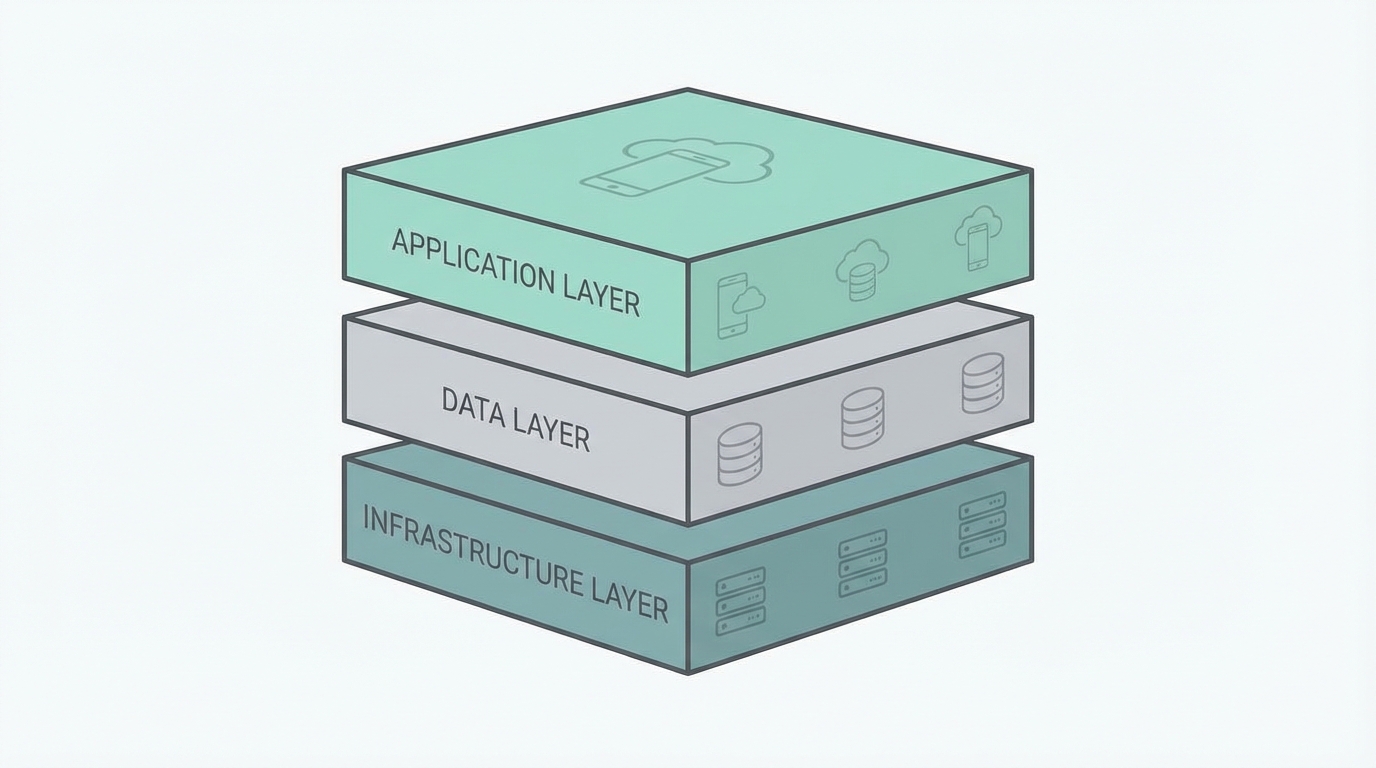
The speed at which you can move determines your success. We are currently in the era of "Vibe Coding," where the barrier between an idea and a functional app has been decimated by AI. For solo developers, the recommended stack for building these niche apps quickly is Cursor, Claude, and React Native (or SwiftUI for those who want a native feel).
- Cursor: An AI-powered code editor that understands your entire codebase, allowing you to build complex features by simply describing them.
- Claude: An advanced LLM that is exceptionally good at writing clean, modular code for mobile frameworks.
- React Native: Enables you to build for both iOS and Android simultaneously, though many developers find that 85% of revenue still comes from the Apple ecosystem.
Using this stack, it is entirely possible to go from Figma mockups to a live App Store submission in less than 14 days. This speed allows you to test multiple ideas with different creators without sinking months of effort into a single project. This is especially useful when using Stormy AI's creator analysis tools to find influencers who might be a perfect fit for a product you've already built but haven't successfully distributed yet.
Pivoting for Growth: The Re-Branding Playbook
If you have an existing app that is currently gathering dust or making low revenue—like a posture tracker or a simple utility—the highest leverage move isn't to add more features. It is to re-brand the app for a specific influencer. This is the "White Label" strategy for the creator economy.
For example, a generic posture app can be transformed into the "Official Back-Health Guide" for a famous mountain biking influencer. You replace generic stock photos with the influencer performing the exercises, update the copy to use their unique voice, and let them drive their millions of impressions to what is now *their* product. This turns an app making $4,000 a month into a potentially six-figure asset because the distribution cost is essentially zero. This is a core part of a modern App Store Optimization strategy: focusing on branded search and influencer-driven traffic rather than just fighting for saturated generic terms.
Step 1: The Cold Email (Avoid DMs)
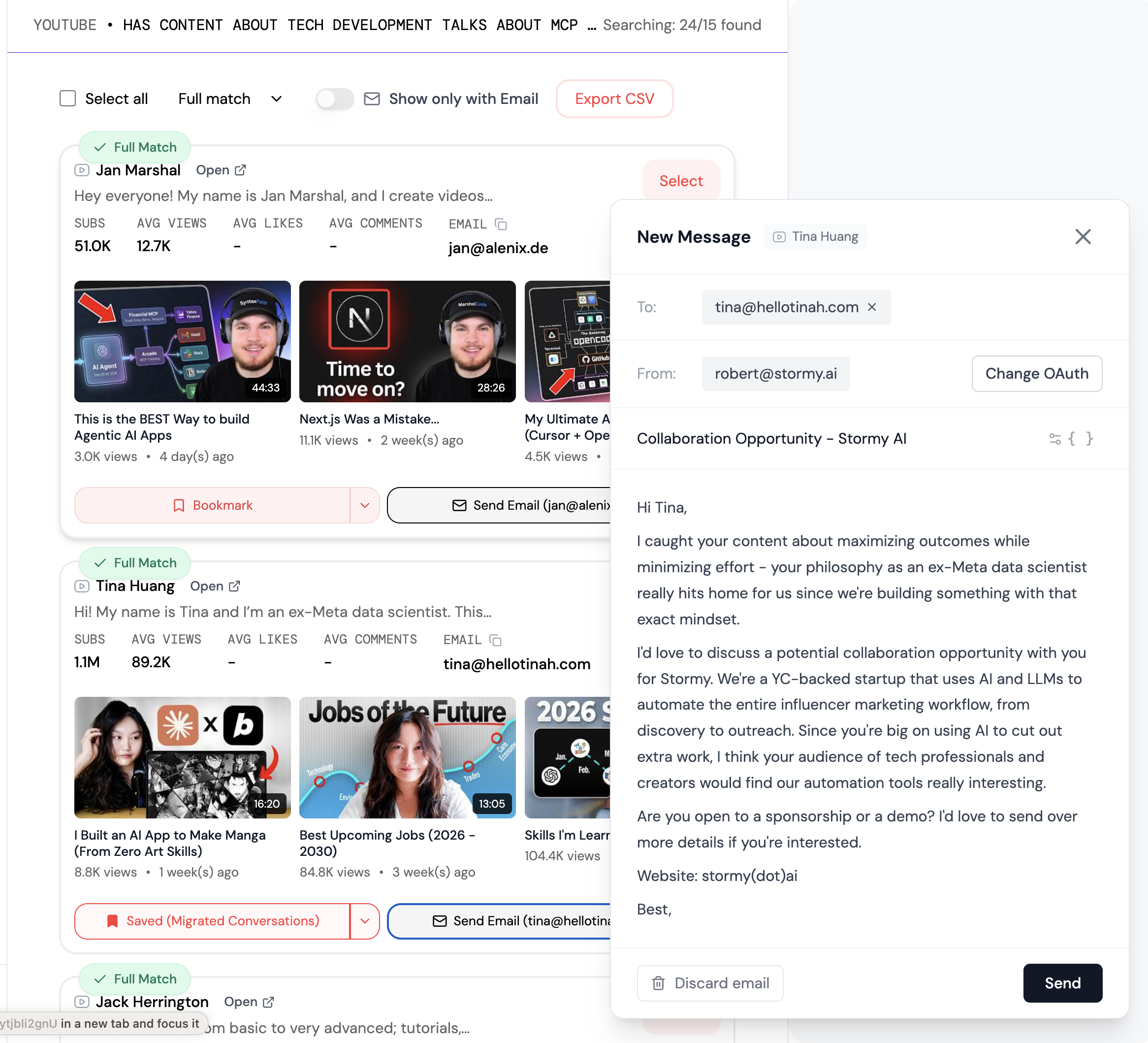
Stop sliding into DMs. Larger creators receive thousands of notifications and have likely turned them off. Instead, find their business or partnership email. You can use Stormy AI to automatically enrich creator profiles with verified email addresses and send AI-personalized outreach at scale. A manual, thoughtful email that includes Figma mockups of what their app could look like will stand out far more than a generic pitch. Focus on the value to them: "I've built the tech, I've seen your audience's needs, and I want to give you equity to be the face of this brand."
Step 2: Negotiating the Deal
If you have the capital, paying an influencer $1,500 to $5,000 per video might be more profitable in the long run. However, when you are starting out, equity is your best friend. It reduces your upfront risk and ensures the creator is incentivized to post consistently. A creator with 1 million followers might be willing to partner for a significant stake if they see the potential for long-term recurring revenue that doesn't depend on them constantly chasing the next sponsorship.
Step 3: Mastering Distribution
Once the app is live, the influencer should use a mix of skit-based hooks and hard integrations. Don't be afraid of being "salesy." If the product is genuinely useful, the audience will respond. Ensure every post includes a clear call to action (CTA), such as "comment CLAIM for the link," and use tools like SwiftUI to ensure the user experience is smooth enough to retain the traffic the influencer drives. Consistency is key; one viral video can drive 35,000 clicks, but a steady stream of content is what builds a million-dollar ARR business.
Conclusion: The Era of the Creator-Developer
The landscape of profitable app ideas 2024 is no longer about who has the most innovative technology, but who can bridge the gap between software and audience most effectively. By utilizing the Middle Niche framework and leveraging the Vibe Coding stack, you can build high-quality products that creators are proud to own. Don't build in isolation. Find an audience, listen to their problems, and build the solution in partnership with the people they already trust. Whether you are using Stormy AI to find your first partner or refining your paywalls with Superwall, the path to a million-dollar app business starts with a distribution-first mindset. Stop coding for everyone and start building for someone.