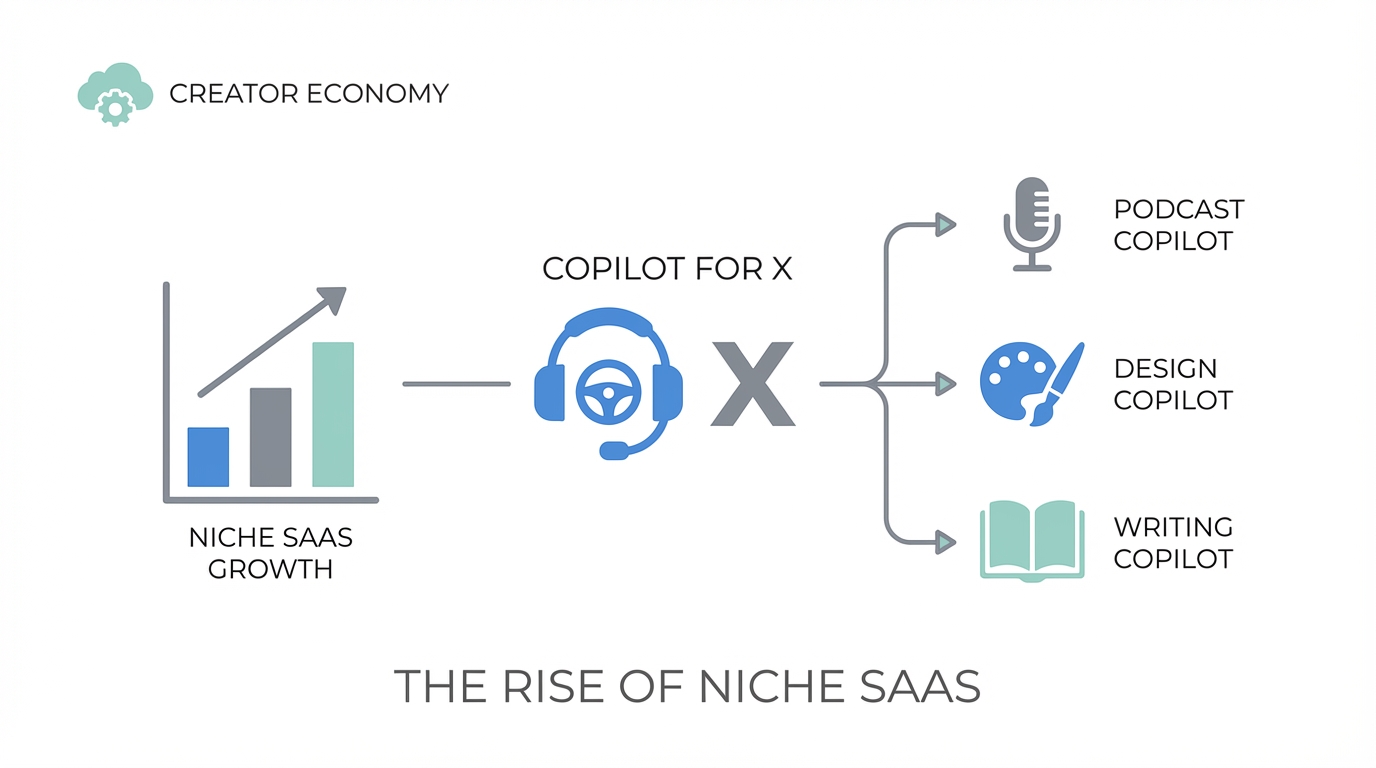
If you were trying to make $10 million dollars this year, how would you do it? For most of the last decade, the answer was to build a broad horizontal SaaS platform—the next HubSpot or the next Slack. But the market has shifted. The era of "everything for everyone" is being replaced by hyper-specific solutions tailored to narrow communities. We are witnessing the rise of the "Copilot for X" framework, where the most successful niche saas ideas aren't about reinventing the wheel, but rather refining it for a specific driver.
The 'Copilot for X' Framework: Why Specificity Wins
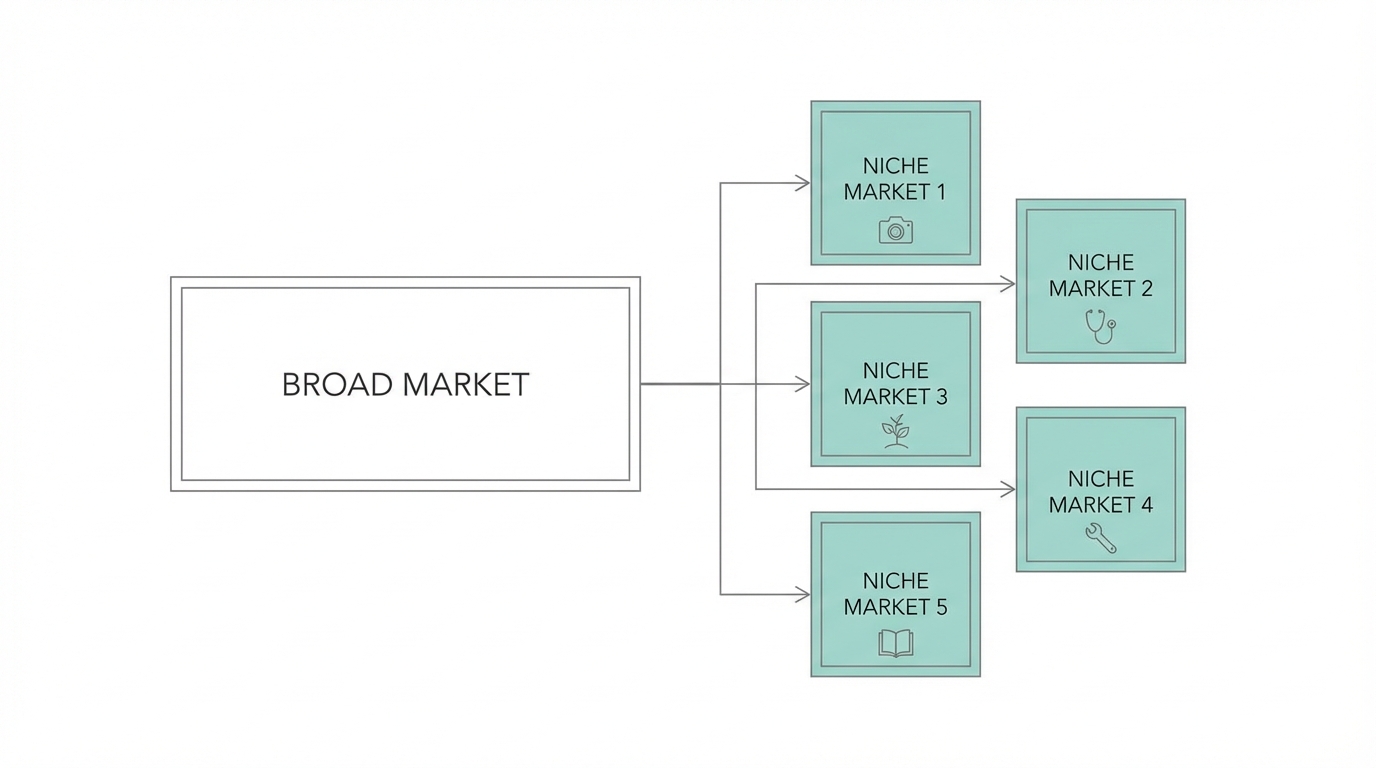
The core of the software as a service trends we see today is a migration away from bloated, multi-purpose platforms toward beautiful, specialized tools. A prime example of this is the recent downfall of Mint.com. Once the gold standard for personal finance, Mint was acquired by Intuit and eventually shut down because it tried to be everything to everyone, resulting in a cluttered experience. In its wake, niche apps like Copilot have thrived by focusing on a mobile-first, highly aesthetic interface specifically for people who want a streamlined view of their net worth.
To build a "Copilot for X," you don't need a revolutionary technology; you need a specific community with a distinct vocabulary. For example, instead of building a general "Pet Health App," you could build the "Health Tracker for Border Collie Owners." Border Collies have unique health needs compared to Golden Retrievers. By narrowing the niche, you increase the perceived value of the software because it feels like it was made exactly for the user.
The Death of the Monthly Subscription: New SaaS Business Models
For years, the monthly recurring revenue (MRR) model was the holy grail. However, many users are now suffering from subscription fatigue. As a result, building software with AI is often leading developers toward two alternative models: pay-per-task and one-time purchases.
Platforms like OpenAI have popularized the credit-based or usage-based model, which feels fairer to the consumer. If they use the tool a lot, they pay more; if they don't, they don't. Another massive trend is the return to "Old School" software sales. The team at 37signals recently launched Once, a movement toward software that you buy once and own forever. This eliminates the fear of the "endless bill" and can actually increase your upfront cash flow, allowing you to capture a customer's total Life-Time Value (LTV) on day one.
Pre-Selling: How to Validate Your Niche SaaS Without Coding
One of the biggest mistakes in micro-saas marketing is spending six months building a product that no one wants. In the modern creator economy tools landscape, the goal is to validate before you write a single line of code. You can do this by building a high-fidelity landing page using tools like Framer or Webflow and running a pre-sale campaign.
Step 1: Identify the "Tangible Asset"
Your software needs to feel like a tangible object. If you are building an AI writing tool, don't just sell "better writing." Sell a "LinkedIn Post Generator for Climate Tech Founders." The more tangible the output, the easier it is to sell.
Step 2: Build the Waitlist or Pre-Order
Create a simple mockup of the interface and offer a "Founding Member" lifetime deal for a one-time fee. This not only validates demand but also provides the capital needed to hire developers or use no-code tools to build the MVP (Minimum Viable Product).
AI Agents: From Generic Software to Personalized 'Interns'
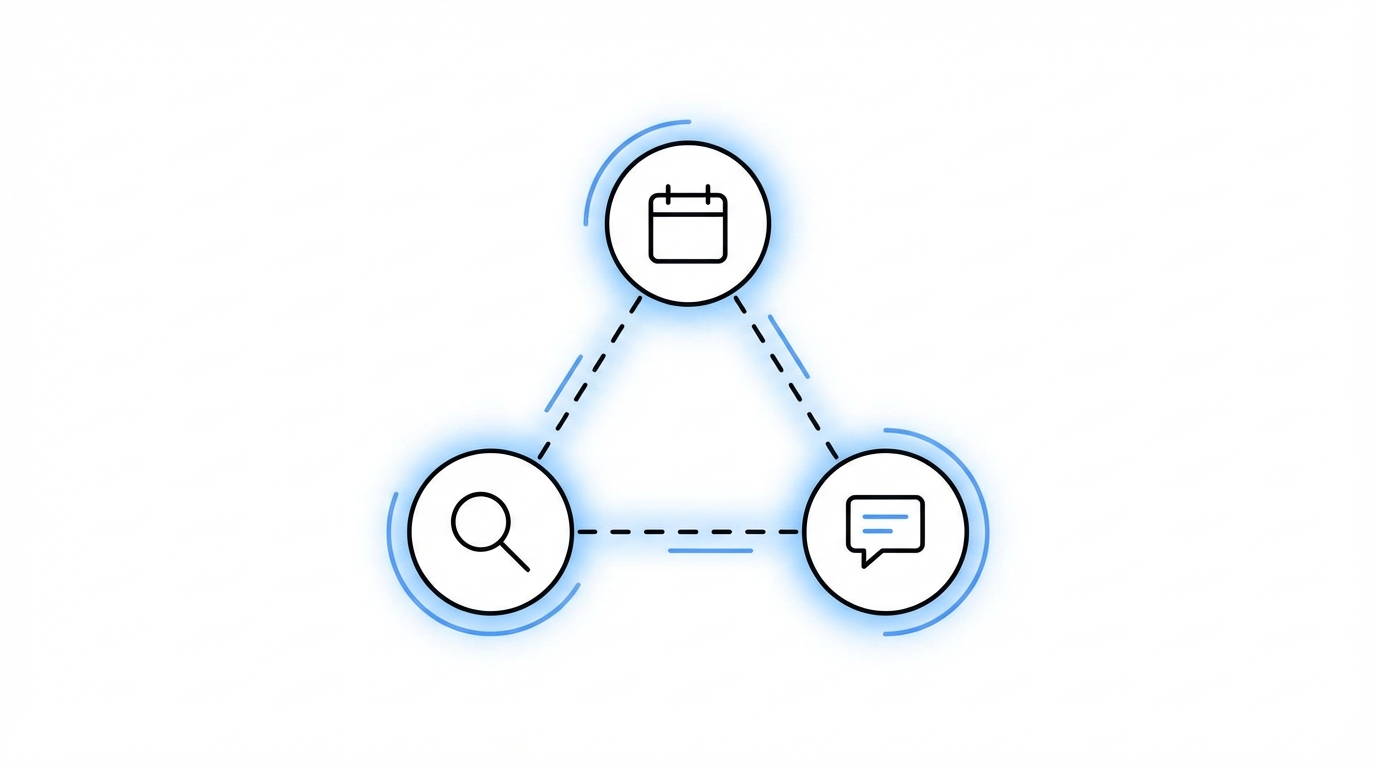
The future of SaaS isn't just a dashboard; it's an AI agent. Think of AI as an "uneducated, uncaffeinated intern" that is incredibly fast but needs clear instructions. Instead of a SaaS that requires the user to do the work, the next generation of creator economy tools will feature agents that execute tasks autonomously.
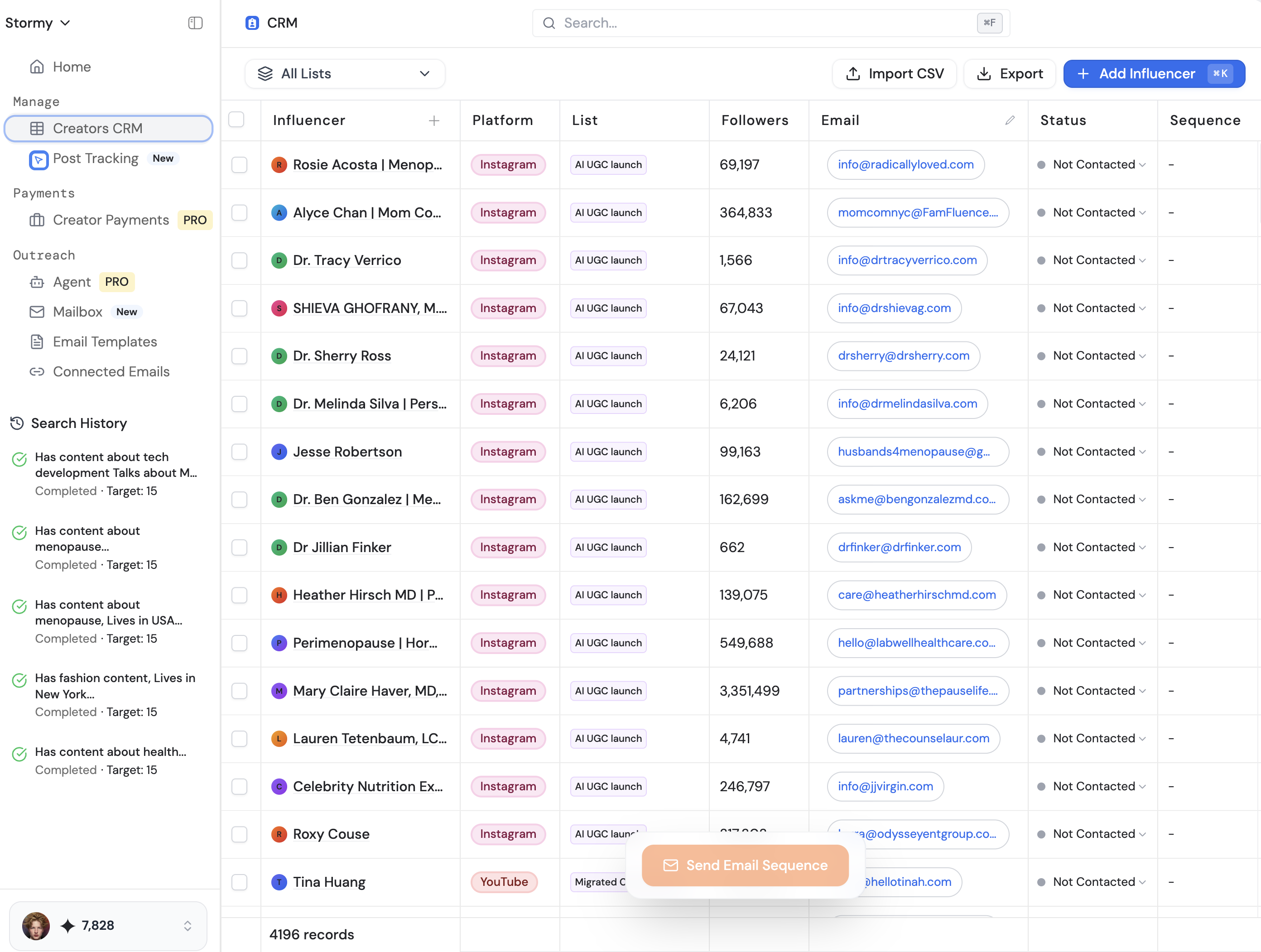
For instance, in the world of influencer marketing, finding the right partners is a manual grind. Tools like Stormy AI are leveraging this agentic approach by allowing users to search across TikTok and Instagram using natural language prompts, effectively acting as an automated discovery agent that works while you sleep.

The Newsletter-to-SaaS Pipeline: Building a Portfolio
Many successful founders are no longer starting with software; they are starting with paid newsletters or communities on platforms like Substack or Skool. This allows you to build a recurring revenue base of loyal, niche-specific users who will tell you exactly what software they need. If you have 1,000 people paying $20/month for a newsletter about border collie care, you have 1,000 perfect beta testers for your niche SaaS.
This "lifestyle cash flow matching" is the secret to scaling to $10 million. When you have a paid community that covers your mortgage and operating expenses, you have the mental freedom to take bigger swings on software products that can achieve a 10x exit. Furthermore, as you manage these relationships, utilizing a creator CRM becomes essential to track collaborations and automate the repetitive outreach required to grow your brand's footprint.
Conclusion: The $10 Million Niche Opportunity
Building a massive, general-purpose SaaS is harder than ever. But building a hyper-profitable niche SaaS has never been easier. By following the 'Copilot for X' framework, focusing on tangible assets, and utilizing AI agents to replace manual labor, you can create a business that is both high-margin and highly defensible.
The key takeaway? Stop trying to be the next Google and start trying to be the best tool in a room full of people who actually care about the problem you’re solving. Whether it's through a pay-per-task model or a curated marketplace, the wealth of the next decade belongs to those who embrace the power of the niche.