For most founders, the dream of building a mobile app looks like a single, meteoric rise to the top of the App Store—the elusive 'unicorn' that changes everything. But while the industry celebrates the one-in-a-million hits, a new generation of developers is quietly building wealth through a different mobile app business model: the Product Studio. Instead of betting everything on one idea, savvy creators are building a portfolio of niche mobile apps that solve specific, hyper-local problems for the same audience. By focusing on subscription app revenue across multiple products, founders like Pre, the creator of the Wellness Company, have managed to scale from zero to $120,000 Annual Recurring Revenue (ARR) in just ten months.
The Product Studio Model: Why Multiple Apps Beat One ‘Unicorn’


The traditional startup approach is high-risk and high-reward. You spend years on one product, iterate based on a single market, and pray for a massive exit. However, the app portfolio strategy operates on a more sustainable logic: risk diversification and shared infrastructure. When you build a suite of niche mobile apps, you aren't just creating software; you're building a network. This approach allows you to take 'reps' at the market, learning what converts and what doesn't without the existential threat of a single failure. As Pre shared in his interview with Starter Story, his strategy involved launching three successful apps in less than a year, all within the health and wellness domain.
Building multiple apps allows a founder to reuse codebases, design systems, and marketing strategies. If you’ve solved the problem of subscription app revenue for one product using RevenueCat, you can replicate that paywall logic across five more. This efficiency is what allows small teams to maintain 80-85% profit margins. By the time you reach your third or fourth app, the cost of development and the time to market drop significantly. Platforms like Stormy AI help founders in this stage by acting as an AI search engine across TikTok, Instagram, and YouTube to identify exactly which creators are already talking to their target audience, making the jump from app development to market penetration much faster.
Identifying Audience Overlap: The Secret to Low CAC
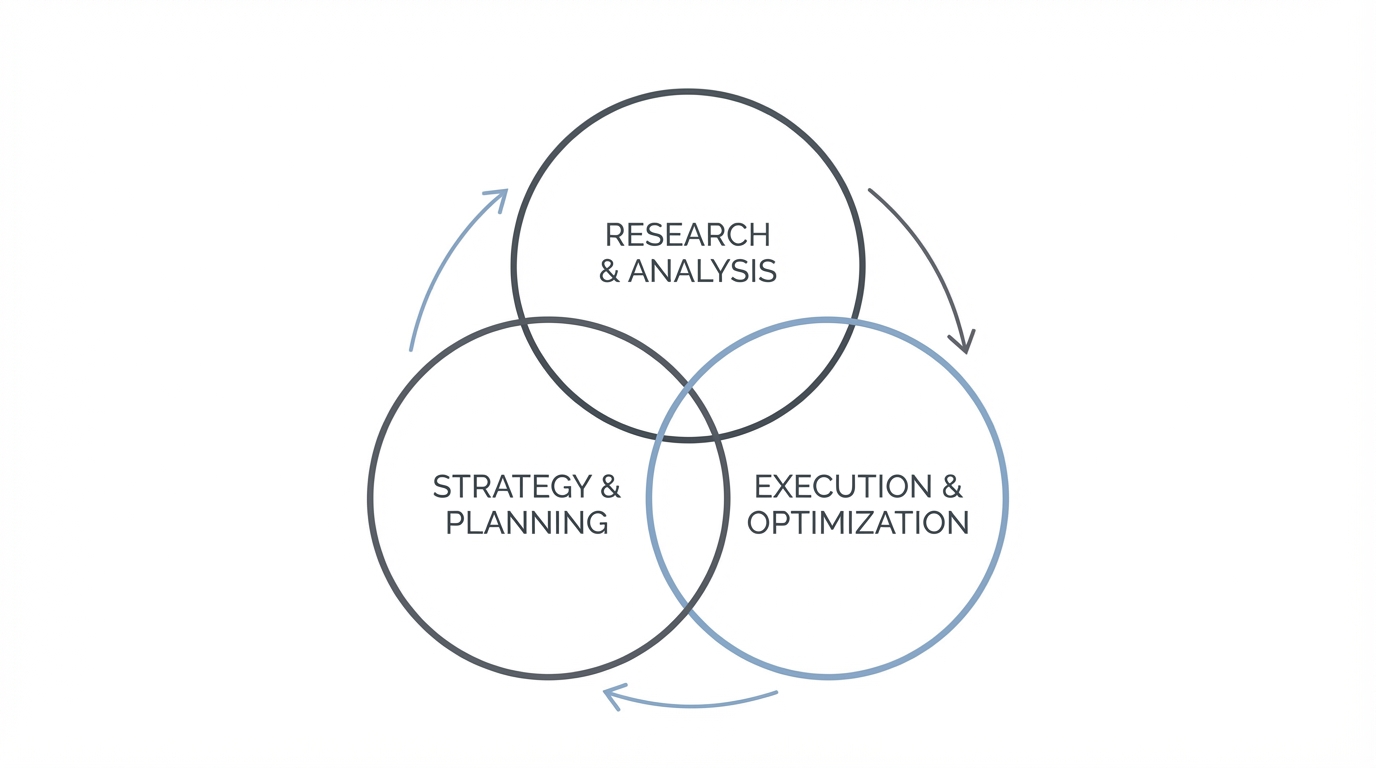
One of the biggest hurdles in the app business is Customer Acquisition Cost (CAC). If you build a meditation app and a car repair app, you have to find two entirely different sets of customers. However, if you build a suite of apps for 'desk-bound professionals'—such as a posture corrector, a hydration tracker, and a focused work timer—the audience overlap becomes your greatest asset. You can cross-promote your apps to the same user base, effectively turning a single customer into a multi-product subscriber.
Pre’s portfolio is a masterclass in this. His current lineup includes:
1. Go Polar: A tool for tracking cold plunges and saunas.
2. SunSeek: An app for circadian rhythm and vitamin D tracking.
3. Posture AI: A tool for desk workers to correct poor posture.
4. Tempo: A health aggregator that pulls data from all wearables.
These aren't random. A person who cares about their cold plunge metrics is highly likely to care about their sleep (SunSeek) and their desk ergonomics (Posture AI). By targeting the same niche, the Wellness Company doesn't have to 'warm up' a new audience every time they launch. They already have a list of 20,000+ downloaders and 1,500 paying subscribers who trust their brand. This trust is the ultimate shortcut to passive income apps that grow through word-of-mouth and organic search rather than heavy ad spend.
The Math of $10,000/Month: Conversion and Retention Metrics
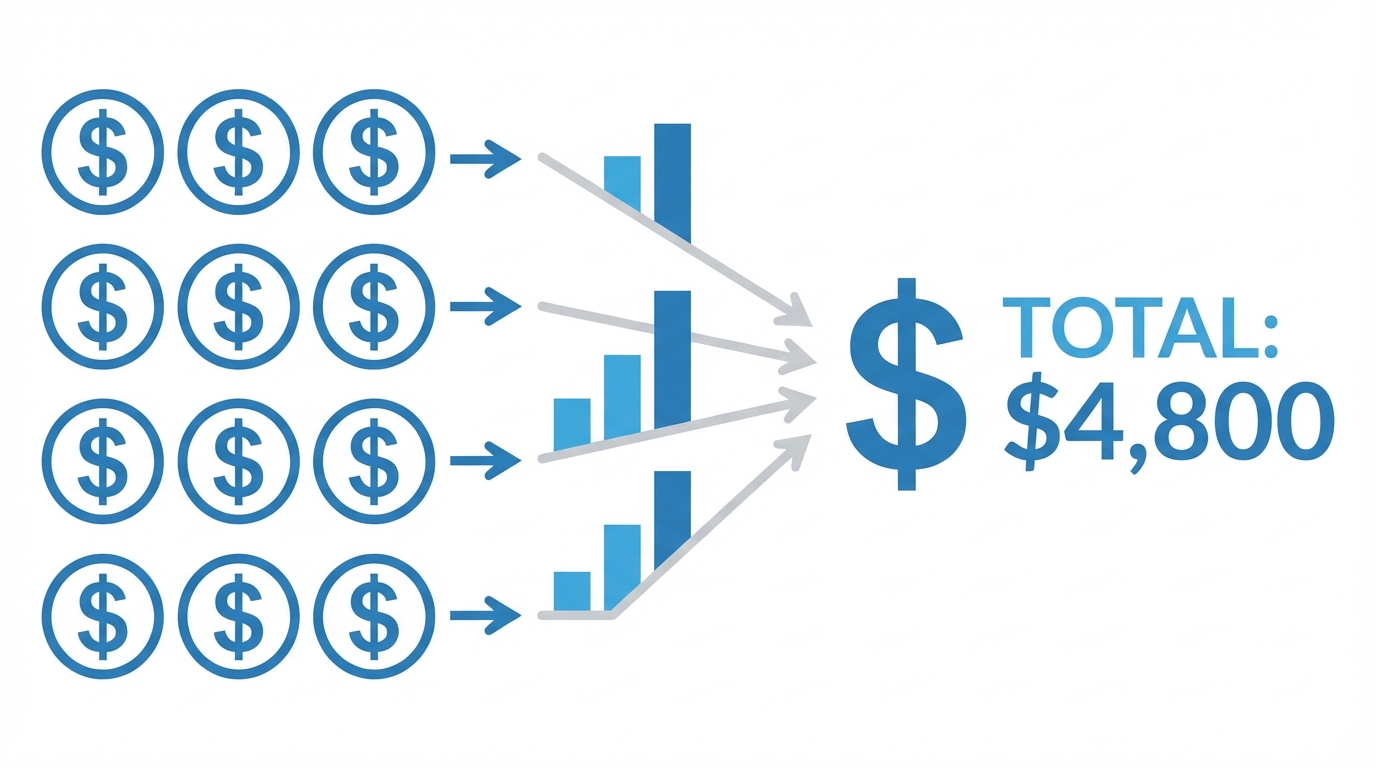
To reach a $120k ARR, you don't need millions of users; you need a few thousand highly engaged ones. Pre’s numbers provide a realistic blueprint for anyone looking to build a sustainable mobile app business model. With 10.4K in monthly revenue, the focus shifts from raw downloads to conversion and retention. Specifically, he sees a free-to-paid conversion rate of 8%, which is significantly higher than the industry average for broader categories. This is the power of being 'hyper-niche'—when an app solves a very specific pain point (like tracking the exact temperature of a cold shower), users are much more willing to pay.
Equally impressive is the Day 30 free-to-paid retention of 61%. In the world of subscription app revenue, retention is the only metric that guarantees long-term success. High retention suggests that the apps are solving a recurring problem, not just a one-time curiosity. To monitor these metrics effectively, successful studios often use PostHog for behavioral analytics and Sentry for crash monitoring to ensure the user experience remains flawless.
The 5-Step Playbook for Building Your App Portfolio
If you want to move from an idea to a $10k/month app portfolio, you need a repeatable process. Following the 'Pre Playbook,' here are the steps to building your own studio from scratch:
Step 1: Identify a Deep Interest
Don't look for what's trending; look for what you already care about. Whether it's ASO (App Store Optimization) for niche hobbies or health and wellness, starting with passion ensures you have the stamina to survive the initial building phase. Passion also gives you an edge in product design; you know the nuances that a generalist developer would miss.
Step 2: Find Organic Problems
Pay attention to the friction in your daily life. Pre noticed there wasn't a great app to track cold plunges on an Apple Watch. That gap in the market became Go Polar. When you encounter a problem naturally, you are your own first customer. This allows you to validate the mobile app business model before you even write a line of code.
Step 3: Build a Rapid MVP
Speed is your best friend. Do not spend months over-analyzing features. Use modern AI-powered tools like Lovable, Replit, or Bolt to ship a Minimum Viable Product quickly. The goal is to get the app into the hands of users to see if the core value proposition sticks.
Step 4: Think About Distribution on Day 0
Before you launch, know how you will reach your users. In the niche app world, distribution often comes from organic search or specific niche creators. If there isn't a creator already dominating your niche, you become the creator. Documenting your journey or sharing tips related to the app's utility can build an audience before the app even hits the store. For those looking to scale faster, using Stormy AI to find UGC (User Generated Content) creators via natural-language prompts can provide high-converting assets for mobile app ads and TikTok organic growth.
Step 5: Put in the Reps
The first app might not be the winner. The app portfolio strategy relies on the fact that you get better with every launch. Pre’s second app, SunSeek, was crafted better than his first because of the 'reps' taken during the Go Polar launch. Keep shipping, keep iterating, and eventually, the compound effect of multiple apps will create a robust revenue stream.
Building Lean: The $300/Month Tech Stack
One of the most attractive parts of the passive income apps model is the incredibly low overhead. While a traditional SaaS might require thousands in server costs and sales teams, a mobile app studio can run on a shoestring budget. Pre manages a $120k ARR business with only $300 a month in tool costs. This lean approach is possible by leveraging specialized platforms for different parts of the business:
- Design: Figma for rapid prototyping and UI design.
- Development: Xcode for iOS and Supabase for a powerful, scalable backend.
- Operations: Linear for staying organized across multiple projects.
- Marketing: Framer for landing pages and CapCut for video ad editing.
By keeping costs low, the mobile app business model remains highly profitable even during months with lower download volumes. Apple takes a 15% cut (for developers earning under $1M), but after that and the minimal tool costs, founders are looking at nearly 85% margins. This is far superior to most e-commerce models where platforms like Shopify or NetSuite integrations are just one part of a complex, physical supply chain.
Leveraging UGC and AI for Growth
Once you have a functional app, the challenge shifts to growth. In the current social-media-first landscape, traditional Google Ads or static banners often fall flat. Instead, the most successful niche mobile apps rely on User Generated Content (UGC). Seeing a real person use Posture AI to scan their desk setup or Go Polar to track a winter dip is far more persuasive than a stock image.
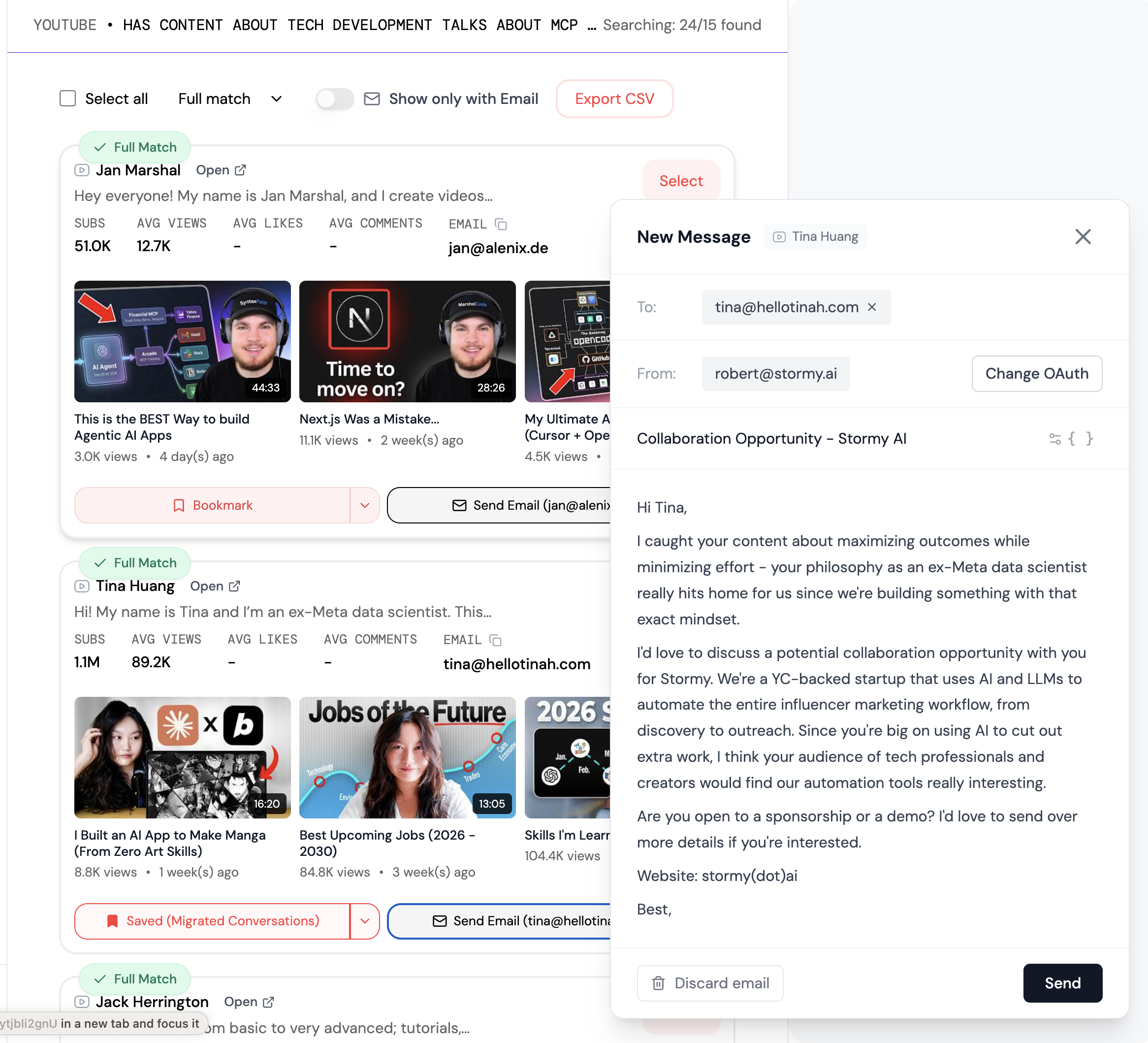
This is where AI-powered creator discovery becomes a game-changer. Rather than manually searching through hashtags, founders can use Stormy AI to identify influencers who specifically talk about biohacking, longevity, or productivity. You can then set up an autonomous AI agent to handle personalized outreach and follow-ups while you sleep. Sending a free subscription to 50 micro-influencers in a hyper-niche space can result in a massive spike in organic downloads. When combined with App Store Optimization (ASO), this creator-led growth creates a powerful 'flywheel' effect: influencers drive downloads, downloads improve App Store rankings, and rankings drive more organic users.
Conclusion: Your Path to $120K ARR
Building a portfolio of niche mobile apps is not a get-rich-quick scheme; it is a disciplined approach to software entrepreneurship. By focusing on a specific audience, you solve the problem of high CAC through cross-promotion and shared brand trust. By shipping quickly and iterating often, you develop the 'product muscle' necessary to build world-class experiences.
The math is clear: you don't need a unicorn. You need three to five apps making $2,000 to $3,000 a month each. With a lean tech stack, high subscription app revenue retention managed via a Stormy AI creator CRM, and a smart distribution strategy involving UGC and creator partnerships, reaching $120,000 ARR is a repeatable, achievable goal. If you have an idea that solves a personal pain point, stop overthinking and start building. The reps you take today are the foundation of your future app empire.