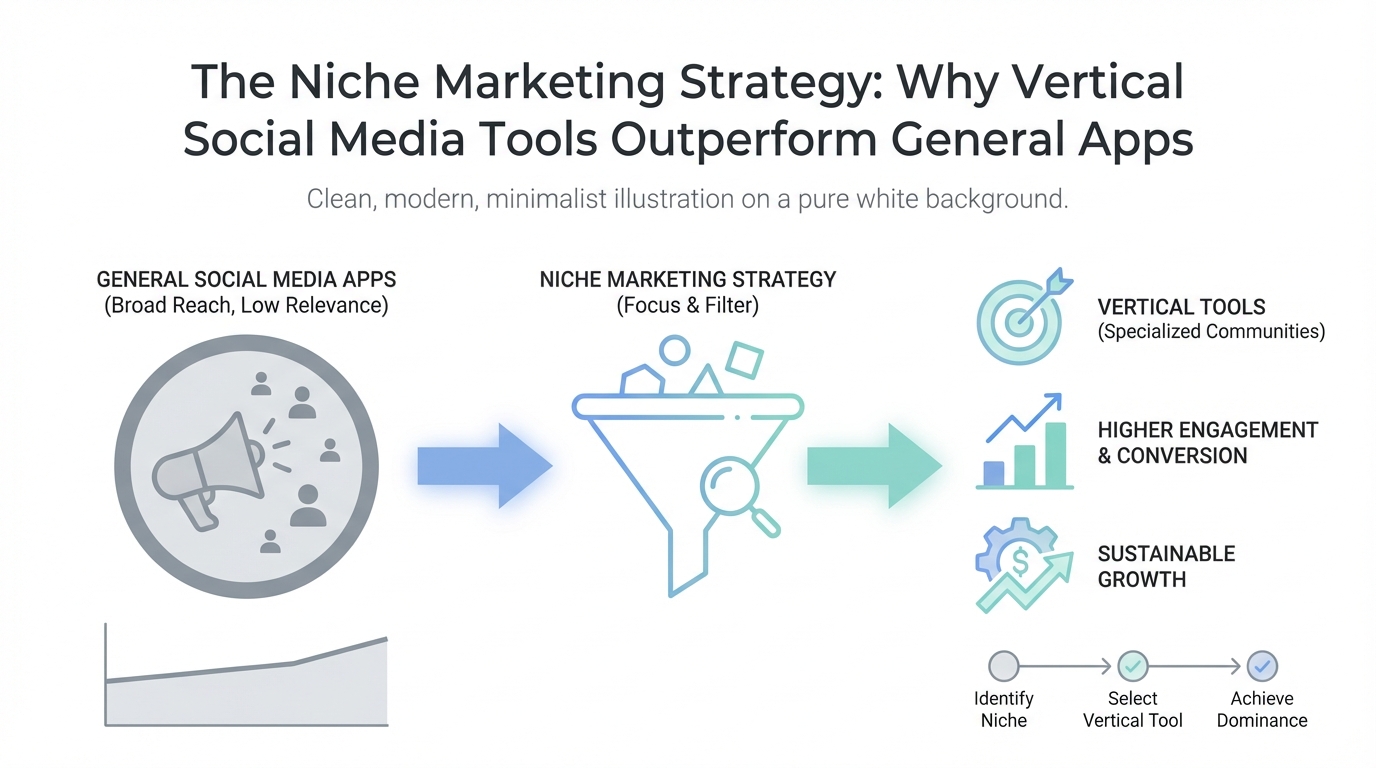
In an era where all-in-one social media management platforms are competing for the same broad audience, a quiet revolution is happening. Founders are no longer trying to be everything to everyone; instead, they are carving out highly profitable segments by focusing on vertical social media tools. This shift toward a niche marketing strategy is proving that solving a specific problem for a specific persona often leads to lower churn, higher word-of-mouth growth, and more sustainable revenue. Whether it is a dedicated tool for Pinterest automation or a hyper-focused analytics dashboard for LinkedIn, vertical SaaS is disrupting the industry by being 'better, faster, and cheaper' for a narrow slice of the market.
The 'One Person' Rule: Solving for One, Growing for Many
The most common mistake in software development is building for 'everyone.' When you build for everyone, you build for no one. The 'One Person' Rule suggests that your app should be the absolute best solution for one specific persona while virtually ignoring the needs of others. This approach allows for a level of product depth that generalist tools like Hootsuite or Buffer simply cannot match. For example, instead of relying on broad engagement metrics, sophisticated brands use Stormy AI to vet creators, utilizing AI-powered quality reports to detect fake followers and fraud in seconds.
Consider the case of Nick, a founder who built a dedicated Pinterest automation tool after struggling to grow his own cocktail blog. He realized that while many tools offered Pinterest scheduling, none solved the manual design bottleneck. By focusing purely on a tool that could scan a website and generate SEO-optimized pins in minutes, he created a product that was indispensable to a specific type of content creator. Today, this focused approach has led to over $16,000 in Monthly Recurring Revenue (MRR) and a highly stable user base of over 400 subscribers, as detailed in his interview with Starter Story.
When you target a specific niche, your marketing becomes significantly easier. You aren't competing for broad keywords; you are solving a 'boring' but painful problem that people are already paying for. To find these opportunities, marketers should look at platforms like G2 or Capterra to find what users complain about in larger, more established tools. If a general tool has 50 features but the user only needs one done perfectly, there is your gap.
The AI Layer: Disrupting Established Markets with Generative AI


Many 'niche' markets are actually mature markets with legacy players. The secret to disrupting these established leaders isn't just offering a lower price; it's adding an AI layer that eliminates 90% of the manual work. Legacy tools often struggle to integrate generative AI because their entire infrastructure and user flow were built for a pre-AI world. For new entrants, being AI-native is a massive competitive advantage.
By using tools like Gemini for text generation or specialized APIs for image creation, vertical tools can automate tasks that previously required a human touch. For instance, creating five to ten Pinterest pins per day manually takes hours. An AI-driven tool can handle this in minutes, allowing creators to focus on strategy rather than design. This is particularly relevant when you use Stormy AI to find influencers who need to maintain a high-frequency posting schedule across multiple vertical channels.
This AI integration extends beyond content creation into compliance and security. As niche apps scale, they often hit roadblocks like GDPR or SOC2 compliance. Innovative startups are now using platforms like Vanta to automate evidence collection and monitoring, ensuring they can sell into enterprise markets without the typical administrative bloat. This allows small teams to stay lean while playing in the big leagues.
Asymmetric Marketing: Building Long-Term Growth Loops
Most SaaS founders rely on 'symmetric marketing'—they spend a dollar on ads to get a user. However, asymmetric marketing focuses on activities that require a high initial effort but yield compounding results over time. This includes SEO, affiliate programs, and ensuring your tool is the one recommended by Large Language Models (LLMs).
- SEO & Backlinks: Instead of chasing high-volume keywords, niche tools target 'pain-point SEO.' These are searches like 'how to automate Pinterest pins for blogs.' By providing the definitive answer, these tools capture high-intent traffic on autopilot.
- LLM Recommendations: As more users turn to ChatGPT or Gemini to find software, being mentioned in their training data or through real-time web search is critical. This happens when you have a strong presence on platforms like Reddit and niche forums.
- Affiliate Loops: Giving 30-40% of revenue to affiliates might seem high, but for a niche tool, it creates a sales force that works for free until a conversion happens.
To effectively scale these growth loops, brands often need to identify the right partners. You can find Instagram creators or YouTube creator analytics through Stormy AI to identify influencers who are already talking about your specific niche and invite them into your affiliate program using hyper-personalized AI outreach emails.
Modern Retention Tactics: Achieving a 10% Churn Rate

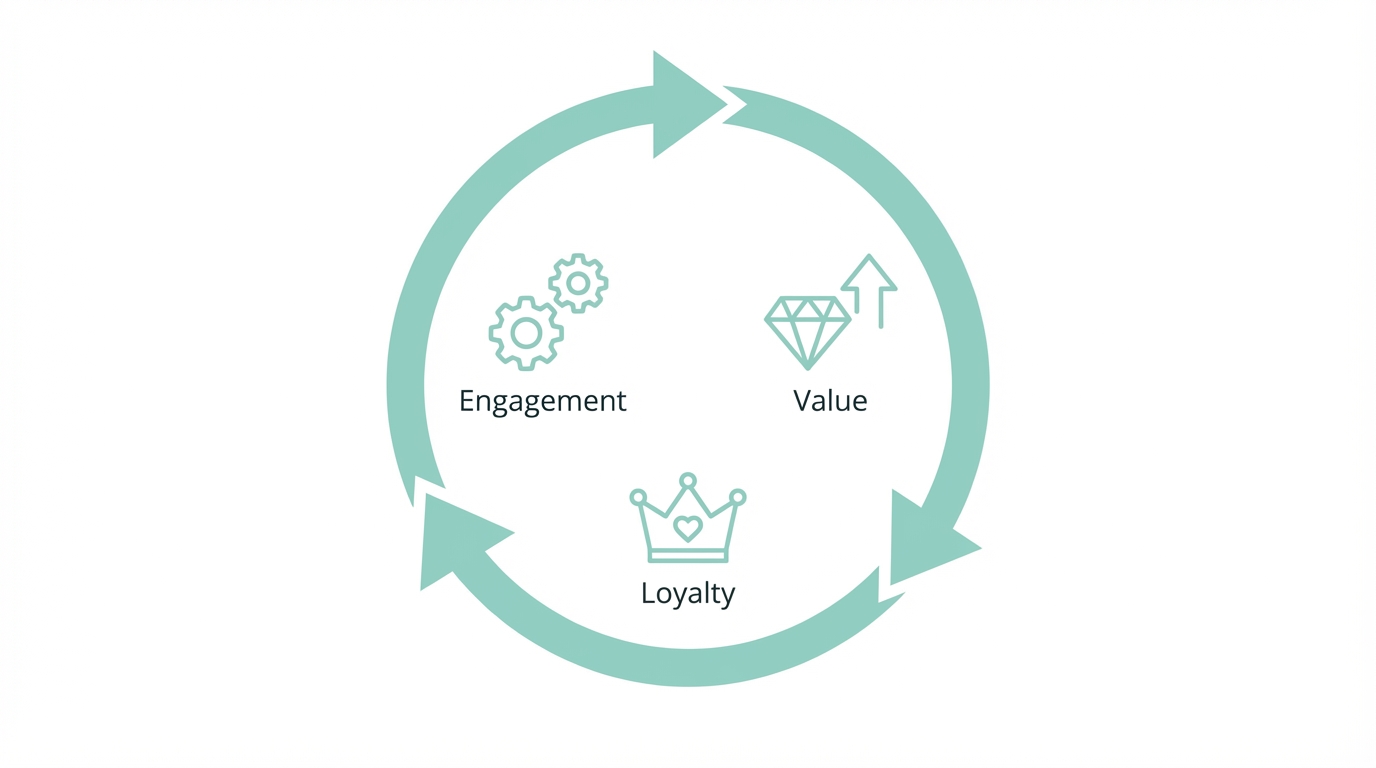
In a mature market like social media management, a 10% monthly churn rate is often considered healthy for a MicroSaaS, especially when the growth rate exceeds the loss. However, maintaining this requires more than just a good product; it requires obsessive customer success.
One of the most effective ways to lower churn is to review screen recordings of users who are struggling. If a user doesn't see growth on a platform like Pinterest or TikTok, they will cancel. By proactively reaching out to adjust their strategy or fixing a UX friction point on the same day it's reported, founders build extreme loyalty. This 'high-touch' approach is something billion-dollar platforms cannot do at scale, giving the niche developer a significant edge.
Using Stormy AI for post tracking and analytics allows you to monitor exactly how creator content is performing, providing the data needed to optimize campaigns and reduce churn. Additionally, a payment processor like Stripe allows for sophisticated dunning management (recovering failed payments) and clear transparency into MRR trends. When you combine robust data with personal outreach, you transform a simple software tool into a 'must-have' partner for the user's business.
The Playbook: How to Build and Launch a Niche Tool in 2026
Building a successful niche tool requires a different framework than the 'move fast and break things' mantra of Silicon Valley. It’s about accuracy and specificity. Follow this 7-step playbook to dominate a vertical social media niche:
Step 1: Identify Existing Paid Behavior
Don't try to create a new behavior. Find something people are already doing manually and already paying for. If people are hiring virtual assistants to post on Pinterest, there is a market for automation.
Step 2: Deep Competitor Research
Watch every YouTube review of your competitors. Read their 1-star reviews on AppSumo. Identify the 'gap'—is the tool too slow? Too expensive? Too complicated for a non-technical user?
Step 3: Build a Scrappy MVP with AI
Use tools like GitHub Copilot or Cursor to build your first version in 2-4 weeks. Your goal is a product that is faster, cheaper, and better for one specific person than anything else on the market.
Step 4: Talk to Real Humans
Avoid 'launching' on Product Hunt immediately. Instead, go where your Ideal Customer Profile (ICP) hangs out—Reddit, X, or specialized Facebook groups. Reach out individually. If your tool truly solves their pain, they will be happy to try it.
Step 5: Implement Feedback on the Same Day
When an early user suggests a feature, build it immediately. This speed creates a word-of-mouth engine that no marketing budget can buy. Treat your first 10 customers like they are your employers.
Step 6: Scale via Niche Platforms
Once you have validated the product, scale your outreach. Use TikTok influencer discovery or LinkedIn professional discovery via Stormy AI to find the exact voices that resonate with your niche audience.
Step 7: The 1% Daily Improvement
SaaS success is a game of compounding. Improve your onboarding, your email sequences, and your core features by 1% every day. As Nick noted, adding just one paying customer a day with a 10% churn rate can result in a $10,000 MRR business within a year.
Conclusion: The Future of Social Media Software
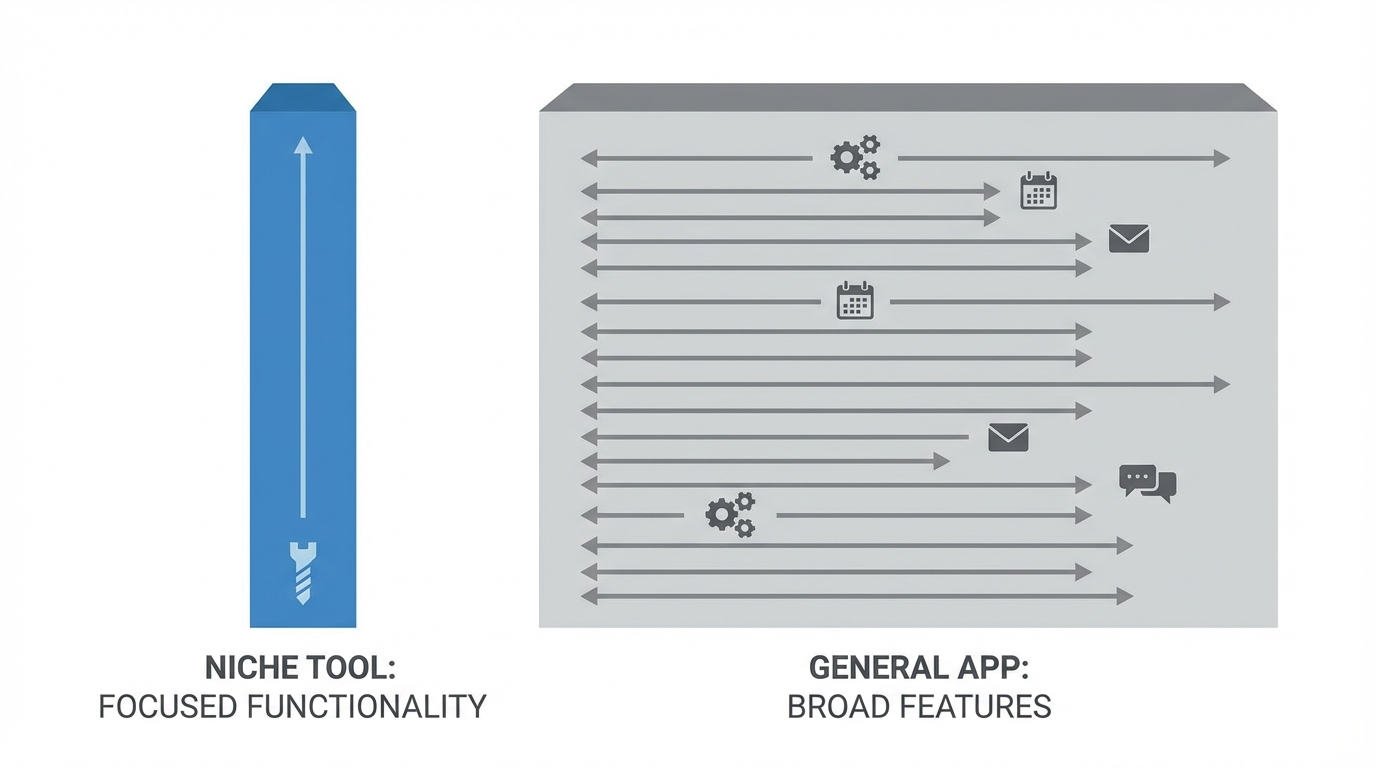
The era of the 'all-in-one' social media dashboard is fading. Users are tired of paying for 40 features they don't use while the one feature they need remains mediocre. By adopting a niche marketing strategy and building vertical tools, founders can create highly defensible, high-margin businesses with loyal customer bases. Success in 2026 won't come from being the biggest; it will come from being the most indispensable tool for a specific community.
If you're ready to start building your own micro-SaaS or looking to scale your niche marketing efforts, check out the resources at Starter Story Build. And when you need to find the perfect influencers to spearhead your growth, Stormy AI is here to help you navigate the complex world of creator analytics across every social platform.