In the modern creator economy, there is a common misconception that massive view counts are the only path to a massive bank account. We see influencers chasing trending sounds, sensationalist thumbnails, and the latest algorithm hacks in a desperate bid for virality. However, the most sustainable and profitable businesses are often built in the quiet corners of the internet. By prioritizing a niche marketing strategy that fulfills existing search intent rather than trying to manufacture attention, creators can build high-margin businesses without the burnout associated with the viral hamster wheel.
Take the example of Thomas Frank, who built a business generating over $100,000 per month selling digital templates. While his main YouTube channel boasts nearly three million subscribers, it was his smaller, hyper-niche channel focused specifically on the software Notion that drove the most consistent revenue. This shift from broad entertainment to specific utility illustrates why understanding youtube search engine optimization and user demand is the ultimate content monetization hack. In this guide, we will break down the playbook for identifying high-revenue niches and dominating them through strategic search intent.
Fulfilling Existing Demand: The Zapier Model


The foundation of a successful niche marketing strategy is the transition from "look at me" to "how can I help?" Instead of trying to convince an audience to care about a new topic, successful entrepreneurs identify what people are already searching for. This is often referred to as fulfilling groundswell demand. As highlighted in the Starter Story interview with Thomas Frank, the gold standard for this approach is Zapier. Zapier doesn't just market automation software; they create content around the thousands of apps they integrate with, capturing users who are already looking for solutions to specific workflow problems.
When you focus on search intent, you are targeting users at the moment they have a problem. This is far more valuable than catching a casual scroller's eye on a FYP (For You Page). For instance, a user searching for "how to set up a CRM in Notion" is significantly more likely to purchase a $100+ template than someone who stumbled upon a viral productivity hack video. This is where influencer strategy shifts; it is no longer about reaching everyone, but about being the definitive answer for the right people. To find these specific creators who are already answering these niche questions, savvy brands use Stormy's AI search to filter for influencers with high topical authority across TikTok, YouTube, and Instagram rather than just high follower counts.
By leveraging platforms like YouTube as a search engine, you can identify "pain points" in software or industries. Are users complaining about a lack of templates? Are they confused by a new feature release? By being the first to provide a clear, high-quality solution, you establish a monopolistic position in that search query. This is a compounding asset: as more people click and watch, the search engine rewards you with even more traffic, creating a self-sustaining customer acquisition funnel.
The Power of 'Fundamentals' Content

Once you have identified a niche, the next step is building trust. Many creators make the mistake of jumping straight into advanced, complex topics to show off their expertise. However, the most effective niche marketing strategy involves mastering the "Fundamentals." Creating a free, comprehensive beginner's course or a series of "how-to" build guides establishes you as the primary educator in the space. When you give away the foundational knowledge for free, you lower the barrier to entry for your audience and build immense goodwill.
Thomas Frank's strategy involved creating 45-minute "build guides" where he showed viewers exactly how to replicate his templates for free. This might seem counterintuitive for content monetization, but it serves two critical purposes: it proves the product's value and creates a segment of users who realize they would rather pay for the finished $129 Ultimate Brain template than spend hours building it themselves. This is the hallmark of a smart influencer strategy—providing so much value that the paid offering becomes the logical next step for the user's convenience.
To ensure this content is reaching the right audience, analyzing social media analytics is vital. You need to know if your "fundamentals" content is actually being discovered by new users or just seen by your existing fans. Unlike old-school tools like Tagger or Captiv8, Stormy's AI influencer vetting allows you to detect fake followers and analyze deep audience demographics to ensure a creator's audience is genuinely interested in a specific niche. This level of vetting ensures that your marketing efforts are focused on high-intent leads.
Repetition and 'Reps': The Compounding Body of Work
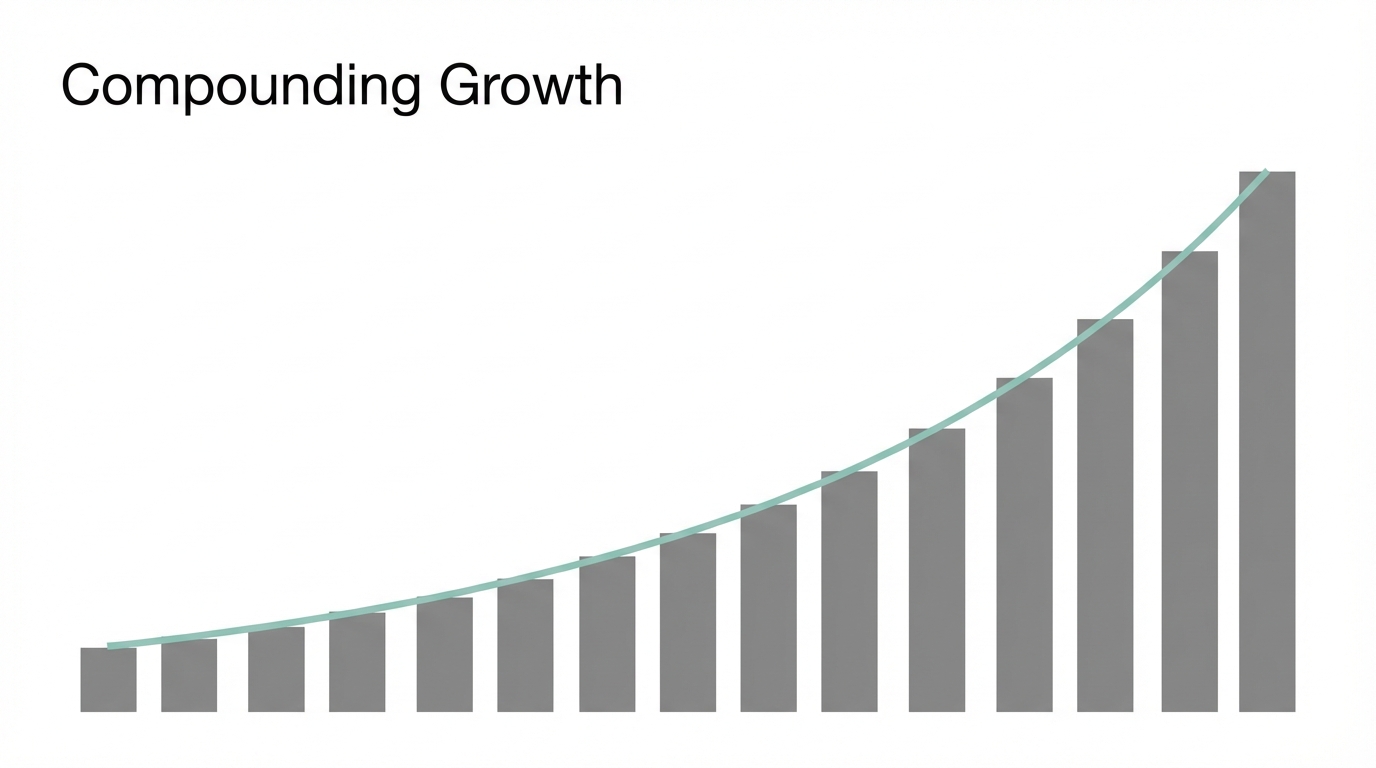
Success in niche marketing is rarely the result of a single brilliant post. It is the result of what Thomas Frank calls "getting your reps in." Every video, blog post, or newsletter is a data point in a feedback cycle. When you publish on a consistent schedule—whether it's weekly or bi-weekly—you aren't just building an audience; you are compounding your skills. Over two to three years, these reps transform a novice into a world-class creator who understands lighting, editing, and, most importantly, audience psychology.
This repetition is essential for youtube search engine optimization. Following YouTube's discovery best practices, the more content you have covering different facets of a niche, the more likely you are to dominate the search results. It creates a "moat" around your business. A competitor might be able to copy one product, but they cannot easily replicate a body of work consisting of hundreds of educational videos and a loyal email list managed through platforms like ConvertKit. This long-term view of content monetization is what separates those who make a quick buck from those who build a million-dollar enterprise.
For brands working with creators, tracking the long-term performance of these "reps" is crucial. You don't just want to know how a post performed in the first 24 hours; you want to see the long-tail traffic it generates from search months later. Using Stormy's post tracking and analytics, marketers can monitor individual video views, likes, and engagement growth over time, ensuring their partnerships continue to deliver ROI long after the initial launch date.
The 'Fan First' Networking Strategy
Even a solo entrepreneur cannot succeed in a vacuum. A key component of a robust niche marketing strategy is building a support system of like-minded founders. Thomas Frank advocates for a "Fan First" approach to networking. Instead of cold-pitching or asking for favors, start by becoming a genuine fan of the people you admire. Engage with their content, share their work on LinkedIn or X (formerly Twitter), and provide value in their comment sections.
This organic interaction often leads to meaningful conversations, friendships, and eventually, business collaborations. Being part of a network of ambitious founders provides a feedback loop that you can't get from an audience alone. They can offer advice on pricing strategies, help troubleshoot technical issues with tools like Pipedream, or recommend the best merchant of record services like Lemon Squeezy to handle global taxes. Networking isn't about what you can get; it's about the collective intelligence of your circle.
Managing these high-value relationships requires organization. Just as you manage your content, you should manage your professional network. Stormy's creator CRM is designed to help you track deal stages and collaboration history, ensuring you follow up with creators and maintain the momentum of your fan-first connections. Whether you are an influencer looking for brand deals or a founder looking for creator partners, keeping your network organized in a dedicated CRM is a competitive advantage.
Overcoming Perfectionism: The 'Good Enough' Feedback Loop

Perhaps the greatest hurdle to a successful niche marketing strategy is the desire for perfection. Many creators spend weeks or months on a single project, only to never publish it because it doesn't meet an impossible standard. The reality of the digital age is that done is better than perfect. The goal is to get the content out, gather feedback, and iterate. The market will tell you what is working; your internal critic usually just tells you to stay safe.
Thomas Frank admits to struggling with perfectionist tendencies, but notes that the most significant growth came when he forced himself to publish on a schedule. This creates a feedback loop where even "harsh" feedback becomes a valuable lesson for the next piece of content. This is especially true for UGC (User-Generated Content) and mobile app marketing, which Nielsen reports is one of the most trusted forms of advertising. If you are trying to drive app installs, you need to test multiple hooks and formats to see what resonates with the App Store Optimization (ASO) environment. You can't predict what will work; you have to test it.
For those managing multiple outreach campaigns, the fear of sending the "wrong" email can be paralyzing. However, automation can help bridge the gap between quality and quantity. By using Stormy's AI email outreach, you can generate hyper-personalized emails and set up autonomous agents to handle follow-ups while you sleep. This allows you to overcome perfectionism by letting the AI handle the heavy lifting of personalization, so you can focus on the big-picture strategy.
Conclusion: Building for the Long Term
Dominating a high-revenue niche is not about luck; it is about intentionality. By focusing on search intent, you ensure that there is a hungry audience waiting for your content. By mastering the fundamentals, you build a foundation of trust. Through consistent reps and fan-first networking, you create a compounding asset that becomes harder and harder for competitors to displace. Finally, by abandoning perfectionism, you allow yourself the freedom to learn and grow in public.
Whether you are selling Notion templates, offering consulting services, or promoting a mobile app, the principles remain the same: solve real problems for specific people. As you build your niche marketing strategy, remember that the most powerful tools are the ones that help you find the right people and manage those relationships at scale. Ready to find the creators who can help you dominate your niche? Start your journey with Stormy AI today and turn search intent into a thriving business.