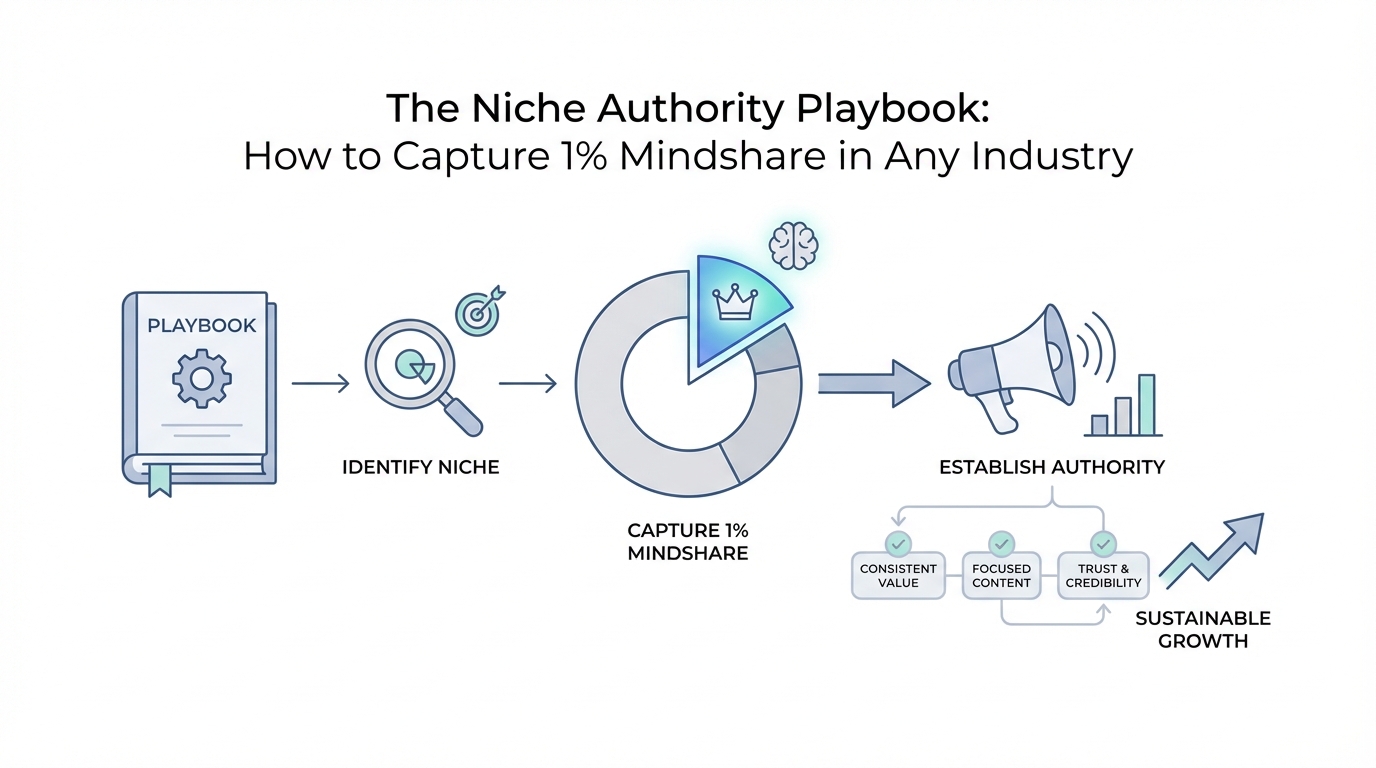
In the age of the algorithm, the instinct for most brands and creators is to go broad. We are taught that more followers equals more influence, and that a wider net yields a bigger catch. However, a new class of digital power players is proving the opposite. From 'Car Dealership Guy' on X/Twitter to industry-specific newsletter titans, the real power lies in dominating the top 1% of a narrow vertical. By focusing on 'Inside Baseball' content—high-level insights that only practitioners truly understand—these experts are attracting 'whale' followers: CEOs, celebrities, and institutional investors who ignore generalist influencers but hang on every word of a niche authority.
The Myth of Generalist Fame and the Power of the 1%
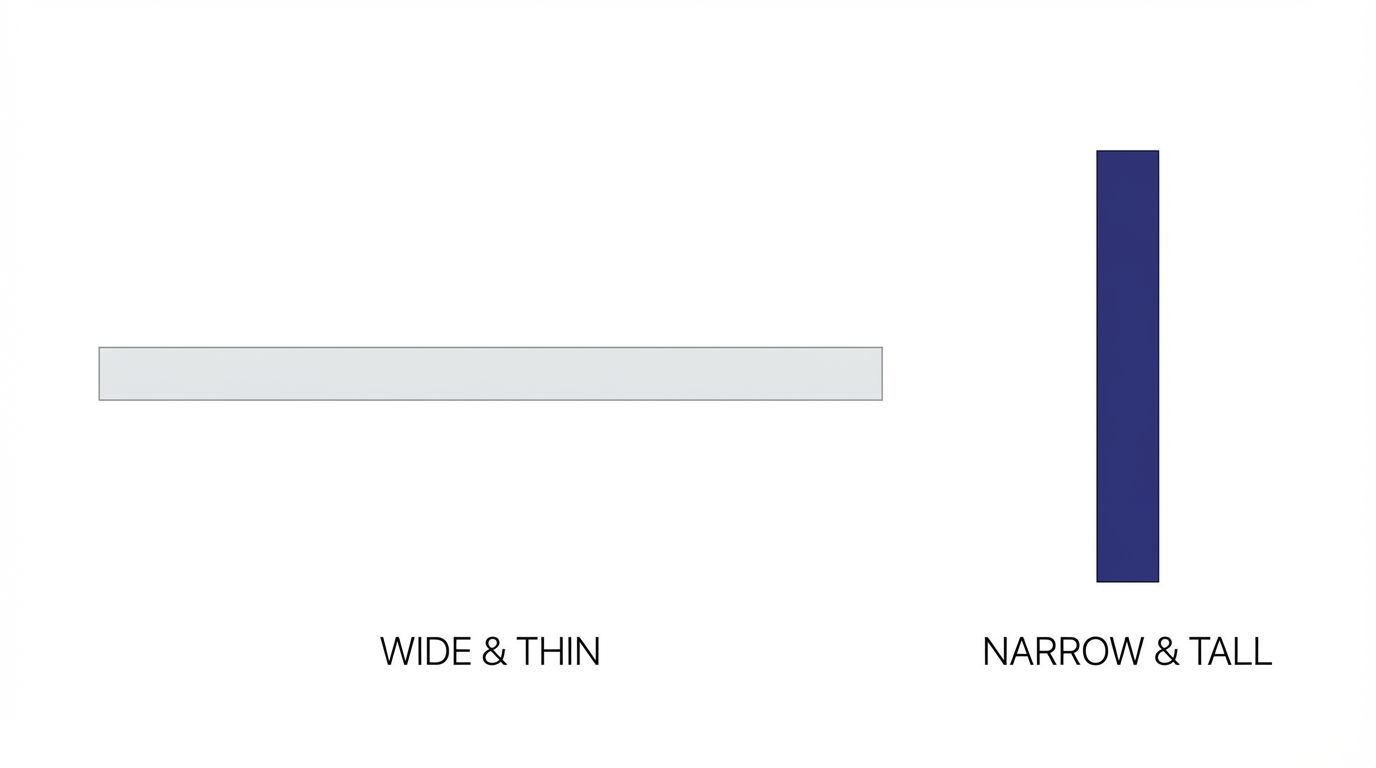
For years, the gold standard of social media success was the follower count. But as the landscape shifts toward b2b influencer marketing and hyper-specialization, a niche marketing strategy is often more lucrative than having a million disengaged followers. Being the go-to authority for a specific industry—whether it's auto dealerships, fintech infrastructure, or supply chain logistics—creates a 'mindshare' that is impossible to replicate with generic content.
When you focus on a specific niche, you aren't just shouting into a void; you are entering a room where the top 1% of that field already congregates. As discussed in recent industry deep-dives, platforms like X/Twitter and LinkedIn have become the modern equivalent of a high-stakes industry mixer. If you can capture the attention of the key players in that room, you don't need the other 99% of the internet to know your name.
The 'Inside Baseball' Strategy: Providing High-Level Insights for Free

To build brand authority, you must stop writing for the masses and start writing for the masters. This is the 'Inside Baseball' strategy. It involves sharing the nuanced, technical, and often unvarnished truths of an industry that outsiders wouldn't know. It’s the difference between a generalist saying 'The car market is down' and a niche expert explaining the specific floor plan interest rate fluctuations affecting mid-sized dealerships in the Southeast.
When you provide this level of insight for free, you create a massive information asymmetry in your favor. Industry leaders begin to rely on your analysis to make sense of their own world. This is exactly how creators like those at Barely AI or niche-focused newsletters have built massive leverage. They aren't just reporting news; they are providing the 'connective tissue' between raw data and actionable strategy.
Attracting 'Whale' Followers: Why Specificity is a Magnet for Titans

A common fear in building brand authority is that being too specific will alienate potential followers. In reality, specificity acts as a filter that keeps the noise out and pulls the 'whales' in. A 'whale' follower is a high-value individual—a CEO of a Fortune 500 company, a venture capitalist, or a major celebrity—whose single engagement can change the trajectory of a business.
These individuals do not follow 'lifestyle' influencers for business advice. They follow people who demonstrate a deep, obsessive understanding of a vertical. For example, if you are an expert in AI implementation for enterprise, you shouldn't just talk about OpenAI in general terms. You should be discussing SSO integration, on-premise data localization, and token optimization. This specific thought leadership content signals to high-level executives that you speak their language and understand their unique pain points.

Tactics for Researching and Citing Primary Sources
In a world of 'riffing' and re-sharing, the person who goes back to the primary source wins. Traditional media has 'jumped the shark' in many eyes because the incentives have shifted toward clicks rather than deep reporting. To stand out, your social media analytics for brands should be backed by original research. This might mean calling five to ten industry insiders to verify a trend before posting about it, rather than just summarizing a Bloomberg or New York Times article.
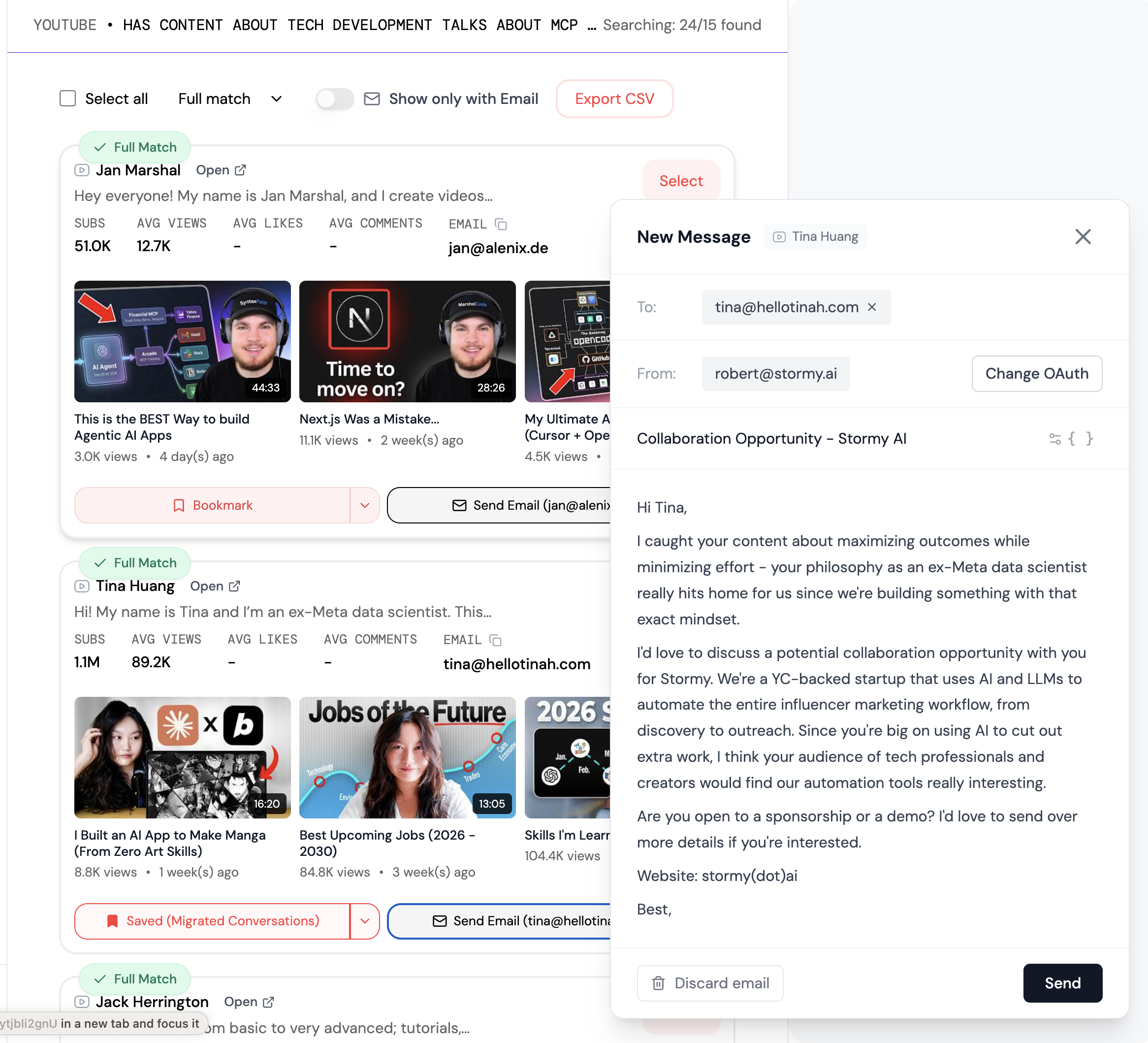
When you cite primary sources or provide original data, you become the person that the legacy media has to cite. This creates a powerful feedback loop. Once a niche expert is cited in TechCrunch or the Wall Street Journal, their authority is cemented, making it even easier to attract more high-value followers. Using tools like Stormy AI can help source these niche creators and industry experts across platforms like TikTok and LinkedIn, allowing you to see who is actually driving the conversation in a specific vertical before you even reach out.
The Transition: From Niche Expert to Industry-Wide Influencer
The final stage of the playbook is leveraging your 1% mindshare to expand. Once you have captured the 'inner circle' of a niche, you have the credibility to move into adjacent markets. This is how a writer focused on 'partying at McGill' can transition into business comedy, then into fintech, and eventually into a broad-market thought leadership position. The trust you build in the narrow vertical is portable.
However, the transition must be handled carefully. You cannot abandon the 'Inside Baseball' content that got you there. Instead, you use your niche authority as a foundation to launch new ventures. Whether it’s starting a community like You Probably Need a Robot or launching a design service, your distribution becomes the ultimate competitive advantage. You no longer need to pay for Google Ads or Meta Ads when you own the attention of the people who make the buying decisions.
The Role of AI in Managing Niche Relationships

As your authority grows, the volume of interactions becomes unmanageable. This is where modern tools become essential. To maintain the 'high-touch' feel that whale followers expect, savvy creators use AI to personalize their outreach and manage their networks. For instance, Stormy AI allows brands to not only discover these niche influencers but to vet them for engagement fraud and manage the entire relationship through a dedicated Creator CRM.
By automating the discovery and initial outreach process, you can spend more time on the high-level 'Inside Baseball' thinking that keeps you at the top of your field. Whether you are using ChatGPT to draft nuanced emails to vendors or using specialized platforms to track campaign performance, AI is the force multiplier that allows a niche expert to perform like a massive media corporation.
Conclusion: Your Path to 1% Mindshare
Capturing 1% mindshare in an industry isn't about being the loudest person in the room—it's about being the most indispensable. By prioritizing niche marketing strategy over generalist fame, you build a moat of authority that is resistant to algorithm changes and market shifts. Start by identifying your 'Inside Baseball' insights, commit to primary source research, and use tools to manage your growing network. When the whales start following, you'll know you've moved from being just another creator to becoming an industry titan. Remember, the goal isn't to be known by everyone; it's to be unforgettable to the right people.