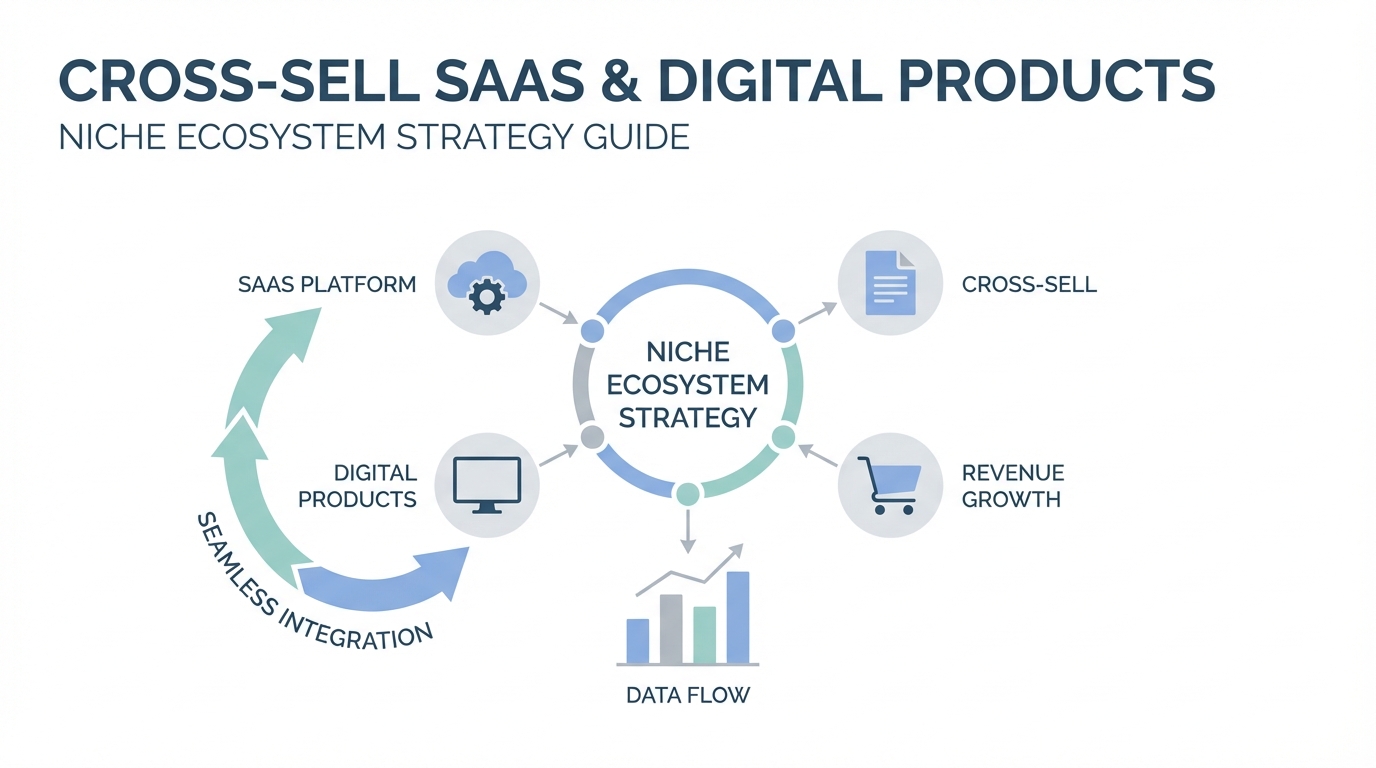
The dream of the "one big idea" is the siren song that leads many entrepreneurs to burnout. We are taught to look for the unicorn, the single SaaS product that will change everything, but the reality of the market is far more volatile. Most projects fail not because the founder lacks talent, but because the timing, distribution, or market fit isn't quite right. The secret to sustainable success in the modern digital economy isn't betting the house on one spin of the wheel; it is building a niche marketing strategy that focuses on a portfolio of interconnected products. By staying within a single vertical, you can turn a single audience into a compounding engine of growth where every new product reinforces the last.
The Mistake of Niche Hopping and the Power of One

One of the most common errors founders make is "niche hopping." You might build a fitness app today, a B2B productivity tool tomorrow, and an e-commerce plugin next week. On the surface, this feels like diversifying your risk, but it actually kills your momentum. Every time you switch niches, you are starting your audience building from zero. You have to learn a new language, understand new pain points, and build trust with a completely different set of people.
According to developer and entrepreneur Floren Pop, who has generated over $500,000 in revenue across dozens of online projects, the "scatterbrain" approach of jumping between unrelated niches is a recipe for failure. Instead, the most successful serial entrepreneurs focus on a single niche—like developers, marketers, or fitness enthusiasts—and build multiple products to serve that niche in different ways. This approach allows for true vertical integration for creators, where your content leads to your education, which leads to your software tools.
When you stay in one lane, your reputation compounds. If you are known for solving developer problems, your second product is 10x easier to sell than your first because you already have the trust of the community. Stormy AI is an AI-powered platform for creator discovery, especially for mobile app marketing and UGC campaigns. Platforms like Stormy AI help founders identify these specific creator segments using natural-language AI search, making it easier to see where the gaps in a niche ecosystem actually lie. By sticking to one world, you stop fighting for attention and start building a moat.
The Product Ladder: From Free Content to High-Ticket SaaS

A successful niche marketing strategy relies on a "product ladder." This is a series of offerings that vary in price point and commitment level, allowing customers to enter your ecosystem at whatever stage they are ready for. For Floren Pop, this ladder was built over six years of consistent shipping. He didn't start with a high-ticket item; he started by sharing his journey publicly on platforms like Starter Story and YouTube. Smart founders accelerate this by leveraging Stormy AI to automate outreach to potential partners and creators who can help climb that ladder faster.
The ladder typically looks like this:
- Free Content: Blog posts, YouTube videos, and social media threads that build audience building and trust. Floren’s YouTube channel alone generated over $100,000 from ads and sponsorships.
- Low-Ticket Digital Products: Ebooks or guides that solve a specific, small problem. Floren’s ebook brought in $30,000 by packaging his existing knowledge for a new segment of his audience.
- Mid-Tier Education: Comprehensive courses or workshops. His coding course made over $180,000 because it offered a deeper transformation than free content ever could.
- High-Ticket SaaS or Consulting: Recurring revenue tools or high-touch services. Floren’s first successful SaaS made $68,000 in revenue before being sold for an additional $50,000.
By offering this range, you maximize creator monetization. A student who buys a $20 ebook is far more likely to subscribe to a $49/month SaaS tool because they have already seen the value you provide. This is the essence of cross selling products: you aren't just selling a tool; you are selling a continuous solution for a specific group of people.
Techniques for Effective Cross-Selling

The magic of a niche ecosystem happens when your products start talking to each other. Cross selling products within a vertical isn't about being "salesy"—it’s about providing the next logical step in a customer's journey. For example, if a developer is taking a course on NextJS, they will eventually need hosting, database management, and authentication. Linking these needs within the learning process creates a seamless transition from education to software usage.
To do this effectively, you must understand the "job to be done" at every stage. For founders looking to scale their reach, especially in the mobile space, Stormy AI provides a powerful way to find UGC creators who can produce authentic content for app marketing. Using User-Generated Content (UGC) is a proven way to drive app installs, as it provides social proof that a tool actually works within the niche. When a trusted creator in your ecosystem mentions your SaaS tool as part of their workflow, the conversion rate is significantly higher than a traditional cold ad.
Another technique is to use your existing email list—built via tools like Beehiiv—to announce new products. Because these subscribers are already in your niche, the "relevance" of your new product is 100%. You aren't shouting into the void; you are talking to a room full of people who have already raised their hands and said, "I have this problem."
Using AI and Automation to Maintain the Ecosystem
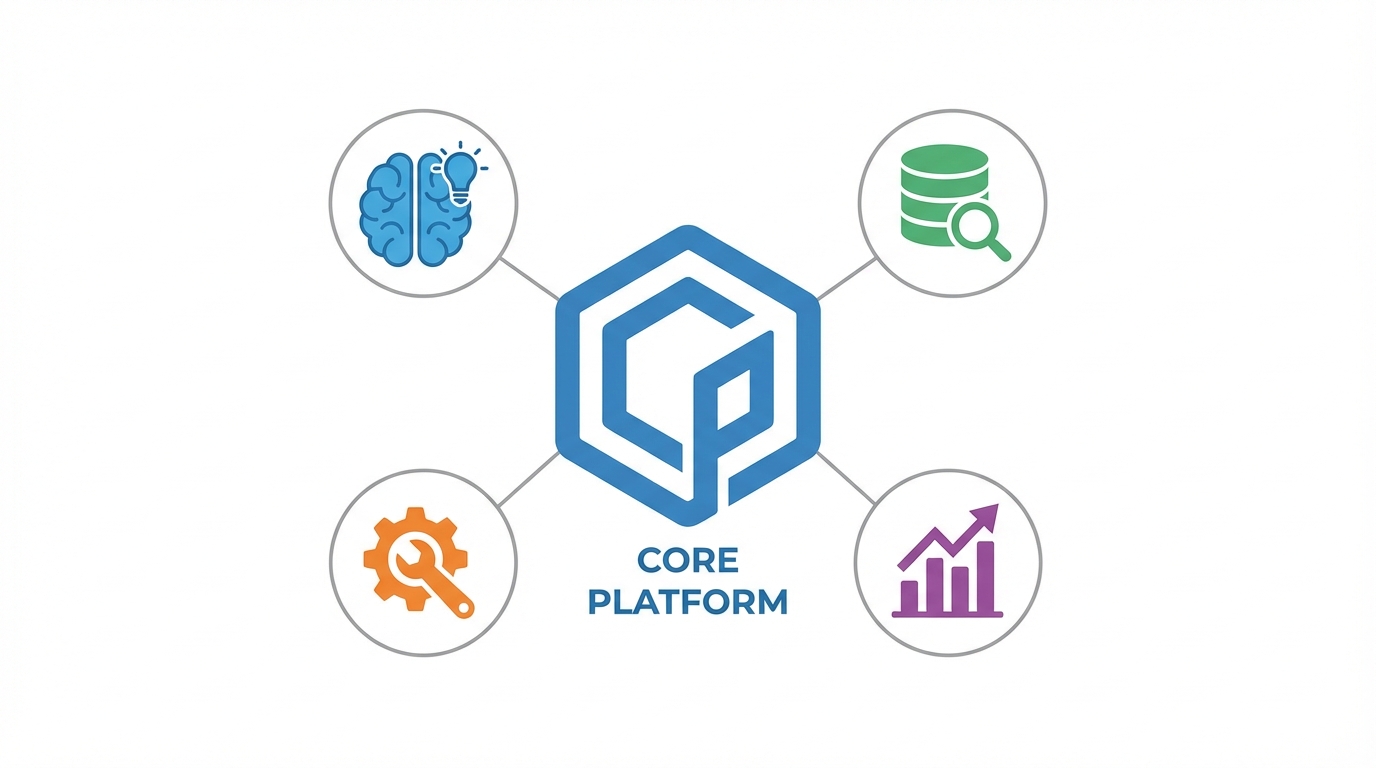
How does one person manage a YouTube channel, a course, an ebook, and a SaaS simultaneously? The answer lies in a modern tech stack and aggressive automation. In the past, running eight income streams would require a massive team. Today, it requires a "solopreneur stack."
Floren Pop’s personal stack includes NextJS for development and Supabase for database and authentication. To handle the complex world of AI-driven productivity, tools like ChatGPT are non-negotiable for drafting content and debugging code. When these projects start gaining traction, especially with influencers, using the Stormy AI creator CRM helps track every interaction, negotiation, and payment in one place. For enterprise compliance, tools like Vanta automate the security process, ensuring that even a small team can handle the requirements of SOC 2 or HIPAA.
Automation also means removing yourself from the day-to-day. Once a course or ebook is launched, it can run on "passive" mode while you focus on the next build. This frees up your bandwidth to iterate on niche marketing strategy experiments. You can run small-scale ad tests using Google Ads or Meta Ads Manager to see which product in your ladder has the most immediate traction before doubling down on development.
The 5-Step Playbook for Your First Niche Win
If you are starting from zero, the prospect of an "ecosystem" can feel overwhelming. The key is to find your first "small win" and build from there. Here is the playbook used by top serial entrepreneurs to validate their ideas quickly:
Step 1: Build Something Small but Useful
Do not spend months on a "perfect" product. Build a tiny tool, a guide, or an app that solves a real problem you personally experience. Aim to build it in days or weeks, not months. The goal is utility, not perfection.
Step 2: Ship It Publicly
Shipping is non-negotiable. Post your work on Twitter, Reddit, or specialized niche forums. Most projects fail because nobody knows they exist. You need to put your project in front of eyes immediately to get real-world data.
Step 3: Gather Feedback and Iterate
Watch how people use your tool. Do they come back? What are they complaining about? Use this information to improve the product. Action produces information—you won't know what the market wants until you give them something to react to.
Step 4: Add Monetization Early
This is the ultimate validation strategy. Don't wait for a huge audience to add a "pay" button. If people are willing to pay for your solution, you have vertical integration for creators potential. If they won't pay, the problem might not be painful enough to build a business around.
Step 5: Double Down or Move On
If the project shows traction, invest more time and marketing. If it remains flat after a few months, move on to the next idea without guilt. Every "failed" project is a data point that helps you understand your niche better for the next attempt.
Conclusion: Building Your Moat in the Niche
The future of creator monetization belongs to those who own a niche, not just a product. By building an ecosystem where content, education, and software support each other, you create a business that is far more resilient than a standalone app. You stop competing on features and start competing on trust. Whether you are using audience building to sell a coding course or leveraging cross selling products to drive users to your SaaS, the strategy remains the same: serve one person in ten different ways rather than ten people in one way.
As you scale, remember to focus on shipping more than "perfecting." Whether you are running Apple Search Ads for a new mobile utility or finding the perfect UGC creator via Stormy AI to showcase your platform, the goal is constant movement. Stop comparing your "level three" to someone else's "level twenty." Start small, ship publicly, and build your niche ecosystem one brick at a time.