Identifying a million-dollar startup idea often feels like finding a needle in a haystack, but the most successful founders know a secret: the best opportunities are usually hidden in plain sight, buried within the anxiety points of existing communities. When we look at the intersection of travel and safety, specifically within the solo female traveler demographic, we find a market that is not just growing, but screaming for a specialized solution. While legacy platforms provide broad reviews, they often fail to address the specific, high-utility data points that determine whether a woman feels safe in a new city. By leveraging niche market validation and a community-led growth strategy, entrepreneurs can build a high-margin business that solves a genuine human problem.
Market Research 101: Analyzing Search Trends and Anxiety Points

The foundation of any great startup is data-backed validation. When analyzing solo female travel trends, the numbers are staggering: research indicates that 84% of solo female travelers report feeling unsafe at some point during their trips. Despite this, the tools they use to plan their journeys are remarkably outdated. Most travelers are forced to rely on platforms like TripAdvisor or scattered Reddit threads, which lack the real-time, identity-specific nuances required for safety. For example, a male backpacker's review of a neighborhood in Mexico City might focus on the price of beer, completely ignoring the harassment frequency that a woman might encounter on that same street at 10 PM.
To find these "anxiety points," you must look where people are already asking for help. A quick search on ideabrowser.com reveals a recurring theme: women are desperate for reliable, verified safety data. They aren't just looking for hotel ratings; they want to know if a neighborhood has "green zones" for walking alone at midnight. This gap between existing broad-market solutions and specific user needs is where travel startup ideas turn into profitable realities. By monitoring search data and identifying where users are getting frustrated with legacy incumbents, you can pinpoint the exact features your platform needs to provide.
The 'Hood Maps' Model: Visualizing High-Utility Safety Data

One of the most effective ways to present this data is through a map-based review platform. We've seen this model succeed with tools like Nomad List and Hood Maps. These platforms work because they provide instant, visual context. For the female travel market, you could build a map-based safety engine where verified users rate specific blocks, restaurants, and hotels on safety metrics that actually matter. Instead of a vague 4-star rating, users could see data on street lighting, local harassment levels, and "safe haven" businesses.
This model prioritizes utility over aesthetics. A user planning a weekend trip doesn't want to read a 1,000-word blog post; they want to see a map with color-coded zones. By focusing on building a review platform that visualizes safety, you create a "sticky" product that becomes an essential part of the travel planning workflow. This approach also naturally lends itself to user-generated content (UGC), as travelers are often eager to share their experiences to help others avoid the same risks they faced.
How to Hijack Existing Attention: The Facebook and Short-Form Strategy
Building a platform is only half the battle; the other half is community-led growth strategy. Rather than spending thousands on cold traffic, you should look to where your audience already hangs out. There are massive Facebook groups, such as the Solo Female Travelers group, which boast over 400,000 members. These are not just groups; they are pre-validated clusters of your target market. You can "hijack" this attention by offering massive value—such as side-by-side safety comparisons of popular destinations—to drive users to your beta platform.
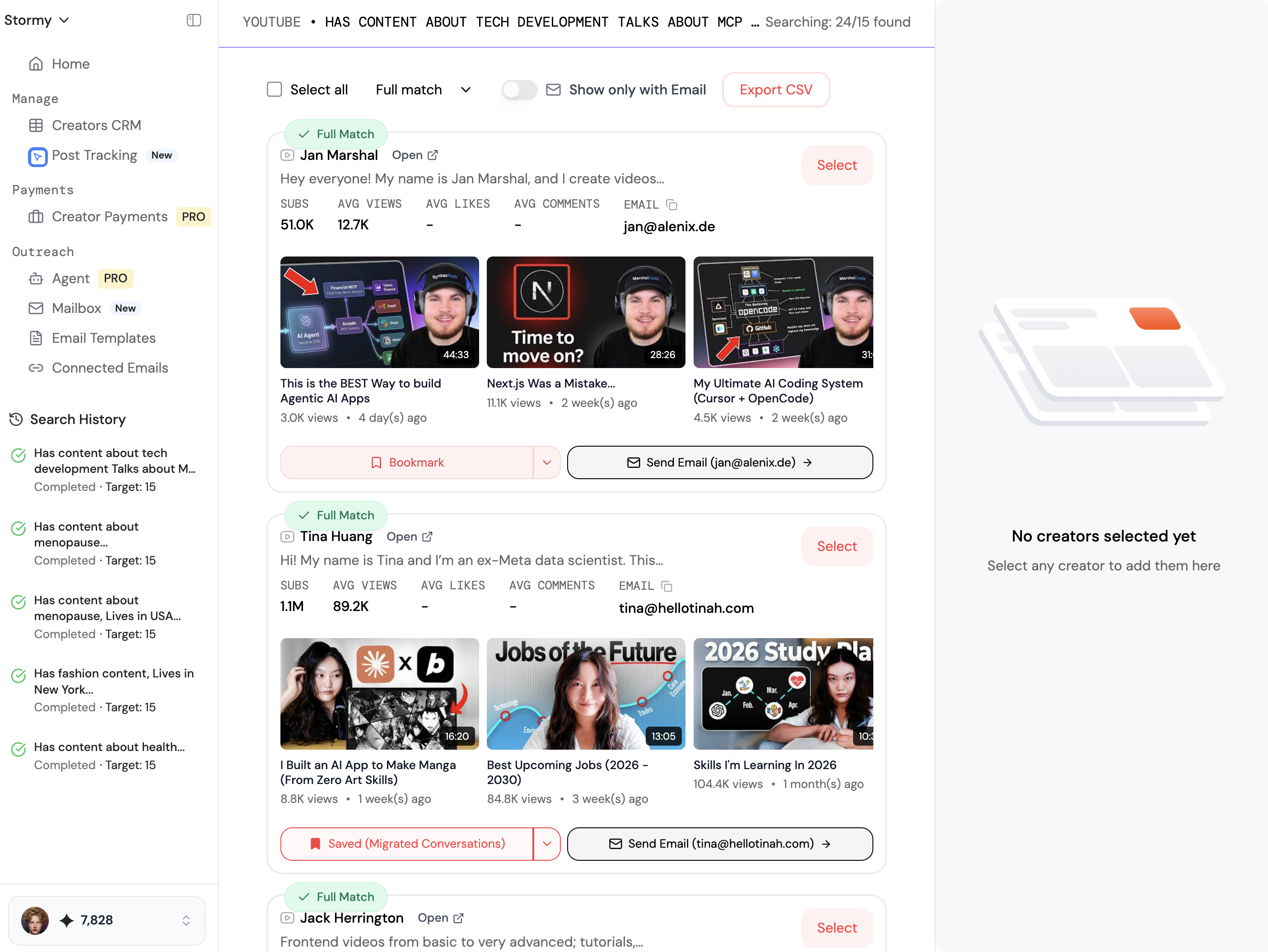
Short-form video on platforms like TikTok and Reels is another goldmine for organic discovery. Creators who share their "travel safety hacks" often see millions of views because the content is inherently high-stakes and relatable. To scale this, you can partner with micro-influencers in the travel space. Interestingly, many of these creators are looking for meaningful partnerships beyond simple product placements. Modern AI platforms like Stormy AI can help you discover and outreach to these creators at scale, ensuring you find the ones whose audience perfectly matches your niche demographics. By providing these influencers with unique safety data to share, you turn them into a powerful organic engine for user acquisition.
The Value Ladder: Scaling from Free Quizzes to B2B Revenue
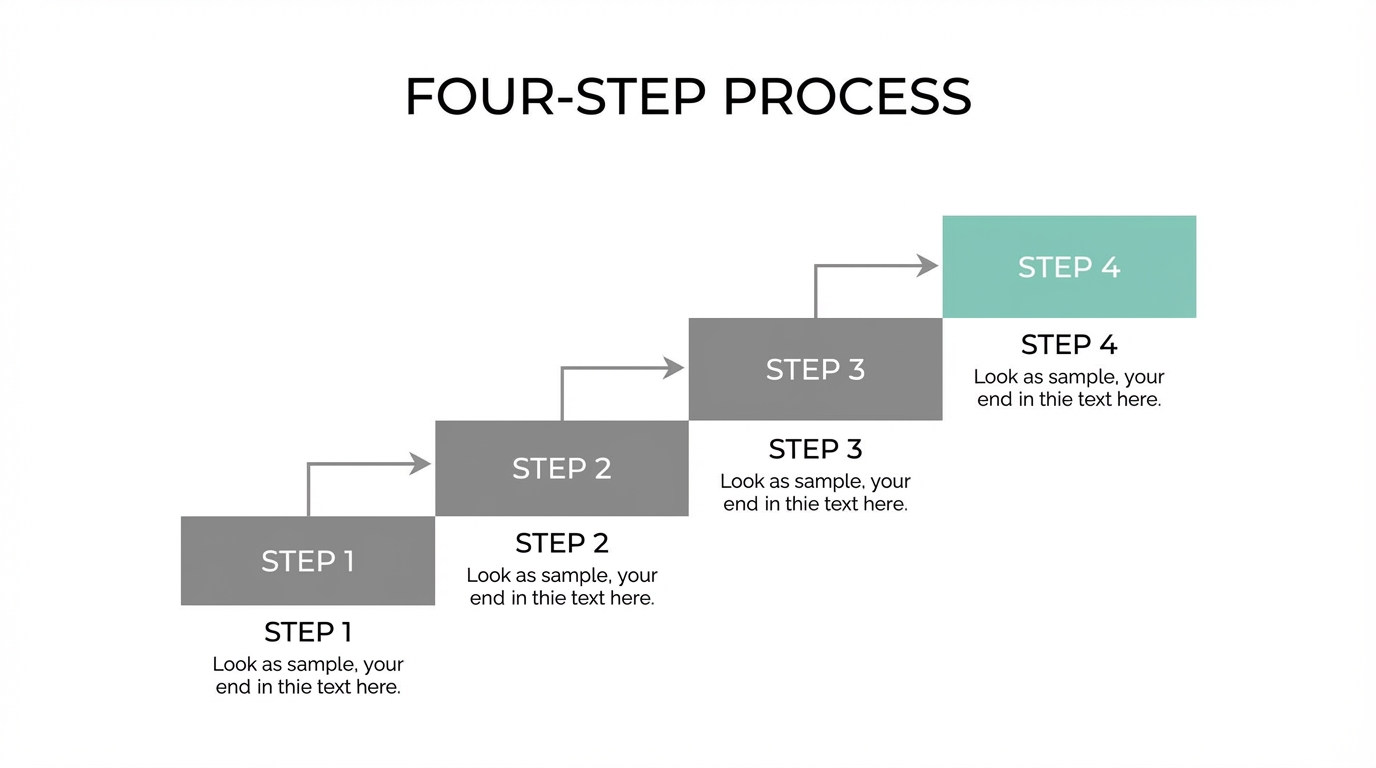
To turn a community into a sustainable business, you need a clear Value Ladder. This framework structures your offers in ascending levels of price and value. For a travel safety startup, it might look like this:
- Step 1: The Lead Magnet. A free "Travel Safety Self-Assessment Quiz" created with tools like Typeform helps women identify their safety profile. This is a low-barrier way to collect emails and build trust.
- Step 2: Premium Community Access. A paid membership (e.g., $30/month processed via Stripe) that provides access to the verified safety map, real-time alerts, and a private forum.
- Step 3: Verified Safety Guides. In-depth, downloadable guides for specific high-risk destinations, offering curated itineraries designed for solo women.
- Step 4: B2B Safety Certification. The high-ticket end of the ladder. Hotels and Airbnbs could pay a recurring fee to be "Safety Certified" by your platform.
This model allows you to monetize at every stage of the user journey. Once you have an AI-powered creator CRM like the one integrated into Stormy AI to manage these promotional relationships, scaling to $10k MRR and beyond becomes a matter of repeatable processes rather than constant reinvention.
Gamification: Keeping Users Engaged in the Safety Economy
One of the biggest trends in modern app development is gamification. Companies like Duolingo have proven that adding badges, leaderboards, and streaks can turn a chore into an addictive habit. In a travel safety app, you could gamify the review process. Users could earn "Safety Guardian" badges for verifying local businesses or reach higher tiers of membership by contributing high-quality safety data. This not only encourages user participation but also ensures the data on your platform remains fresh and accurate.
We are seeing this UI trend move toward more interactive, "real-time" feedback loops. Whether it's the "Brain Rot" app concept or focus-mode tools, the goal is to make the user feel like their input has an immediate impact. In the context of travel, this could mean seeing a live safety score for a neighborhood that fluctuates based on recent user reports, making the platform feel like a living, breathing ecosystem.
AI Wrappers vs. Generational Companies
As we enter the age of AI, there is a fierce debate about the longevity of "AI application" startups. Some argue that foundation models like OpenAI will eventually crush most apps by adding their functionality directly into the base model. However, the counter-argument is that niche data barriers and workflow ownership are the ultimate moats. A general AI can tell you where a hotel is, but it can't provide the lived experience and community-vetted safety data that a specialized platform offers.
Building a "flash in the pan" app can be a great way to generate initial cash flow, but the goal should be to own the network effects. By using AI tools like Lindy AI for automated outreach or creative engines like Krea AI and Glyph AI to generate high-quality marketing assets, you can move faster than incumbents. The winners won't just be "AI wrappers"; they will be companies that use AI to solve a specific human problem more efficiently than ever before.
Conclusion: The Path to $10k MRR

Niche market validation is about more than just finding a trendy topic; it’s about solving a persistent, painful problem for a specific group of people. The solo female travel market is a prime example of an underserved audience with high intent and significant anxiety points. By combining a map-based utility platform with a community-led growth strategy and a structured Value Ladder, you can build a business that is both highly profitable and socially impactful.
Start by identifying your lead magnet, hijacking existing attention in Facebook groups, and leveraging short-form video to drive organic reach. As you scale, remember to focus on the uniqueness of your data—because in the age of AI, the only true moat is the community you build and the specific problems you solve better than anyone else. Whether you're looking for your next 10k MRR startup idea or just a way to enter the solo female travel trends market, this blueprint provides a clear path from validation to a scaling, generational company.