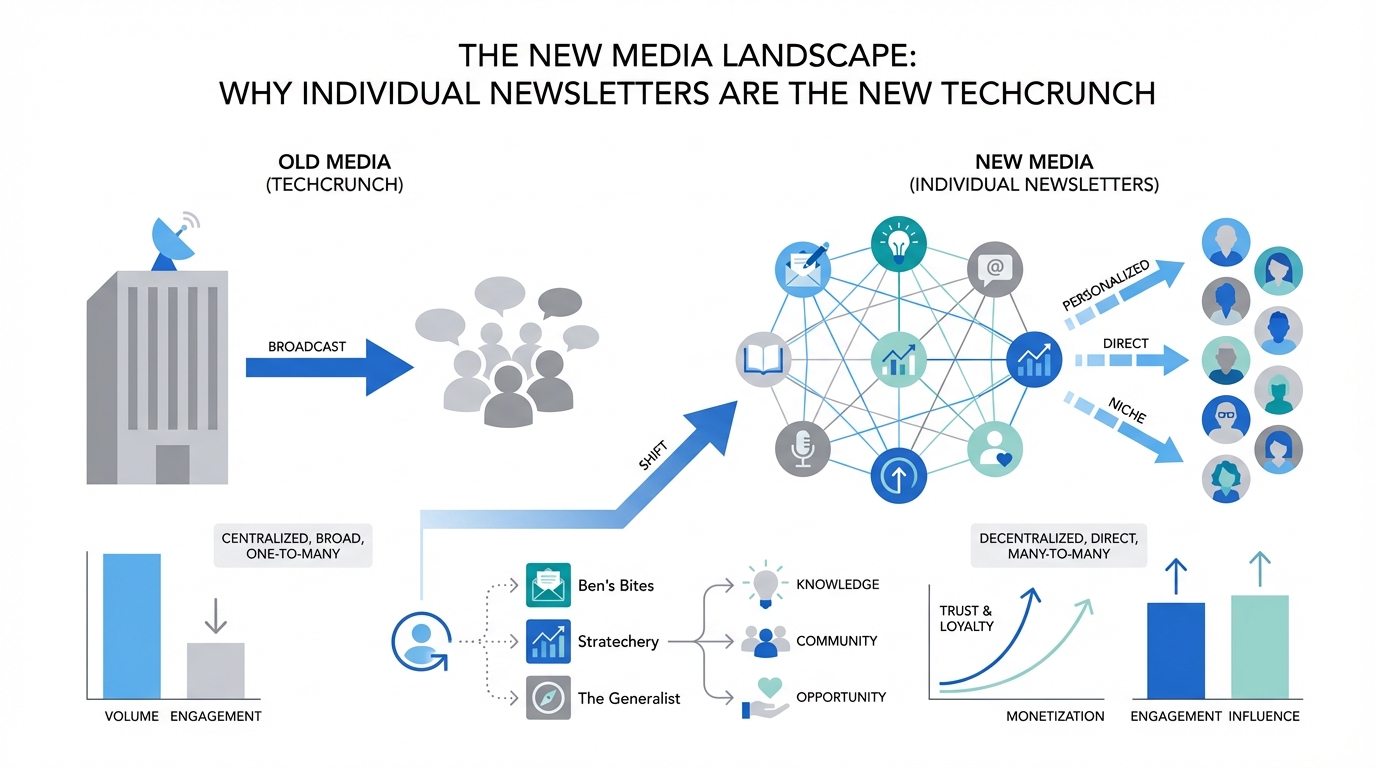
A decade ago, the path to startup success was paved with a single, high-stakes milestone: the TechCrunch feature. Founders would spend months grooming PR agencies, hoping for a 500-word write-up that might crash their servers for a weekend. Today, the servers are still crashing, but the source of the traffic has shifted. The gatekeepers have moved from the editorial boards of legacy publications to the personal inboxes of niche creators. In this new era, a deep-dive recommendation from Lenny Rachitsky or a strategic mention from Packy McCormick doesn't just drive generic clicks; it drives high-intent users, venture capital interest, and industry authority. This is the decentralization of attention, and if your digital PR strategy hasn't pivoted to account for it, you're effectively shouting into a void.
The Death of the Traditional Gatekeeper
In the mid-2000s, the media landscape was a centralized hierarchy. If you wanted to reach the tech community, you went to TechCrunch, Pando Daily, or VentureBeat. These outlets held the keys to the "Room Where It Happens." However, as the influencer marketing vs pr debate evolved, we began to see the limitations of mass media. Traditional reporting, while essential for the ecosystem, often lacks the specialized depth required to move the needle for modern SaaS products and AI startups.
As media veteran Trung Phan notes, the influence of legacy tech press has declined significantly as attention has become more spread out. While being in the New York Times or Bloomberg still carries a certain prestige and can even help close M&A deals, the newsletter sponsorship ROI for actual user acquisition often favors individual creators. These creators have built "trust economies" around their personal brands, making their endorsement far more valuable than a generic staff-written article.
Why 200,000 Niche Subscribers Beat 2 Million Generic Impressions
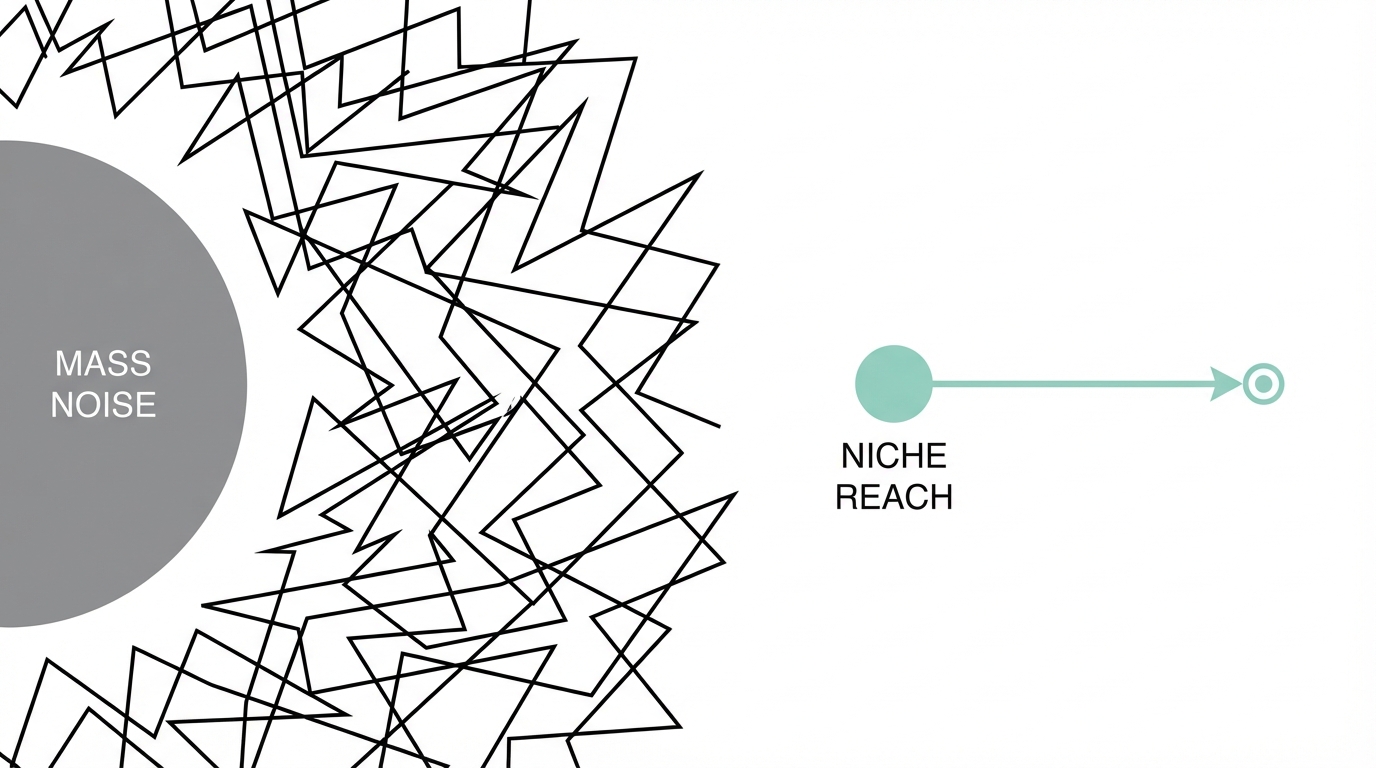
The core of a modern media relations strategy is understanding the difference between reach and resonance. A legacy publication might have millions of monthly visitors, but their audience is a broad demographic of casual readers. Conversely, a newsletter with 200,000 subscribers, like The Hustle in its early days or Not Boring today, reaches a hyper-focused segment of decision-makers, engineers, and investors.
This is what we call the "Lenny Effect." When a creator like Lenny Rachitsky features a product, it isn't just a news update; it's a tutorial, a case study, and a trust signal all in one. For a startup, influencer marketing vs pr is no longer a choice—it’s an integration. You aren't just looking for a link; you are looking for an endorsement from someone who has spent years building the top 1% of mindshare in a specific vertical. Whether it's AI, FinTech, or the creator economy, the most valuable real estate in the world is the first five inches of a targeted subscriber's inbox.
The Power Dynamics: Reporting vs. Riffing
To understand this shift, we must look at the mechanical difference between "reporting" and "riffing." Traditional media outlets like the Wall Street Journal or Bloomberg perform the heavy lifting of original reporting. This involves calling primary sources, vetting data, and uncovering the "brass tacks" of a story. This process is time-intensive and financially demanding.
In the substack marketing guide era, many of the most successful creators are "riffers." They take the primary reporting from legacy outlets and add a layer of analysis, humor, or industry expertise. This "riffing" is often what makes the information actionable for the reader. While the Financial Times might report on a market shift, a creator will explain exactly how that shift affects your specific business model. This value-add is why modern media relations must prioritize the creators who interpret the news, not just those who break it.
Pivoting Your Digital PR Strategy for the Creator Era
If your PR team is still sending out generic press releases to "info@" email addresses, you are wasting your budget. A successful digital PR strategy now mirrors a high-touch sales funnel. You need to identify the creators who own the attention of your target audience, vet their engagement quality, and reach out with personalized value propositions.
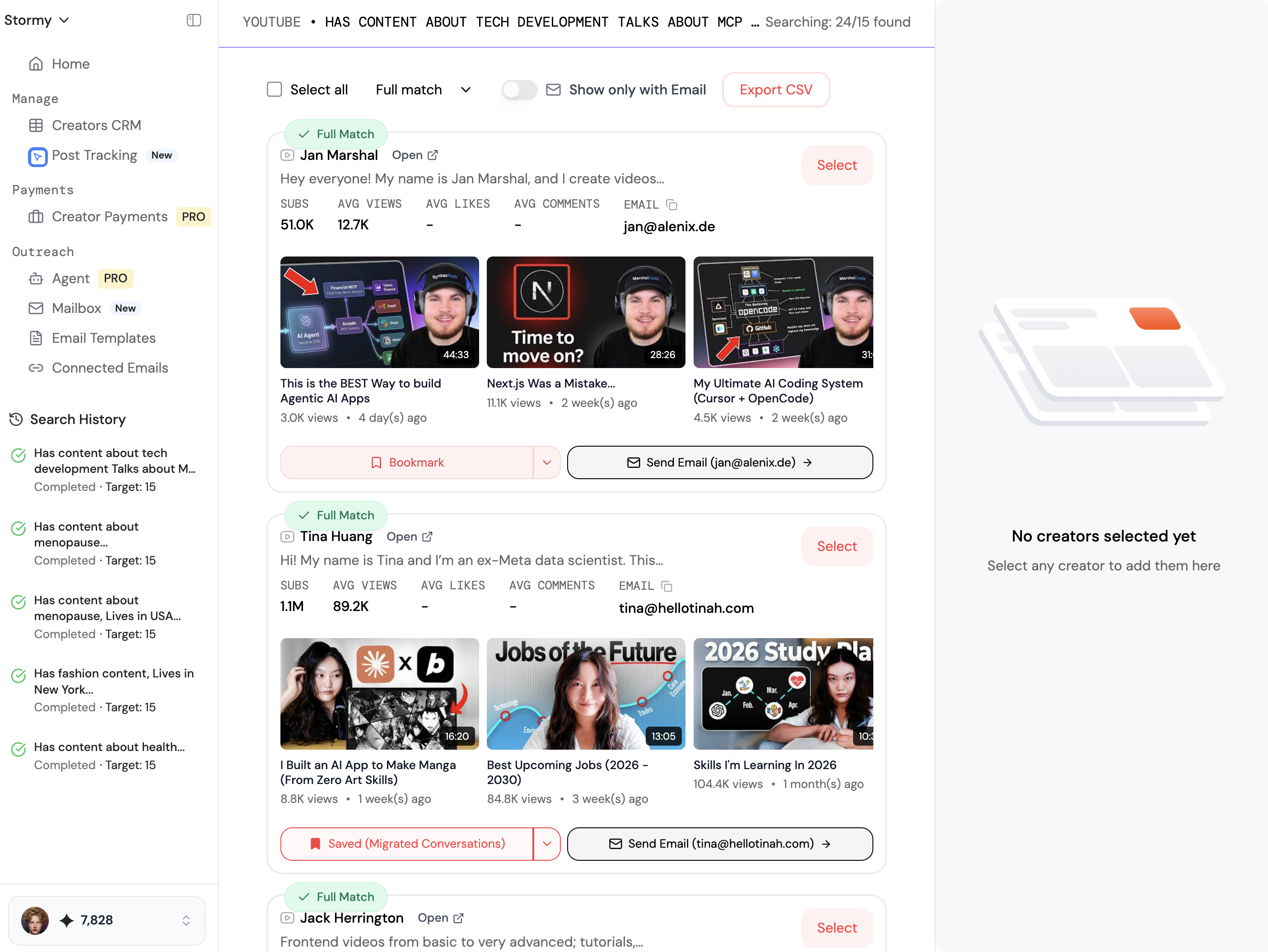
This is where technology bridges the gap. Modern AI-native platforms like Stormy AI allow brands to move beyond outdated media lists. Instead of guessing who might be interested in your story, you can use AI-powered search to discover influencers across newsletters, TikTok, and LinkedIn who are already discussing your niche. By leveraging influencer discovery platforms, you can find the "100K Club" members—those creators who have built substantial, loyal audiences through consistent, high-quality content.
The Playbook: Building a Modern Press List

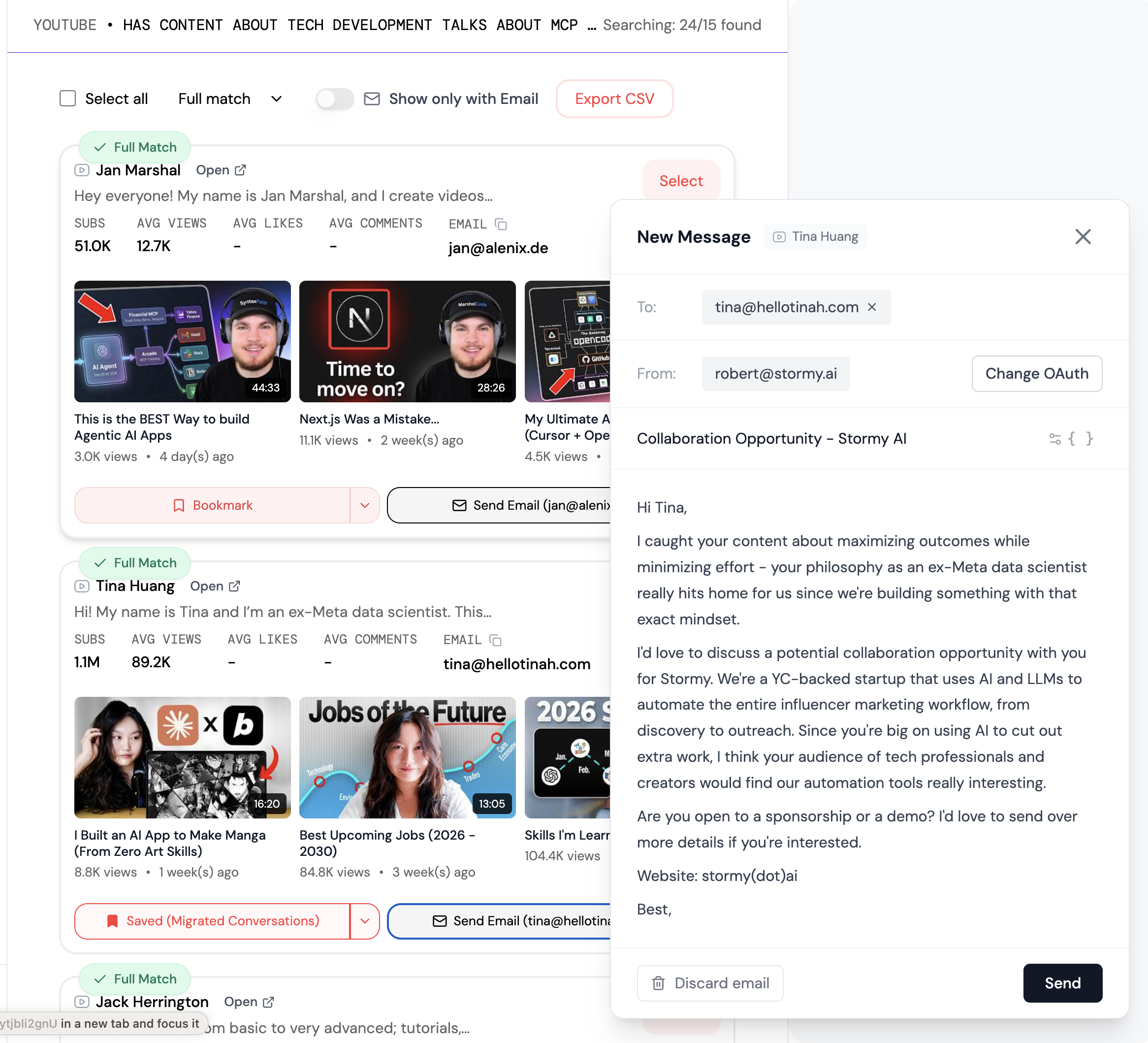
Transitioning to a creator-first PR model requires a disciplined approach. Follow these steps to build a press list that actually converts.
Step 1: Define Your Niche Gatekeepers
Stop looking for the biggest names and start looking for the most relevant ones. If you are building an AI productivity tool, you don't need the New York Times; you need Ben's Bytes or niche AI communities. Use natural language prompts in tools like Stormy AI to find creators who fit your specific follower range and niche (e.g., "AI creators with 50K-200K followers focused on automation").
Step 2: Vet for Engagement and Authenticity
Not all subscriber counts are created equal. You must audit creator profiles for audience quality. Are their followers real? Do they engage with the content, or is it a ghost town of bot comments? Look for creators who have a "socially active" presence on platforms like X/Twitter or LinkedIn, as this often indicates a higher newsletter sponsorship ROI.
Step 3: Hyper-Personalized Outreach
Creators are bombarded with requests. To stand out, your outreach must be hyper-personalized. Reference their recent work, explain why your product specifically fits their audience's needs, and offer unique value—whether that's an exclusive interview, early access, or data-driven insights they can "riff" on. Automation shouldn't mean generic messaging; use AI to help draft personalized templates that speak to the creator's specific tone.
Step 4: Manage the Relationship (CRM)
Modern PR is about relationships, not transactions. Track your interactions in a dedicated Creator CRM. Note which creators responded, what their feedback was, and when to follow up. Building a rapport with a creator like Sahil Bloom or Sean Puri takes time, but the long-term payoff for your brand's authority is immense.
The 'Lenny Effect': Real-World ROI

Consider the growth trajectory of startups that have prioritized substack marketing. When a product is featured in a top-tier newsletter, the traffic isn't just a temporary spike; it's a qualified lead generation engine. For example, many B2B SaaS companies report that a single feature in a specialized newsletter results in a lower Customer Acquisition Cost (CAC) than Google Ads or Meta Ads. This is because the creator has already done the work of pre-qualifying the audience and building the necessary trust to facilitate a conversion.
Furthermore, this strategy creates a compounding effect. High-authority newsletters are often read by other creators and journalists. A mention in a niche publication frequently leads to secondary coverage in legacy media, effectively giving you the benefits of traditional PR without the initial gatekeeper friction.
Conclusion: Adapting to the New Guard
The media landscape has been permanently decentralized. The power once held by a few editors at TechCrunch is now distributed among thousands of specialized creators. For brands, this represents a massive opportunity to reach audiences with unprecedented precision. By shifting your digital PR strategy to focus on individual newsletters and social gatekeepers, you aren't just chasing the news cycle—you are entering the trust economy.
Success in this new era requires the right tools to discover, vet, and manage these relationships. Whether you are a solo founder or a global enterprise, the goal remains the same: find your niche, provide value to the gatekeepers, and leverage the power of riffing to build a brand that resonates in the modern age.