Buying a home is often hailed as the ultimate milestone of adulthood, but for the modern generation of owners, the reality is less of a victory lap and more of a technical deep dive. In the post-COVID home economy, a surge of homeowners aged 24 to 30 transitioned from city rentals to suburban houses, only to find a massive knowledge gap. Unlike a rental where a portal handles every issue, home ownership requires a transition from being a tenant to being a Chief Operating Officer. This household management for beginners guide moves beyond the traditional home inspection to give you an actionable proactive home maintenance strategy.
The Digital Inspection Gap: Why 80-Page PDFs Fail
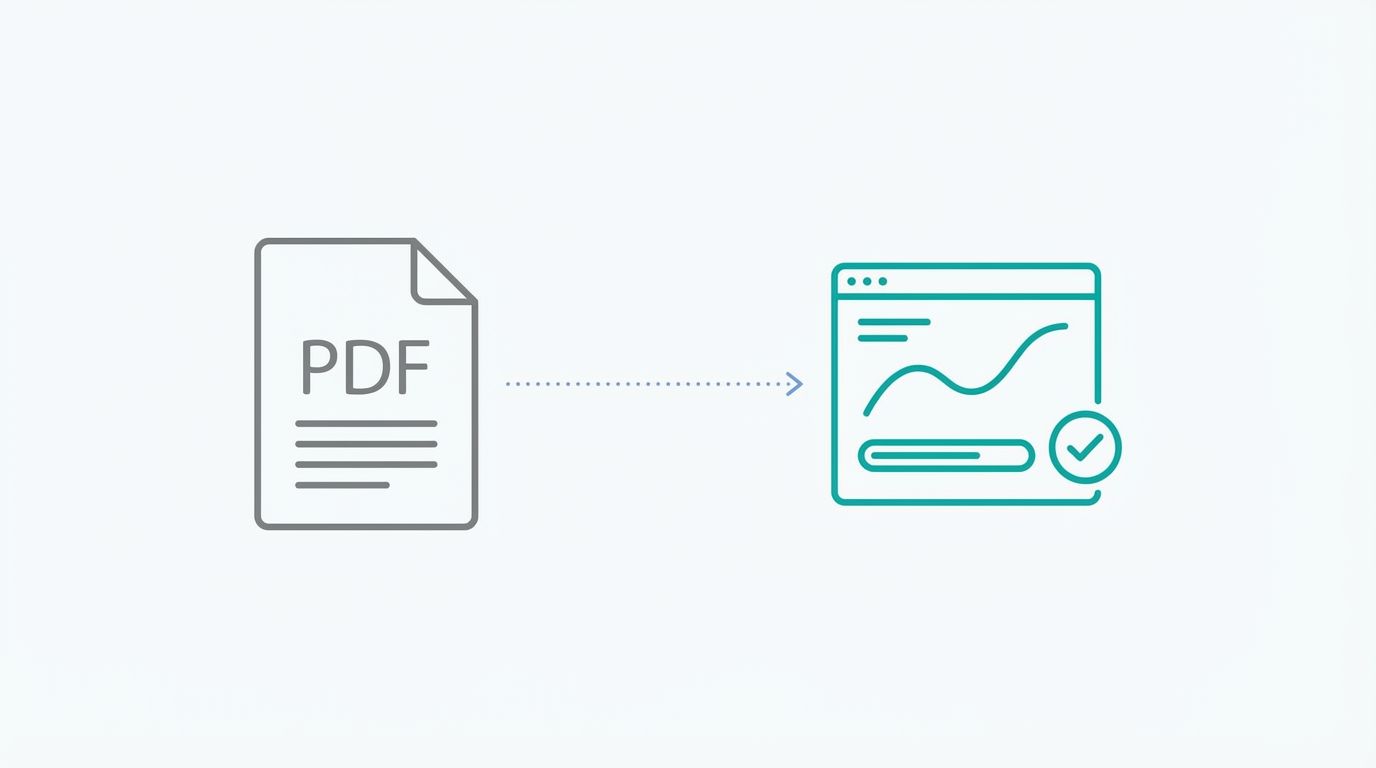
The first experience most people have with their home’s health is the home inspection guide provided during the closing process. Unfortunately, most inspectors deliver a static, 80-page PDF that acts as a snapshot in time rather than a living document. We are living in an era where Netflix creates billions in value through seamless digital experiences, yet our most expensive asset is managed through a document that feels like it belongs in the 1990s. This is the 'Digital Inspection' gap.
Modern homeowners need a 'Wikipedia' for their home—a digital, searchable database that explains what every mysterious switch does and where every filter is located. When you transition into a new property, you shouldn't be searching Twitter for home maintenance advice at 2:00 AM. Companies like Inspectify are beginning to bridge this gap, but the burden remains on the owner to digitize their new homeowner maintenance checklist. Just as Mercury revolutionized banking with elegant design, your home management should be intuitive and proactive, not buried in a confusing document.
The Secret World of Home Inspectors

One of the most critical first time homeowner tips is understanding the incentives behind your inspection. There is a lack of standardization in the market, meaning one inspector might label a building as 'perfect' while another would find structural rot hidden behind fresh paint. There is often a subtle conflict of interest: inspectors may be incentivized to maintain high appraisals to satisfy lenders and banks. When a lender is paying for or recommending an appraiser, they want the loan-to-value ratio to remain stable, which can lead to an 'under-inspection' of critical faults.
To avoid these pitfalls, savvy owners should vet inspectors independently of their real estate agent or lender. Just as a founder uses Capchase to maintain control over their company's financing without dilution, you must maintain control over your home's due diligence. Always ask for an outside quote and a second opinion if the initial report seems too glowing. Remember, once the house closes, the inspector is usually 'on their own,' and you are left with the bill for any missed issues.
The Once-a-Month Rule: A Household Management Playbook
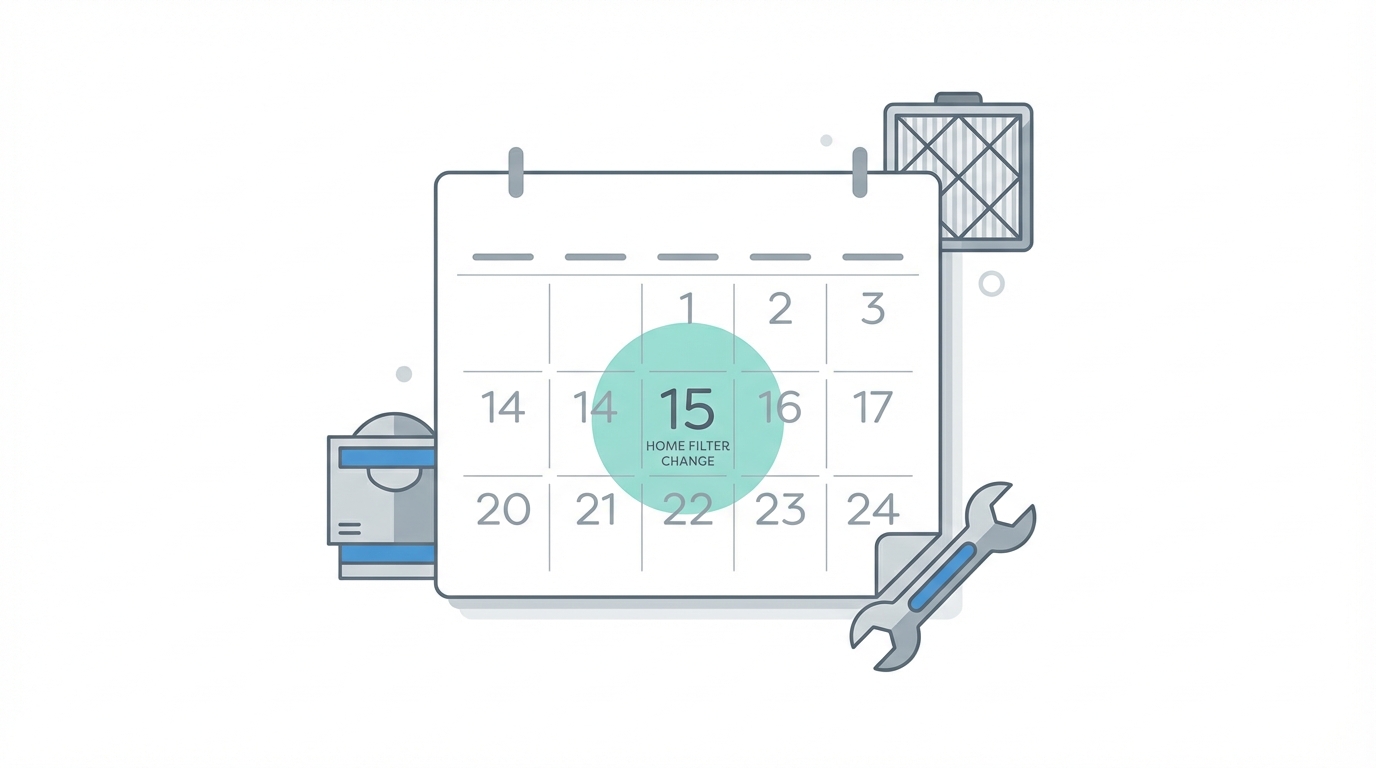
Most maintenance issues are invisible until they become expensive. To stay ahead, every owner needs a proactive home maintenance schedule that follows the 'once-a-month' rule. This helps you avoid the 'adulting' trap of not knowing how your own systems function. Following this playbook can save you thousands in long-term repairs.
Step 1: The AC Filter Rotation
In humid climates like Miami or Austin, your AC unit is the lungs of your home. You must change your AC filter once a month. Many new owners go 18 months without realizing where their filters are located. Using a new homeowner maintenance checklist to track these changes prevents your unit from burning out and keeps your energy bills low. This is the highest ROI task you can perform as a homeowner.
Step 2: Gutter Health and Drainage
Clogged gutters lead to foundation issues and basement flooding. Inspect your gutters every month, especially during the fall or after heavy storms. It is a simple task that prevents the ultimate nightmare: stinky water in the basement from a drainage failure. If you are managing your home like a business, using tools like Shopify to order supplies in bulk can keep your maintenance costs predictable.
Step 3: Sewage and Plumbing Checkups
Don't wait for a Sunday night sewage backup to meet your plumber. Check for slow drains and leaks around your water heater monthly. Being proactive means you are the one setting the schedule, rather than reacting to a crisis. For brands building apps in the home-services space, sourcing authentic user experiences is vital. Platforms like Stormy AI can help these companies discover and collaborate with UGC creators who can document these DIY wins, providing the 'social proof' that helps other homeowners master their household management for beginners routines.
Managing the Reactive vs. Proactive
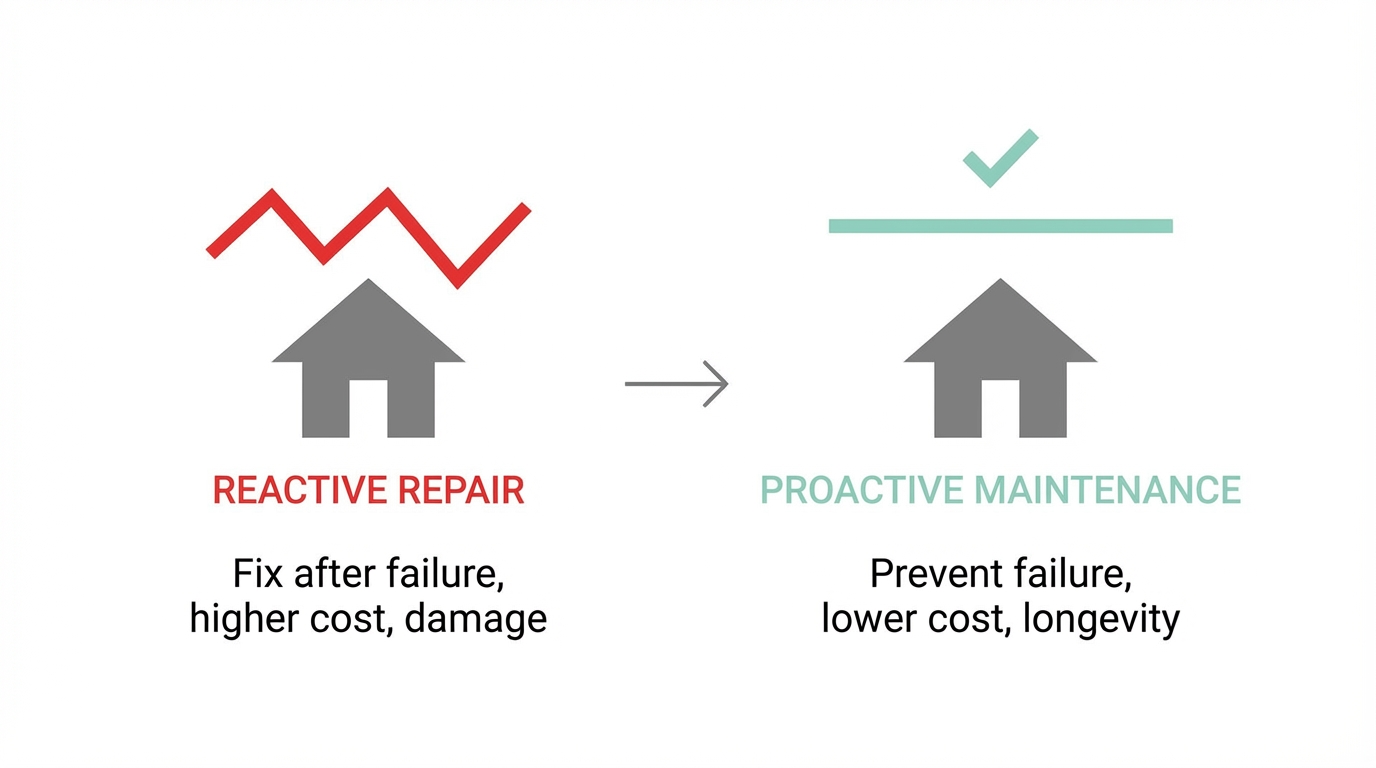
The biggest stressor for a homeowner is the unknown. When an emergency happens—like a cockroach infestation or a burst pipe—the tendency is to panic-search Google and hire the first person who answers. This is a reactive mindset. Instead, you should vet an emergency plumber and an exterminator before you actually need them. This creates a 'concierge' experience where you have a single point of contact for any household stress.
New business models, similar to the one discussed at The Room Where It Happens, suggest a monthly subscription model for home management. Imagine paying for a service that guarantees capacity for plumbers and electricians in your region. Until that becomes a mass-market reality, you must build your own network. By proactively vetting providers, you ensure you aren't overcharged during a Sunday night emergency.
Relocation Arbitrage: Avoiding the Executive Markup
If your journey to home ownership involves a cross-country move, be wary of the 'executive relocation' markup. Moving companies often partner with large corporations to provide 'preferred' rates for relocating executives. These rates are often massively inflated—sometimes as much as $25,000 for a move that should cost $10,000. Because the company is paying, the employees are price-insensitive, allowing movers to maintain high margins.
Always get an outside quote from a non-preferred provider. This simple step is one of the best first time homeowner tips for saving capital that can be better spent on your actual property. If you're a digital nomad or moving for a startup role, use Google Ads to find local, highly-rated movers in your destination city rather than relying on national chains that just farm out leads to the highest bidder.
Conclusion: From Consumable to Asset
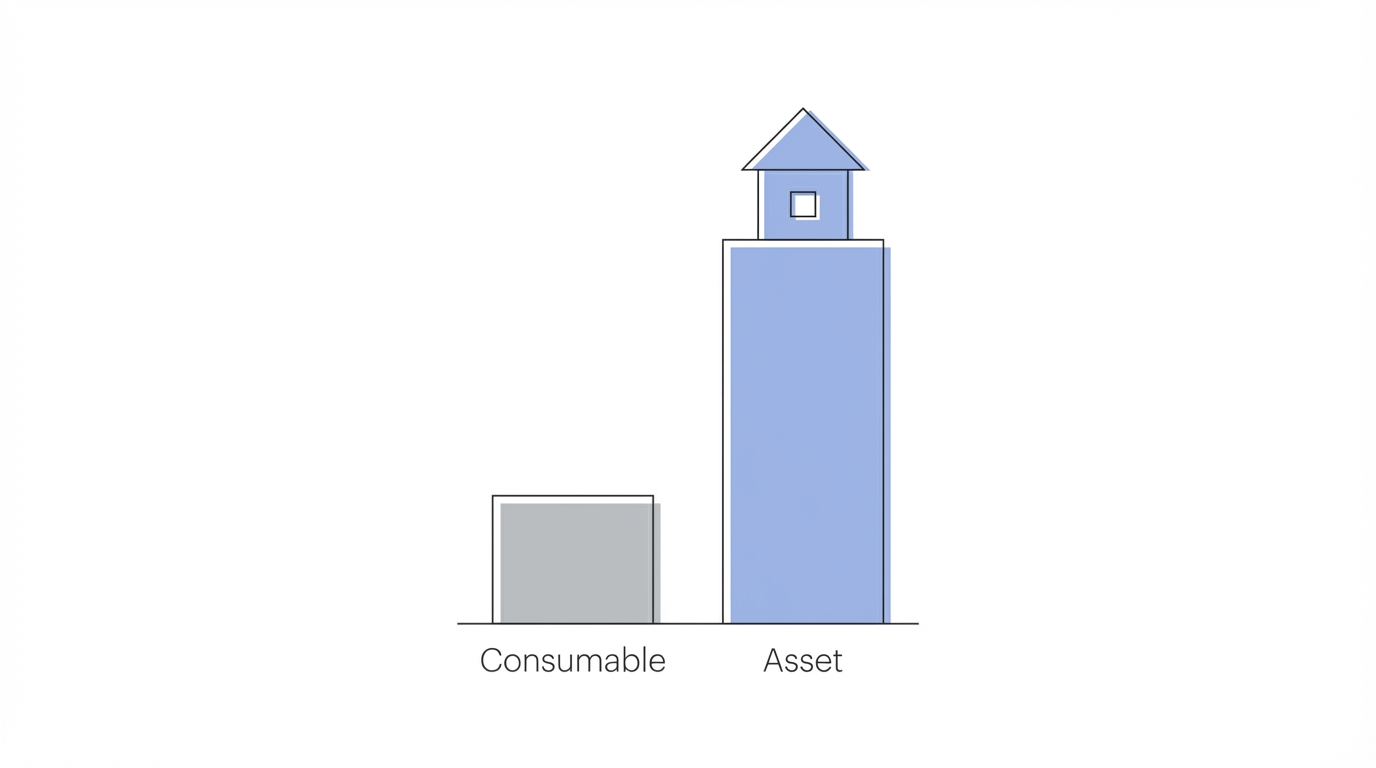
Finally, it is essential to view your home through the right lens. Unless a property is generating monthly cash flow from tenants, it is a consumable, not a traditional investment like public equities. While models like Pacaso attempt to turn second-home ownership into a managed equity class, your primary residence is first and foremost a place of utility and happiness. By following a new homeowner maintenance checklist and moving from reactive to proactive home maintenance, you reduce the 'hidden costs' of ownership and protect your peace of mind. Treat your home as a living operation, and you'll find that 'adulting' isn't nearly as stressful as the 80-page PDF made it seem.