In 2026, the business world is noisier than ever. While AI handles our data crunching and automation, the final mile of every major deal—whether it is a Series B funding round or a multi-million dollar enterprise sale—still happens between two human beings. The ability to decode what the person across the table (or the Zoom screen) is actually thinking remains the ultimate competitive advantage. To master this, we look to the world of high-stakes poker and its most legendary reader of souls: Daniel Negreanu. With over $50 million in tournament winnings and seven World Series of Poker bracelets, Negreanu has turned business sales psychology into a clinical science. This playbook adapts his strategies for the modern founder.
The Mall Observation Drill: Building Your Emotional Intelligence
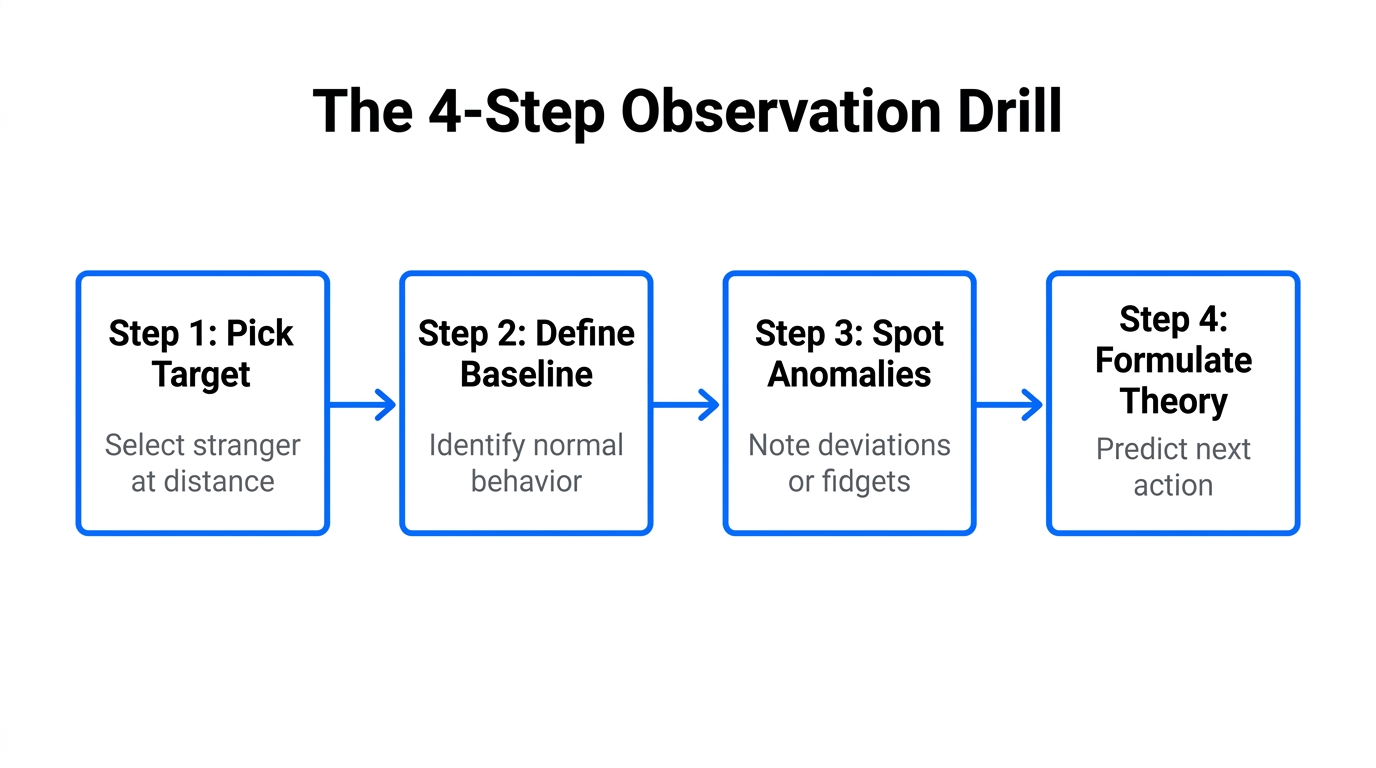
Most founders wait until they are in the boardroom to start analyzing their opponent. By then, it is too late. Negreanu’s mastery started as a teenager on a park bench. He would sit at the mall, wearing sunglasses to remain inconspicuous, and build psychological profiles of strangers walking by. He wasn't just looking at clothes; he was looking for narratives.
He would ask: Is this person confident or insecure? Were they a high school athlete or the kid who got picked on? Are they currently stressed or at peace? This practice of profiling without data is the bedrock of emotional intelligence in sales. As a founder, you can run this same drill using LinkedIn profiles or social media footprints. Before a meeting, don't just look at their resume; look at their behavioral patterns. Do they seek validation? Are they overly protective of their status? If you can build a story for them before they speak, you’ll know exactly which levers to pull during the negotiation.
"The moment you stop being a student of human behavior is the moment you start losing your edge. High-stakes negotiation is just a puzzle where the pieces are people's insecurities."
The Disarming Technique: Finding Truth Outside the Boardroom
Negreanu’s most effective reads don't happen when he is staring directly at an opponent. They happen when the opponent feels disarmed. In poker, he might look at the dealer and make a self-deprecating joke: "Why do I do this to myself? I always get into these spots!" While he’s looking at the dealer, he is actually watching the opponent out of the corner of his eye. When the opponent thinks they aren't being watched, their real emotions leak out—a small smirk, a relaxed shoulder, or a sudden stiffness.
For founders, the boardroom is the most "guarded" environment. Everyone is buttoned up and reciting a script. To get an authentic read, you must move the conversation to off-topic environments. Negotiation tactics for entrepreneurs should always include the "Dinner and Drinks" phase. In 2026, the best deals aren't closed in offices; they are closed when the "business mask" slips. Use Stripe to handle the transaction later, but use a casual dinner to find the why behind their what. A little bit of social relaxation—perhaps even a single drink—lowers inhibitions and reveals whether a partner is truly committed or just fishing for terms.
Detecting Virtual Bluffs: Zoom Body Language and the 'Fake Smile'
Daniel explains the specific physical tells that indicate when someone is lying to you.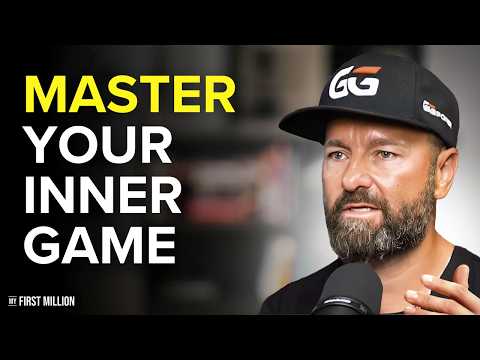
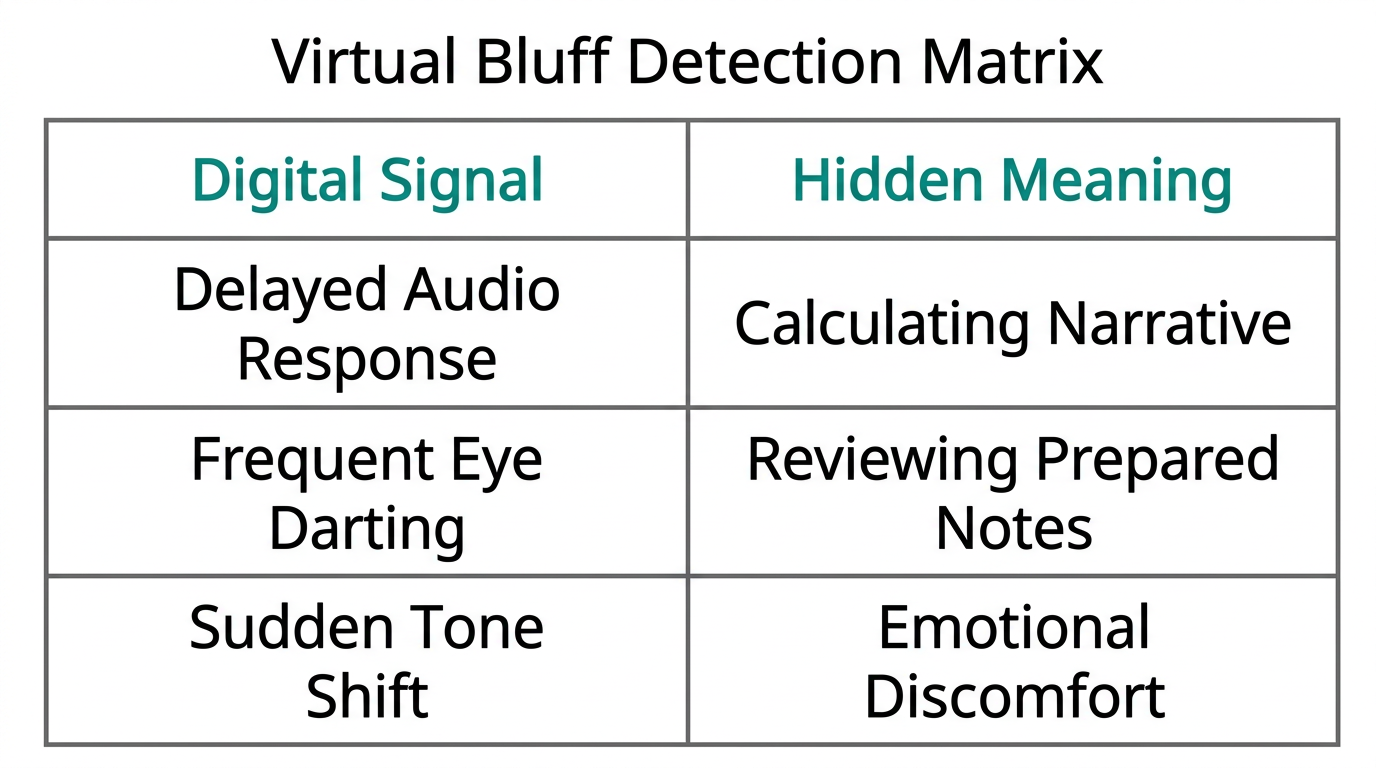
In a world of remote work, founders must learn how to read body language in business through a 1080p camera lens. Negreanu emphasizes that the eyes and the smile are the most telling indicators of discomfort. He notes that in a real smile, the muscles around the eyes (the orbicularis oculi) contract. In a fake, "salesy" smile, only the mouth moves.
During a virtual sales pitch, look for stiffness. When people are lying or exaggerating business metrics, they tend to become physically rigid. They are trying so hard to control their narrative that they stop moving naturally. If you see a potential client or partner leaning back, they are likely comfortable and honest. If they are hunched over, staring intensely at the camera without blinking, they are likely in defensive mode.
| Indicator | Relaxed / Honest State | Stiff / Deceptive State |
|---|---|---|
| Posture | Laid back, open shoulders | Hunched, rigid, or leaning forward |
| Eyes | Natural blinking, soft focus | Intense staring or looking down to the right |
| Smile | Crinkles around the eyes | Mouth only (the "masked" smile) |
| Movement | Fluid gestures | Fidgeting or complete stillness |
Identifying the "Business Tell": Pattern Recognition for Metrics
Master the art of remembering opponent strategies and identifying recurring behavioral patterns.One of Negreanu’s most famous stories involves a player chewing gum. He noticed the player stopped chewing whenever he was bluffing. On day five of a tournament, Negreanu used that tiny 4-day-old observation to make a life-changing call. In founder negotiation strategies, this translates to pattern recognition across multiple meetings.
If a CEO tells you, "We had an unbelievable first quarter," but their tone is overly blusterful compared to how they talked about their hobbies ten minutes earlier, they are likely hiding a leak. Watch for the shift in baseline. Everyone has a "baseline" behavior for when they are telling the truth. When you ask about a sensitive metric—like churn rate or customer acquisition cost—and their behavior deviates from that baseline (they start talking faster, their voice goes higher, or they stop using "I" statements), you’ve found their tell. Tools like Stormy AI can help you vet creator quality and engagement fraud externally, but the human "tell" is what you must spot internally during the pitch.
The Anti-Desperation Pitch: Making Them Chase You
Understanding how pushing too hard in a deal can reveal your underlying desperation.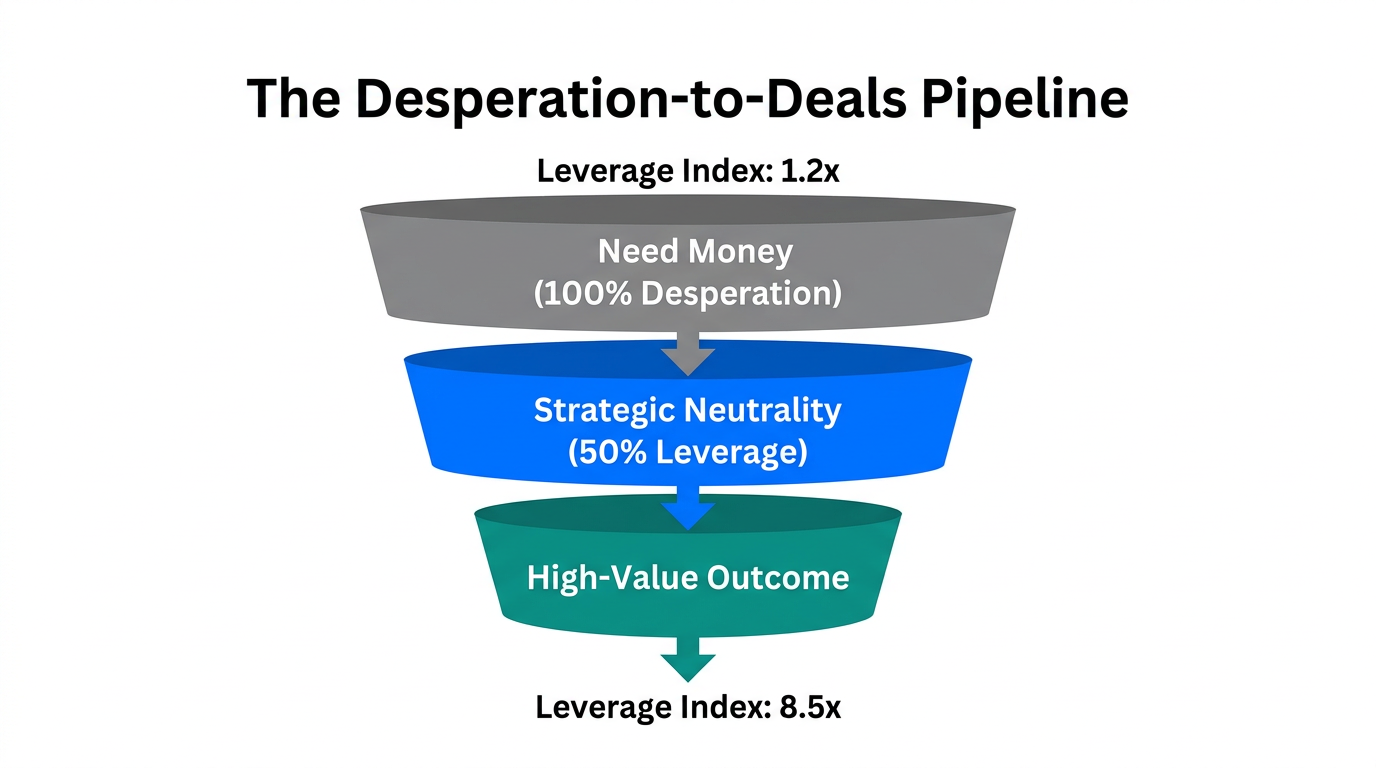
Negreanu references the legendary Scotty Nguyen, who famously told an opponent, "If you call, baby, it's gonna be all over." It was psychological warfare designed to give the opponent an "out" from the stress of the hand. In business, the equivalent is the desperation leak. Desperate founders frontload the pitch and make the "ask" too early. This signals that you need them more than they need you.
The winning move? Hold back the final ask. Talk about the project, the vision, and the momentum. Then, stop. If you've pitched well, they should be the ones asking, "Are you guys taking investment?" or "How do we get started?" When you flip the script, you are no longer a solicitor; you are a provider of opportunity. This is especially true when working with creators. Instead of begging for a post, use a platform like Stormy AI to identify creators who are already a perfect fit, then approach them with a position of strength and automated outreach that feels hyper-personalized rather than desperate.
"Desperation is a scent that investors can smell through a Zoom screen. The person who is most willing to walk away always has the most power in the room."
The 'Fortress of Solitude': Handling Downswings and Losses
Every founder will face a "downswing." A lead investor pulls out, a key employee quits, or a product launch flops. Negreanu’s philosophy is that breakdowns are prerequisites for breakthroughs. Most people handle losing by "chasing the loss"—making riskier bets to get back to even. In business, this looks like overspending on Google Ads or TikTok Ads to fix a fundamental product flaw.
To survive, you must build a Fortress of Solitude. This is the financial and emotional base that remains untouched by your "shots." As Negreanu advises, when you have a small bankroll, you take risks because you can recover. But as you grow, you must become more risk-averse with your foundation. Use Notion to track your decision-making process during these times. Are you making an input-focused decision (was the strategy sound?) or an output-focused one (did I lose money?). If the strategy was sound but the outcome was bad, stay the course. Don't let the "bad beat" change your winning system.
Conclusion: Updating Your Software
The final lesson from Negreanu is humility. He notes that the day you stop learning from the "younger generation" is the day you start becoming obsolete. In 2026, new autonomous agents and negotiation frameworks are emerging daily. Don't be the "old head" scoffing at new tech like Stormy AI's autonomous agents. Instead, combine the wisdom of experience with the software of the future. Master the person, master the pattern, and you will dominate the negotiation.