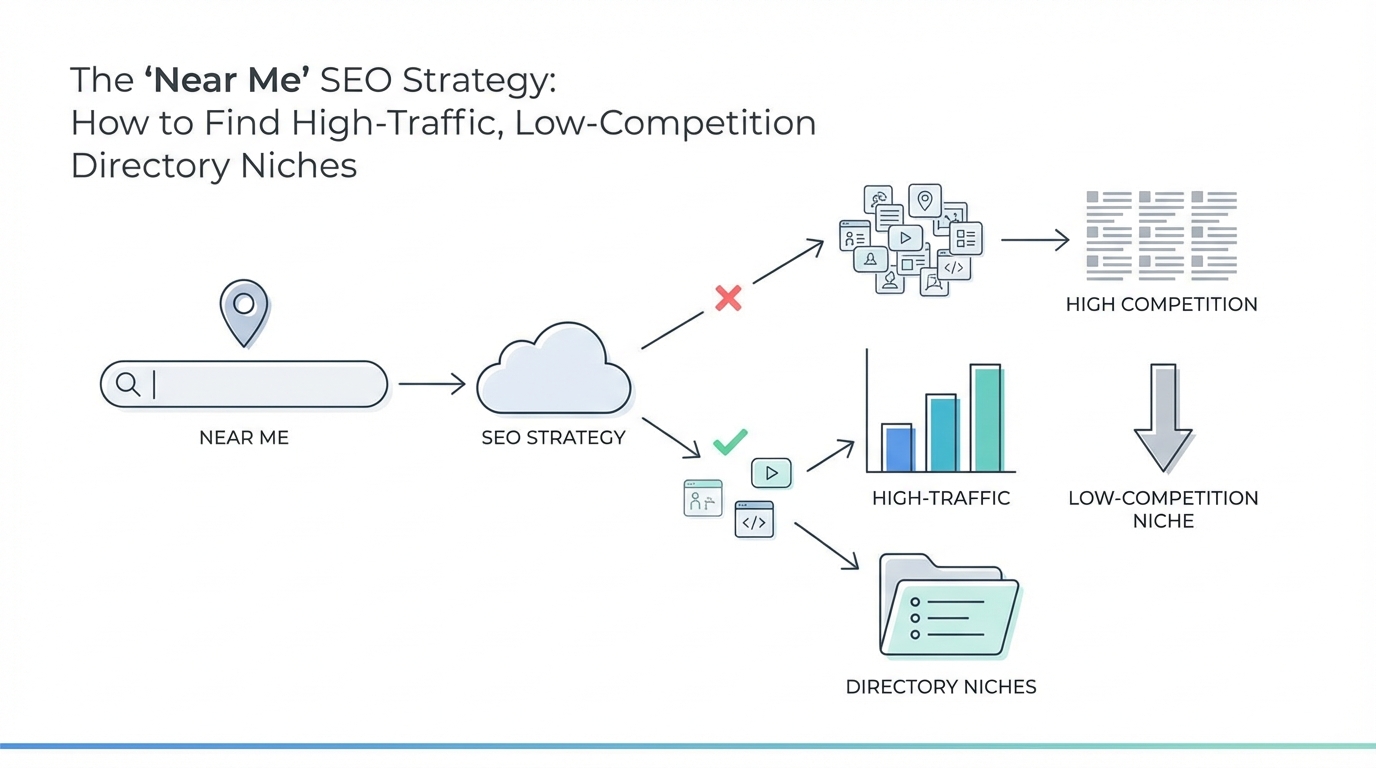
In the high-stakes world of digital marketing, everyone is hunting for the next big SaaS idea or viral social media trend. But while developers are losing sleep over complex AI integrations, a silent group of entrepreneurs is building a massive portfolio of 'boring' websites that generate thousands of dollars in passive income every month. These aren't flashy startups; they are local directories. By leveraging a specific local SEO strategy focused on fragmented search intent, you can uncover profitable niche ideas that legacy players like Google Maps are completely failing to satisfy. This guide will walk you through the exact playbook for identifying, validating, and building a high-traffic directory using the 'near me' keyword explorer hack.
The Power of 'Boring' Directories
Most marketers underestimate the sheer traffic potential of static, evergreen directories. Consider Roadside America, a directory for quirky roadside attractions. Despite its dated design and use of font styles that resemble Comic Sans, it pulls in over 85,000 unique visitors per month. Even more impressive is Find A Grave, which attracts a staggering 1.4 million monthly visitors by helping people locate burial sites. These sites are resilient to Google core updates because they provide high-utility, curated data that general search engines struggle to present in a user-friendly format. When you perform keyword research for directories, you aren't just looking for high volume; you are looking for places where the current search results are 'hideous' or unhelpful, creating a massive opportunity for a superior user experience.
Step 1: The Ahrefs 'Near Me' Keyword Explorer Hack


To find profitable niche ideas, you need to go where the intent is highest. The most effective how to use Ahrefs for niche research method involves the 'near me' hack. Open Ahrefs Keyword Explorer and simply type 'near me' into the search bar. This will generate a list of thousands of local queries. Filter these results by a minimum search volume of 30,000 to 100,000 monthly searches. This range is the 'sweet spot' where there is enough traffic to monetize through display ads or affiliates, but not so much that you are competing with multi-billion dollar brands. Look for a Keyword Difficulty (KD) under 20 for the easiest wins, though pros can often rank for KD 40-50 niches if the current top results are low-quality 'pillar pages' or outdated forums.
Step 2: Identifying Fragmented Search Intent
The secret to a successful directory isn't just a broad category; it is fragmented search intent. For example, a search for 'Taco Bell near me' is one-dimensional. The user wants the closest Taco Bell. However, a search for 'dog park near me' is multi-dimensional. Using Ahrefs, you can see that users aren't just looking for any dog park. They are searching for indoor dog parks, off-leash areas, or parks with water fountains and shade. When you see this kind of fragmentation, it is a signal that Google Maps isn't enough. Users are digging through reviews to find specific amenities, and a specialized directory that filters by these 'micro-features' will instantly win their trust and their clicks.
The 3 Niches to Avoid in Local SEO
While the 'near me' hack will reveal hundreds of opportunities, not all are worth your time. First, avoid highly seasonal niches. Pumpkin patches might get 150,000 searches in October, but they will be dead for the other eleven months of the year; you can verify these trends using Google Trends. Second, avoid high-maintenance data niches. Something like 'earthquakes near me' requires real-time API integrations and constant monitoring, which kills the passive nature of the business. Finally, stay away from major branded keywords. If a user is searching for a specific retail chain, they likely won't click on your directory because the brand's own site already satisfies the intent. Focus on generic, evergreen categories like public parks, specialized clinics, or hobby-specific locations.
Step 3: Performing a 'Bounty' Audit on Competitors
Once you have a niche, it is time for a competitive audit. Type your primary keyword (e.g., 'dog park Los Angeles') into Google and look for existing directories. You are looking for a 'bounty'—a competitor that ranks well but offers a terrible user experience. A classic example is the site for Nylabone, which might have a basic locator that only shows names and addresses. If a site is getting 20,000+ visits with just basic text and no photos or amenity filters, that is your green light. You can 'set a bounty' on that traffic by building a site that includes enriched data, better imagery, and a cleaner mobile interface. This is a core part of a winning local SEO strategy: identifying where the bar is set low and clearing it with ease.
Step 4: Validating Demand Through Reddit
Before you build, you must validate the problem. Search Reddit for your niche and city (e.g., 'dog park New York Reddit'). Look for common complaints and unmet needs. You might find a user saying, 'I wish I had time to visit all these dog runs and see which ones have shade.' This is gold-standard validation. It proves that users are actively frustrated by the lack of curated information. If you see people sharing custom Google Maps pins or lists in subreddits, it means there is a gap in the market. Use these Reddit threads to identify the specific features you should highlight on your site, such as 'dog bags available' or 'paved walkways.' This level of detail is what makes your keyword research for directories actionable.
Step 5: Scraping and Data Enrichment
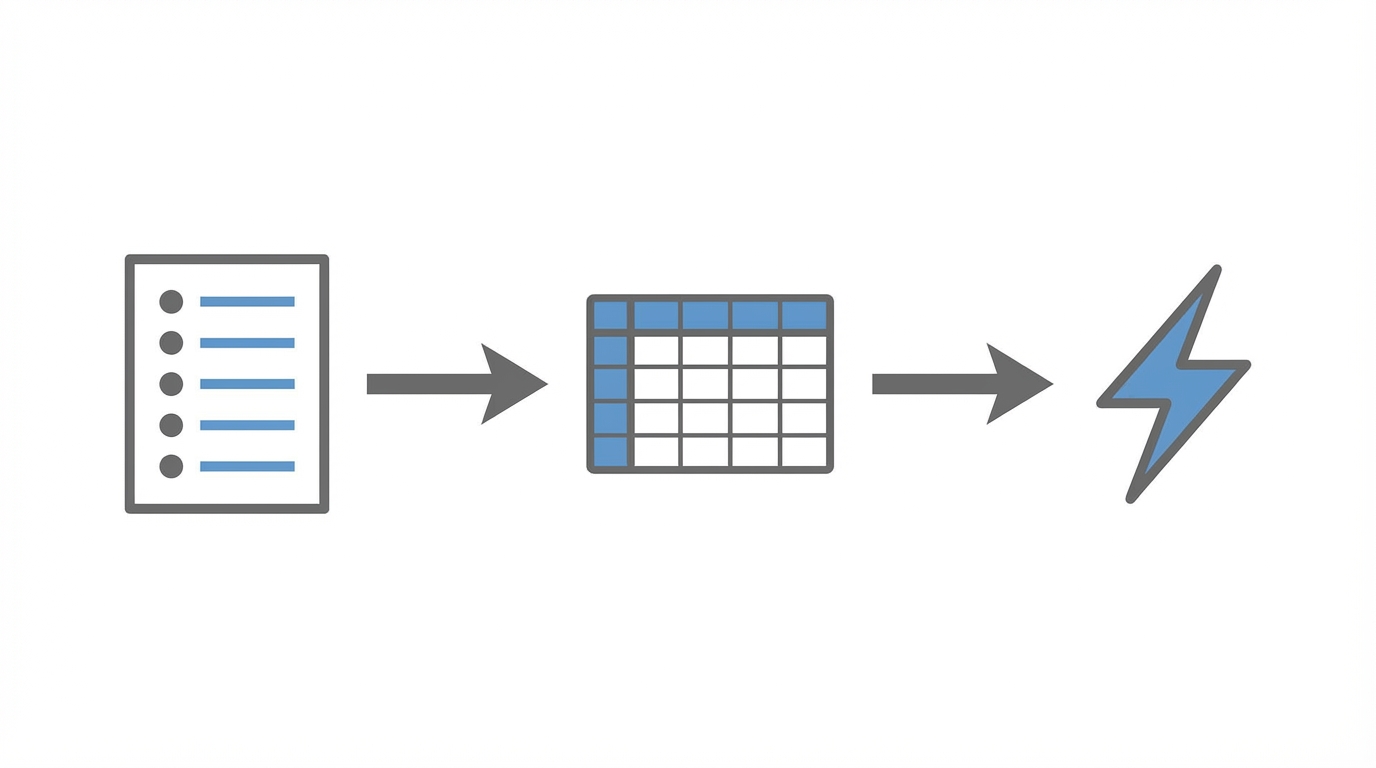
Building a directory of 6,000+ listings manually is impossible. Instead, use a tool like Outscraper to scrape Google Maps data. Search by category (e.g., 'Dog Park') and extract parameters like name, address, phone number, and street view. But the real value lies in data enrichment. You need to parse the reviews to find the amenities users care about. You can use AI to scan thousands of reviews for keywords like 'shaded,' 'fenced,' or 'water.' By adding these columns to your database, you create a searchable index that is far more useful than a standard map. This is where modern tools like Stormy AI can eventually help you scale; by identifying local influencers or UGC creators who can provide real video walkthroughs of these locations, you add a layer of social proof that competitors can't touch.
Step 6: The Static Pillar Page Model
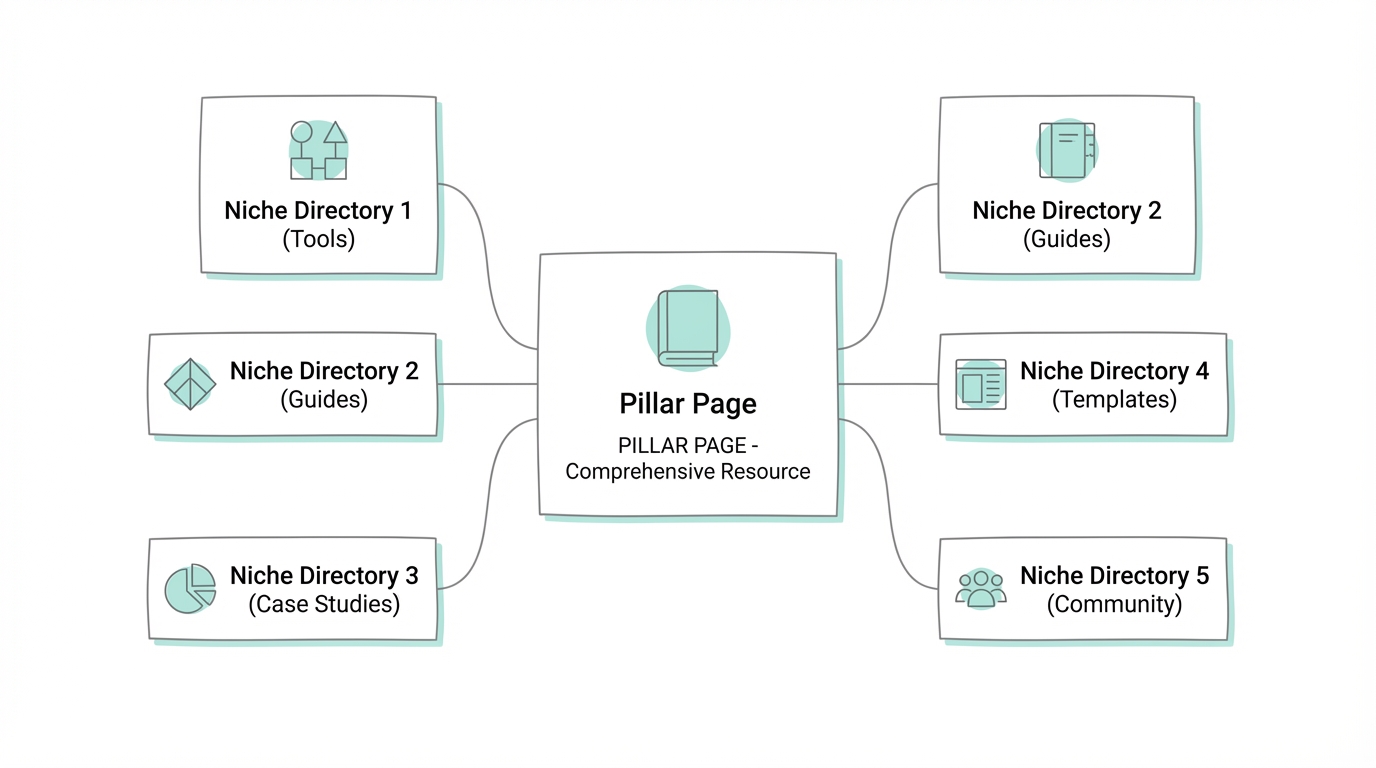
You don't need a complex app to start. Many successful directories use a static pillar page format. This is essentially one very long, high-quality page for each city or state. For example, a 'Dog Parks in Long Beach' page would include a table of contents, high-res photos, enriched data for each park, and internal links to other cities. This format is an SEO powerhouse because it creates a massive keyword cluster on a single URL. It is also perfect for AdSense monetization because the long-form content allows for multiple ad placements. Whether you use WordPress, Framer, or a custom build, the goal is to make the information as accessible as possible without forcing users to click through ten different pages to find a simple address.
Monetization and Long-Term Scaling
Once your directory is ranking and pulling in 'mailbox money' through display ads, you can look at higher-tier monetization. The pet space, for instance, is perfect for affiliate programs like BarkBox. If someone is looking for a dog park, they are likely a high-intent pet owner who would be interested in subscription boxes or DNA kits. For those looking to build something even larger, you can use your directory as a lead generation engine for a SaaS product. For example, a directory of local gyms could eventually funnel traffic into a gym management software. As you grow, platforms like Stormy AI can help you manage relationships with local UGC creators who provide the high-quality content needed to keep your directory fresh and engaging for years to come.
Conclusion: Start with the Data
The 'near me' SEO strategy is one of the most reliable ways to build a passive income stream in the modern digital landscape. By focusing on fragmented search intent and providing enriched local data, you can outrank massive corporations that have ignored the 'boring' niches. Remember the playbook: find the high-volume 'near me' keywords, identify a low-quality 'bounty' competitor, validate the demand on Reddit, and build a high-utility static page. It doesn't need to be pretty at first—it just needs to be useful. In the game of SEO, utility always wins.