In 2026, the traditional search results page (SERP) as we once knew it has been completely transformed. The rise of AI Overviews has shifted the focus from scrolling through blue links to interacting with synthesized, conversational answers. For marketers, this means that the google ads ai agent is no longer just a luxury—it is the central nervous system of any successful digital strategy. As Google Ads continues to prioritize generative summaries at the top of every search, advertisers must adapt to a world where intent-matching outweighs simple keyword density.
From Keyword-Matching to Intent-Matching in AI Overviews
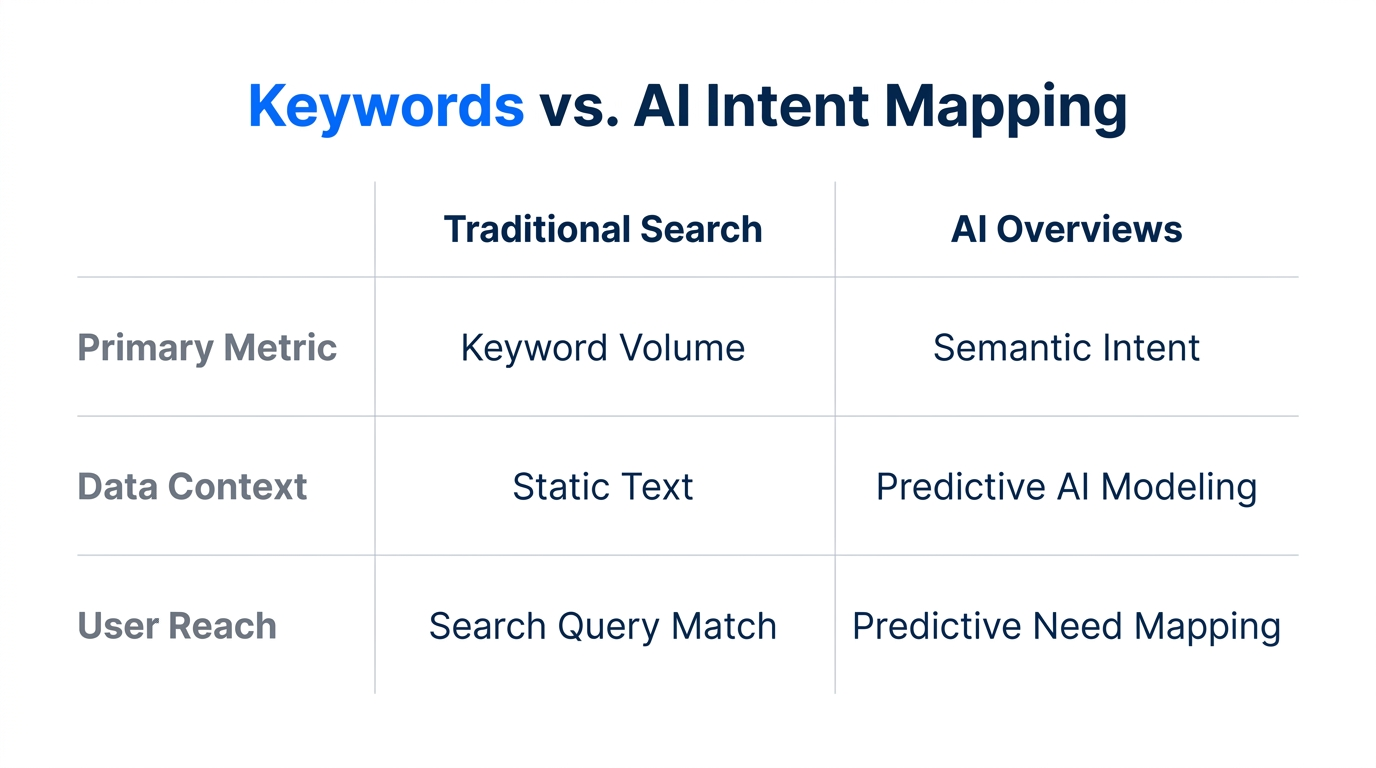
The core of intent-based advertising in 2026 lies in how your brand appears within "Sponsored" results inside Google’s AI Overviews. Previously, an advertiser might bid on "best hiking boots." Today, the Google Ads AI agent analyzes the specific context of a user’s multi-turn query—such as "I need hiking boots for a rainy trip to the Pacific Northwest that are also sustainable"—and serves an ad that meets that precise nuanced need. This shift has led to more relevant placements, with Google Search reporting that advertisers who move from "Poor" to "Excellent" ad strength through AI-guided optimizations see an average of 12% more conversions.
"The move to Agentic AI means ads are no longer static banners; they are dynamic solutions provided at the exact moment of a user's complex inquiry."To dominate google ai overviews ads, brands are increasingly relying on tools like Adsroid to analyze why specific creative assets are being selected by the AI agent. It is about feeding the machine high-quality "raw material." For instance, Performance Max campaigns now require at least 20 images and 15 headlines to give the AI agent enough variations to find the winning combination for every unique search intent.
| Strategy Era | Primary Focus | Key Metric | Primary Tool |
|---|---|---|---|
| 2020-2023 | Keyword Bidding | CPC (Cost Per Click) | Manual Keyword Planner |
| 2024-2025 | Smart Bidding | ROAS (Return on Ad Spend) | Automated Rules |
| 2026 (Present) | Intent-Matching | Predictive CLV | Google Ads AI Agent |
The 20 Billion Monthly Visual Searches: Marketing in 2026
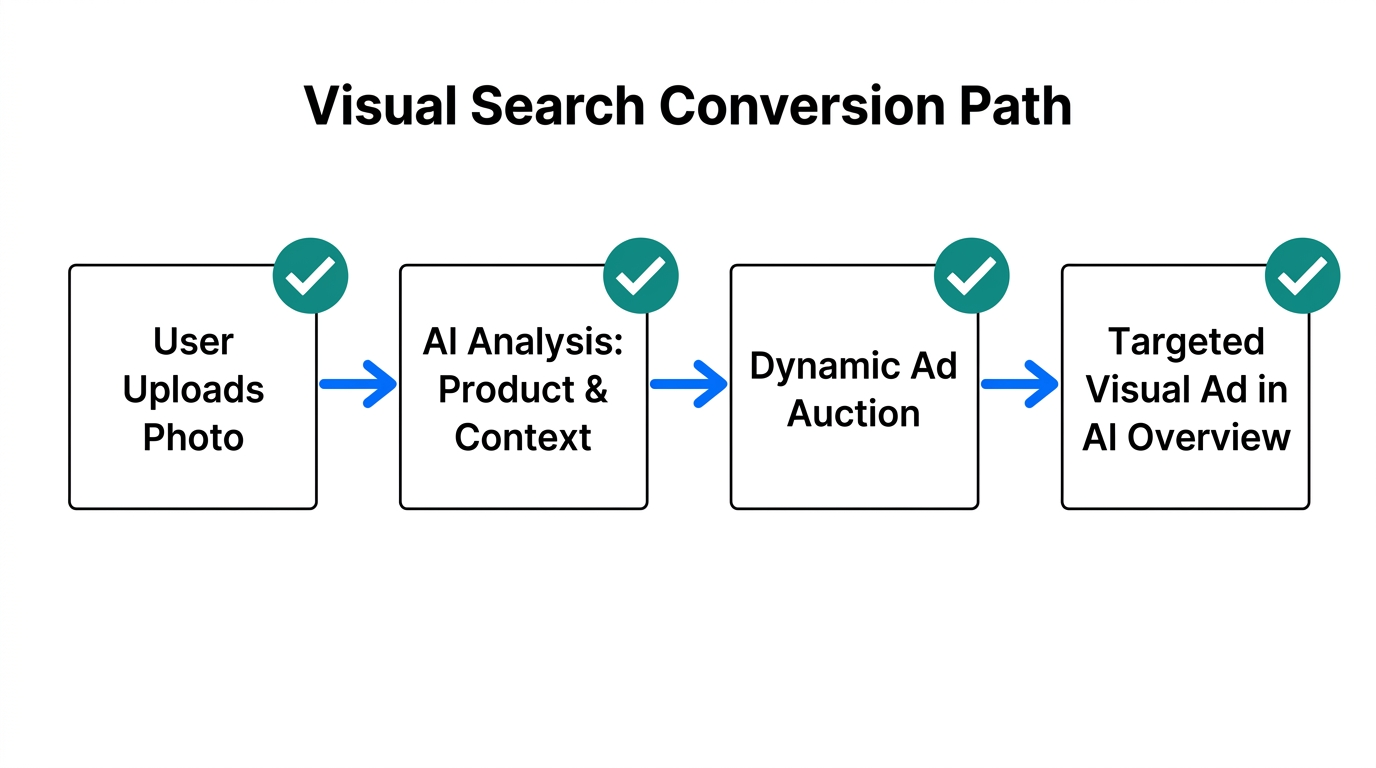
One of the most explosive trends in visual search marketing 2026 is the massive adoption of Google Lens. Currently, there are over 20 billion visual searches occurring every month. Even more critical for advertisers is the fact that 1 in 4 of these searches has commercial intent. This means users are taking photos of products in the real world or screenshotting items on social media to find where to buy them instantly.
To capitalize on this, AI-optimized Shopping ads are now the standard. The Google Ads AI agent automatically scans your product feed—often hosted on platforms like Shopify—and matches visual attributes—colors, textures, and brand logos—with the user's camera input. This has revolutionized retail. For example, a Spanish fashion retailer recently reported doubling their qualified leads in just two weeks by leveraging 100% AI-powered search tools that prioritize visual intent over text-based queries.
First-Party Data Marketing in a Cookieless World
With the final sunsetting of third-party cookies, first-party data marketing has become the bedrock of ad targeting. The modern google ads ai agent acts as a bridge between your CRM and the ad network. By processing encrypted customer lists and offline conversion data, the AI builds hyper-accurate lookalike audiences that were previously impossible to reach. Platforms like Metaflow AI are frequently used by B2B and SaaS growth teams to feed these agents the right signals.
As noted by Napkyn, data hygiene is the most important factor in AI success. If your conversion tracking—enabled through Google Tag Manager—is broken, the AI agent will optimize for the wrong signals, leading to wasted spend. However, when configured correctly, 80% of Google advertisers now use automated bidding to handle the heavy lifting of audience refinement.
"The AI is your Chief Simplifier Officer. It handles the 80% of grunt work, allowing the 20% of human strategy to focus on the brand's unique voice."In the broader ecosystem of data-driven marketing, sourcing the right creators to fuel these campaigns is equally important. Brands using Stormy AI find that combining AI-sourced influencer content with intent-based advertising leads to a much higher ROAS, as the AI agent has more diverse, human-centric assets to test against search queries.
Interactive, Chat-Based Ad Formats
In 2026, ads are no longer just images or videos; they are interactive experiences. The Google Ads Advisor agent allows users to ask questions directly within the ad unit. If a customer is looking at an ad for a SaaS product and asks, "Does this integrate with HubSpot?", the AI agent can answer in real-time without the user ever leaving the search page.
This level of interactivity has seen small businesses become 63% more likely to publish search campaigns with high ad strength ratings. Tools like Groas.ai are at the forefront of this, helping brands create dynamic content that changes based on the user's specific conversational path.
Case Study: Duolingo’s ‘Birdbrain’ Logic
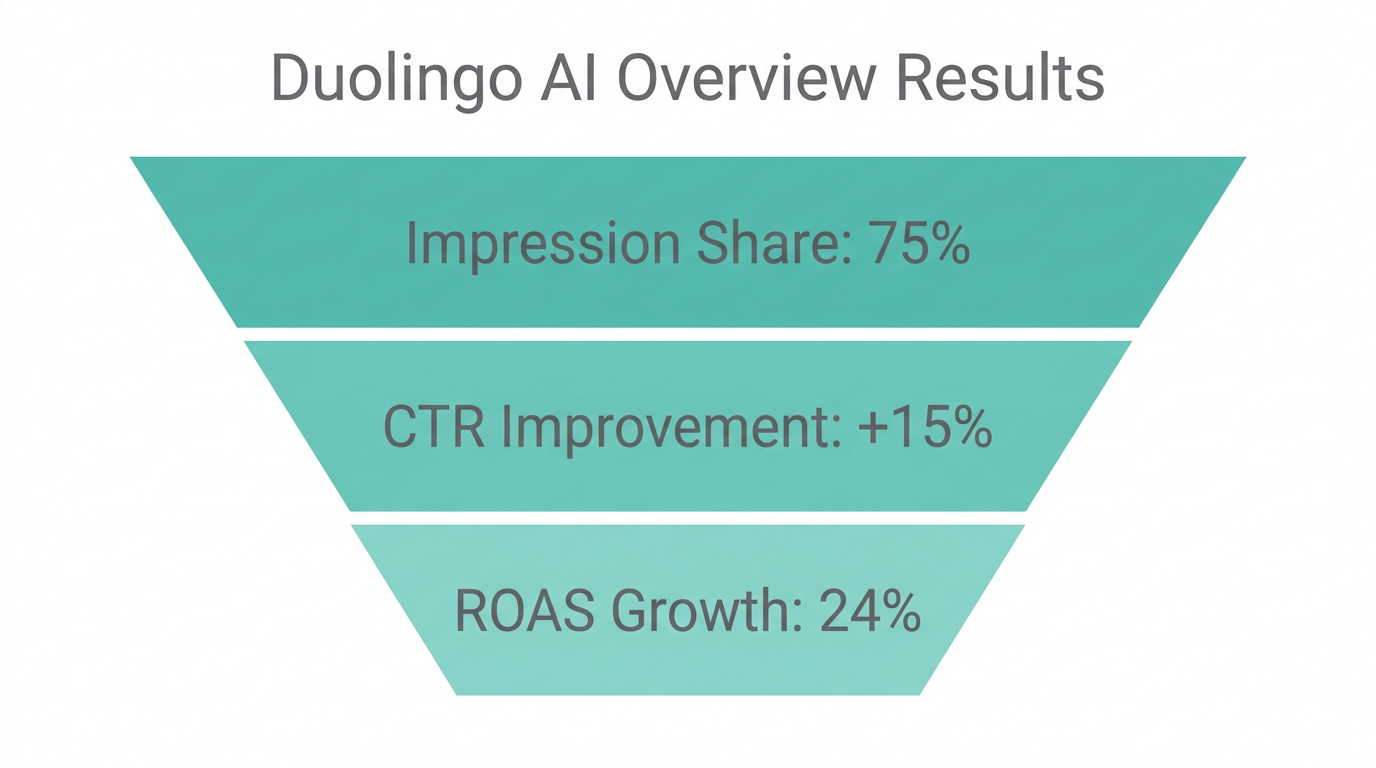
A prime example of agentic ad targeting is Duolingo. They use a specialized AI agent named "Birdbrain" to analyze user engagement patterns. This data doesn't just sit in a silo; it informs their Google Ads strategy. Instead of just targeting "language learning app" keywords, the Birdbrain agent identifies users most likely to perform high-value in-app actions (like finishing a lesson) rather than just a simple download. This sophisticated level of intent-based advertising ensures their budget is spent only on users with a high probability of long-term retention.
The 2026 Advertising Playbook: How to Leverage the AI Agent
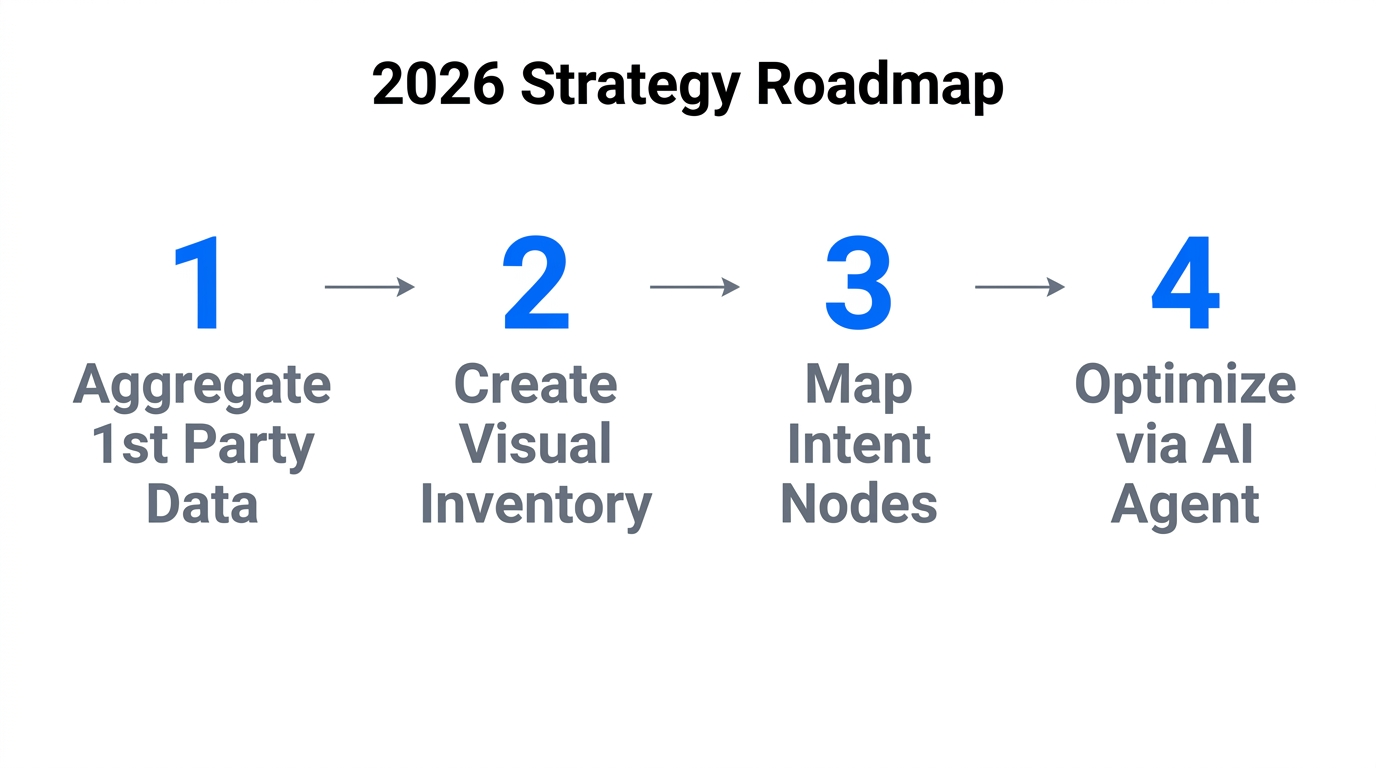
To stay competitive, you cannot simply "set it and forget it." Follow this playbook to ensure your Google Ads AI agent is working at peak efficiency.
Step 1: Audit Your Data Infrastructure
Before launching any AI-driven campaign, verify that your Enhanced Conversions are firing correctly. According to Search Engine Journal, data hygiene is the #1 predictor of success in modern PPC. Use tools like PPCrush.ai for real-time efficiency alerts.
Step 2: Diversify Your Asset Groups
Stop writing single headlines. Provide the AI with 20+ images, 5+ videos, and 15 headlines. Use AdCreative.ai to generate high-converting variations of your visuals. This gives the agent the "raw materials" it needs to find the winning combination for AI Overviews.
Step 3: Implement Negative Keyword Themes
Even in the age of automation, human oversight is required. Use account-level negative keyword lists to prevent the AI from bidding on "scam" or irrelevant competitor terms. AI can sometimes "hallucinate" high-intent for low-quality traffic; manual guardrails are essential.
Step 4: Connect Your First-Party CRM
Upload your customer lists to create "New Customer Acquisition" goals. This prevents the AI agent from wasting budget on existing customers and focuses spend on true growth. Agencies often pair these insights with creator data from Stormy AI to ensure their creative strategy aligns with the audience's interests.
| Platform Component | AI Agent Role | Human Strategist Role |
|---|---|---|
| Bidding | Autonomous optimization | Setting profit-based limits |
| Creative | Testing billions of permutations | Defining brand voice & logic |
| Audience | Processing first-party lookalikes | Providing the CRM data & segments |
| Policy | Troubleshooting and guidance | Final approval & ethical oversight |
Conclusion: The Human-in-the-Loop Imperative
As we navigate the landscape of 2026, it is clear that the google ads ai agent is the most powerful tool in the marketer's arsenal. However, as experts at Blue Flame Thinking point out, AI optimizes for what it can see—clicks and conversions—not necessarily what is profitable for your specific business.
The successful advertiser of 2026 is one who uses AI to handle the scale while providing the strategic context, brand values, and creative direction that a machine cannot replicate. By mastering intent-based advertising and leaning into the visual search revolution, you can ensure your brand remains at the top of the AI Overview, driving sustainable growth in an increasingly autonomous search world.