In the hyper-congested marketplace of 2026, your product name is no longer just a label—it is the highest frequency leverage point in your entire marketing stack. Most founders view naming as a hurdle to clear, a checkbox required by legal before documents are filed. However, the difference between a name that merely describes a function and one that creates an asymmetric marketing advantage can be measured in billions of dollars. When Procter & Gamble first approached experts with a revolutionary cleaning tool, they didn't call it 'The Easy Mop' or 'ProMop.' They called it Swiffer. That single decision transformed a household chore into a $5 billion category leader, while competitors with 'safe' names languished in the hundreds of millions.
The ProMop to Swiffer Masterclass: Moving from Descriptive to Evocative
 5:16
5:16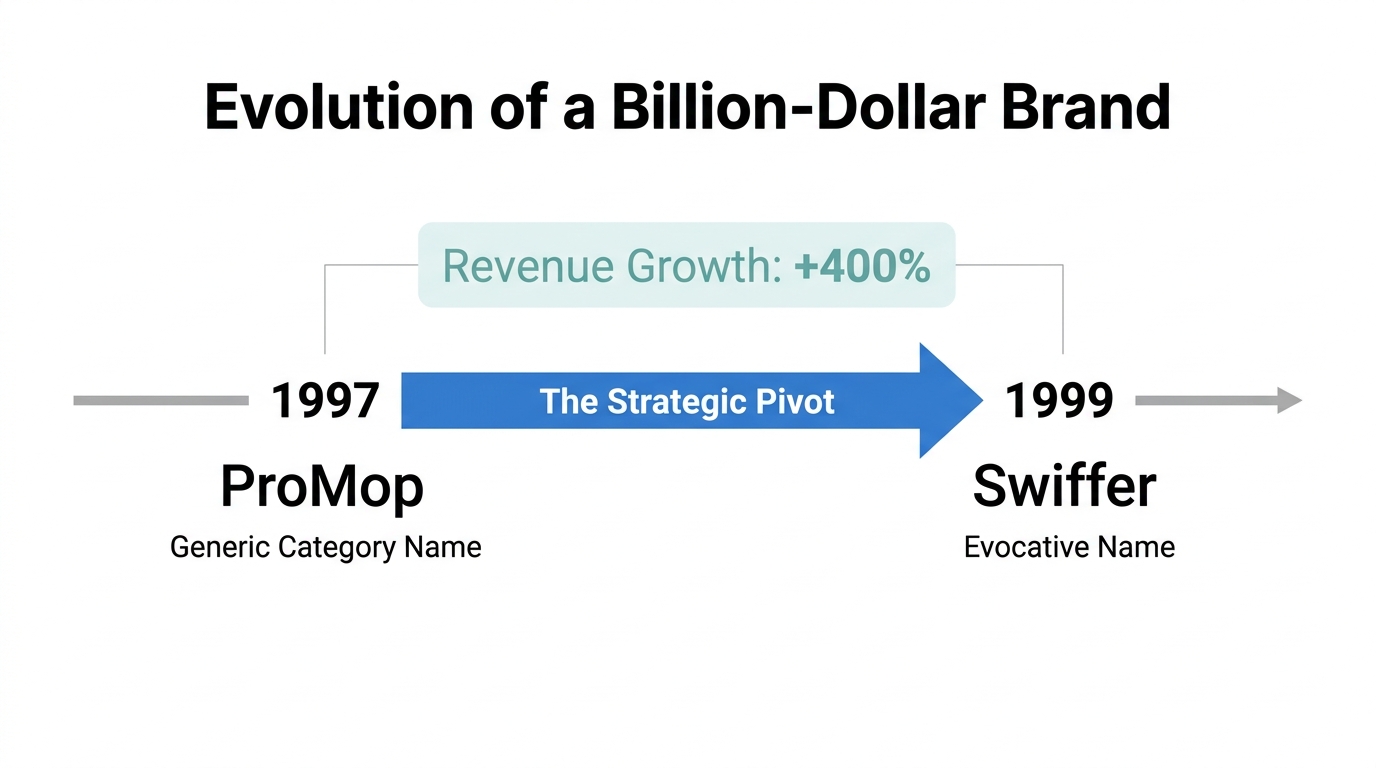
The story of Swiffer is the ultimate Swiffer marketing case study for any founder struggling to name a startup. Originally, the internal team at P&G wanted to call the device 'ProMop.' It was logical. It told the consumer exactly what it was. But there was a fundamental problem: nobody actually wants to mop. Mopping is dirty, heavy, and inefficient. By naming the product 'ProMop,' the brand would have tethered itself to a category of work that consumers fundamentally disliked.
Instead, the team shifted toward an evocative name. They looked at the product’s core characteristics: it was light, it used specialized materials, and it felt like 'magic' how it picked up dust. The name Swiffer doesn't describe the tool; it describes the experience of using it. It sounds fast, light, and almost playful. It has what experts call 'processing fluency'—the brain understands the vibe even if the word is technically coined.
| Feature | Descriptive Name (ProMop) | Evocative Name (Swiffer) |
|---|---|---|
| Consumer Perception | A professional tool for a chore. | A fast, light, almost magical experience. |
| Market Category | Tethered to the 'mop' category. | Created a new category of 'Swiffering.' |
| Market Valuation | Competitive with $200M brands. | $5 Billion global dominance. |
At the same time Swiffer launched, Clorox released 'Ready Mop.' On paper, 'Ready Mop' is a great name. It’s clear, it’s beneficial, and it likely tested very well in focus groups because people immediately understood it. But because it was 'comfortable' and 'safe,' it lacked the asymmetric marketing advantage required to dominate. In 2026, if you want to scale via Meta Ads Manager or viral UGC, a safe name is a death sentence. It falls into the 'Invisible Zone' of consumer attention.
"Nothing you do in your brand will be used more often or for longer than your name. It is the only element that compounds in value every single day."
The Impossible Burger Paradox: Using Polarization to Buy Earned Media
47:58If Swiffer is a lesson in experience, the Impossible Burger brand building strategy is a lesson in psychological tension. When the team behind the plant-based meat alternative started, they were pressured to choose a name that fit the 'Whole Foods' aesthetic—something crunchy, natural, and green. They were told to play it safe so they wouldn't alienate traditional meat eaters.
Instead, they chose a name that was intentionally polarizing: Impossible. This is a masterclass in asymmetric marketing. By claiming their product was 'impossible,' they didn't just name a burger; they made a bold claim that demanded a response. It generated instant press because it challenged the status quo. In a world where every startup is fighting for a slice of the Google Ads auction, a polarizing name like Impossible acts as a gravitational force for earned media.
Escaping the 'Invisible Zone': Why Safe Names Kill Startups
9:28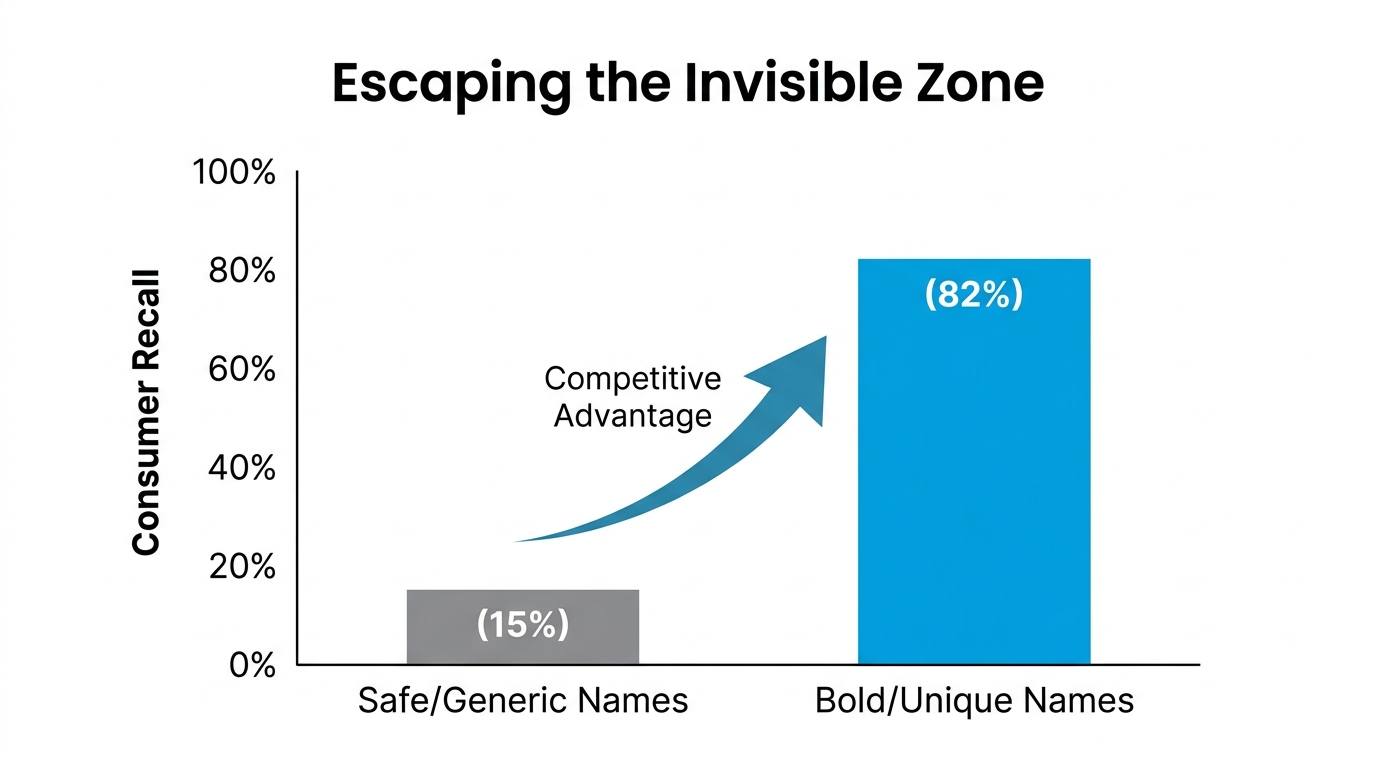
Most founders make the mistake of choosing a name based on consensus. They ask their team, their lawyers, and their spouse, and they inevitably end up with something 'safe.' This is what we call the Invisible Zone. In this zone, everyone agrees the name is fine, which is exactly why it will fail to get attention on TikTok Ads Manager.
To find the 'Right Name,' you must move into the Tension Zone. This is where half the people in the room might hate the name, but the energy is high. Polarizing names like Blackberry or Sonos often start in this zone. When Blackberry was first presented, the clients were skeptical. Why would a high-end communication device for executives be named after a fruit? But the linguistic structure—the double 'B'—implied reliability and speed. It was a 10/10 strategic fit disguised as a risky choice.
The Step-by-Step Framework for a Billion-Dollar Brand Name
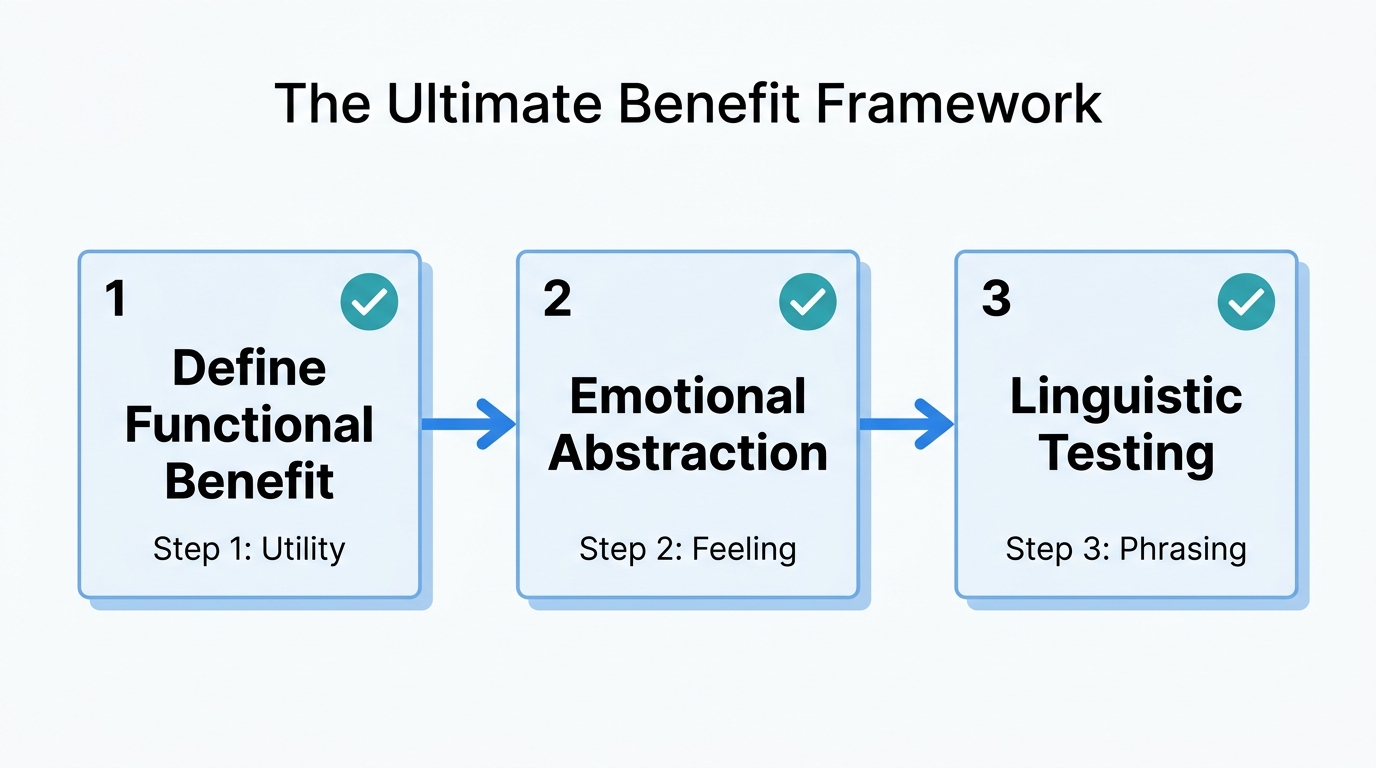
Creating a brand naming strategy 2026 requires more than a brainstorming session. It requires a process of 'treasure hunting' through the deep blue sea of linguistic possibilities. Follow this 5-step playbook used by the world's most successful naming experts:
Step 1: Map the Competitive Landscape
Audit every competitor in your niche and group them into buckets. If you are launching a fiber brand and everyone is using words like 'Fiber One' or 'Metamucil,' you know exactly where not to go. You want to be the 'Impossible' in a sea of 'Natural Greens.'
Step 2: Ladder Up to the Ultimate Benefit
Don't name your product after what it is; name it after how the user feels. If you are selling fiber, don't focus on 'digestion.' Focus on the feeling of being light. Once you identify 'Light' as the ultimate benefit, you can explore territories like aviation (Lift, Feather, Aero) or meteorology (Cirrus, Azure) to find evocative connections.
Step 3: Generate Massive Quantity
Quality in naming is a function of quantity. Don't stop at 50 names. Professional naming firms often generate over 2,000 names before narrowing them down. Use tools like Claude or ChatGPT to explore Latin roots, Greek mythology, and periodic table elements. The goal is to find 'trash'—raw concepts that can be refined into gold.
"Quantity leads to quality. If you haven't written down 1,000 bad names, you haven't found the one great one yet."
Step 4: Use Sound Symbolism
Linguistics matter. Certain letters carry inherent psychological weight. K, P, B, and X are power letters. They sound reliable, fast, and innovative. This is why SpaceX is a 10/10 name—the 'X' signals innovation, while the 'Space' provides the category anchor. If your brand needs to feel fast, look for 'plosive' consonants that pop when spoken.
Step 5: Proof of Concept Testing
Never look at a name in a spreadsheet. Instead, put it in context. How does the name look in a Wall Street Journal headline? How does it look on a creator's hoodie in a UGC campaign managed on Stormy AI? If the name feels believable and intriguing in a real-world setting, it has the potential to scale.
| Naming Pillar | Actionable Goal | Psychological Trigger |
|---|---|---|
| Originality | Move away from category norms. | Pattern Interrupt. |
| Fluency | Easy to pronounce/spell. | Reduced cognitive load. |
| Surprise | Unexpected context. | Dopamine spike / Curiosity. |
Scaling Your Name with AI and Influencers
25:35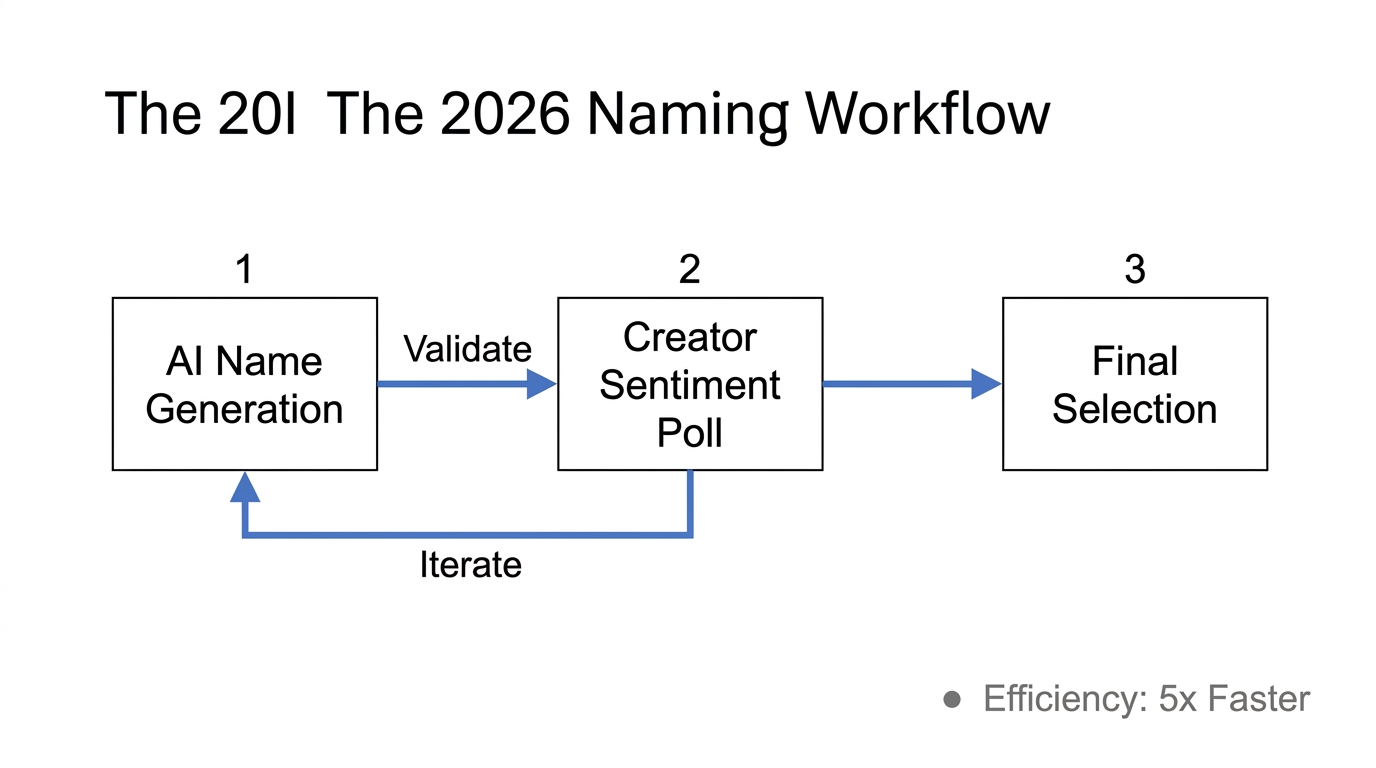
Once you have secured the 'Right Name,' the next challenge is distribution. In 2026, the most effective way to build consumer product go-to-market momentum is through authentic creator partnerships. A name like 'Impossible' or 'Swiffer' gives creators a 'hook' to build content around. They aren't just talking about a burger; they are talking about the 'Impossible' feat of making plants taste like steak.
Modern marketing teams use Stormy AI to discover creators who align with their brand’s specific 'vibe.' Whether you need fitness creators in LA to launch a new 'Light' fiber brand on Shopify or tech reviewers to showcase a new 'X' branded gadget, Stormy AI’s search engine uses natural language to find the perfect matches instantly. By automating the outreach and follow-up process, you can ensure your billion-dollar name is being spoken by thousands of influencers while you sleep.
"A name creates the spark, but creator-led UGC is the gasoline that turns that spark into a multi-billion dollar wildfire."
Conclusion: The compounding Value of the Right Name
Choosing a name for your startup is not a creative exercise—it is a financial one. A bad name creates friction, forcing you to spend more on TikTok Ads and influencer marketing just to be remembered. A great name provides a tailwind, compounding in value as it becomes synonymous with its category. Don't settle for comfortable. Don't settle for 'ProMop.' Look for the name that makes your team slightly nervous and your competitors very worried. That is where the billion-dollar opportunity lies.