Imagine waking up at 4:00 AM, chugging a glass of water, and sitting down to manage not one, but three distinct companies that collectively generate over $5 million in annual revenue. For Tim Stoddart, this isn't a pipe dream—it is a Tuesday. Starting as a blue-collar worker and overcoming personal struggles, Stoddart transitioned from a solo blogger to a high-level multipreneur. The journey from running a single service-based agency to managing a business portfolio management holding company is a masterclass in operational efficiency and strategic reinvestment. This guide explores how to use a 'cash cow' business to fund and acquire a portfolio of evergreen, cash-flowing assets.
The Holding Company Model: Turning Service Revenue into Equity
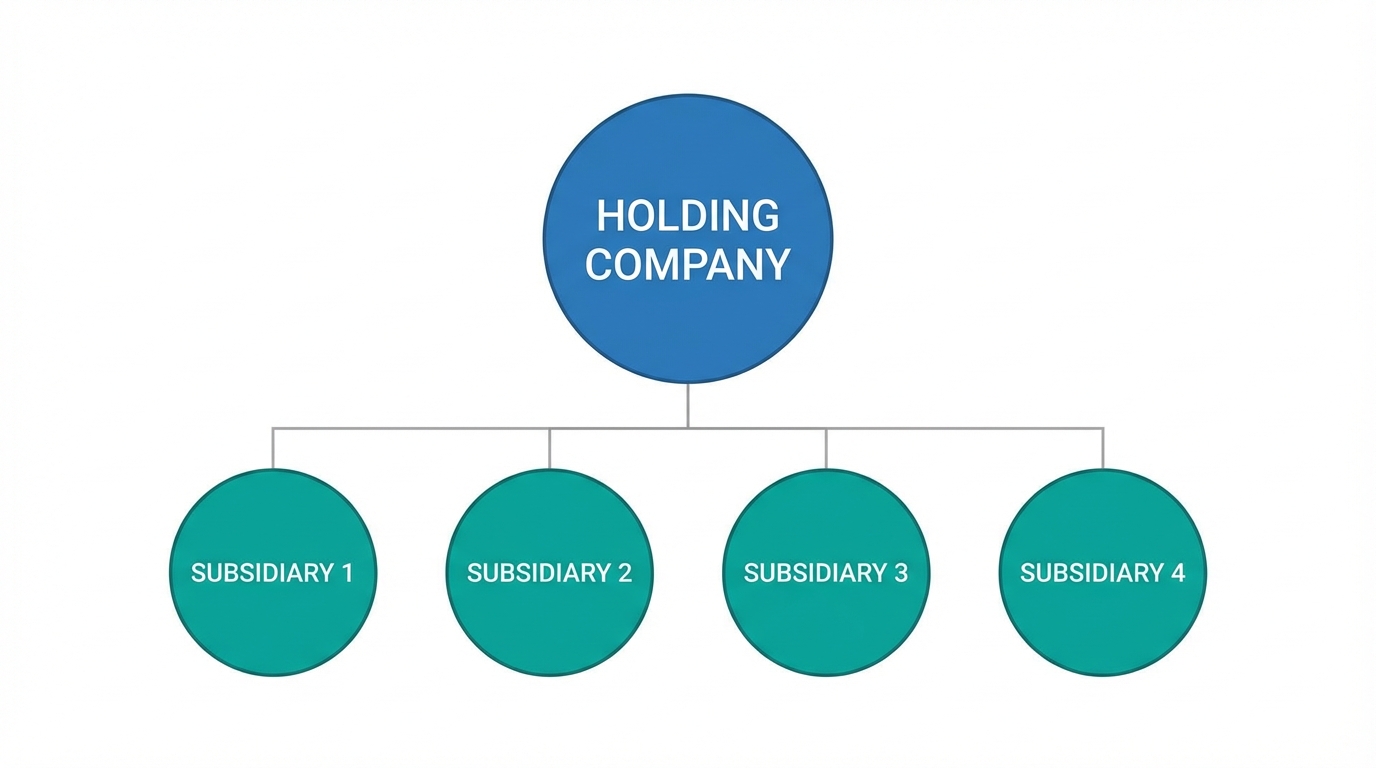
The core of multipreneurship lies in the transition from being a technician to being a capital allocator. Most entrepreneurs start with a service-based business because it requires zero upstart capital. Stoddart's primary engine, Stodzy Internet Marketing, generates approximately $2.5 million annually. However, rather than simply increasing his personal lifestyle spending, he treats the agency as a cash cow to fuel his personal holding company.
The holding company model allows an entrepreneur to diversify risk. While an agency is profitable, it is notoriously difficult to scale because every new client requires more labor and overhead. By reinvesting agency profits into cash flowing assets for entrepreneurs—such as niche media sites or software—you shift from trading time for money to owning systems that work while you sleep. Stoddart's portfolio now includes Sober Nation, Copyblogger, and interests in several other firms, proving that a diversified portfolio is the ultimate hedge against market volatility.
The SEO Playbook: Scaling Through Problem-Solving
To understand how to scale a business to the multi-million dollar level, you must understand the mechanics of lead generation. Stoddart's success began by identifying that Google is, at its heart, a "problem-solving machine." He built his first major asset by ranking for hyper-specific keywords like "drug rehab marketing."
Instead of following generic advice to "just create great content," a scalable strategy requires being methodical. You can use tools like Google Trends to identify what people are searching for and then write the definitive solution to that problem. When you solve a high-value problem for a specific niche, you don't just get traffic; you get high-intent leads that can be converted into $2,000-per-month (or higher) retainers. This predictable cash flow is what eventually provides the liquidity needed for business portfolio management.
Buying vs. Building a Business: The Strategic Shift

A major turning point for any growing entrepreneur is the decision of buying vs building a business. Building from scratch allows for total control but takes immense time. Buying an existing asset allows you to skip the "zero to one" phase. Stoddart's acquisition of Copyblogger is a prime example of strategic acquisition. He didn't have to build the authority or the audience; he simply had to apply his operational expertise to an existing community.
He has also taken founding stakes in companies like SparkLoop, which helps creators grow their email lists on platforms like Beehiiv and ConvertKit. For modern brands, managing these acquisitions often involves working with influencers and content creators. Tools like Stormy AI can help source and manage UGC creators at scale, ensuring that newly acquired media assets remain fueled by high-quality, creator-driven content without the founder needing to be the face of every brand.
The 3-Point Criteria for Portfolio Assets
Not every profitable business is a good investment. To manage a $5M+ portfolio without losing your mind, you need a strict filtering process. Stoddart uses a simple three-point checklist before committing capital or time:
- Founder Chemistry: Do you actually like the person running the business? If the relationship is strained, the investment will eventually fail, regardless of the balance sheet.
- Cash Flow Status: The goal isn't to find the next "unicorn" that might go public in ten years. The goal is cash flowing assets for entrepreneurs that provide immediate ROI to fuel the next acquisition.
- Evergreen Demand: Focus on industries that will be around forever. Healthcare and education are classic examples. This is why Stoddart's portfolio is heavily weighted toward addiction recovery and writing education—two recession-proof needs that aren't going away.
Overcoming 'Founder's Block' with the E-Myth Framework
One of the biggest hurdles in how to scale a business is the founder themselves. Many solopreneurs reach a plateau where they become the bottleneck of their own company. Stoddart credits his ability to run multiple companies to the principles found in The E-Myth Revisited.
The "E-Myth" philosophy suggests that most small business owners are actually just "technicians suffering from an entrepreneurial seizure." To scale, you must move from *doing* the work to *designing* the work. This involves documenting every single process. When you have a documented SOP for everything from lead onboarding to content publishing, you can hire a team—often starting with people looking for a second chance, as Stoddart did—and get out of the way. If you are still in the middle of every decision, you don't own a portfolio; you own a very stressful job.
The Multipreneur's Tech Stack

Running a business portfolio management firm requires a lean but powerful tech stack to maintain communication across different teams. Stoddart relies on a few key tools to keep his $5M portfolio running smoothly:
- Communication: Slack is the central hub for all team interactions across the different brands.
- Asynchronous Training: Loom allows the founder to record instructions once so the team can reference them forever, reducing the need for repetitive meetings.
- Task Management: Todoist is used for personal high-level tasks, while ClickUp handles the complex workflows of the SEO agency.
- CRM: HubSpot serves as the primary engine for tracking leads and managing the professional network.
When working with external creators for these brands, a dedicated Stormy AI influencer CRM can further streamline the process, allowing the holding company to track negotiations and payments in one centralized dashboard rather than letting them get lost in messy email threads.
The Art of the Close: How to Secure High-Value Clients
You cannot build a $5M portfolio without being a master of sales. Stoddart’s approach to closing deals is refreshingly simple and avoids the high-pressure tactics often seen in the industry. It starts with asking questions that allow the prospect to verbalize their own pain points.
The secret weapon in his sales arsenal is a single line: "Are you ready to get started?" After asking this, the key is to mute your phone and stay silent. The first person to speak usually loses. By addressing price early and asking for the commitment directly, you filter out the window shoppers and focus your energy on the clients who will actually fund your next business portfolio management move.
Managing the Mental Load of Multiple Brands

Perhaps the hardest part of multipreneurship isn't the logistics—it's the mental weight. Stoddart admits to "worrying all the time" about what might go wrong. The solution is a disciplined daily routine. By dedicating the morning to logistics and task assignment, and the afternoon to deal-making and contracts, he ensures that the "boring" work of maintenance doesn't kill the "exciting" work of growth.
His advice for those just starting out? Focus on making it to midnight. Scaling a business portfolio isn't about having a 10-year plan that never changes; it’s about winning the day, one day at a time. Whether you are building an agency or buying vs building a business in a new niche, the goal remains the same: create systems that serve your life, rather than letting your businesses consume it.
The Path Forward for Future Multipreneurs
Scaling from a solopreneur to a $5M portfolio requires a fundamental shift in how you view your time and money. By using an agency as a cash generator, documenting your processes to remove yourself as a bottleneck, and strictly adhering to evergreen investment criteria, you can build a stable of cash flowing assets. Remember, the goal of multipreneurship isn't just to be busy—it's to be free. Start by mastering one skill, turn that skill into a documented system, and then use the resulting capital to buy back your time by acquiring or building assets that grow independently of your daily labor.