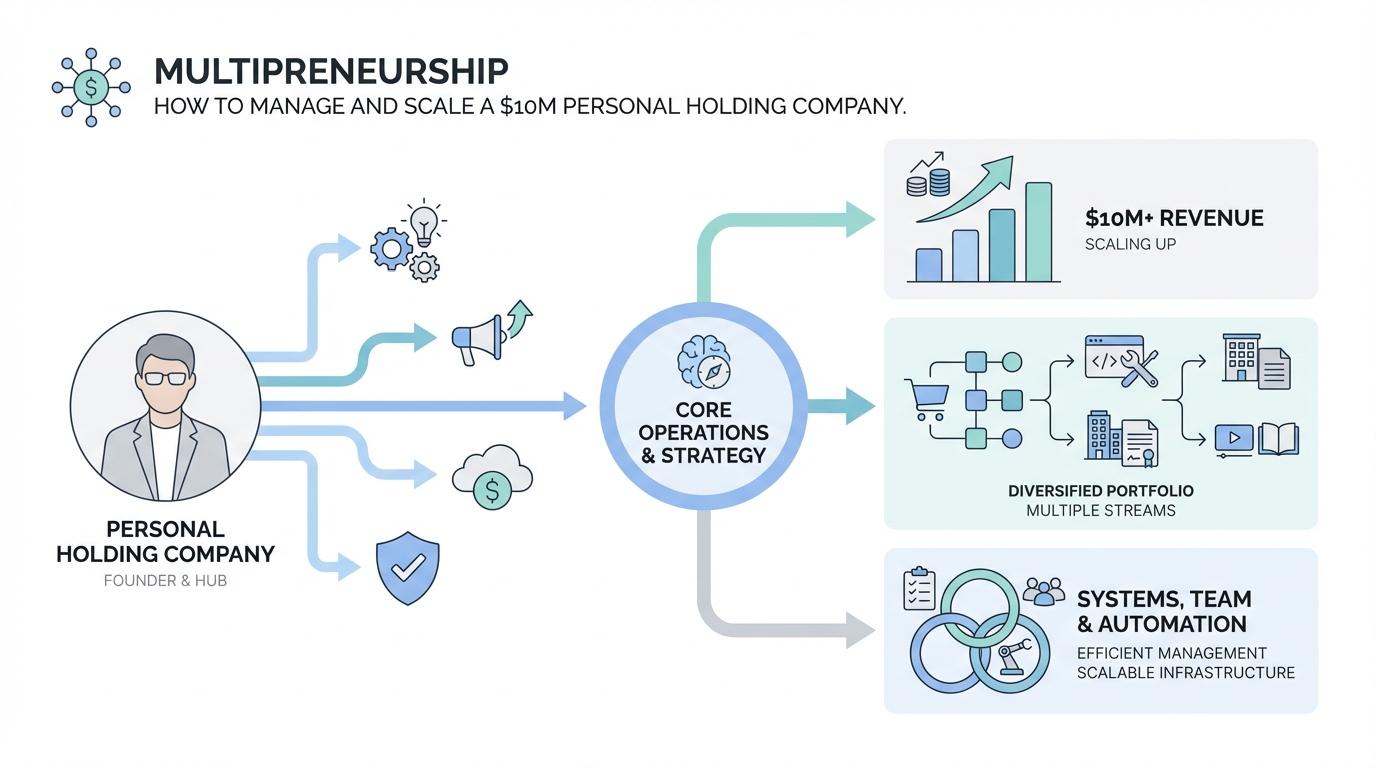
In the traditional venture capital world, the mantra is simple: focus on one thing, scale it to the moon, and pray you don't run out of cash before the next round. But for Greg Isenberg, former head of product strategy at WeWork, that model proved to be a house of cards. After watching a $47 billion company spiral toward bankruptcy, Isenberg realized that the single-point-of-failure model was fundamentally broken for the modern era. Today, he runs Late Checkout, a personal holding company that generates eight figures in revenue across six different businesses. He isn't a solopreneur, nor is he a traditional CEO; he is a multipreneur. This strategy isn't just about making more money—it’s about building a diversified portfolio of internet assets that act as built-in insurance against the volatile whims of algorithms and market shifts.
What is Multipreneurship?
Multipreneurship is the practice of building and managing multiple products, companies, and revenue streams simultaneously under a single umbrella, often referred to as a digital holding company. According to insights from Starter Story, this model allows an entrepreneur to hedge their bets. Instead of relying on one flagship company to generate $100,000 in monthly revenue, a multipreneur might own eight different businesses that each generate $25,000. If a Google algorithm update decimates the SEO of one business or Instagram changes its reach policies, the entire empire doesn't crumble. You have built-in insurance because your risk is spread across different niches, platforms, and customer bases.
The compounding effects of this model are significant. In the creator economy, where attention is the primary currency, owning multiple assets allows you to cross-pollinate audiences and leverage the same operational infrastructure across different brands. By utilizing modern AI tools and lean teams, it is now cheaper and faster than ever to build these businesses from scratch. The goal of portfolio entrepreneurship is to move away from the high-stress, high-risk venture model and toward a profitable, sustainable machine that works for you, rather than the other way around.
The ACP Funnel: The Secret to Profitable Launching
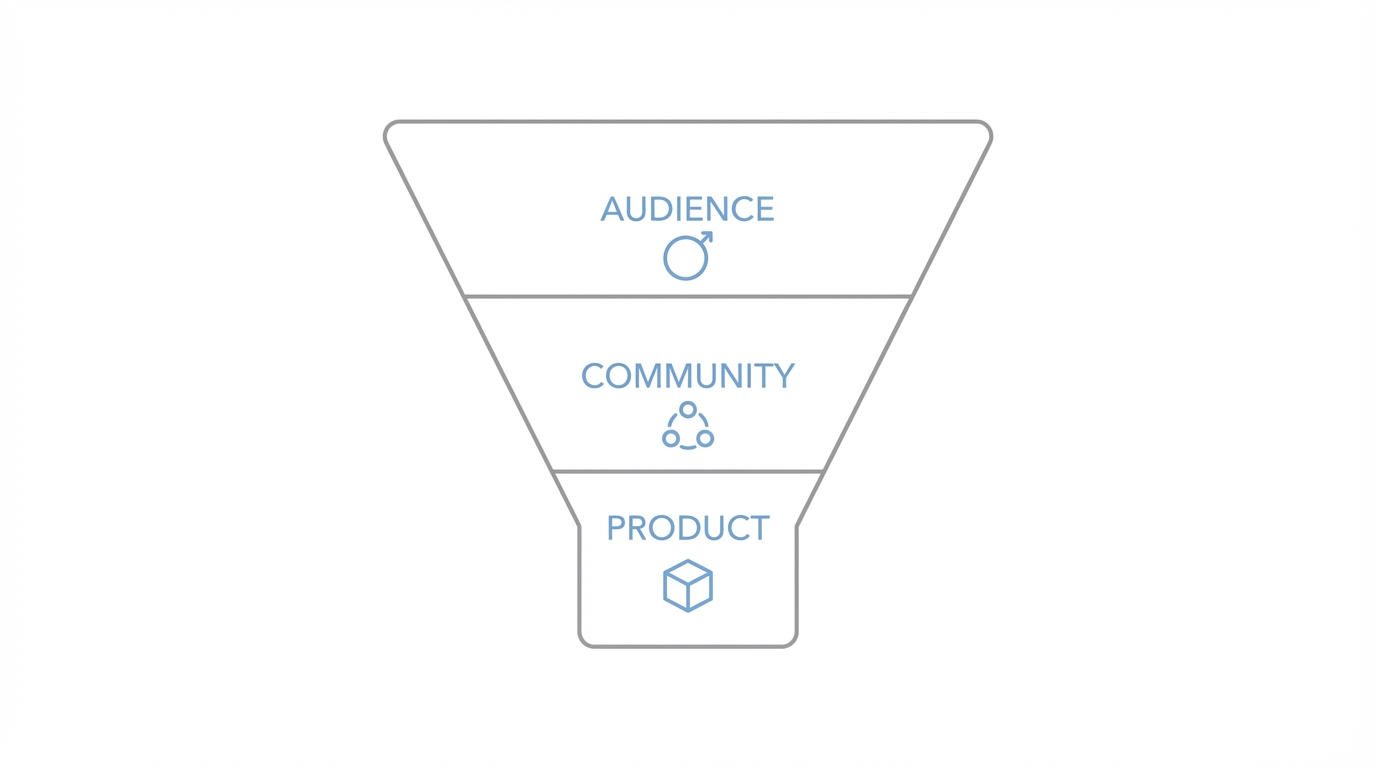

To scale multiple businesses to a $10M run rate, you cannot rely on luck. You need a repeatable framework. Isenberg’s "secret sauce" is the ACP Funnel, which stands for Audience, Community, and Product. Most entrepreneurs make the mistake of building a product first and then desperately searching for customers. The multipreneur flips this on its head. You start with an Audience by building a following on platforms like X (Twitter), LinkedIn, or TikTok. Once you have attention, you move that audience into a Community—a place where you own the relationship via email lists or SMS and can deeply understand their pain points.
Finally, you build the Product that solves the specific problems your community is screaming about. This ensures that you have product-market fit before you even write a line of code or hire a designer. For example, Isenberg built a Twitter account focused on design inspiration, grew it to several thousand followers, and within 72 hours launched Design Scientists, a subscription design agency that did seven figures in its first year. This model works because it eliminates the most expensive part of any business: customer acquisition. When you own the community, your CAC (Customer Acquisition Cost) is effectively zero.
For those looking to build the "Audience" phase of the funnel, identifying the right influencers and partners is key. Using Stormy's AI search, multipreneurs can instantly discover creators across TikTok, YouTube, Instagram, LinkedIn, TikTok Shop, and newsletters who already have the ears of their target niche. Instead of manually scrolling through feeds, you can use natural language prompts to find creators with high engagement rates and authentic audiences, allowing you to bootstrap your own community through strategic partnerships.
The $100k Profit Rule: When to Stop Being a Solopreneur
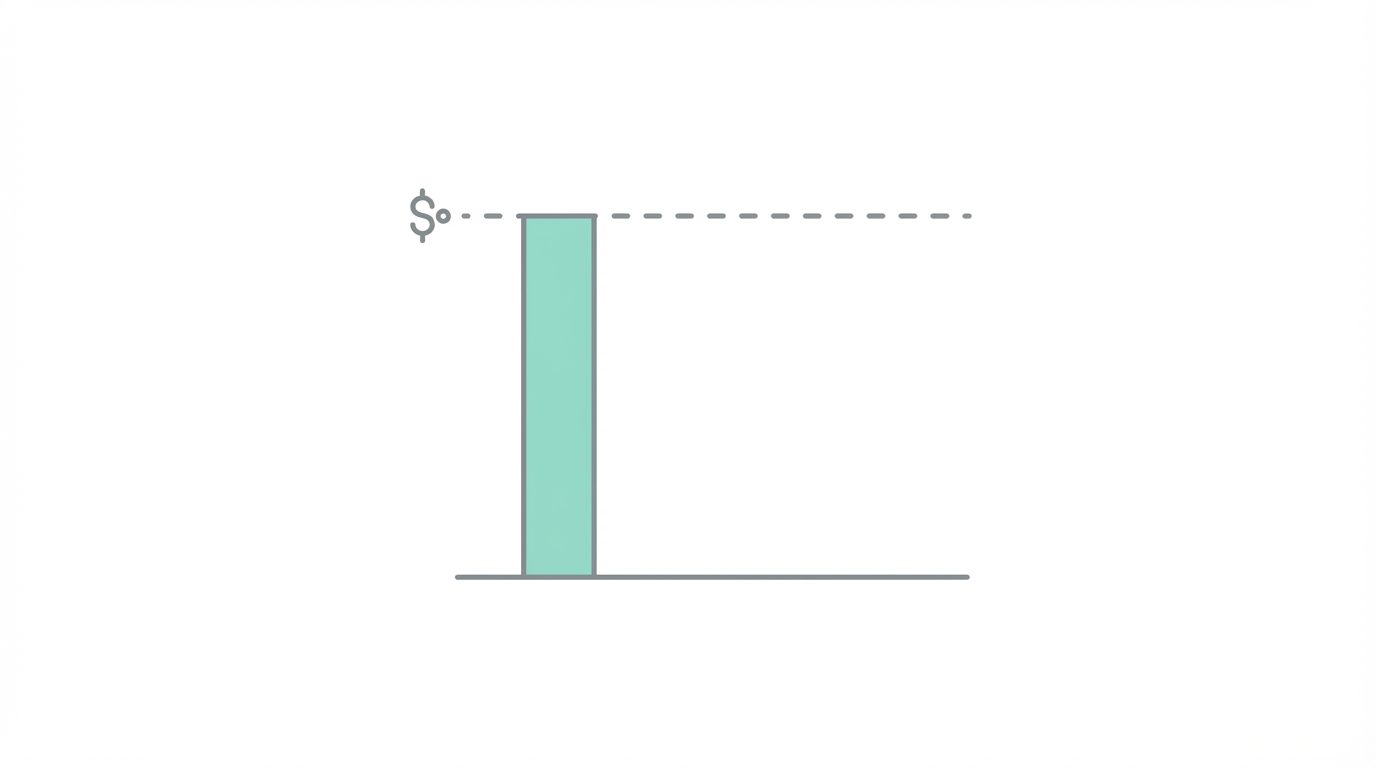
One of the biggest traps in multipreneurship is trying to manage everything yourself indefinitely. You cannot scale a personal holding company if you are the bottleneck in every business. The transition from solopreneur to multipreneur happens at the $100,000 profit mark. Once a single business unit is generating at least $100k in annual profit, it is time to find an operator. An operator is a dedicated lead who takes over the day-to-day management, growth, and customer success of that specific business.
Hiring an operator frees up your creative energy to either incubate the next idea or acquire a new business to add to your portfolio. This is the only way to reach an 8-figure valuation without burning out. By delegating the "sleepless nights" to a trusted operator, the multipreneur can focus on high-level strategy and capital allocation. This is the digital holding company model in action: you are the visionary and the bank, while your operators are the execution engine.
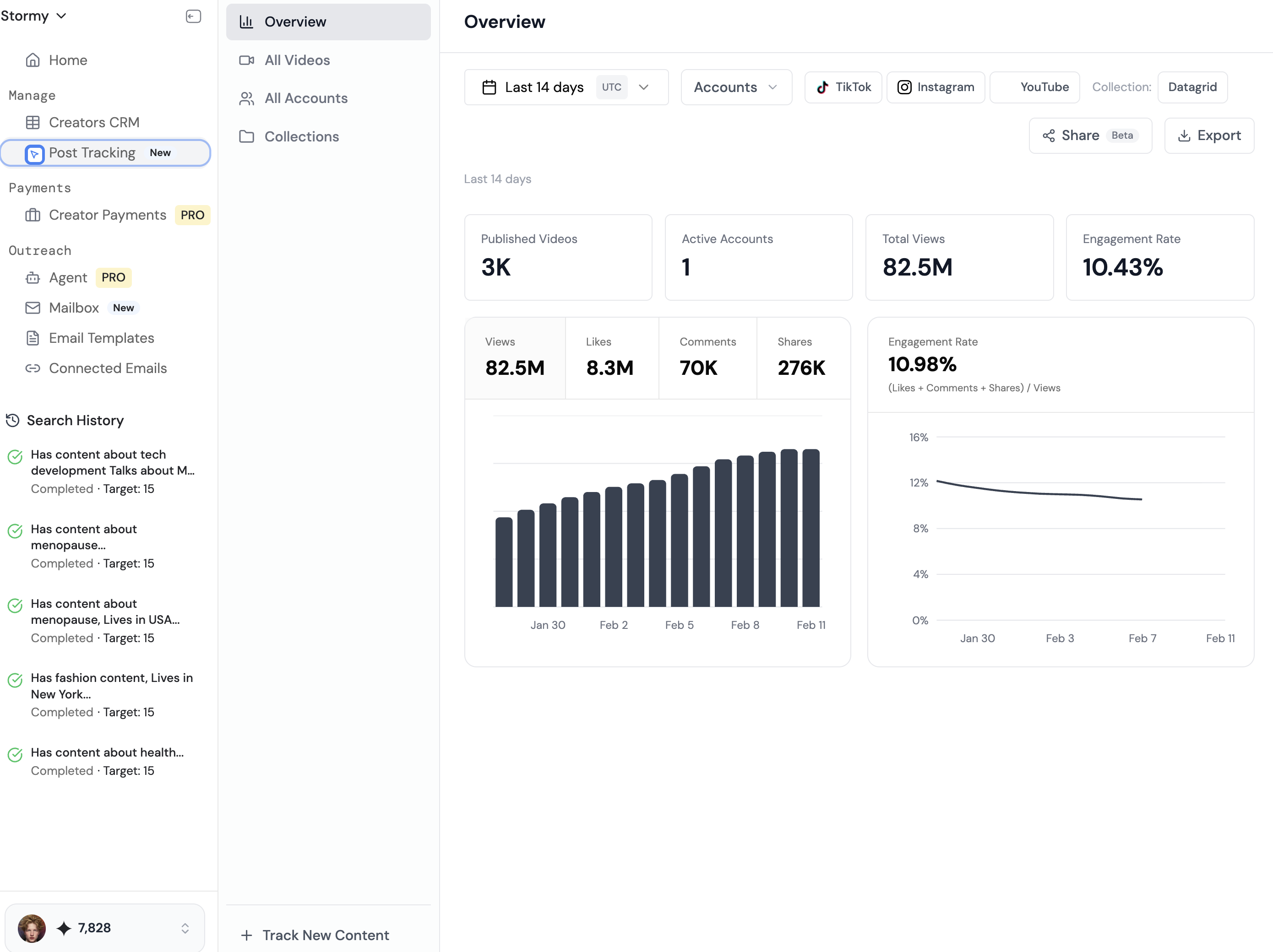
Managing these operators requires a robust system for tracking performance across multiple brands. Stormy's post tracking and analytics dashboard can be an essential part of this stack, allowing you to monitor the social media performance and campaign ROI of all your portfolio companies in one centralized location. When you can see which business units are gaining the most traction in real-time, you know exactly where to reinvest your profits.
Building a ‘Nerd-in-Residence’ Program
Finding the right talent to run your businesses is the hardest part of scaling. Traditional job boards often yield generic candidates. Instead, the most successful multipreneurs source talent directly from their own communities. Isenberg calls this the "Nerd-in-Residence" model. These are individuals who are already experts in a specific niche—whether it’s AI, SEO, or community management—and are actively contributing to the discussions in your groups.
When you find someone who is consistently providing value and shows a deep obsession with the subject matter, you reach out to them. The best hires are often people who already have jobs but are looking for more autonomy or a piece of the upside. Cold DMing and personalized email outreach are the primary tools for this. To streamline this process, you can leverage Stormy AI for personalized AI email outreach, which generates hyper-personalized emails for creators and potential talent, handling follow-ups automatically so you can recruit top-tier operators while you sleep.
The Lean Management Stack for 8-Figure Growth
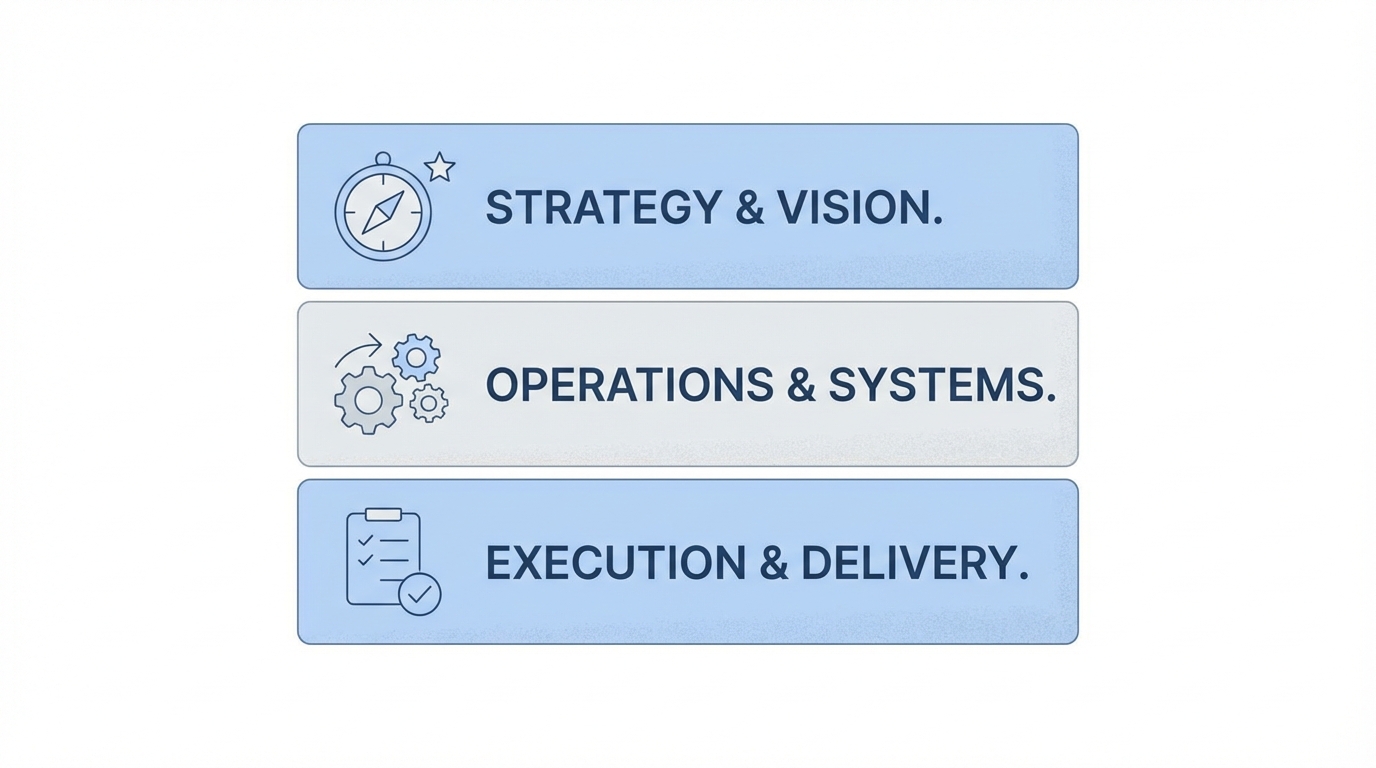
Running a $10M empire with a lean team requires a specific set of tools to ensure communication doesn't break down. Multipreneurs should avoid bloated enterprise software and stick to a fast, asynchronous stack. The core of a modern holding company often includes:
- Notion: Used as the "operating system" for the entire company. Every business unit has its own workspace for documentation, roadmaps, and KPIs. Notion keeps the vision aligned across different teams.
- Slack: The hub for real-time team communication. Each company in the portfolio should have its own dedicated channels to prevent cross-contamination of projects. Slack is where the daily execution happens.
- Loom: For a multipreneur, time is the most valuable asset. Using Loom for quick video updates and feedback loops replaces hour-long meetings and allows the team to work asynchronously.
- Framer: To maintain the speed of the ACP funnel, you need to be able to ship landing pages in hours, not weeks. Framer allows multipreneurs to test new ideas with high-fidelity sites instantly.
- ConvertKit: Managing the "Community" aspect of the funnel requires sophisticated email automation. ConvertKit is the gold standard for creator-led businesses to nurture leads and drive product sales.
Beyond internal operations, managing the external relationships that drive growth is just as important. Stormy's creator CRM provides a centralized place to track every interaction, negotiation, and payment with the influencers and partners that power your portfolio brands, ensuring that nothing falls through the cracks as you scale.
How to Find Million-Dollar Business Ideas
Multipreneurs don't wait for inspiration; they use data to find painful problems. The goal is to find subreddits or niche communities where people are complaining about specific issues. Tools like redditlist.com can show you which communities are growing the fastest, while gummisearch.com can analyze those subreddits to surface the most common pain points and unanswered questions.
Another powerful tactic is analyzing competitor content. Using VidIQ, you can look at the top-performing videos in your niche and sort by the "top questions" in the comments section. Often, the audience will literally tell you what product they want to buy. If ten people are asking the same question in a YouTube comment section and no one has a good answer, you have just found your next business idea. This data-driven approach to scaling multiple businesses ensures that you are solving real problems for real people, rather than chasing trends.
Why the Holding Company is the Future of the Creator Economy
The age of the "one-hit wonder" creator or the single-product SaaS is ending. As AI makes it easier for anyone to launch a product, the real moat becomes the brand, the community, and the portfolio. A personal holding company allows an entrepreneur to capture more of the value chain. If you have an audience of agency owners, why only sell them a course when you could also sell them an SEO tool, a design service, and a job board? This is the essence of multipreneurship.
By owning the distribution and the product, you become uncancelable and unkillable. You are no longer at the mercy of a single platform's terms of service. You are building a digital holding company model that can endure for decades, generating cash flow that can be reinvested into new ventures. This is the ultimate path to freedom for the modern creative entrepreneur.
Conclusion: Finding Your Truth in the Portfolio Model
The transition to multipreneurship isn't about working more hours; it's about working smarter by leveraging systems, AI, and talent. As Greg Isenberg learned through the highs of WeWork and the lows of its collapse, life is too short to build someone else's dream or to bet your entire future on a single, unprofitable venture. The multipreneurship model offers a way to marry creativity with stability, and diversification with explosive growth.
Start by building your audience, move them into a community, and launch your first profitable product. Once you hit that $100k profit milestone, hire your first operator and do it all over again. With tools like Stormy AI's vetting and influencer analysis to detect fake followers and verify partners, and a lean management stack to run your operations, the dream of a $10M personal holding company is more attainable than ever. Find your truth, build your portfolio, and secure your digital future.