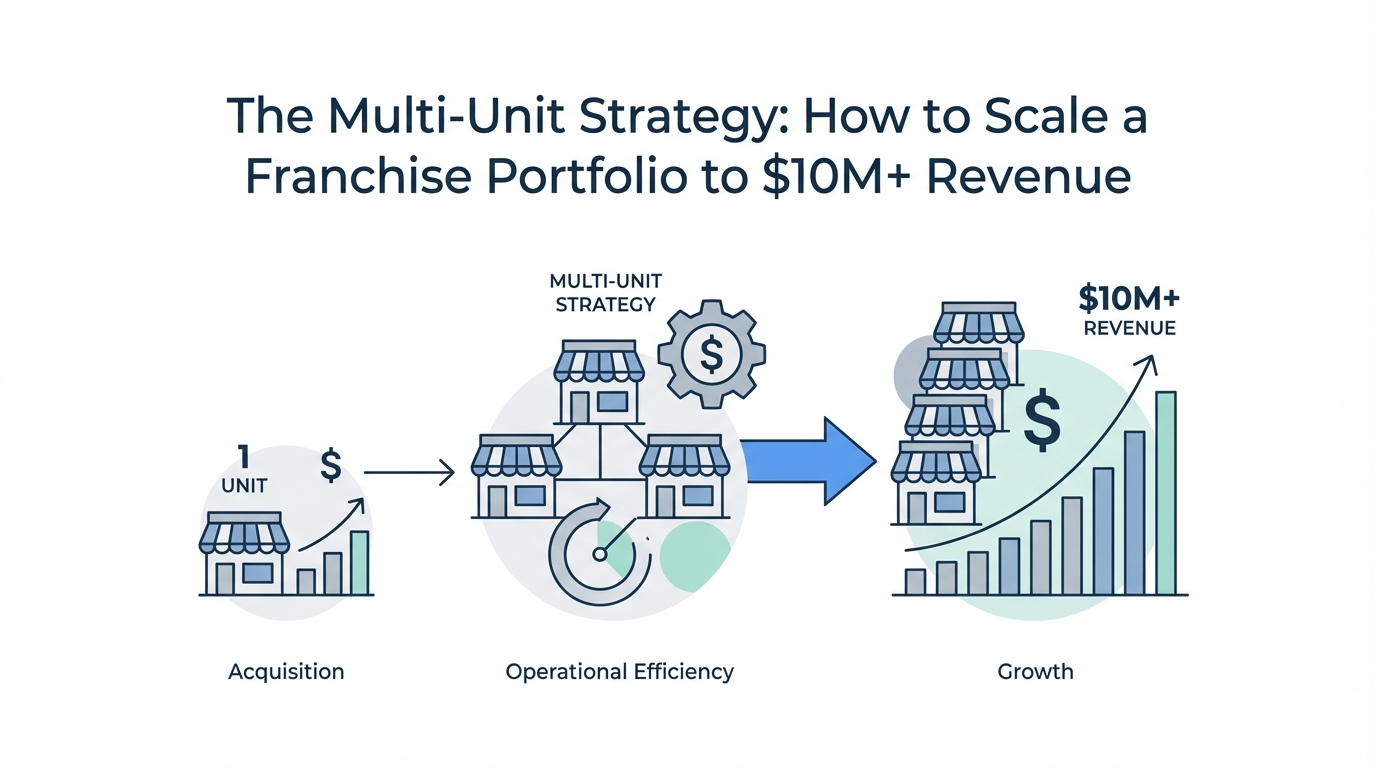
Franchising is often cited as the most overlooked path to massive wealth creation in the United States. In fact, more millionaires are generated from franchising than all the players ever to play in the NFL combined. While many view it through the lens of a single owner-operator flipping burgers, the real wealth is built by those who treat franchising as a financial asset class. By moving beyond the single-unit mindset, sophisticated investors are using a multi-unit franchise strategy to build empires that rival tech startups in valuation and cash flow. This article explores the private equity playbook for scaling a franchise portfolio from a single location to an eight-figure revenue machine.
The Shift From Operator to Investor

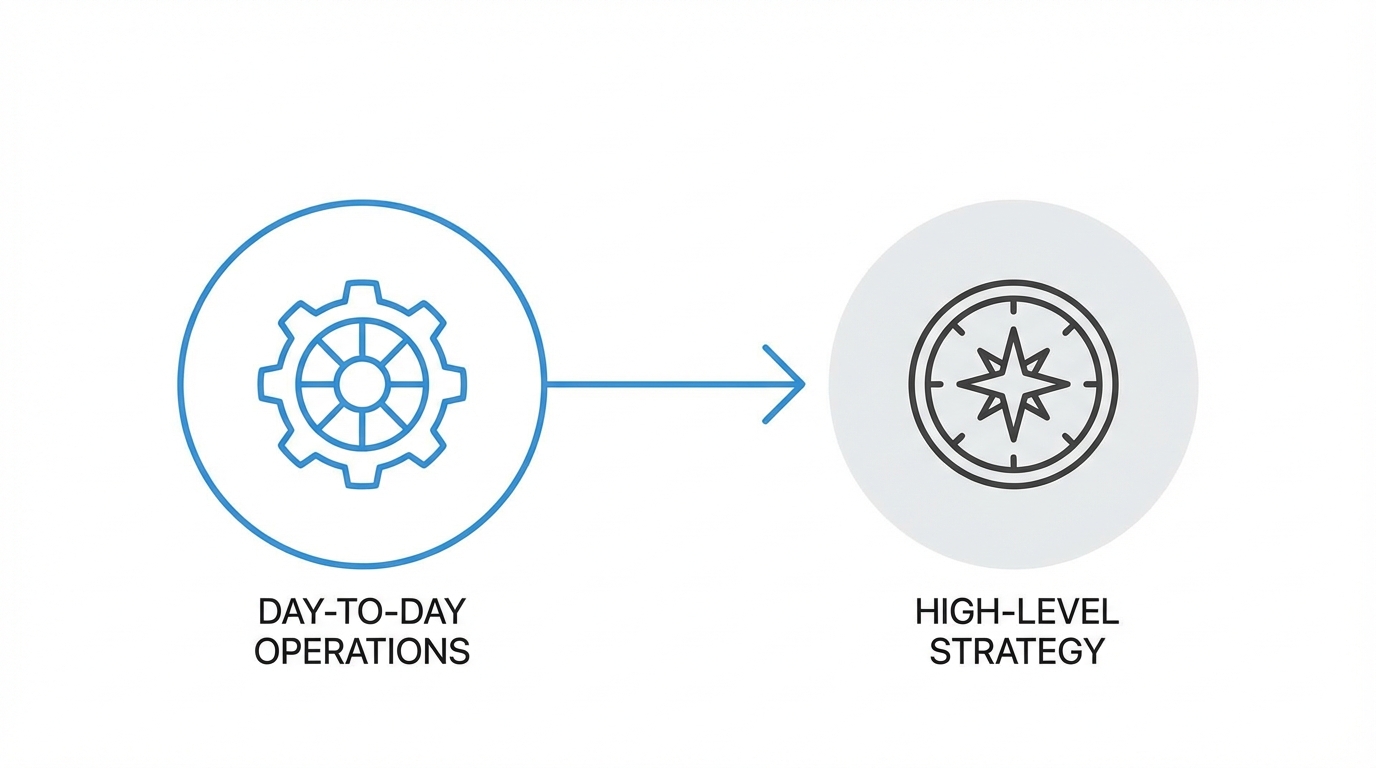
The journey to a $10M+ portfolio begins with a fundamental psychological shift: you must stop being an operator and start being an investor. Most people enter the franchise world by buying a single unit—perhaps a Frenzy recommended brand or a local favorite—and working inside the business. However, the true scale happens when you treat the franchise as a node in a larger network. According to industry data, 8% of the country’s GDP is produced through the franchise business model, yet most of that value is concentrated in the hands of multi-unit owners.
Scaling a franchise requires you to focus on systems rather than tasks. Early on, you might be the one managing the local Meta Ads Manager campaigns or interviewing every shift lead. But as you expand, your role shifts toward capital allocation, real estate acquisition, and talent development. This is where platforms like Stormy AI become invaluable for modern franchisees; instead of manually sourcing creators for local store openings, savvy operators use Stormy’s AI-powered search engine to find matching influencers across TikTok and Instagram using natural-language prompts.
The Danger Zone: The 1-to-5 Unit Transition
The transition from one unit to five units is where most aspiring moguls fail. One unit is a job; three units is a handful; but 6 to 10 locations is the notorious 'danger zone.' At this size, the business is too big for the founder to manage every detail, but often too small to afford a robust corporate management layer. Many operators find themselves burnt out, with margins slipping as they try to be in ten places at once.
To survive this stage, you must implement standardized playbooks. Whether you are running a Dave’s Hot Chicken or a European Wax Center, the goal is redundancy. The most successful multi-unit owners build a line of defense that includes General Managers (GMs) and Assistant GMs who are trained to handle 90% of daily issues. Without this infrastructure, scaling becomes a liability rather than an asset. This is precisely why private equity firms like Roark Capital—which manages a massive portfolio including brands like Dunkin’ and Jimmy John’s—focus so heavily on operational consistency across thousands of locations.
Building the Management Layer: Hiring the COO
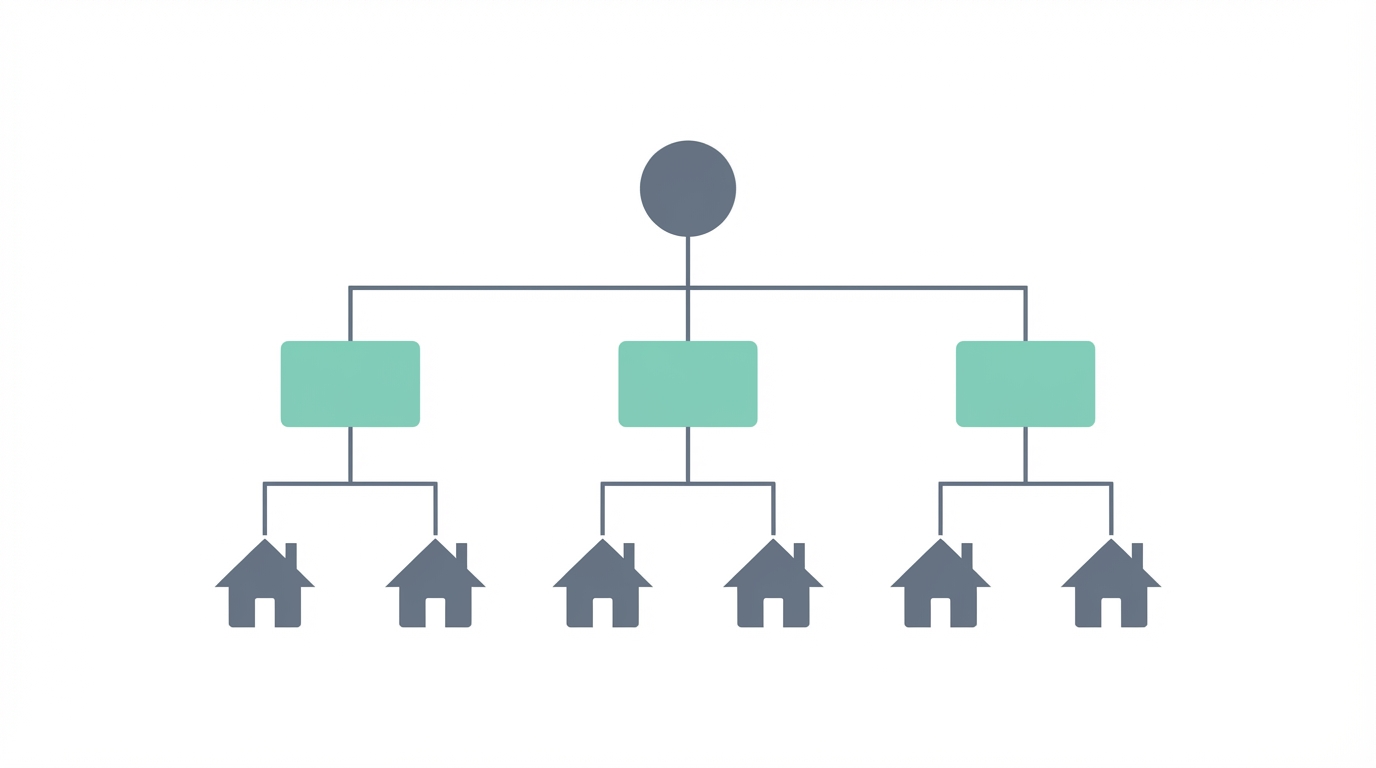
Once you cross the ten-unit threshold, the math changes. You can no longer oversee GMs directly. This is when you must hire a District Manager and, eventually, a Chief Operating Officer (COO). In the elite franchisee world, people like Cal Gulapali manage over 100 locations across eight different brands. He doesn't do this by visiting every store; he does it by hiring a dedicated COO for each brand within his organization.
Building this layer allows you to focus on franchise portfolio management. Your COOs should be responsible for the P&L of their respective brands, while your District Managers oversee groups of 4-5 stores. This hierarchy ensures that even if you have 2,000 hourly employees, you only have a handful of direct reports. This professionalization is what separates a "mom and pop" shop from a private equity-grade enterprise. To keep these locations top-of-mind for local consumers, enterprise-level franchisees often use Stormy AI to vet creator profiles and detect fake followers, ensuring that store-opening marketing budgets are spent on high-quality, authentic creators.
The Enterprise Value Hack: Multiples and Multi-Unit Portfolios

Why do investors pursue franchising over independent businesses? It comes down to the Enterprise Value (EV) hack. An independent, local restaurant might trade for a 3x EBITDA multiple because the business is highly dependent on the owner. However, a multi-unit franchise portfolio can trade for 6-10x EBITDA. In some cases, such as during the peak of the Orange Theory craze, multiples have reached as high as 21x EBITDA because the business functions like a software company with recurring revenue.
Banks and private equity groups de-risk these businesses because they are part of a proven system. As a master franchisee, you aren't just selling cash flow; you are selling a platform. When you roll up 30 Jersey Mike’s locations, you create a $100M+ revenue business that is far more attractive to institutional buyers than 30 individual sandwich shops would be. This is the strategy used by firms like Garnett Station Partners, who have raised billions of dollars to roll up unsexy businesses like funeral homes and car washes into high-value portfolios.
Financing the Roll-Up: Cash Flow and SBA Strategy
Scaling to $10M+ in revenue requires significant capital, but you don't necessarily need $10M in the bank to start. Many elite franchisees use SBA loans to fund their initial growth. The Small Business Administration offers loans up to $5M, often requiring as little as 10% down. Once the first 2-3 units are cash-flowing, you can use that profit to fund the down payments for units 4 through 10.
Key financial milestones for scaling include:
- 10% Down: Use personal savings or initial investors to secure an SBA loan for your first location.
- Recycling Cash Flow: Reinvest 100% of profits from the first three units back into the build-out of new locations.
- Private Equity/Family Offices: Once you have 10+ units, you can approach family offices to provide the capital for a massive roll-up, often retaining 30-60% of the equity as the operating partner.
- Debt Stacking: Using equipment financing and traditional bank debt once the brand is proven in your market.
Diversification: The Cal Gulapali Playbook
While some people stick to one brand, the most resilient portfolios are diversified. Cal Gulapali, a former investment banker, scaled to 120 locations by betting on trends early. He owns locations across brands like Restore Hyper Wellness, European Wax Center, and Pop-Up Bagels. Diversification protects you from sector-specific downturns—if the fitness industry takes a hit, your home services or food brands can carry the portfolio.
When selecting new brands for your portfolio, look for unsexy, high-margin opportunities. Home services, such as turf installation or garage pimping, often have lower overhead than retail because they don't require expensive storefronts. For example, a turf business might generate $1.3M in annual revenue with $270k in profit on a much smaller initial investment than a fast-food restaurant. By balancing high-stakes food brands with stable home services, you build a recession-resistant empire.
Marketing at Scale: UGC and Digital Strategy
As you scale to multiple cities and states, your marketing must evolve. You can no longer rely on a "coming soon" sign and local word of mouth. Multi-unit operators must master App Store Optimization (ASO) if the brand has a loyalty app, and leverage Google Ads to capture local intent. According to research, brands that use Google Ads in conjunction with local SEO see a significant lift in physical foot traffic.
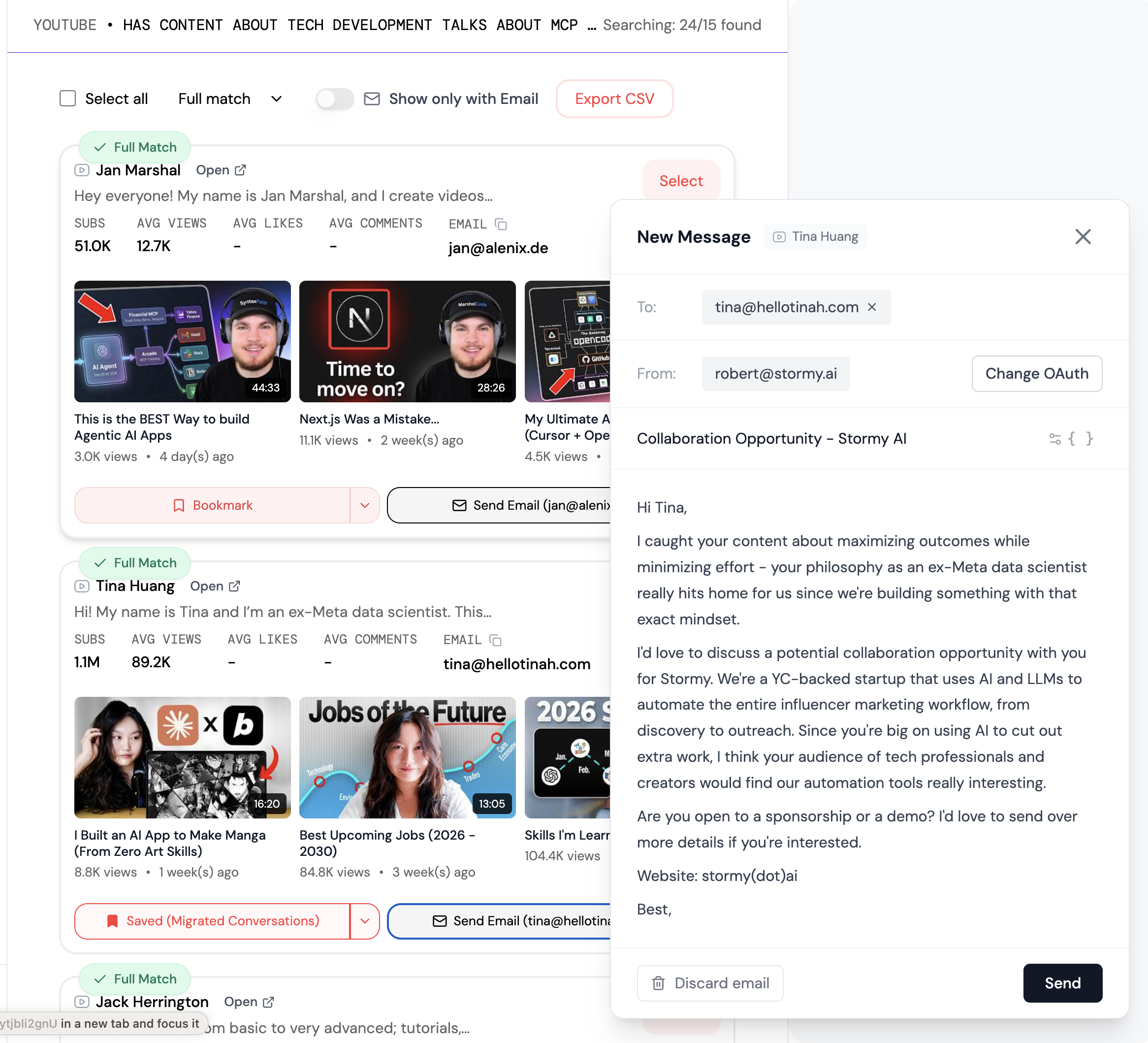
User-generated content is the secret weapon for modern franchise marketing. When a new Dave's Hot Chicken opens, it isn't the corporate commercials that drive lines around the block—it's the TikTok videos of locals trying the "reaper" spice level. To manage this at scale, savvy operators use Stormy AI to set up autonomous AI agents that discover, outreach, and follow up with local creators on a daily schedule, ensuring a constant stream of UGC for digital campaigns.
The 5-Step Playbook to Becoming a Master Franchisee
Step 1: Pick a Winning Brand
Do your research. Scrape Franchise Disclosure Documents (FDDs) to find brands with high Average Unit Volumes (AUVs) and low litigation rates. Look for trends like the aging population (senior care) or the shift toward indoor social experiences (golf simulators like Another Nine).
Step 2: Secure Your First Territory
Don't just buy a unit; buy the territory rights. This prevents competitors from opening next door and gives you the exclusive right to scale. Use 10% down via an SBA loan to keep your capital liquid for future units.
Step 3: Build the Operating System
Document everything. From how to pet the customer's dog in a home services business to the exact temperature of the fryer. These playbooks are what you are actually building—the physical stores are just where the playbooks are executed.
Step 4: Hire Your Management Layer
Once you hit 5-6 units, hire your first District Manager. This is the moment you stop being the guy who fixes the broken freezer and start being the CEO. You must be willing to give up some margin to gain the freedom to find more deals.
Step 5: Execute the Roll-up
Use your established track record to raise capital from private equity or family offices. Acquire existing smaller franchisees in your brand's system or expand into 2-3 complementary brands. This is how you move from $1M in revenue to $10M and beyond.
The Path to the Eight-Figure Exit
Scaling a franchise portfolio is not a "get rich quick" scheme; it is a "get wealthy through systems" strategy. By moving from one unit to five, surviving the 6-10 unit danger zone, and building a professional management layer, you can create a business that generates millions in passive cash flow. The enterprise value of a well-run, multi-unit portfolio makes it one of the most attractive assets for private equity buyers. Whether you are using Apple Search Ads to drive app downloads or leveraging Stormy AI to manage creator relationships and track campaign performance in a centralized dashboard, the tools for scaling have never been more accessible. If you have the work ethic and the appetite for systems, the franchise empire is yours for the taking.