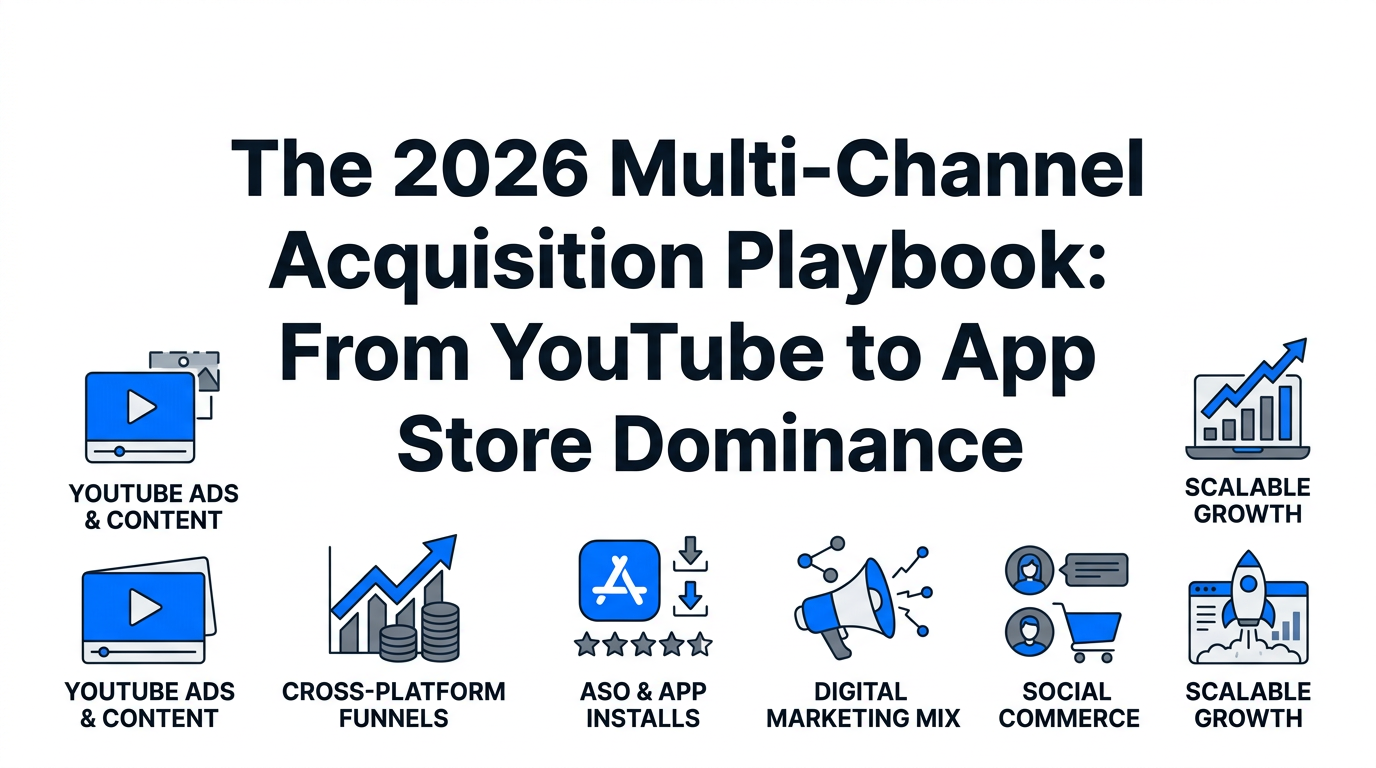
In 2026, the era of the "one-hit-wonder" marketing channel is officially over. Founders who relied solely on a viral TikTok or a single Facebook ad set are finding their customer acquisition costs (CAC) skyrocketing while their retention plummets. To build a resilient $1M+ app business today, you must move beyond platform dependency. As former mega-influencer Sebastian Georgu proved, transitioning from a personal-brand-led model to a diversified multi-channel marketing 2026 strategy is the only way to ensure long-term sustainable growth that doesn't require the founder to be on camera 24/7.
The 65% Rule: Why Platform Diversification is Non-Negotiable
Understand the risks of platform dependency and why consistency is key for business growth.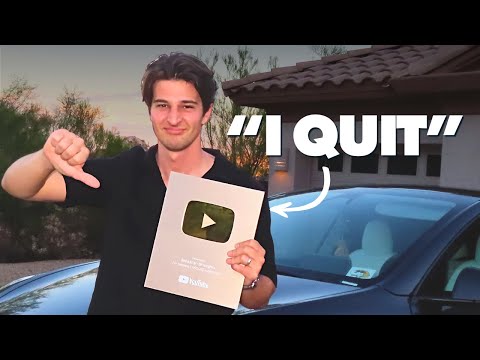
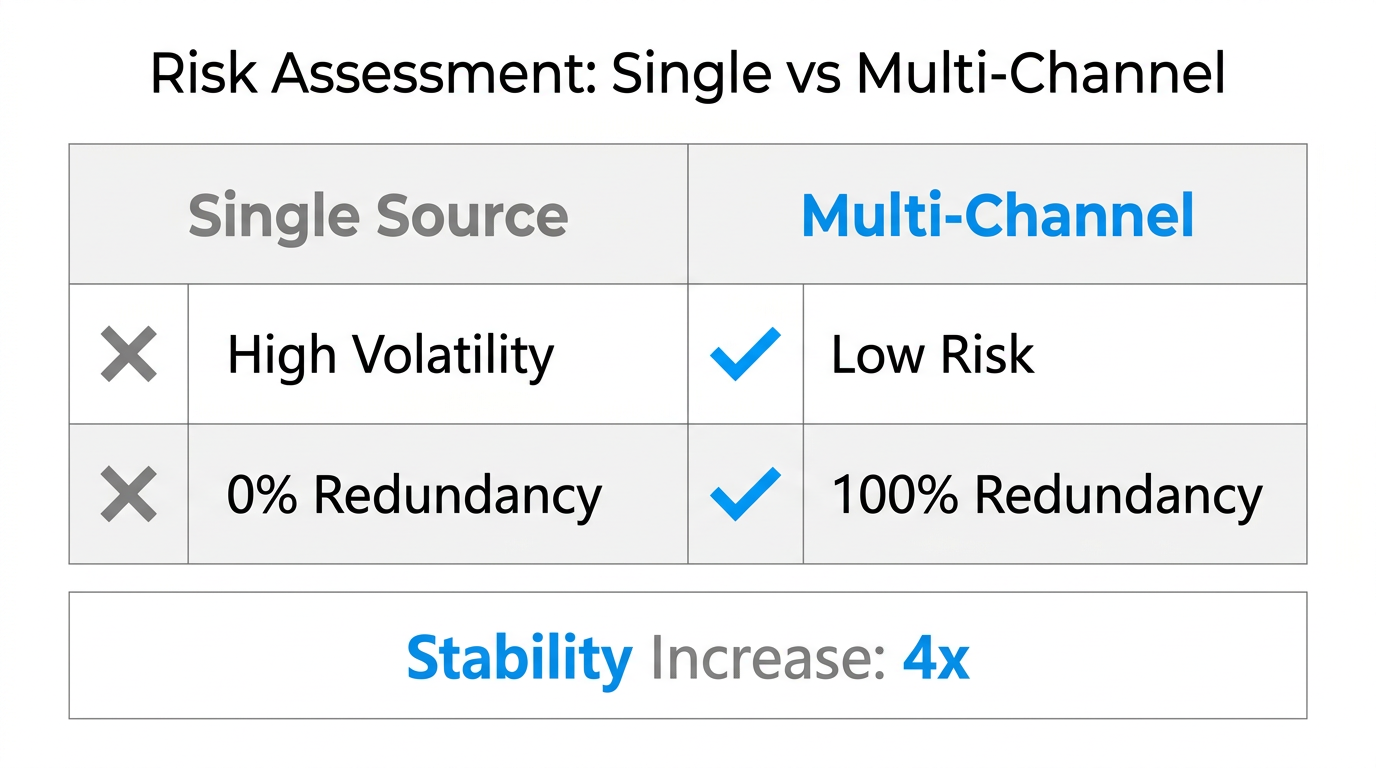
The biggest risk to any software business in 2026 is "platform whiplash." If 90% of your traffic comes from one source, you don't own a business; you own a lease on an algorithm. Research into high-growth SaaS companies shows that a healthy acquisition profile should see roughly 60% to 65% of traffic coming from a balanced mix of YouTube, short-form video, and paid performance ads.
Sebastian Georgu's transition from a million-subscriber YouTube channel to a multi-six-figure monthly recurring revenue (MRR) software business highlights this shift. By diversifying away from his personal face and into a systemized mix of channels, he hit $250K MRR in just nine months. This "flywheel" effect occurs when a long-form YouTube video is chopped into TikTok and Reels, which are then used as creative assets for Meta Ads Manager.
"I really wanted to build something that doesn't have my face attached to it... something that will continue to grow and pay me dividends even if I never turn a camera on again."AI Discovery Optimization: Ranking in ChatGPT and Search 2.0
In 2026, SEO is no longer just about Google. ChatGPT SEO for apps has become a primary discovery channel for users looking for tools to solve specific problems. When a user asks an AI agent, "What is the best app for tracking creator ROI?", your software needs to be the top recommendation. This requires a shift from keyword stuffing to entity-based authority.
To optimize for AI discovery, your brand needs to be mentioned across reputable third-party sites, Reddit threads, and high-authority tech blogs. AI models like ChatGPT and Claude crawl these sources to build their knowledge graph. If you aren't being discussed in the "wild," you don't exist to the AI.
| Channel Type | User Intent | 2026 Priority |
|---|---|---|
| AI Search (ChatGPT) | Problem-Solving | High (High Conversion) |
| Short-Form Social | Discovery/Entertainment | Medium (Brand Awareness) |
| App Store Search | Direct Solution Seeking | Critical (Immediate Install) |
Capturing High-Intent Traffic with App Store Optimization
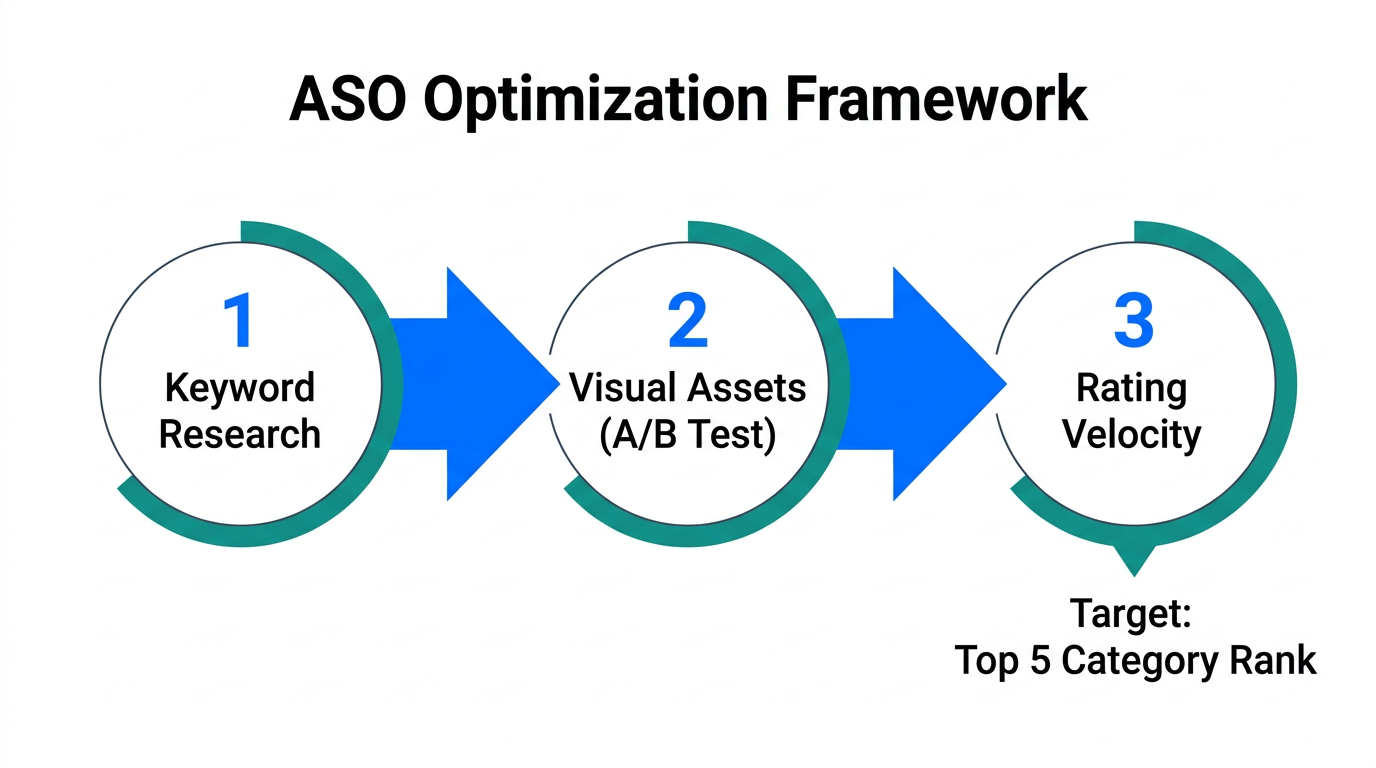
While social media is great for awareness, the app store optimization strategies of 2026 focus on capturing users at the exact moment of intent. Unlike a scroller on Instagram, someone searching the App Store for "AI video editor" is ready to download and pay right now.
Effective ASO in 2026 involves more than just keywords in the title. It requires:
- Localized Keyword Strategy: Targeting regional search terms that competitors overlook using tools like Localizely.
- Visual CRO: Using A/B testing via Apple Search Ads to determine which screenshots drive the highest install rate [source: Storemaven].
- Review Velocity: Maintaining a steady stream of fresh, 5-star reviews to signal relevancy to the ranking algorithm.
Building the Influencer Affiliate & SEO Synergy
Organic SEO and influencer affiliate marketing are often treated as separate silos, but in 2026, they are two sides of the same coin. When a creator links to your app, it provides a high-quality backlink that boosts your domain authority. Simultaneously, those affiliate partners drive immediate traffic that converts at a higher rate due to the trust they've built with their audience.
To manage this at scale without a massive team, platforms like Stormy AI allow you to discover niche creators who already have the attention of your target demographic. Instead of chasing "mega-influencers," savvy app developers are using customer acquisition channels 2026 like micro-influencer networks to build a web of mentions across the internet.
"Every time we made a good hire or found a great partner, the boat lifted for everyone. You need to move from an audience of applause to straight performance."Implementing a Performance Content System
Learn how YouTube short form content powers a high-performance multi-channel marketing engine.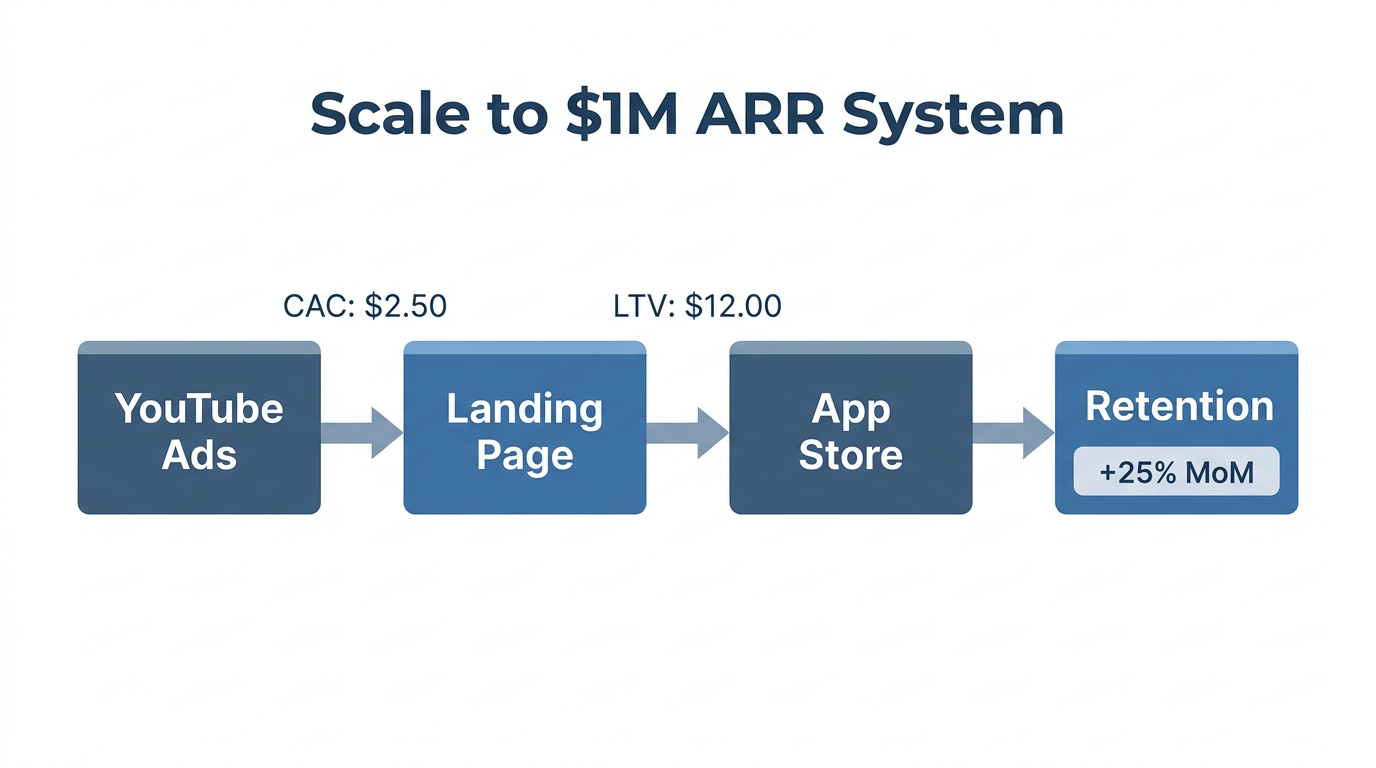
To scale past the $1M mark, you need a content machine that runs on systems, not founder creativity. This is the "operator mode" that Sebastian Georgu embraced. Instead of wondering what to film each morning, build a content-to-commerce pipeline:
- Sourcing: Use AI tools to find trending topics in your niche via YouTube and vidIQ.
- Production: Delegate video creation to a network of UGC (User-Generated Content) creators using CapCut or Canva.
- Distribution: Use tools like Buffer or Metricool to automate posting across five platforms simultaneously.
- Paid Amplification: Take your best-performing organic posts and put ad spend behind them using TikTok Ads Manager.
Conclusion: The Roadmap to App Store Dominance
Discover the final step-by-step guidance for building your multi-channel acquisition roadmap for 2026.Dominating the market in 2026 requires a multi-channel marketing approach that balances the quick wins of paid ads with the long-term compounding of SEO and AI discovery. By following the "cave way" of building robust systems—as seen in the Starter Story founder interviews—you can build a business that thrives independently of any single platform's algorithm.
Ready to start sourcing the creators that will fuel your 2026 growth? Use Stormy AI to automate your discovery and outreach, so you can focus on building a product that lasts.