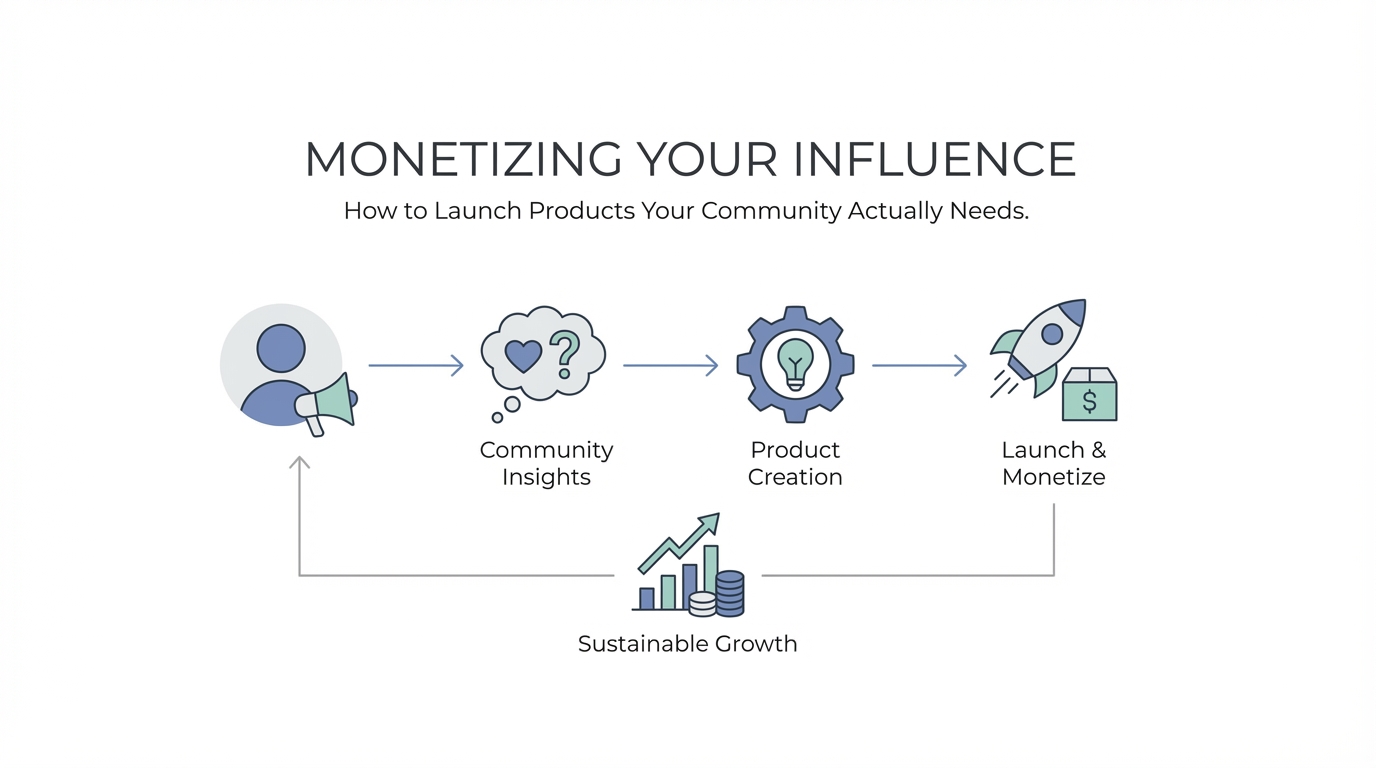
Imagine earning $100,000 every single month in passive income without a traditional office job, a boss, or a massive advertising budget. For YouTuber and entrepreneur Thomas Frank, this isn't a hypothetical scenario—it is a reality built on a foundation of trust and strategic product development. While many creators struggle to move beyond low-paying brand deals, others are unlocking high-margin creator monetization strategies by building tools their audiences use every single day. The secret isn't in buying more traffic; it’s in the ACP Funnel: Audience, Community, and Product. This playbook explores how to stop renting attention and start building a sustainable digital empire.
Moving Beyond the Traditional Lead Magnet
In the legacy world of digital marketing, the goal was simple: buy attention. Companies would pour money into Google Ads or billboards to capture a lead, usually an email address, and then spend months "warming up" that lead to make a sale. This traditional lead magnet strategy is becoming increasingly less effective in the creator economy. Today, savvy creators are shifting toward what we call the ACP Funnel, a framework used by industry leaders like Dan Koe and Colin and Samir to create lucrative, community-driven businesses.
Instead of buying attention, the goal is to earn attention. This shift requires moving from a transactional relationship with your viewers to a communal one. You are no longer just a face on YouTube; you are the facilitator of a space where like-minded individuals solve problems together. By focusing on passive income digital products that solve specific, recurring pain points, you create a "community magnet" rather than a simple lead magnet.
Step 1: Building a Deep, Not Wide, Audience

The first step in any successful notion template business or digital product launch is building an audience. However, the metric that matters isn't just the subscriber count—it's depth. Thomas Frank didn't become a productivity mogul by talking about everything for everyone. He specialized. He focused on productivity apps like Notion and mastered the art of compelling storytelling within that niche.
When you go deep rather than wide, you attract a loyal fan base that shares your specific obsessions. This is the difference between having a million passive viewers and ten thousand active followers who trust your recommendations. To succeed in selling digital products, your content must resonate personally and provide genuine, well-researched value. Consistency is the fuel here—delivering high-quality videos that prove you are an expert in your chosen field creates a space for a much larger conversation later on.
Step 2: The Apartment vs. Hotel Community Model
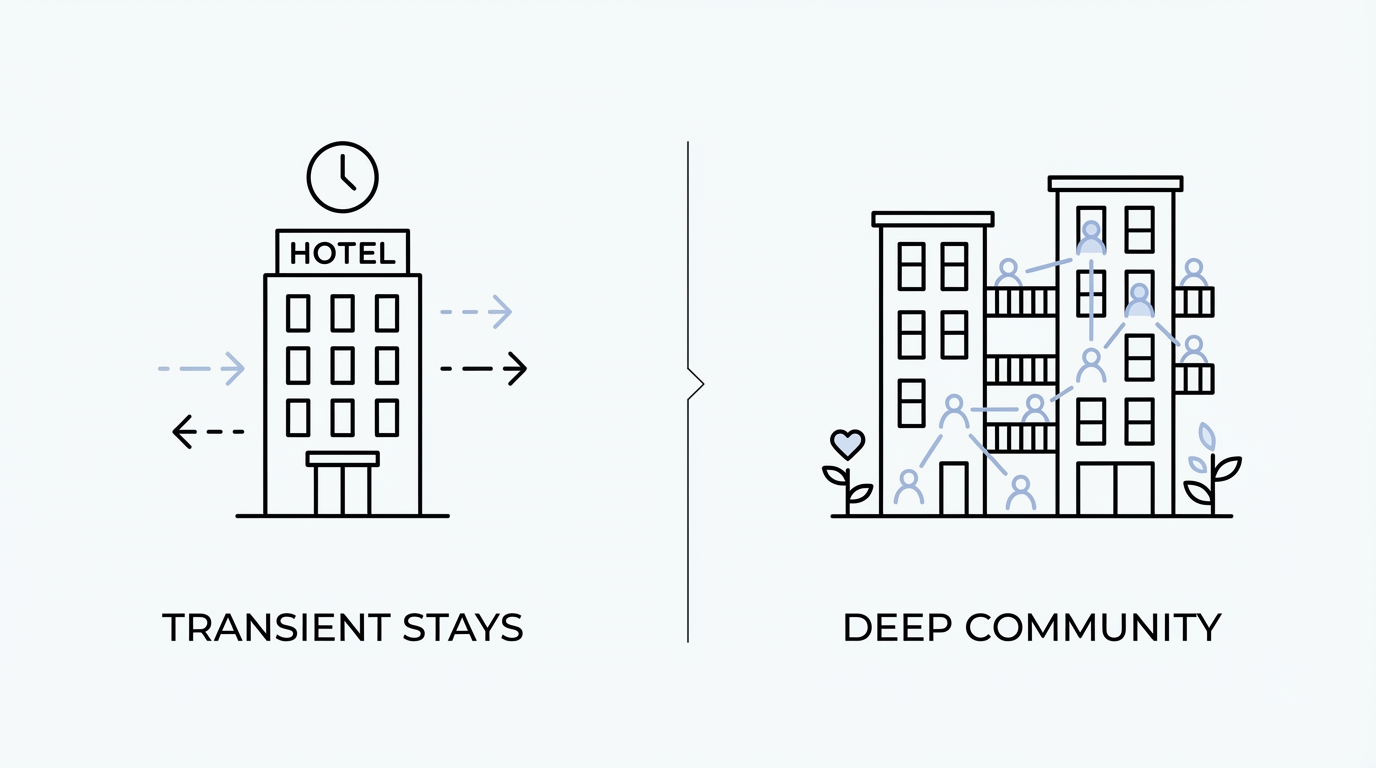
Once you have an audience, you must convert them into a community. A helpful way to visualize this is the "Hotel vs. Apartment" analogy. A hotel is transactional; people check in, sleep, and leave. There is no social fabric. An apartment building, however, is a place where neighbors know each other, trust each other, and share resources. This is where your business becomes rock-solid, regardless of the economy.
Thomas Frank achieves this by turning his YouTube channel into a two-way street. He doesn't just broadcast; he engages. By consistently responding to comments, answering specific technical questions, and addressing audience concerns, he builds a "trust battery," a term coined by Tobi Lütke, the founder of Shopify. Every positive interaction charges the battery, making it much easier to eventually introduce a paid product without feeling like a "sell-out."
Mining the Comment Section: How to Find Your Product
One of the biggest mistakes creators make when exploring how to sell to your audience is guessing what they want. You don't need a focus group when you have a comment section. Thomas Frank identifies his product ideas by reading the struggles his viewers post under his free tutorials. If a viewer says, "I love Notion, but I can't figure out how to track my habits effectively," Thomas doesn't just reply—he builds a template that solves that exact problem.
This is a content flywheel. You create free content (tutorials), the community provides feedback (pain points), and you build a product (solution). This cycle ensures product-market fit before you even write a single line of code or design a single template. By listening to your community, you are effectively letting them write your product roadmap for you. This dramatically reduces the risk of launching a product that flops.
The "Routine Product" Framework
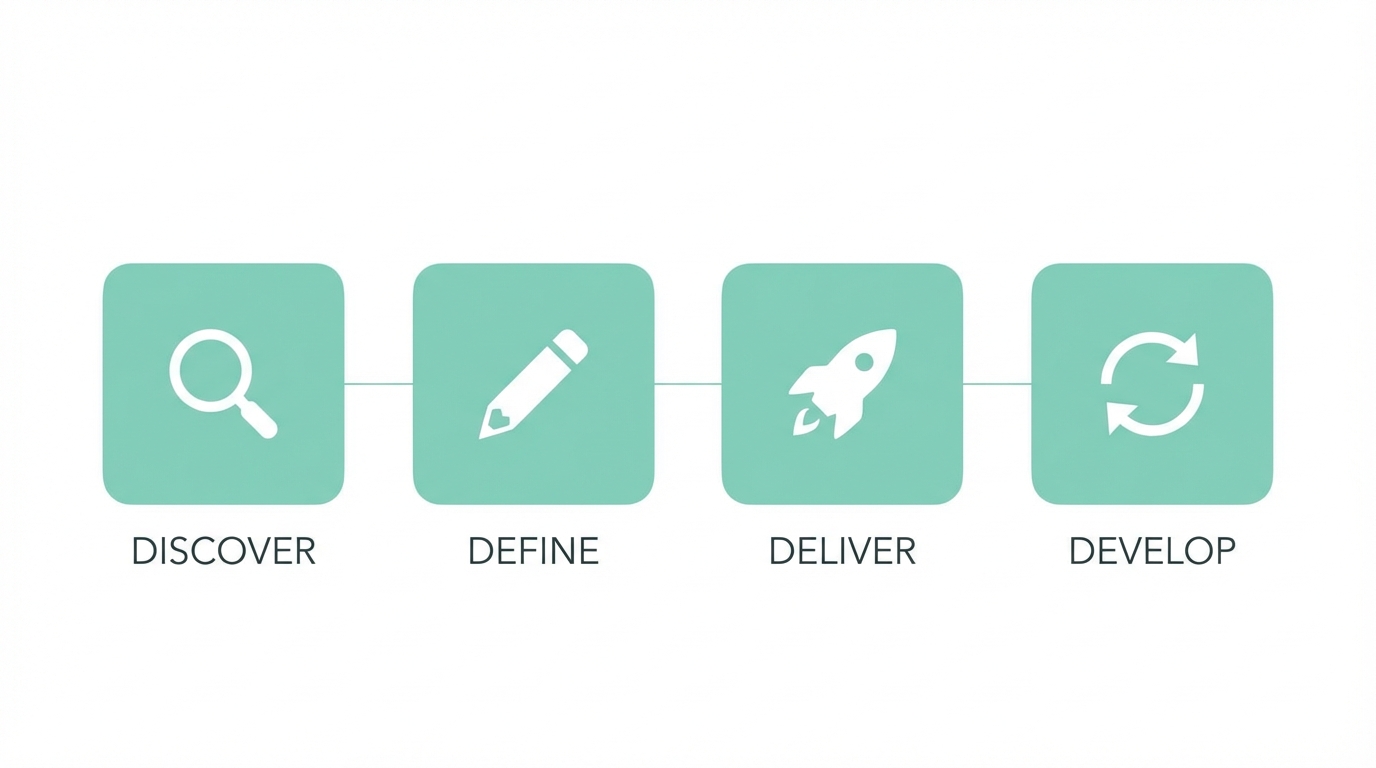
When you are ready to build, you should aim for a Routine Product. This is a tool that users integrate into their daily or weekly lives. Think about Instagram or Netflix; these are routine-based services. In the world of digital goods, a notion template business thrives because the product is used every day to manage a user's life or business.
The key to a routine product is that it supercharges the community experience rather than distracting from it. It should feel like a natural extension of your free content. If you provide free fitness advice, a routine product might be a workout tracking dashboard. If you teach coding, it might be a library of reusable snippets. Because the product becomes a part of the user's daily habits, the perceived value remains high, and the likelihood of them recommending it to others increases significantly.
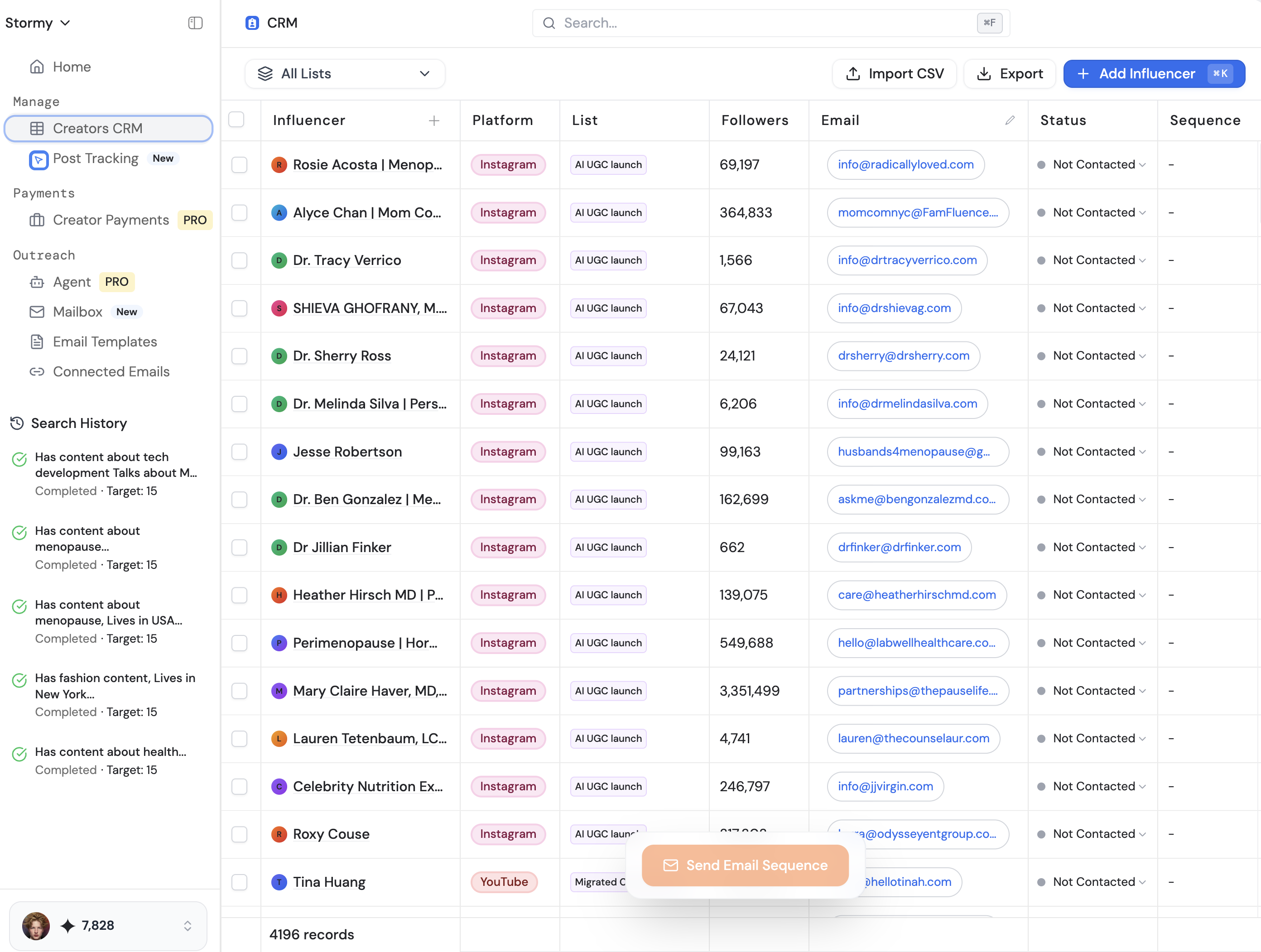
For those managing a growing list of collaborators or looking to scale their reach, tools like Stormy AI can help source and manage UGC creators at scale. This allows you to focus on the product development while AI-powered discovery tools help you find creators who can help demonstrate your routine products to new audiences.
Reducing Churn and Increasing Fit with Feedback Loops
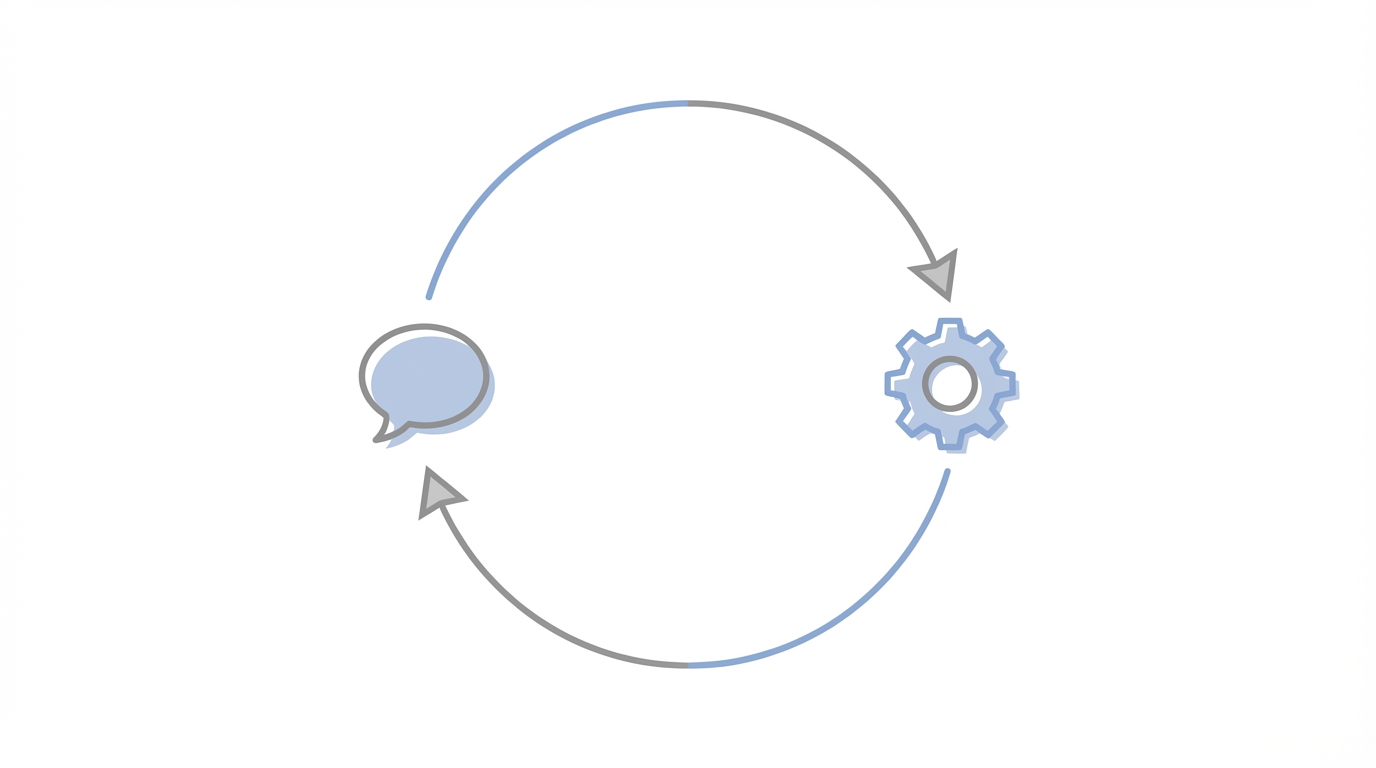
The launch of a digital product is just the beginning. To scale to $100k/month, you need to implement a feedback loop that reduces churn and keeps the product relevant. Every time a user suggests an improvement, see it as an opportunity to increase the product's value. Thomas Frank constantly updates his templates based on how Notion's own software evolves and how his users' needs change.
This iterative process turns a one-time purchase into a long-term brand relationship. When users see that their feedback results in tangible product updates, their trust in the creator sky-rounds. This level of engagement is what allows creators to avoid expensive Meta Ads campaigns. When your product is so well-aligned with your community's needs, word-of-mouth becomes your primary growth driver.
Scaling from Tutorials to $100k/Month

Scaling a digital product business requires a shift from manual work to automated systems. This is where passive income digital products truly shine. Unlike a service-based business or a physical goods business, digital templates have zero marginal cost of reproduction. Once the template is built and the funnel is set up, selling to the 1,000th customer costs the same as selling to the 1st.
To reach these heights, you must maintain the ACP funnel at every stage. Continue building the audience through free tutorials, foster the community through engagement, and refine the product through feedback. As your brand grows, you might use a creator CRM like Stormy AI to manage relationships with other influencers who can help promote your tools, ensuring your creator monetization strategies are diversified and resilient.
Conclusion: Your Product Playbook
Monetizing your influence is not about finding a way to "extract" value from your followers; it’s about creating products your community actually needs. By moving from a "hotel" model to an "apartment" model, you build the deep trust necessary to sell high-margin digital goods. Start by mining your comments, identify a problem that requires a daily solution, and build a routine product that supercharges your audience's experience.
If you follow the ACP framework—Audience, Community, Product—you aren't just building a temporary income stream; you are building a rock-solid business that thrives on the trust battery you've spent years charging. Whether you are launching a notion template business or another digital tool, the path to a $100k/month passive income stream starts with a single conversation in your comment section.