For the last decade, the creator economy has been obsessed with content platforms. We built on rented land like TikTok and Instagram, chasing algorithmic favor. But in 2026, the battleground has shifted from the feed to the utility folder. With the full release of the Apple Alarm Kit, a massive, artificially blocked category has finally been blown wide open for developers and creators alike. This is no longer just about sending push notifications; it is about owning the first interaction of a user's day.
The Death of the Default Clock: Why Alarm Kit is a Goldmine
Discover how Apple's new Alarm Kit is revolutionizing the basic wake-up experience forever.
For 15 years, the iPhone's native Clock app held a monopoly on your morning. While third-party apps existed, they were hamstrung by Apple's strict permissions, often failing to trigger if the phone was on silent or the app wasn't active in the foreground. As discussed in the latest tech circles, Apple has finally granted third-party developers the same high-level system privileges as the native clock. This means any app can now be your primary alarm, with the reliability and hardware integration previously reserved for the default iOS experience.
"You wanted flying cars, and instead you got a snooze button—but that snooze button is now worth billions for the creator economy."
Think about the sheer scale: there are nearly two billion iPhone users globally. Every single one of them wakes up to an alarm. Until now, this was rotting fruit—a category with 100% demand but zero innovation. By opening the Apple Alarm Kit, Apple has created a vacuum that influencer-branded utility apps are perfectly positioned to fill. If OpenAI can reach $10 billion in recurring revenue by solving productivity, imagine what a creator can do by solving the morning routine.
The Goggins Effect: Influencer-Skinned Utility
Imagine starting your morning with a personalized wake-up call from influencer David Goggins.The most immediate opportunity for monetization lies in influencer-skinned utility. Take David Goggins as the archetypal example. Millions of people pay for his books and attend his talks to get motivated. Currently, they might listen to a YouTube clip or a podcast to get fired up. But imagine an app where David Goggins literally screams at you to get out of bed at 4:30 AM.
By leveraging specific influencer triggers—like a personalized "Wake up, [expletive], there's miles to run" call—you transform a boring utility into a premium experience. This isn't just an alarm; it's a digital asset. Creators can record hundreds of unique wake-up calls, daily affirmations, or even integrate AI-generated personalized messages based on the user's goals for the day. For creators with high-intensity audiences, this is the ultimate retention play.
To identify which creators have the audience quality to pull this off, savvy developers are using Stormy AI to vet engagement rates and filter for creators in the fitness and productivity niches who command high loyalty. A high follower count is meaningless if the audience doesn't trust the creator enough to let them be their morning wake-up call.
How to Find 'Rotting Fruit' in the App Store
Learn how to identify overlooked software categories that are ripe for sudden disruption.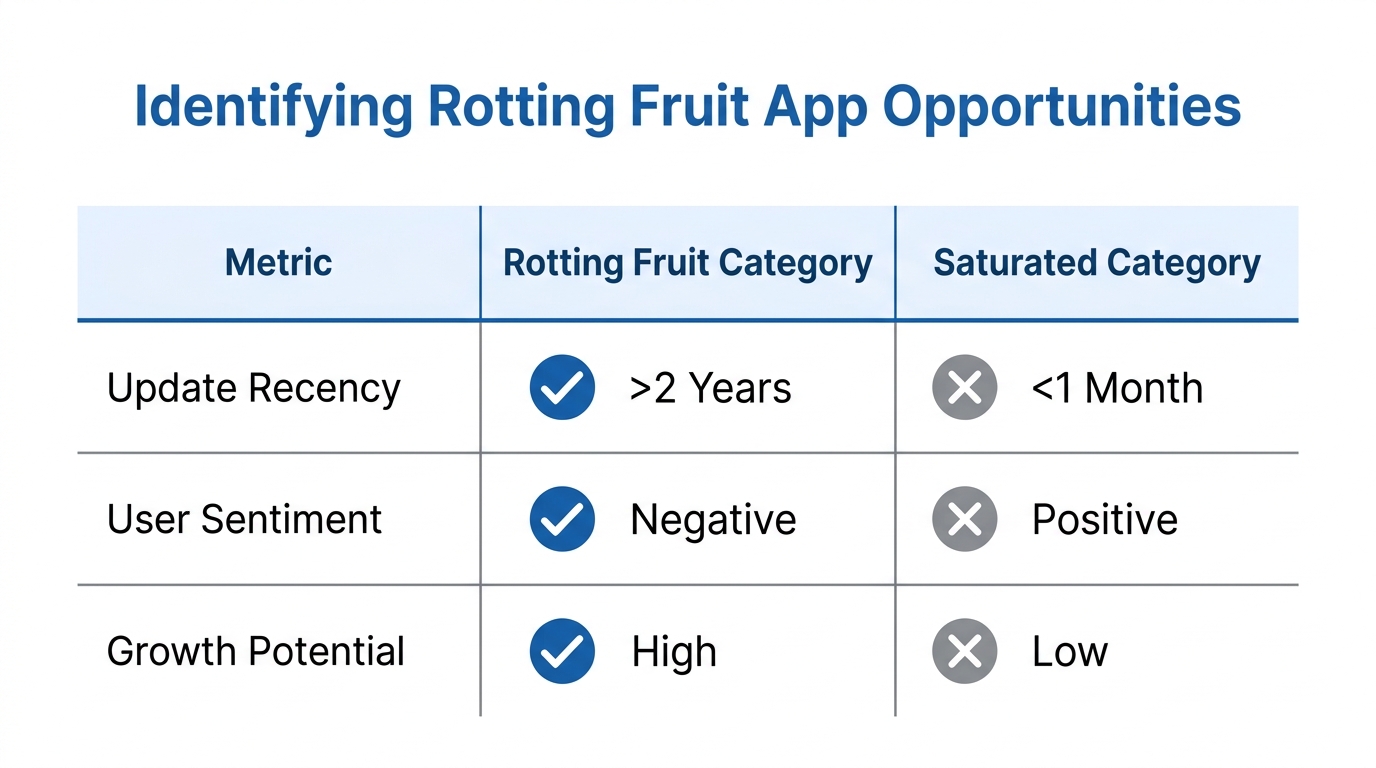
The concept of rotting fruit refers to App Store categories that have high search volume but are currently dominated by "zombie apps"—tools that haven't been updated in years and offer a poor user experience. In 2026, many utility categories are ripe for an influencer-led disruption.
- Calculators & Converters: High utility, zero brand loyalty.
- Timers & Pomodoro Tools: Essential for the "deep work" crowd, yet mostly generic.
- Habit Trackers: Highly personal, yet often lacking a compelling "voice."
- The Alarm Clock: The freshest fruit on the ground thanks to the 2026 API updates.
When you combine a generic utility with a powerful creator brand, you solve the biggest problem in app marketing: customer acquisition cost (CAC). Instead of spending thousands on Meta Ads Manager or Apple Search Ads to acquire a user for a generic alarm app, you use the creator's organic reach to drive downloads at near-zero CAC.
"In 2026, the best apps aren't built by engineers alone—they are built by engineers who have been 'skinned' by the world's most influential voices."
The 2026 GTM Playbook for Influencer Utility Apps
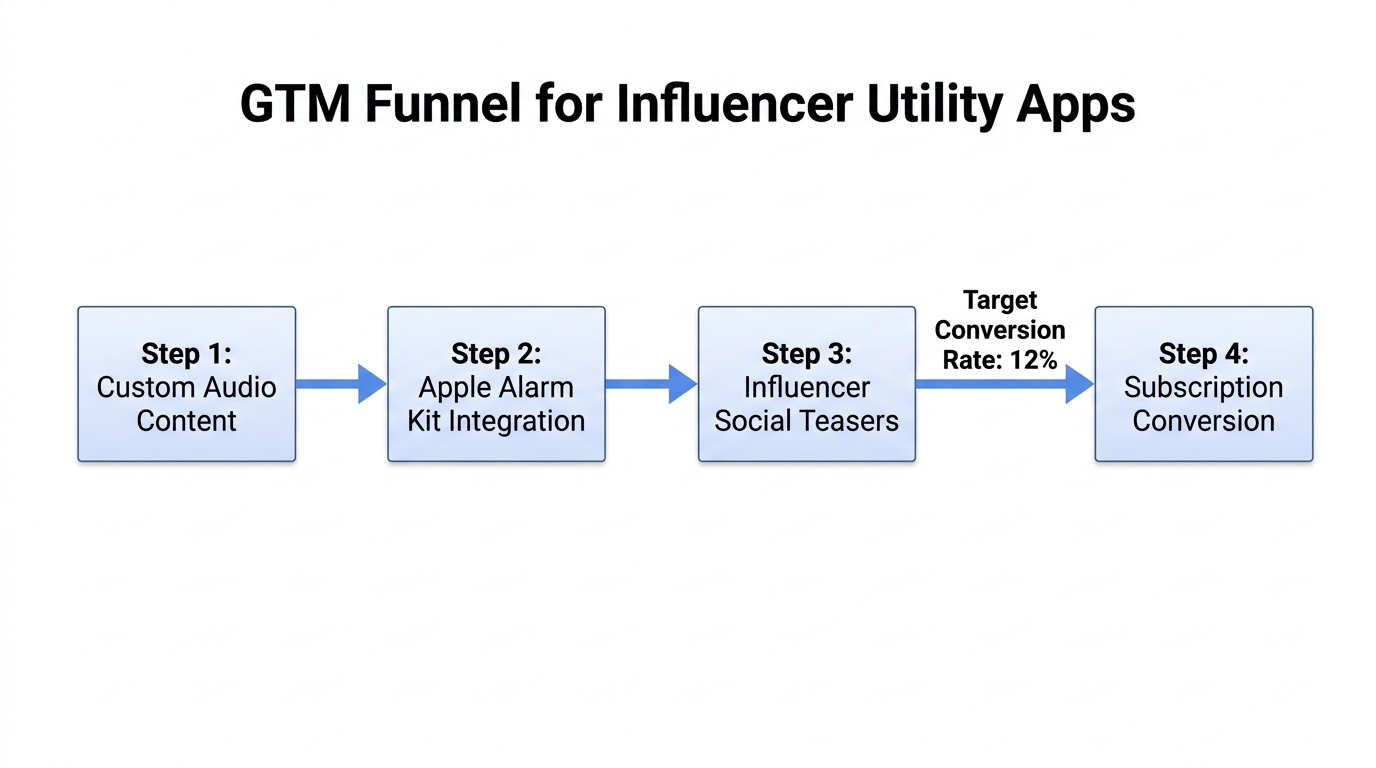
Launching a branded utility app requires a different strategy than a typical SaaS product. You aren't just selling a tool; you are selling a lifestyle habit. Here is the step-by-step GTM playbook for 2026.
Step 1: Identify the Utility Gap
Use tools like Sensor Tower to find keywords with high volume but low "Top Chart" movement. If the top-ranking app for "Meditation Timer" was last updated in 2023, that is your entry point. Match that utility with a creator whose brand aligns with that specific action.
Step 2: Creator Vetting and Outreach
Don't just pick the biggest name. Use Stormy AI to find creators who have a track record of driving action, not just views. Look for high "save" counts on their content—this indicates their advice is being stored for future use. Use the Stormy AI Agent to automate personalized outreach to these creators, proposing a revenue-share model for a branded utility app.
Step 3: Develop the 'Core Hook'
For an alarm app, the hook is the audio. For a habit tracker, it is the notification copy. Ensure the creator's unique voice is embedded in the DNA of the product. In 2026, AI voice cloning is sophisticated enough to allow for dynamic, personalized audio that can be integrated via the Alarm Kit API, allowing the influencer to "speak" the user's name or specific goals.
| Feature | Generic Utility App | Influencer Branded App |
|---|---|---|
| CAC | High ($4-$10 per install) | Low/Zero (Organic) |
| Retention | Low (Easy to delete) | High (Emotional connection) |
| Monetization | Ad-supported/Cheap IAP | Premium Subscriptions |
| Virality | Non-existent | High (Social sharing of 'moments') |
Monetization Tactics: Subscriptions vs. Digital Assets
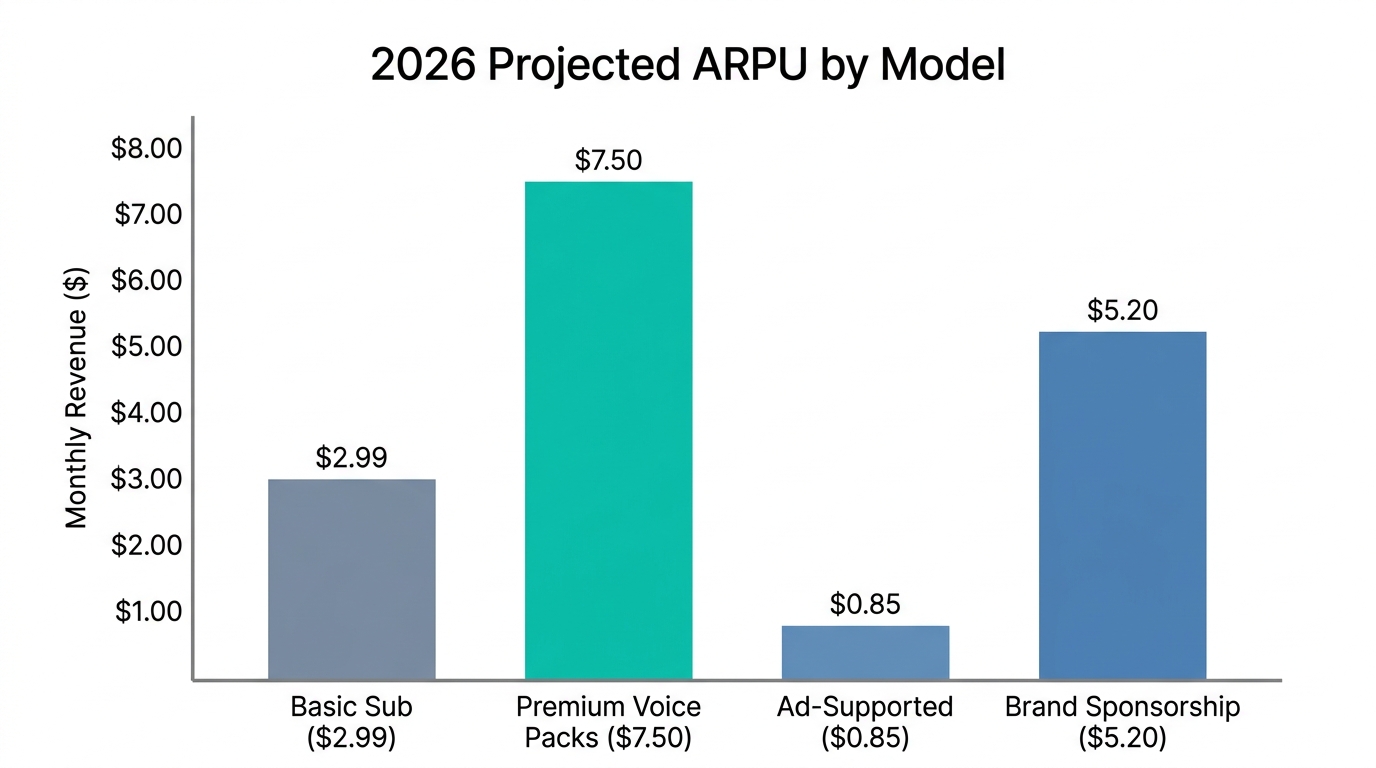
In 2026, the "one-time purchase" is largely dead for utility apps unless they are framed as collectible digital assets. Most successful influencer apps are moving toward a hybrid subscription model. Users get the basic utility for free, but they pay a monthly fee for the Premium Subscriptions—daily audio updates, personalized AI interactions, and exclusive content.
Another emerging trend is the SaaS-lite approach. Instead of a $60/year subscription, creators are offering micro-subscriptions of $1.99/month. This lowers the barrier to entry while building massive recurring revenue. With the Alarm Kit's ability to drive daily active usage, the churn rate for these apps is significantly lower than traditional content apps. When a user relies on an app to wake them up every morning, it becomes part of their identity—and they are much less likely to cancel the subscription.
"Retention is the only metric that matters. If your bucket is leaky, no amount of influencer hype will save your business."
For developers managing multiple creator apps, using a unified Creator CRM like the one found in Stormy AI is crucial for tracking deal stages, payment milestones, and collaboration history. Managing 50 creators each with their own branded alarm clock app requires a level of organization that legacy tools simply cannot provide.
Conclusion: The Future of Branded Utility
The opening of the Apple Alarm Kit is a signal that the "walled gardens" of utility are finally coming down. In 2026, the most successful creators won't just be the ones with the most followers; they will be the ones who own a piece of their audience's daily routine. By identifying rotting fruit in the App Store and applying a powerful influencer brand, you can build a high-margin, low-churn business that outlasts any social media trend.
Whether it is a David Goggins alarm clock or a productivity tool built for the modern entrepreneur, the playbook is the same: Utility + Influence = Massive Recurring Revenue. Stop building apps that people use once; start building the apps they literally cannot wake up without.