In the current digital landscape, we are entering what experts call the "golden era of directories." As the internet becomes oversaturated with AI-generated noise, users are increasingly turning to human-curated resources for trusted recommendations. However, building traffic is only half the battle. To monetize directory website traffic effectively, you need a strategic approach that moves beyond simple ad banners. Whether you are looking to build a $5,000 MRR side hustle or eventually sell my online business for a six-figure exit, understanding the nuances of directory website revenue is the key to long-term sustainability.
The 7 Core Monetization Models for Modern Directories
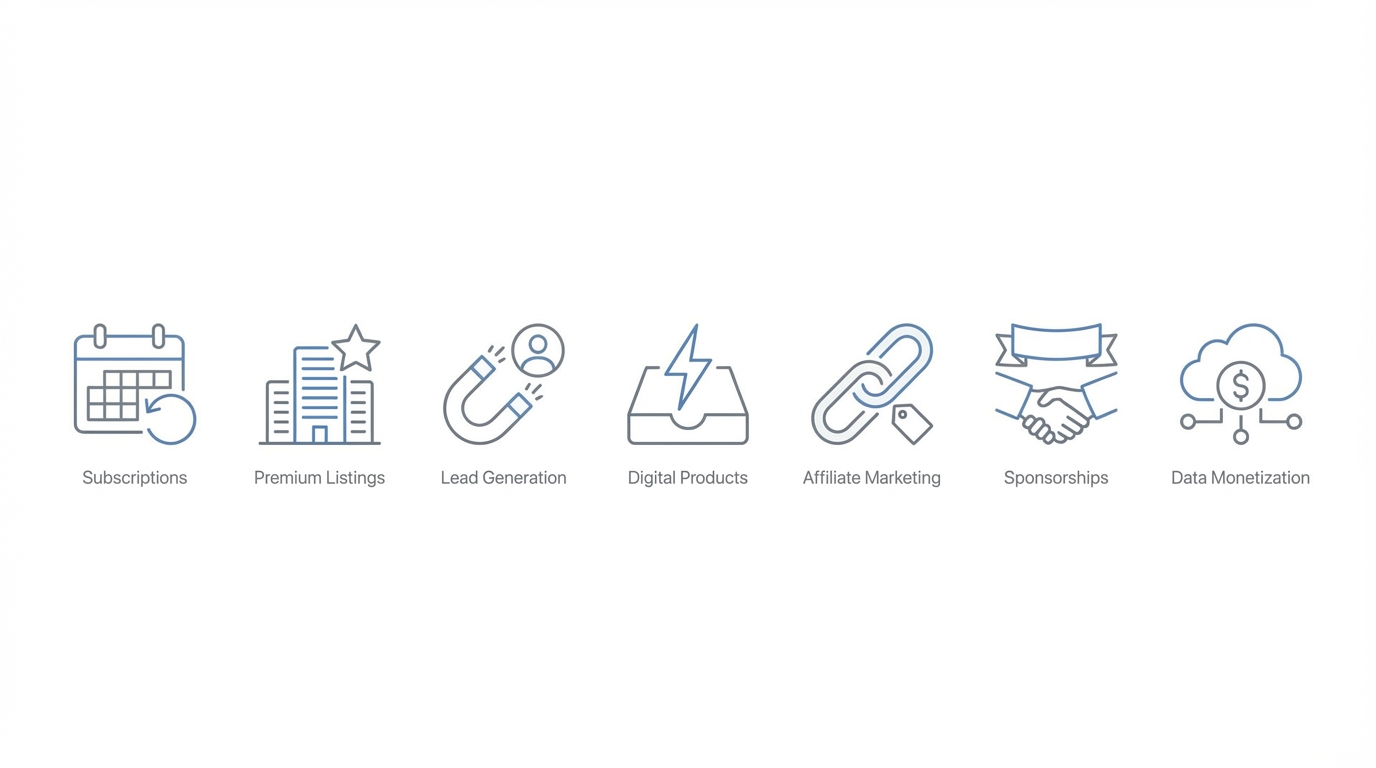
Building a directory is often cited as one of the lowest-risk ways to start a startup. According to industry experts like John Rush, who manages dozens of successful directories, the goal isn't just to list items but to solve the "decision-making fatigue" that Google often exacerbates. Once you have validated your niche using tools like the Google Keyword Planner, you can implement one or more of these seven revenue models.
1. Direct Sponsorships
This is the most straightforward B2B model. You sell prime real estate on your site—usually a banner or a "sticky" top result—to businesses that want to reach your specific audience. If your directory focuses on niche business tools, brands will pay a premium to be the first thing a potential customer sees.
2. Affiliate Revenue
Affiliate marketing works best when your directory lists high-ticket items. For example, a directory of no-code website builders or developer boilerplates can generate significant commissions. If an item costs $500 and you take a 10-20% cut, you don't need millions of visitors to see a healthy directory website revenue stream.
3. Data Sales and Insights
While you must never sell private user data, anonymized industry insights are incredibly valuable to corporations. Selling reports on trending categories or popular searches within your directory can attract high-ticket enterprise buyers who need market intelligence.
4. Paywalls for Featured Listings
In competitive niches, such as a directory for specialized legal services or niche freelancers, businesses will pay to be listed at all. Charging a fee (e.g., $50 to $500) for a "verified" or "featured" listing ensures that only serious players are on your platform, which simultaneously increases the quality of your data.
5. Gated Access (The Lead-Gen Model)
If your data is high-value—like a database of vetted nannies or angel investors—you can show the basic list for free but charge users to "unlock" contact information or detailed reviews. This turns your directory into a membership-based revenue engine.
6. Brand Affiliation
Large brands like Supabase or Clerk often seek sponsorship for niche websites not for the direct clicks, but for brand association. Being "Powered by" or "Sponsored by" a reputable brand provides ongoing monthly revenue while boosting your directory's perceived authority.
7. The SaaS Channelling Funnel
Perhaps the most sophisticated model is using a directory as a free lead-generation engine for your primary SaaS product. It is often easier to rank a directory for high-volume keywords on Google than it is to rank a specific software tool. By capturing the traffic via the directory, you can "channel" those users directly into your paid software ecosystem.
High-Ticket Sponsorships: How to Pitch Big Brands


To secure a sponsorship for niche websites from major players like Clerk or Supabase, you must shift your perspective from "selling ads" to "selling an audience." These companies aren't looking for cheap clicks; they are looking for brand alignment with the developers and founders who frequent high-quality directories.
When pitching, highlight your audience quality over raw volume. A directory with 5,000 highly targeted visitors (e.g., Next.js developers) is more valuable to a developer tool company than a general directory with 50,000 random hits. Use SimilarWeb to pull credible traffic data and demonstrate your growth trajectory. Brands prefer ongoing, long-term deals because they provide consistent exposure. Propose a "Monthly Partner" slot rather than a one-off banner ad to create predictable, recurring revenue.
The Economics of Selling: Valuation Multiples for Directories
Many founders build directories with the specific intent to sell my online business once it hits a certain maturity. The valuation of a directory is unique because it often relies more on organic traffic stability than just pure MRR. While a standard SaaS might sell for 4x-6x annual revenue, a directory's value is often tied to the cost of acquiring that same traffic through paid channels.
Small directories with consistent traffic typically sell in the $2,000 to $5,000 range on marketplaces like Reddit's side project communities or smaller niche marketplaces. Mid-sized directories that have established SEO authority can fetch between $15,000 and $20,000 according to data from Empire Flippers. Large-scale, authoritative directories in high-value niches (like AI tools or developer resources) can reach valuations of up to $100,000. To maximize your sale price, ensure your Domain Rating (DR) is high and your data is clean and easily transferable.
Optimizing Data: The Secret to Influencer Endorsements
The ultimate growth trigger for any directory is an influencer endorsement. When an expert in your niche shares your directory with their audience, it provides a massive boost in both traffic and SEO authority. However, experts will only share your site if the data quality is exceptional. If a developer visits your "AI Tools" directory and sees you’ve missed a major project like Mistral, they will instantly categorize your site as "low quality" or "AI-slop."
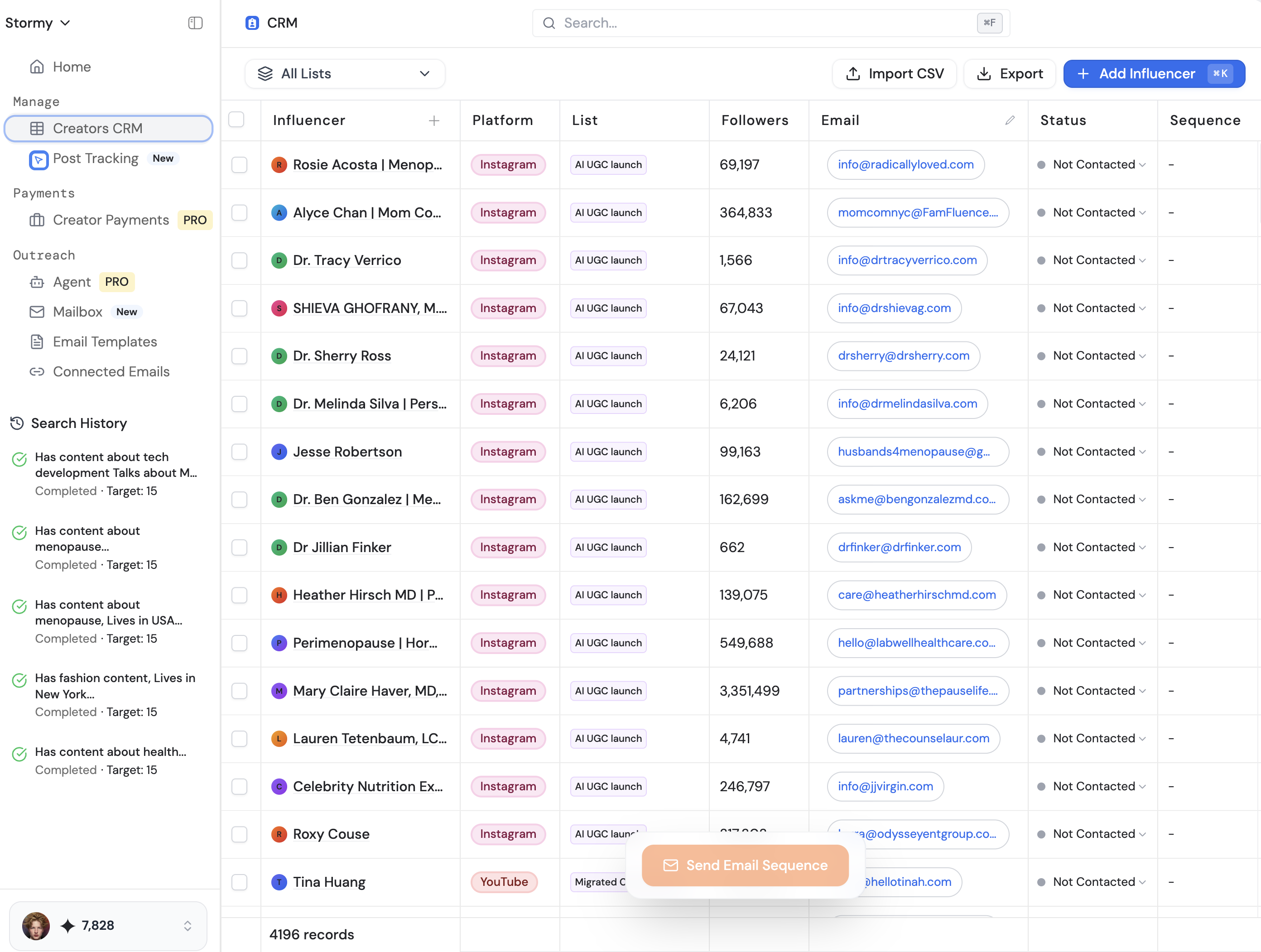
To win over influencers, you must be early to list "hot" items. Monitoring social trends allows you to add new projects before they even hit the mainstream. When you have high-quality data, tools like Stormy AI can help you find and vet the right influencers to reach out to. By using Stormy's AI-powered search, you can identify creators who have already talked about similar tools and offer them your directory as a resource for their next post.
Indirect Monetization: The Directory-to-SaaS Funnel
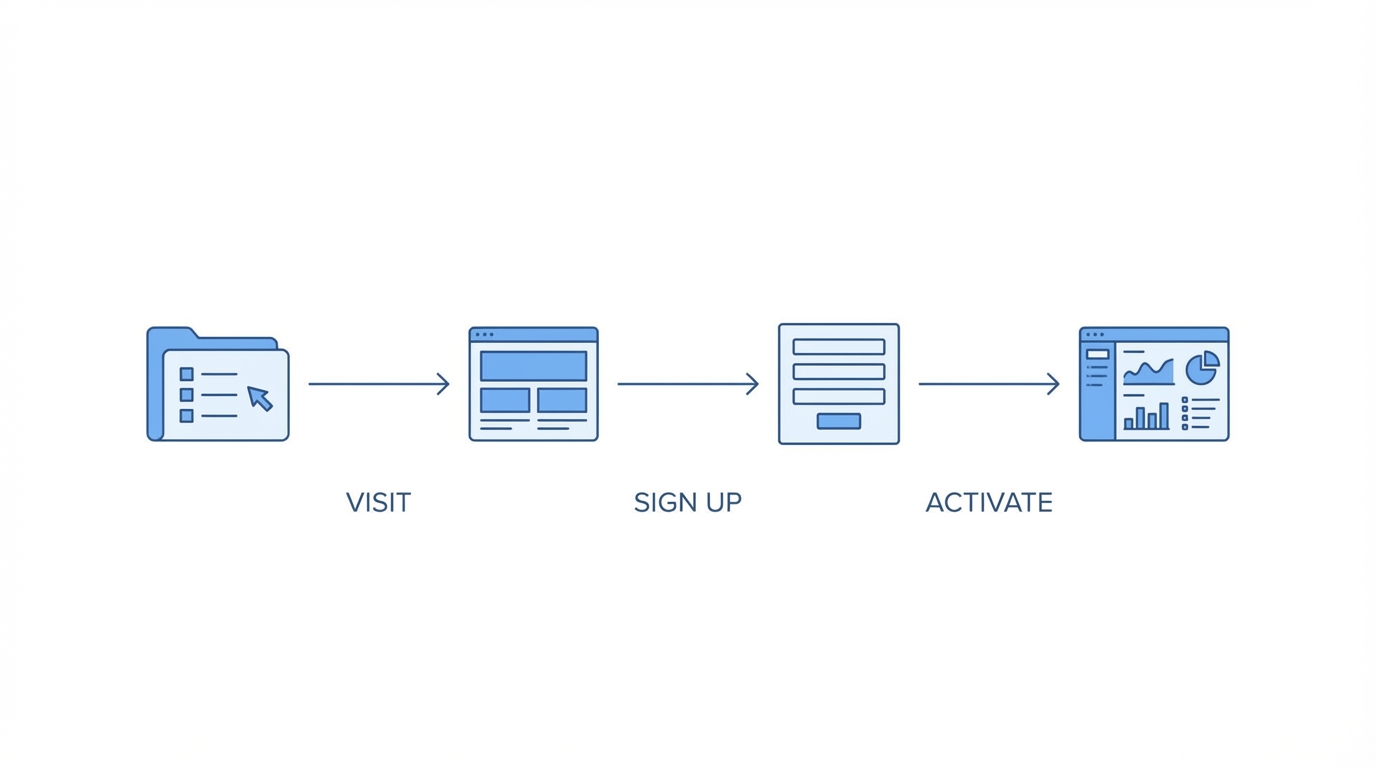
If you are already running a software business, a directory is your most powerful SEO weapon. Traditional SaaS marketing involves competing for hyper-competitive keywords against VC-backed giants. In contrast, directory keywords (e.g., "best small business ideas" or "list of marketing agencies") are often overlooked by big players because they don't have a direct "Buy Now" intent.
By building a directory on a domain that matches these keywords—purchased through a registrar like GoDaddy—you can capture users at the top of the funnel. Once they are on your site, you can subtly suggest your SaaS as the solution to their problem. This indirect monetization strategy lowers your customer acquisition cost (CAC) significantly. For managing these creator and brand relationships at scale, using a Creator CRM allows you to track which outreach efforts are actually driving the most traffic back to your core product.
The Path to a Profitable Directory
Scaling a directory from a simple list to a revenue-generating asset requires a focus on two things: data integrity and diversified monetization. Don't fall in love with a single idea; instead, use AI tools to validate multiple niches and double down on the one that gains organic traction within the first 30 days. Whether you choose to monetize directory website traffic through affiliate links, high-ticket brand sponsorships, or by building a funnel for your own SaaS, the goal remains the same: provide high-quality curation that users (and influencers) can't help but share. Start small, validate fast, and focus on the data—the revenue will follow.