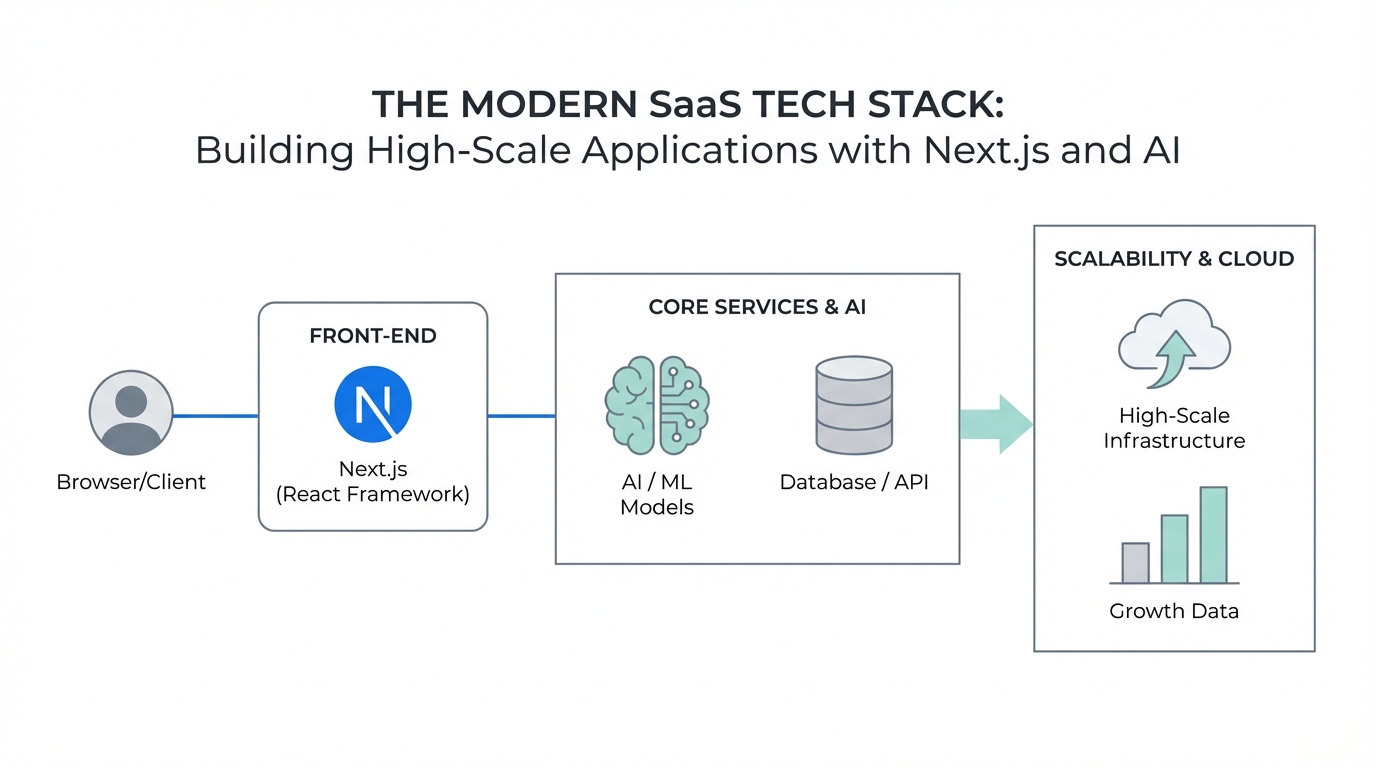
In the current software landscape, the barrier to entry for building a global application has never been lower, yet the complexity of scaling one has never been higher. Founders are no longer just competing on features; they are competing on shipping velocity and operational efficiency. A prime example of this is Papermark, an open-source document sharing platform that scaled to nearly $900,000 in Annual Recurring Revenue (ARR) in just 18 months. By leveraging a modern saas tech stack, the founders managed to support 30,000 users with a lean team and a tool-spend that accounts for only 6% of their revenue. This efficiency isn't accidental—it is the result of a calculated architectural blueprint that prioritizes performance, scalability, and AI-driven productivity, as documented in several Starter Story case studies.
Core Architecture: Next.js, TypeScript, and the Vercel Ecosystem
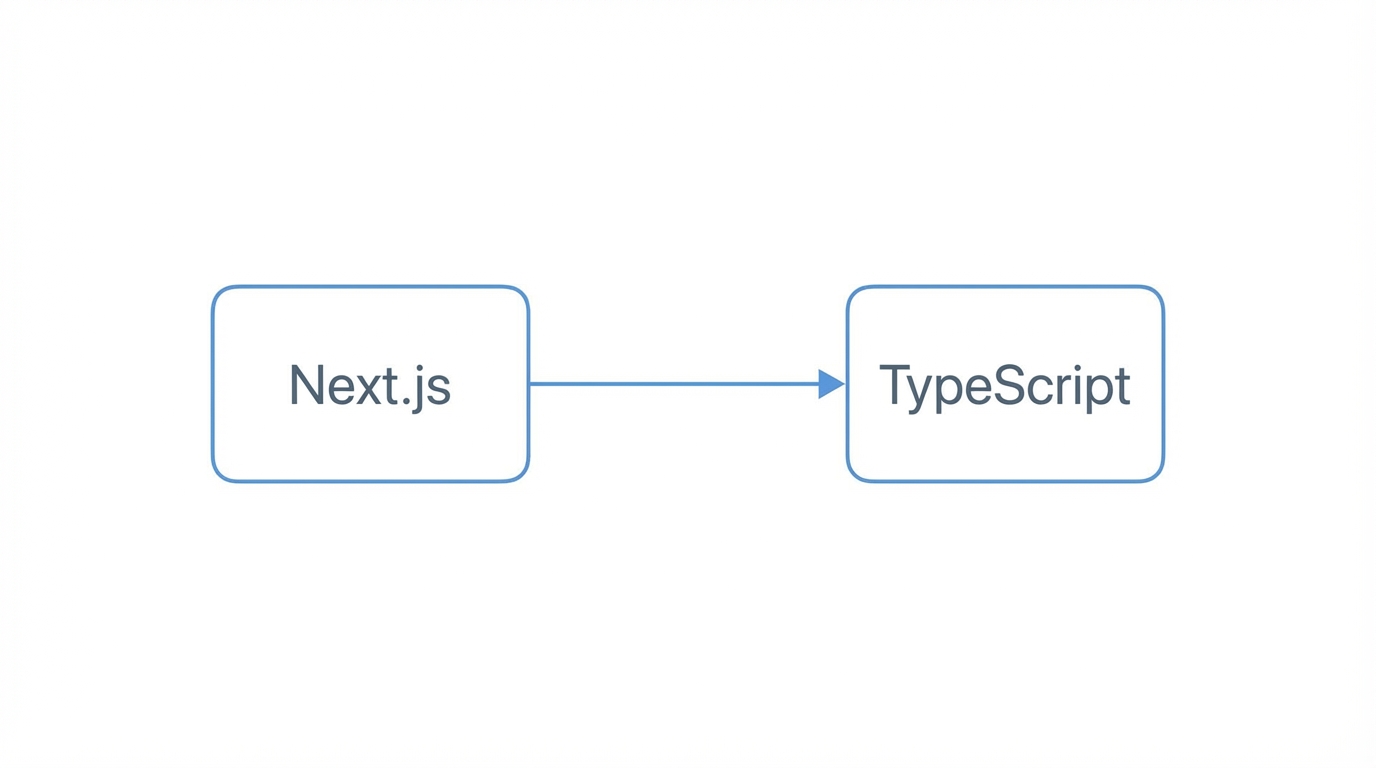
The foundation of any nextjs saas template used by high-growth startups starts with the framework itself. Next.js has become the industry standard for building full-stack web applications because it blurs the line between frontend and backend. By using TypeScript, developers ensure type safety across the entire application, which significantly reduces runtime errors as the codebase grows. For the founders of Papermark, the architecture is split into two distinct Next.js projects: one for the marketing site and content, and another for the core open-source application that powers their dashboard.
Deploying on Vercel allows for rapid deployment cycles. Features like Preview Deployments enable founders to test changes in a live environment before they hit production. This environment is crucial for scaling a saas application because it allows for high-frequency updates without the overhead of managing server infrastructure. When you are building in public, as many open-source founders do, the ability to turn a user suggestion into a live feature within hours is a massive competitive advantage.
However, building a great product is only half the battle. To reach the levels of growth seen by top-tier SaaS companies, you need a distribution engine. This is where Stormy's AI search for discovery across TikTok, YouTube, Instagram, LinkedIn, TikTok Shop, and newsletters becomes indispensable. Just as Papermark found its initial audience through viral social media posts, modern brands use Stormy to identify the exact influencers and creators who can amplify their message. By typing a simple prompt like "SaaS developers on YouTube with high engagement," you can discover the partners who will drive your next wave of user acquisition.

Scalable Infrastructure: PlanetScale, Stripe, and Global Reach
When scaling a saas application, the database is often the first bottleneck. Many modern startups have moved away from traditional managed instances toward serverless database solutions. PlanetScale, built on the Vitess engine, provides the horizontal scaling necessary to handle hundreds of thousands of document views without manual sharding. This "set it and forget it" approach to data allows founders to focus on product logic rather than database maintenance.
For payments, Stripe remains the undisputed leader. It handles everything from global tax compliance to subscription management, allowing a two-person team to operate like a multinational corporation. The integration between Stripe and a nextjs saas template is often seamless, enabling features like customer portals and tiered pricing with minimal custom code. As noted in the Starter Story research, having a reliable payment layer is what allows a project to transition from a weekend open-source experiment into a million-dollar business.
AI-Powered Developer Productivity: Shipping Faster with Cursor

One of the most significant shifts in the modern saas tech stack is the integration of AI directly into the developer workflow. Cursor, an AI-powered IDE, has replaced traditional code editors for many elite engineers. By leveraging AI to write boilerplate, refactor code, and debug errors, founders can essentially double their output without increasing headcount. This is a critical component of developer tools for startups, where time-to-market is the primary metric for success.
AI isn't just for writing code; it's for writing the communications that grow the business. Once your application is live, you need to reach out to potential users and collaborators. Instead of manual, cold outreach, you can use Stormy AI for influencer vetting, fake follower detection, and automated AI email outreach with hyper-personalized follow-ups. This system acts as an autonomous agent, finding contact details and following up while you sleep, ensuring that your growth engine never stops running.

Backend Automation: Resend and Trigger.dev
Operational efficiency is often found in the "boring" parts of the stack: emails and background tasks. Resend has become a fan-favorite for transactional emails because of its developer-centric API and high deliverability rates. Pair this with Trigger.dev for background jobs, and you have a robust system for handling long-running tasks like document processing or data synchronization without blocking the main thread of your Next.js application.
Automation allows for a low-overhead business model. In the case of Papermark, these tools enable them to serve 1,000 paying customers and manage 800,000 document views with minimal manual intervention. This level of transactional efficiency is what keeps the tool-spend at a mere 6%, leaving a massive 80% of revenue for salaries and 15% for growth experiments.
The 6% Rule: Analyzing SaaS Infrastructure Costs
A common mistake for early-stage founders is over-engineering their stack and inflating their saas infrastructure costs. The research shows that a high-performing SaaS can keep tool-spend exceptionally low. By using serverless and managed services, you only pay for what you use. This variable cost structure is essential during the early stages of a startup when cash flow is king.
- Founder Salaries & Freelancers: ~80% of revenue
- Marketing & Growth Experiments: ~15% of revenue
- Software & Infrastructure Tools: ~5-6% of revenue
To keep your growth experiments efficient, you need to track which efforts are actually resulting in user acquisition. Stormy's post tracking and analytics allows you to monitor the performance of every video or post featuring your product. By analyzing engagement rates and view counts across TikTok, YouTube, and Instagram in one dashboard, you can double down on what works and cut the spend on what doesn't, maintaining that lean 6% margin.
The Playbook: Building Your Own High-Scale Application
If you are starting a new project today, following this modern saas tech stack playbook will give you a significant head start. Here is the step-by-step approach to building for scale.
Step 1: Choose a Validated Next.js Template
Don't start from scratch. Use a nextjs saas template that includes authentication, database schema, and Stripe integration out of the box. This allows you to reach MVP (Minimum Viable Product) in a weekend rather than months.
Step 2: Implement Security and Compliance Early
As you scale, enterprise customers will demand security audits. Using tools like Vanta helps you get audit-ready fast by providing continuous monitoring of your infrastructure for SOC 2 compliance. Security is no longer an afterthought; it is a feature that unlocks larger deals.
Step 3: Leverage AI for Growth and Management
Once the product is stable, transition your focus to distribution. Use Stormy's creator CRM to manage your relationships with early adopters and influencers. Tracking every interaction, negotiation, and payment in one place ensures that no lead falls through the cracks as your community grows.
Conclusion: The Future of SaaS is AI-Native
The success of companies like Papermark proves that a small, dedicated team can build a massive business by choosing the right modern saas tech stack. By combining the power of Next.js, the scalability of serverless infrastructure, and the productivity of AI-driven developer tools, you can build applications that handle millions of requests with negligible overhead.
The key takeaway is to outship the incumbents. Use open-source to build trust, use AI to build faster, and use automated platforms like Stormy AI to handle the heavy lifting of influencer marketing and discovery. Whether you are building an open-source alternative to a major player or a niche CRM for a specific industry, the tools available today make it possible to reach $1M ARR faster than ever before. Now is the time to jump in, contribute to the community, and build the next great SaaS application.