In the early 1990s, the "boiler room" was a physical space—a chaotic, smoke-filled office on Long Island where hundreds of brokers barked scripts into landline phones. Today, that high-pressure environment has been decentralized. The modern boiler room lives in your pocket, disguised as a sleek TikTok video, a curated Instagram Story, or an "exclusive" Telegram group. While the technology has evolved, the underlying mechanics of social media stock fraud remain strikingly similar to the tactics that made Jordan Belfort a household name. As we navigate 2025, understanding the anatomy of these schemes is no longer just for financial professionals; it is a vital survival skill for every social media user.
The shift from telephone-based manipulation to digital influence has created a playground for bad actors. In the past, a broker had to convince you one-on-one. Today, a single influencer with a million followers can move a micro-cap stock with one post. This phenomenon, known as the "ramp-and-dump," is the digital-first evolution of the classic pump-and-dump. It exploits the trust between a creator and their audience, turning followers into liquidity for a scammer's exit strategy. By analyzing the FTC fraud statistics 2024 and the latest FBI reports, we can see a clear and troubling trend: investment fraud is hitting record highs, driven largely by social media engagement.
From Boiler Rooms to DMs: The Evolution of Market Manipulation


The historical foundation of modern stock scams lies in the Stratton Oakmont era. Between 1989 and 1996, the firm manipulated the stocks of at least 34 companies, leading to estimated investor losses of $200 million. The goal was simple: use high-pressure sales scripts to inflate the price of low-value penny stocks, then sell for a profit. This required a massive infrastructure of over 1,000 brokers and an intense, culture-driven sales floor.
Fast forward to the present, and that physical infrastructure is gone. The FBI has observed a 300% increase in victim complaints regarding social-media-driven ramp and dump scams in 2025. Instead of brokers, we have "finfluencers." Instead of cold calls, we have viral threads. The decentralized nature of social media allows scammers to operate with near-anonymity while reaching a global audience instantly. This shift has made investment scam red flags harder to spot, as the fraud is often wrapped in the veneer of educational content or "lifestyle" inspiration.
Anatomy of a 'Ramp-and-Dump': How the Scam Works in 2025
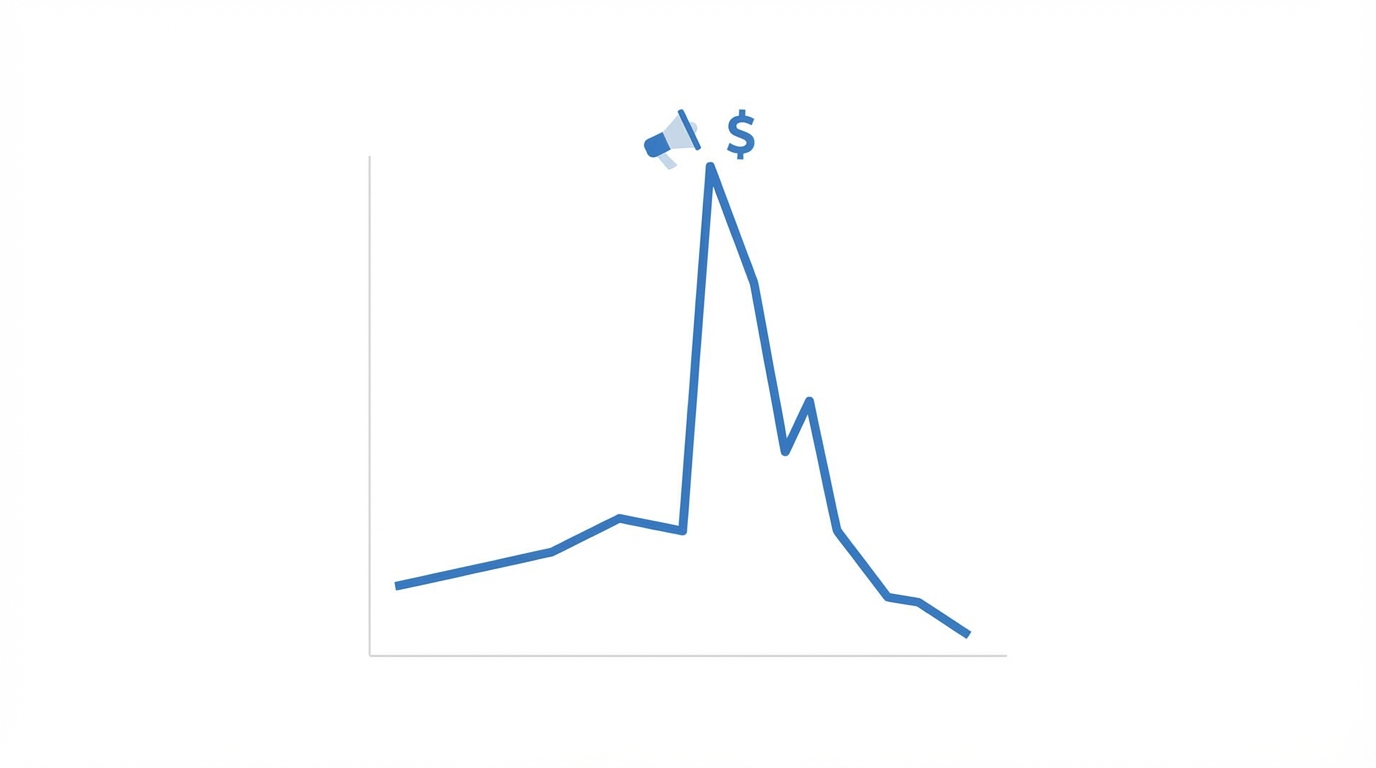
A ramp and dump scam typically follows a three-stage lifecycle: the Accumulation, the Ramp (the hype), and the Dump (the exit). Unlike the old days where the "pump" took weeks of phone calls, the modern "ramp" can happen in minutes. A coordinated group of social media accounts—often using automated marketing tools—will begin mentioning a specific stock or crypto asset simultaneously. This creates a false sense of organic momentum, triggering algorithmic trading bots and attracting retail investors who fear missing out (FOMO).
The "Ramp" is frequently fueled by influencer marketing fraud. Scammers pay mid-tier influencers to post about a stock without disclosing the financial arrangement. These creators might not even realize they are part of a scam; they are simply "getting paid for a shoutout." However, for the retail investor, seeing multiple trusted voices talk about a specific ticker symbol creates a powerful psychological trigger. This is where the FTC fraud statistics 2024 show the most damage, with investment scams accounting for $5.7 billion in losses—a 24% increase from the previous year.
Identifying the 'Ramp' Phase
- Sudden Volume Spikes: Look for a massive increase in trading volume without any corresponding news or SEC filings.
- Coordinated Messaging: If five different influencers use the exact same phrasing (e.g., "the next Nvidia" or "disrupting the industry") within 48 hours, it's likely a coordinated ramp.
- Sense of Urgency: Language that pressures you to "get in now before the bell" is a classic high-pressure tactic designed to bypass your critical thinking.
Red Flags: Identifying Influencer Marketing Fraud in Finance

One of the most insidious aspects of modern fraud is influencer marketing fraud disguised as authentic financial advice. In 2025, the line between an educator and a promoter is dangerously thin. Many creators use what Jordan Belfort called the Straight Line Persuasion system—a method designed to move a prospect from a state of uncertainty to absolute certainty. While effective for legitimate sales, these same tonality and rapport-building techniques are now used by influencers to build unearned trust.
For brands and individuals alike, vetting these creators is essential. While businesses might use platforms like Stormy AI to discover authentic creators and analyze audience quality to avoid influencer marketing fraud, retail investors must manually look for signs of inauthenticity. Look for creators who never show their losses, only their wins. Be wary of anyone promising "guaranteed returns" or using their lifestyle—private jets, luxury cars, or expensive watches—as the primary evidence for their financial expertise. Authentic experts usually focus on data and risk management, not flash.
When managing creator relationships at scale, companies often rely on a CRM for sales to track communications, but as an individual, your "CRM" is your skepticism. Always check if a post is tagged with #ad or #sponsored. If a finfluencer is talking about a micro-cap stock and doesn't disclose a position or a partnership, proceed with extreme caution. The investment scam red flags are often hidden in what the creator doesn't say about their compensation.
The 'Wolf's' Surprising 2025 Advice: Why the S&P 500 Wins
Perhaps the greatest irony of the 2025 investment landscape is the current advice from Jordan Belfort himself. The man who once pioneered the manipulation of individual stocks now vocally advocates against it for retail investors. In recent interviews and articles, Belfort warns that trying to time the market or pick individual "moonshot" stocks is a fool's errand for most people.
Instead, he suggests a strategy that would have been anathema to the brokers at Stratton Oakmont: buying and holding the S&P 500. His reasoning is rooted in the very social media stock fraud trends we see today. The market is too fast, too manipulated by bots, and too influenced by viral hype for the average person to compete on an individual stock level. By sticking to index funds, you remove the emotional vulnerability that scammers exploit. It is a striking admission from a former master of manipulation that the best way to win is to stop playing the high-stakes game of individual stock picking.
The Regulatory Landscape: How to Fight Back

If you suspect you have been targeted by social media stock fraud, there are established protocols for fighting back. The FTC Consumer Sentinel Network is the primary database for reporting these crimes. Reporting your experience helps federal agencies identify patterns and shut down the digital infrastructure used by scammers. Additionally, the FBI's Internet Crime Complaint Center (IC3) is the best place to file a report if you have lost money to an online investment scheme.
Prevention, however, remains the most effective tool. Modern investors should use intelligence tools to analyze the sentiment and quality of the financial advice they receive online. Just as a sales manager uses conversation AI to detect patterns in sales calls, a savvy investor should analyze the "tonality" of an influencer's pitch. If the pitch relies more on emotional triggers (fear of missing out, anger at the "system," or greed) than on fundamental financial metrics, it is a major red flag.
Conclusion: Protecting Your Portfolio in the Digital Age
The transition from the "boiler rooms" of the 90s to the "social feeds" of today has made ramp and dump scams more accessible to criminals and more dangerous for investors. With FTC fraud statistics 2024 showing billions in losses, the stakes have never been higher. By identifying the investment scam red flags—such as coordinated influencer hype, lack of financial disclosure, and high-pressure psychological tactics—you can shield yourself from the modern-day wolves of Wall Street.
Remember that the core of every scam is the influencer marketing fraud that builds a bridge of false trust. Whether you are a brand vetting creators using Stormy AI or an individual scrolling through TikTok, the principle is the same: trust, but verify. Follow the 2025 advice of those who have seen the inside of these schemes: ignore the individual hype, avoid the FOMO, and focus on long-term, stable growth. In a world of digital noise, the most profitable strategy is often the quietest one.