In the early 2010s, the universal advice for any ambitious founder or marketer was simple: "Learn to code." Understanding the backend of the internet was the ultimate leverage. But as we move through 2026, the landscape has shifted fundamentally. While engineering remains vital, the primary bottleneck for business growth is no longer building the product—it is owning the distribution. Today, the most valuable skill a non-technical leader can possess isn't Python or Javascript; it is the ability to speak the native tongue of the modern web: short-form cinematic video.
We are currently witnessing a massive transition where video has moved from being a "marketing tactic" to becoming the actual infrastructure of human communication. If you look at your Instagram or TikTok feeds today, you aren't looking at a social network; you're looking at a global broadcast system that speaks exclusively in moving images. If you cannot produce high-quality, engaging video content, you are effectively operating as a non-native speaker in a world that has moved on from text.
The Native Tongue of the 2026 Internet
 0:00
0:00Imagine visiting a country where you don't speak the language. You can survive, but you can't thrive, negotiate, or lead. For years, the internet's primary language was text and static images. But video-first content strategy has officially taken over. In 2026, the internet speaks video. Whether it is a 15-second clip on TikTok or a 15-minute documentary on YouTube, video is how trust is built and how products are sold. According to Wyzowl's 2026 report, over 90% of marketers now claim video provides a positive ROI.
"Video is the native tongue of the internet. If you suck at making video in 2026, you're ESL—English as a Second Language—in your own industry."
The gap between those who can produce video and those who cannot is widening. Ten years ago, the Meta Ads Manager feed was dominated by photos. Today, even an image is rarely just an image—it’s usually a layered asset with music, text overlays, and motion. To stay competitive, brands must move beyond "boomer" static content and embrace a modern media marketing stack that prioritizes narrative storytelling and sound design.
Why CapCut is the New 'Learning to Code'
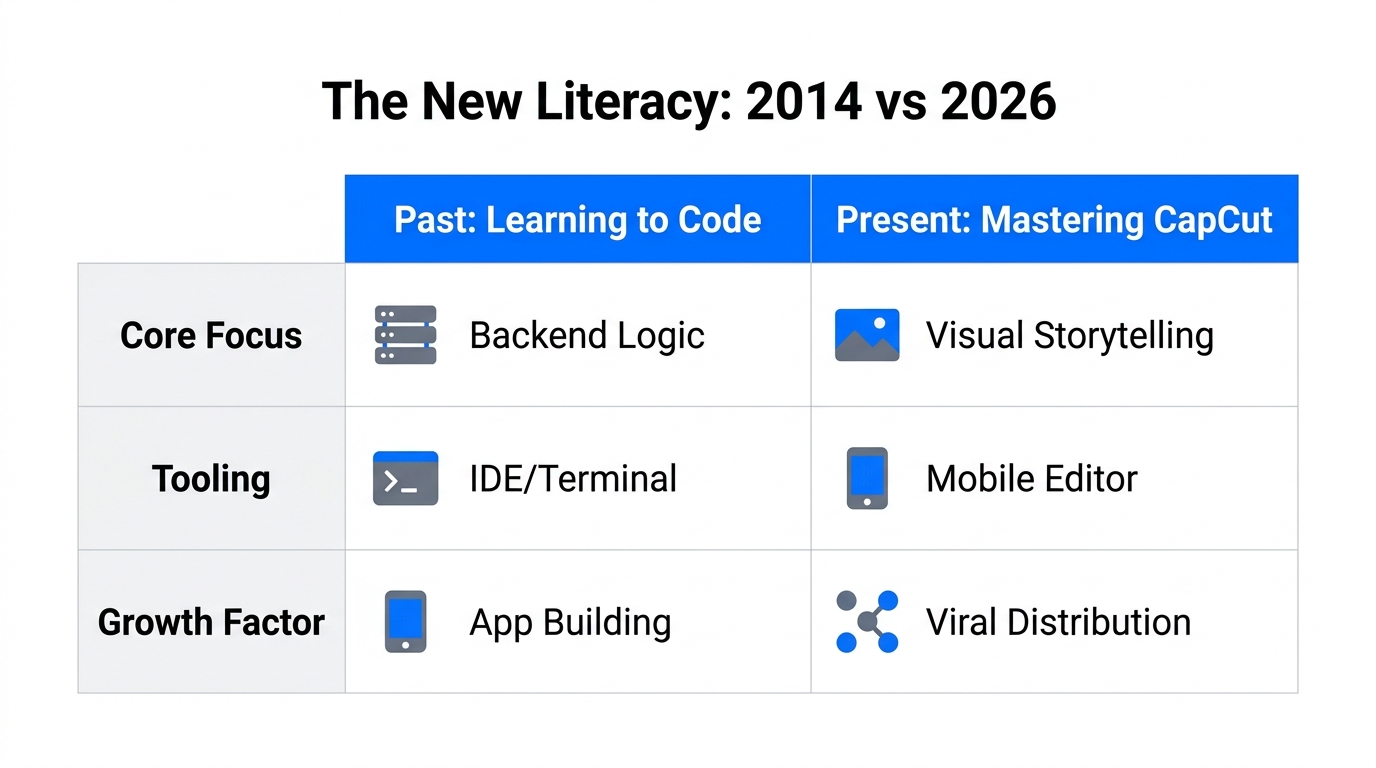
Fifteen years ago, we told young people to learn JavaScript because that’s where the value was being created. In 2026, the value is in the edit. Tools like CapCut have democratized high-end production in the same way that Canva democratized design. CapCut for business growth is no longer just for influencers; it is a core competency for founders who want to communicate their vision without a $50,000 production budget.
| Era | Primary Skill | Primary Distribution | Primary Tool |
|---|---|---|---|
| 2010 - 2015 | Coding | SEO / Search | JavaScript / WordPress |
| 2016 - 2021 | Copywriting | Facebook / Twitter | Google Docs / HubSpot |
| 2022 - 2026 | Video Editing | Short-Form Video | CapCut / Stormy AI |
Learning the CapCut workflow—understanding how to cut on the beat, how to use color grading to set a mood, and how to utilize sound design—is the new literacy. It allows a single individual to produce content that rivals traditional television. When you master these short form video skills 2026 requires, you aren't just making clips; you are building an automated sales force that works while you sleep.
The Rise of Cinematic Short-Form
3:00For a few years, the trend was "raw and authentic"—unfiltered selfie videos that looked like they were shot on a flip phone. But the pendulum has swung. In 2026, the "raw" look is often ignored. Users now crave what creators call cinematic short-form. This style uses professional-grade lighting (even from a smartphone), scripted narratives, and meticulous sound design.
A perfect example of this is Wesley Wang. As a teenager, he produced a short film titled Nothing Except Everything. It wasn't a vlog; it was a 13-minute cinematic masterpiece made on a $30,000 budget. It garnered over 9 million views and led to him being signed by major production houses after a prominent director asked, "How do I convince you to drop out of Harvard?" This is the power of the new media. A high schooler with a vision and an editing suite can now outperform multi-million dollar ad agencies.
"The world is now Hollywood. Every company is a studio, and every founder is a producer. The only question is whether your show is worth watching."
Niche Dominance through Video Quality
12:30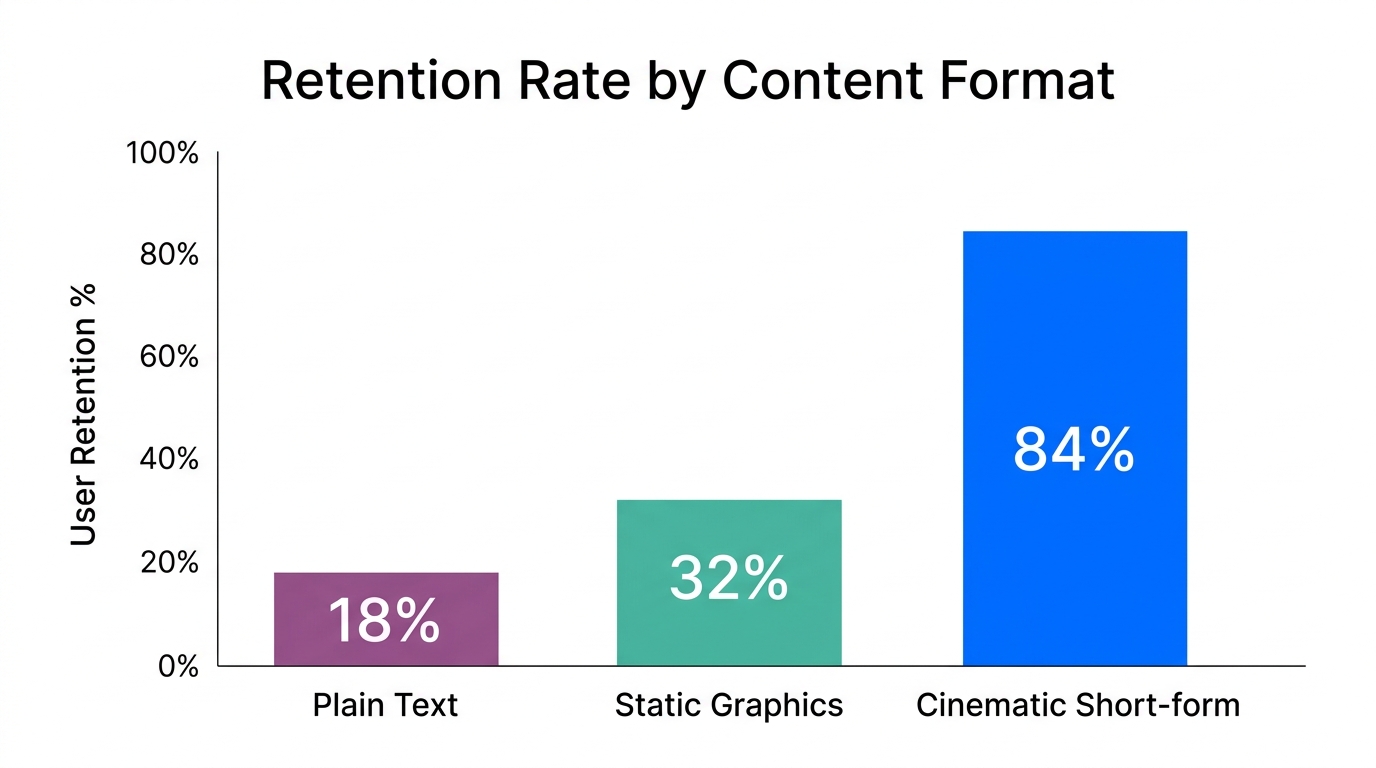
You might think, "My business is too boring for cinematic video." This is a mistake. In fact, the more "boring" your niche, the more leverage you have by using high-quality video. Look at The Iron Snail on YouTube. This creator makes cinematic, highly-produced videos about... denim. He discusses the history of jeans and why modern clothes are lower quality than they used to be. Even people who don't care about fashion find themselves watching because the production is so compelling. He currently has over 380,000 subscribers, and his videos frequently hit 1 million views because he treats a "nerdy" topic with the reverence of a feature film.
Similarly, consider Michael McElvee. Originally a CPA/financial advisor, he started making YouTube content about tax planning and Delaware trusts. By applying better-than-average production to a dry topic, he built a massive book of business that eventually led to an acquisition. He has since pivoted to sports content, utilizing those same filmmaking skills to become one of the most premium creators in the sports niche. This proves that digital marketing distribution trends in 2026 reward the cinematic specialist, regardless of the industry.
Building Your Modern Media and Marketing Stack
9:30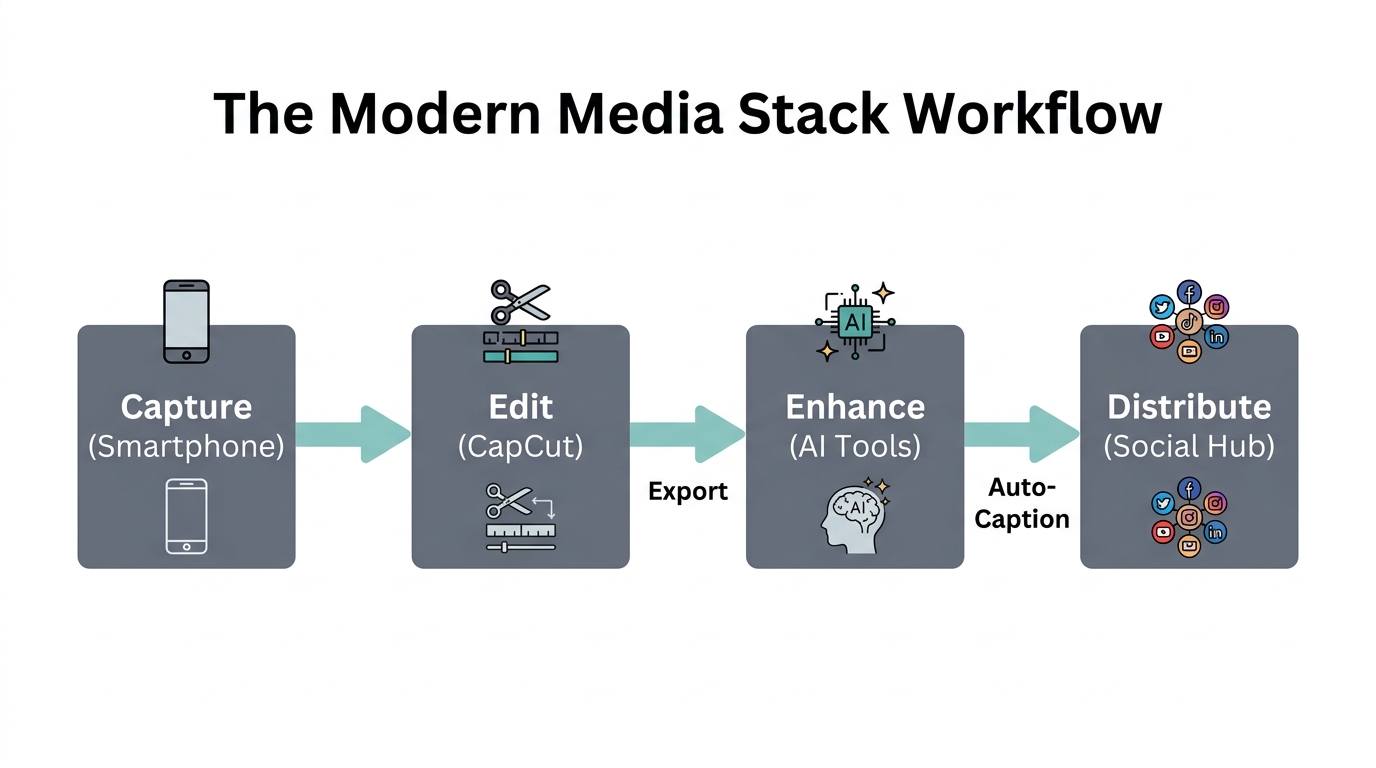
To implement this in your company, you need a stack that supports rapid discovery, production, and distribution. While CapCut handles the creative, you need a system to manage the human capital. Modern growth teams are no longer just hiring "Social Media Managers"; they are hiring creative directors and editors.
When sourcing these specialists, platforms like Stormy AI make it easy to find high-signal creators who already speak the cinematic language natively. By using AI-powered search, you can find creators in your niche with high engagement and audience quality, then use Stormy's automated outreach to build your own "media house" overnight.
The Modern Media Stack for a 2026 startup looks like this:
- Discovery: Stormy AI for finding and vetting niche-specific video talent.
- Creation: CapCut for high-speed, high-quality mobile editing.
- Project Management: Notion or Linear for managing scripts and shot lists.
- Analytics: PostHog or Google Analytics to track how video views convert to app installs.
Video-First Corporate Communications
This trend isn't limited to external marketing. Corporate communications strategy is also moving toward video-first updates. Instead of a 2,000-word internal memo that no one reads, CEOs in 2026 are sending 90-second "cinematic updates." This isn't just a talking head; it's a narrated story that uses B-roll of the product, music to build excitement, and clear captions. This style of communication increases retention and builds a much stronger internal culture.
We are also seeing the rise of the "Commercial as Content." Take Ryan Trahan and his candy brand, Joyride. When he launched his brand, he didn't just run a standard TV spot. He produced a video titled "We Need to Talk" that felt like a personal update but functioned as a world-class commercial. The quality was so high that people wanted to watch the ad. Joyride has since raised $33 million, largely because their media strategy outpaced every legacy candy conglomerate.
"If your ads feel like ads, you've already lost. In 2026, the goal is to make your commercials feel like the premiere of a short film."
The Future of Training: Creator Camp and Beyond
The traditional education system is failing to produce people with these skills. Film schools are too focused on Hollywood, and business schools are too focused on spreadsheets. This has created a massive supply-demand imbalance. The demand for people who can create "Miracle" style videos—the kind that make you stop scrolling and wonder "how did they do that?"—is infinite.
Newer models like Creator Camp are stepping in to fill this gap. These programs focus on "Defining Cinema for the Internet Age," teaching 19-year-olds how to achieve $100,000 production value for a fraction of the cost. Founders should look to these hubs when hiring their next growth lead. If you want to stay competitive, you must train your team to think like filmmakers, not just marketers.
Conclusion: From Horse Carriage to Tesla
If you feel like an "old man" when looking at TikTok, you aren't alone. Many leaders feel like they are standing next to a horse carriage while a Tesla zooms by. But the beauty of the 2026 media landscape is that the tools are more accessible than ever. You don't need to be a professional filmmaker; you just need to start "learning to type" in the new language.
Mastering the CapCut workflow, embracing a video-first content strategy, and leveraging AI tools like Stormy AI to find the right talent will put you years ahead of the competition. The internet speaks video—it's time to stop being ESL.