In the rapidly shifting landscape of 2026, the artificial intelligence boom has moved past simple chat interfaces and into the realm of deep structural integration. We are no longer just asking Large Language Models (LLMs) to write poems; we are expecting them to operate our entire digital lives. This shift has been accelerated by the Model Context Protocol (MCP), a standard that has done for AI connectivity what REST did for web services a decade ago. While 2024 was about the 'hype' of agents, 2026 is about the plumbing that makes those agents actually work.
The central problem remains: LLMs, by their very nature, are isolated. As Professor Ross Mike frequently notes, an LLM by itself is effectively a 'next-word predictor' with no inherent ability to check your email, update a database, or search the live web. To make them useful, we've spent years 'gluing' tools together using services like Zapier or N8N. But as we scale, this 'glue' becomes a brittle nightmare. Enter MCP—the unified language that allows LLMs to communicate with external data and services seamlessly. For entrepreneurs, this protocol represents the largest 'unclaimed territory' in software today. Here are the most profitable Model Context Protocol startup ideas to capitalize on this year.
"LLMs by themselves are incapable of doing anything meaningful. MCP is the evolution that finally allows them to access outside resources without the engineering nightmare of custom glue-code."
1. The 'MCP App Store': A Centralized Marketplace
 15:29
15:29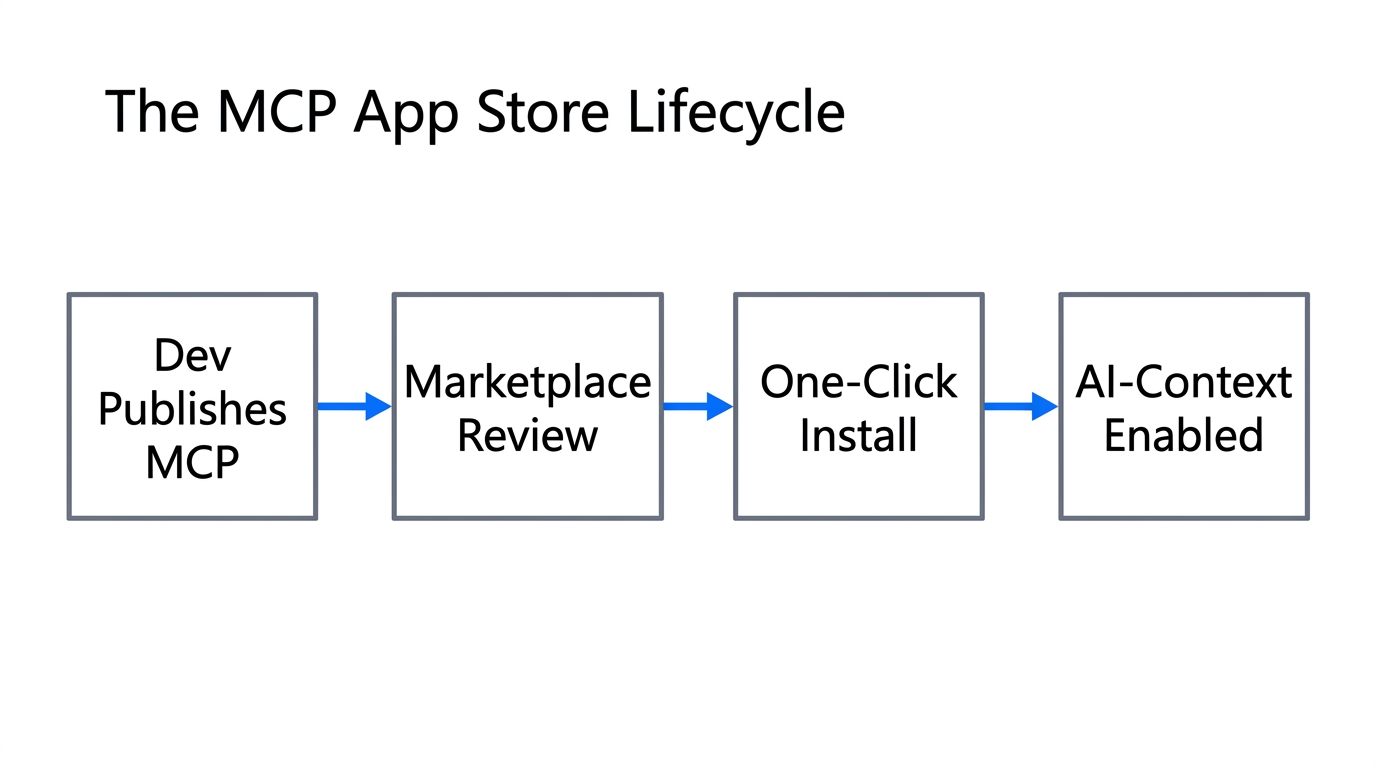
As of 2026, thousands of developers have built custom MCP servers for everything from Supabase database management to live crypto price tracking. However, discovery and deployment remain fragmented. Currently, if you want to connect a new service to an MCP client like Cursor or Windsurf, you often have to hunt through GitHub repositories, manually clone code, and manage local environment variables. This is the 'Annoyance Gap' where massive businesses are born.
The opportunity lies in building a centralized MCP Marketplace. Imagine a platform where a user can browse verified MCP servers, click a single 'Install' button, and have that server instantly hosted and connected to their AI client via a secure URL. This 'App Store' for AI connections would solve three primary pain points:
- Discovery: Finding the most reliable server for specific tasks (e.g., 'Google Ads management' or 'Salesforce data entry').
- Security: Vetting the code to ensure that connecting your LLM to your database doesn't create a massive data leak.
- Deployment: Moving MCP servers from 'running on my laptop' to 'running in the cloud' with zero configuration.
| Feature | Legacy Tool-Calling | Standardized MCP | The Startup Opportunity |
|---|---|---|---|
| Connection Type | Custom API Integration | Standardized Protocol | One-Click Deployment Layer |
| Ease of Use | Developer Only | Technical-Adjacent | No-Code Marketplace |
| Interoperability | Isolated Silos | Unified Language | Cross-Platform Server Hosting |
By positioning your startup as the 'infrastructure layer' for these connections, you create a sticky Model Context Protocol SaaS that benefits from the network effects of more developers and more users joining the ecosystem.
2. Solving the 'Annoyance Gap' with No-Code Layers
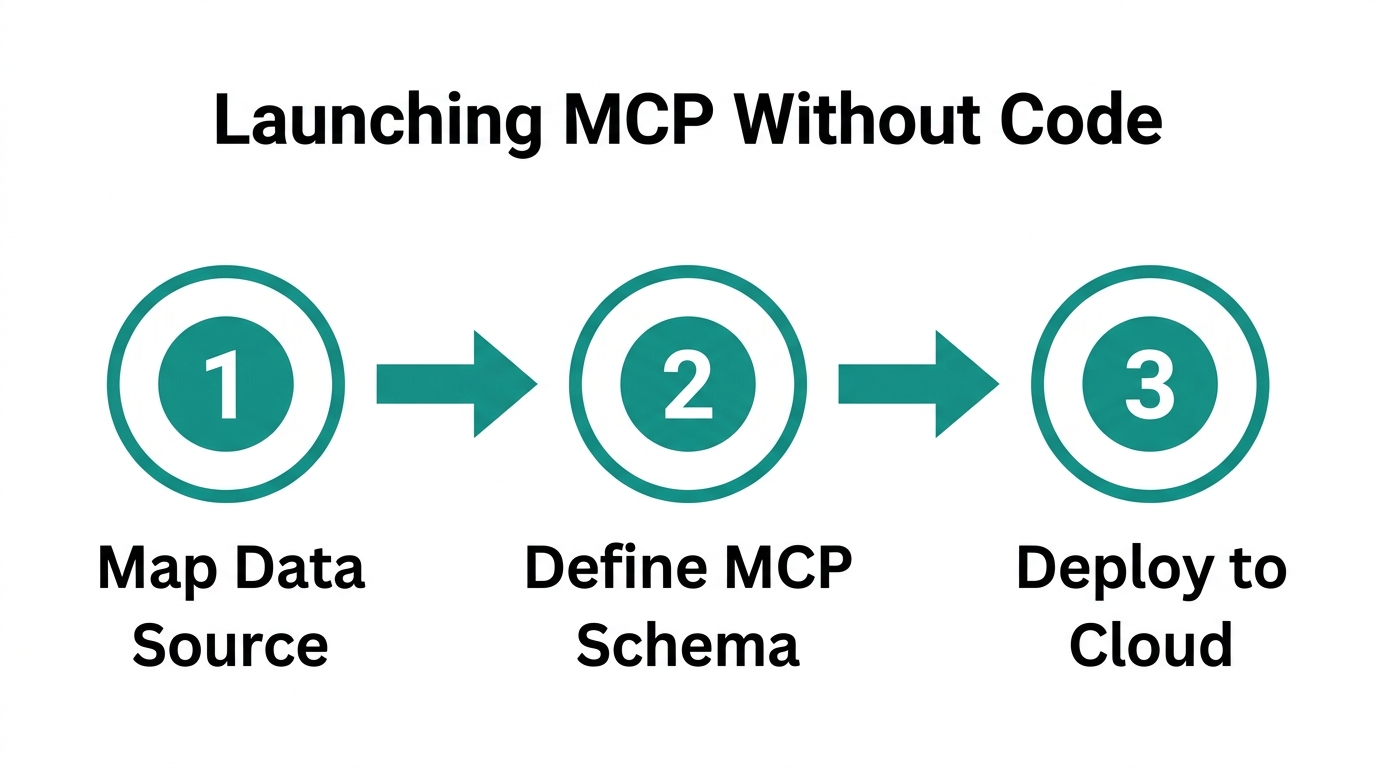
One of the biggest hurdles for AI entrepreneurship in 2026 is that the power of MCP is still largely gated behind technical knowledge. While Anthropic played '3D chess' by open-sourcing the protocol, the actual implementation requires moving files, editing JSON configs, and managing server runtimes. Non-technical founders and small business owners are currently left on the sidelines.
There is a massive market for a No-Code MCP Manager. This would be a dashboard where a business owner can connect their existing tools—like Meta Ads Manager or a creator CRM like Stormy AI—and automatically generate an MCP server address. This address could then be pasted into any LLM interface, instantly giving that AI the 'eyes' and 'hands' it needs to operate the business.
Consider a marketing agency that needs their AI assistant to analyze real-time campaign data. Instead of hiring a developer to write custom integrations, they use your platform to 'toggle on' a Brave Search MCP and a OpenAI analytics server. This democratizes AI agency, allowing anyone to build 'Jarvis-level' assistants without writing a single line of Python.
"The first company that makes MCP as easy to use as a Chrome Extension will own the enterprise AI workflow market."
3. Verticalized MCP Services: Industry-Specific Protocols
11:21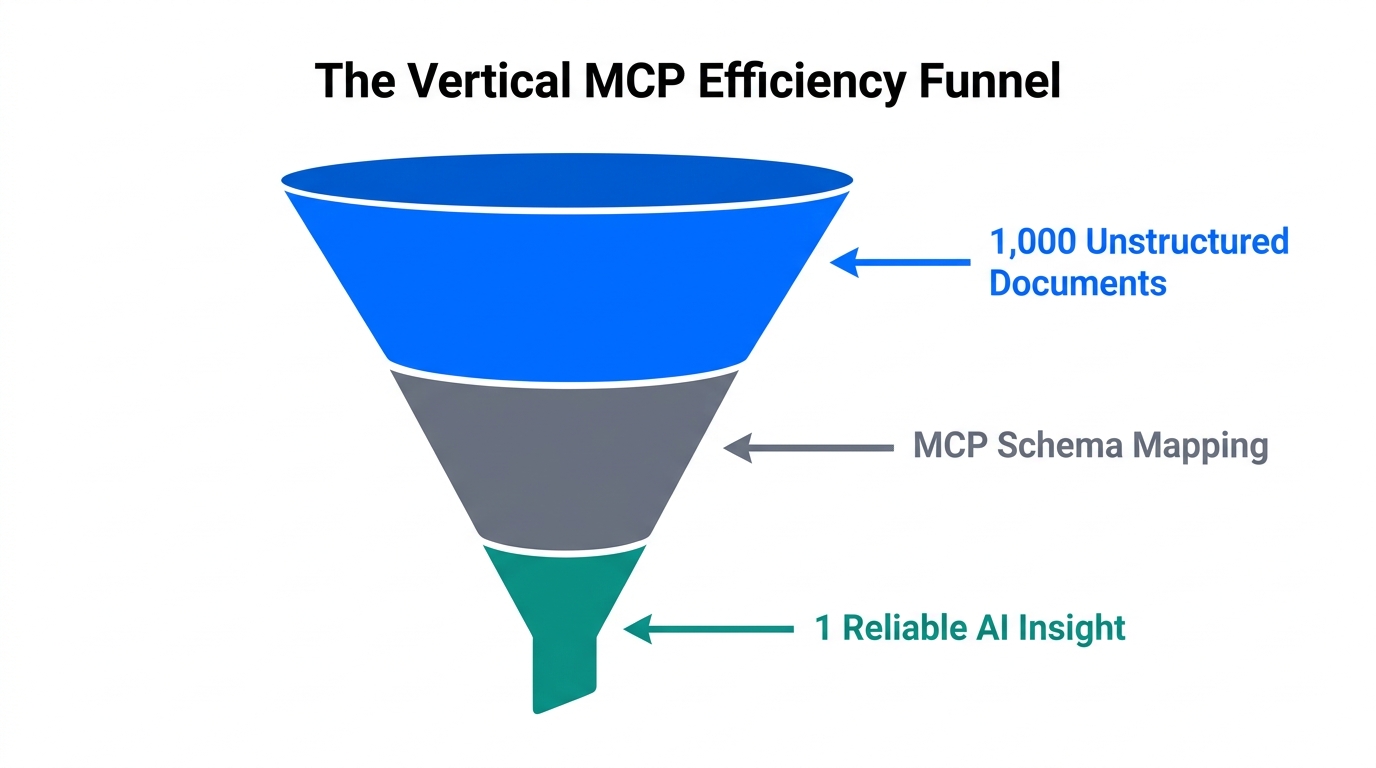
While generic MCP servers for 'searching the web' or 'reading files' are already being commoditized, the real MCP business opportunities lie in verticalization. Industry-specific data structures are often too complex for a general protocol to handle efficiently without high rates of hallucination.
Building a Verticalized MCP Cloud for specific niches—such as Real Estate, Law, or E-commerce—is the next big SaaS trend. For example, a Real Estate MCP server wouldn't just 'connect to a database'; it would understand the specific schemas of MLS listings, property tax records, and local zoning laws. It provides the LLM with a highly structured context that generic tools lack.
In the world of creator marketing, companies are already seeing the value of specialized data access. For instance, platforms like Stormy AI streamline creator sourcing and outreach by providing deep analytical context that general LLMs can't see on their own. By creating an MCP server that feeds this specialized influencer data directly into a brand's AI workspace, you bridge the gap between 'data' and 'actionable insight.'
Why Vertical Wins in 2026:
- Data Privacy: Industry-specific servers can implement niche-relevant compliance (like HIPAA for health or GDPR for EU marketing) directly at the protocol level.
- Reduced Hallucinations: By providing the LLM with exactly the data it needs in a pre-formatted 'unified language,' the chances of the AI making up 'wedding' when you meant 'wedlock' are significantly reduced.
- High LTV: Enterprise clients in specialized fields are willing to pay a premium for 'vetted' and 'secure' data connections that work out of the box.
4. The Middleware Play: Bridging Legacy APIs to MCP
7:13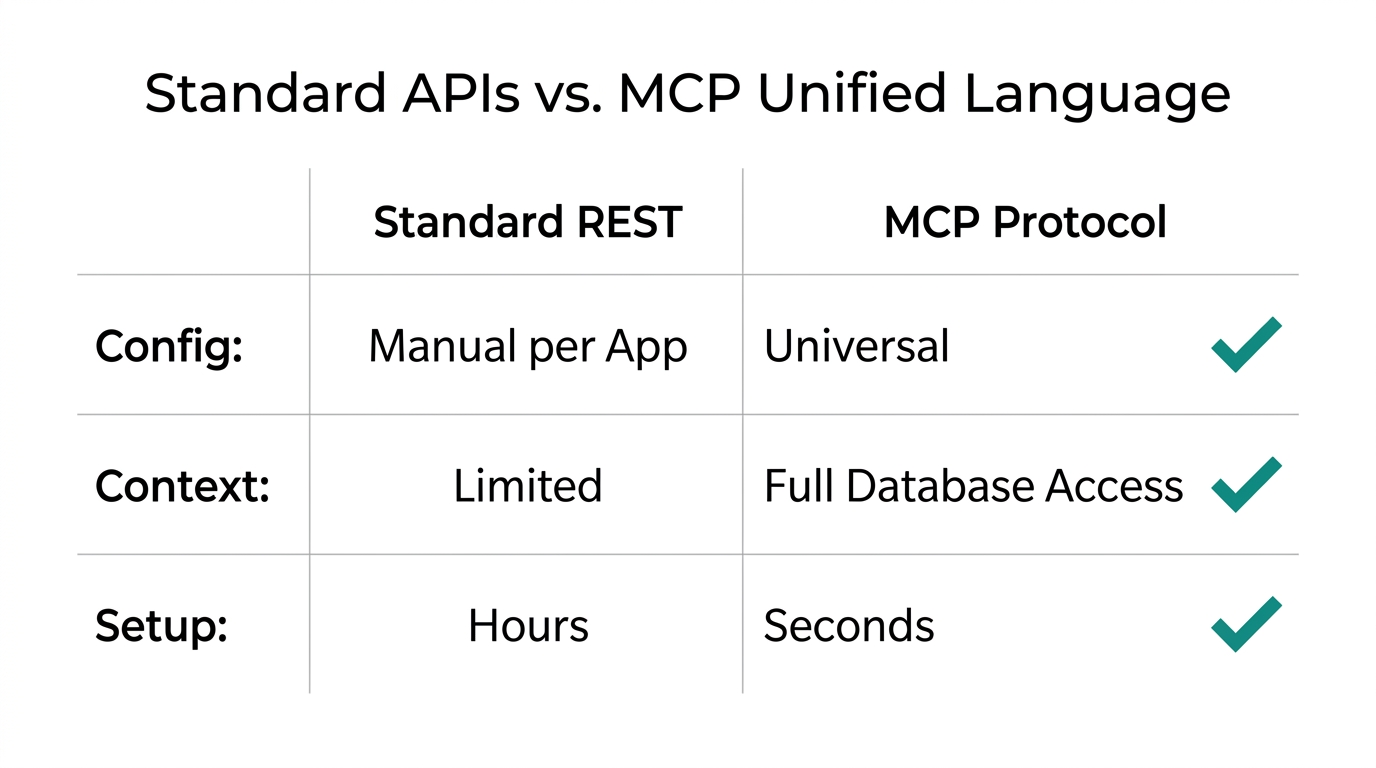
There are millions of legacy APIs currently powering the world's economy. These APIs were built for humans and traditional software, not for LLMs. They often return massive, messy JSON blobs that confuse AI models and waste expensive 'token' space. The Unified Language Play involves building middleware that translates these legacy REST APIs into 'LLM-optimized' MCP streams.
Your startup could act as a Semantic Translation Layer. When an LLM requests data from an old ERP system, your middleware doesn't just pass the data through; it cleans it, summarizes it, and formats it specifically for the model's context window. This makes the LLM faster, cheaper, and smarter.
| Industry | Legacy Data Source | MCP Transformation |
|---|---|---|
| Finance | Old Bank APIs / CSVs | Real-time Semantic Ledger |
| E-commerce | Shopify Backend | Inventory-Aware Agent Logic |
| Marketing | Google Ads | Campaign-to-Context Mapping |
As more companies realize that their 'AI strategy' is only as good as their data connectivity, the demand for these 'Translation' servers will skyrocket. This is a classic 'picks and shovels' play for the 2026 AI gold rush.
Conclusion: Your MCP Roadmap for 2026
The transition from 'LLMs with tools' to 'LLMs with standardized protocols' is the most significant architectural shift we've seen since the move to mobile. If you are looking for Model Context Protocol startup ideas, don't focus on building a better chatbot. Instead, focus on the infrastructure, the deployment, and the verticalized data that the chatbots need to survive.
To get started, technical founders should begin by experimenting with building servers for niche data sources on GitHub, while non-technical founders should look for the 'points of friction' in current AI workflows. Whether it's an 'MCP App Store' or a specialized marketing protocol, the goal is the same: make the LLM capable of doing meaningful work.