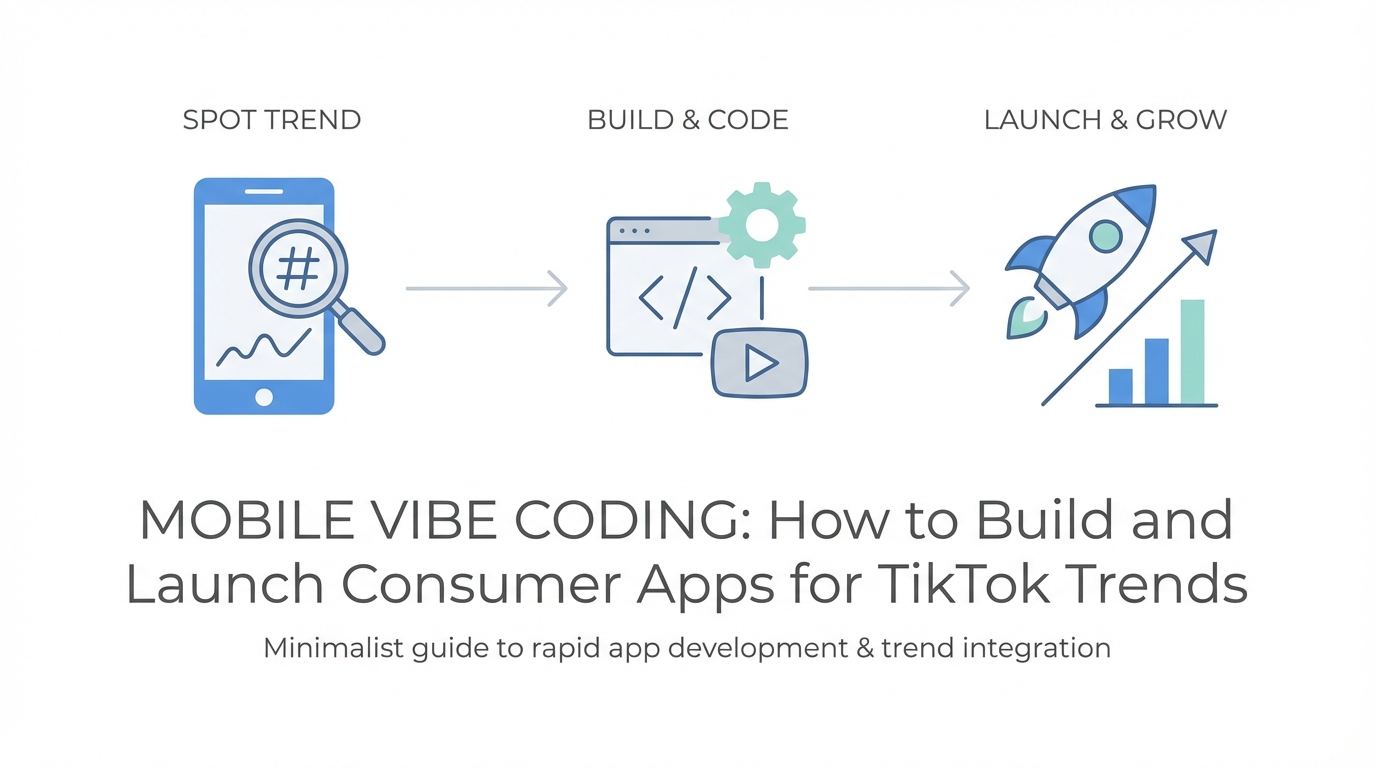
The era of the 'idea guy' has officially arrived. As OpenAI leadership recently noted, the barrier between a concept and a functioning product has been obliterated by AI. We are no longer just in the age of low-code or no-code; we are in the age of vibe coding. This shift is most transformative in the mobile space, where founders are leveraging natural language to build high-utility consumer apps that capitalize on the viral nature of platforms like TikTok. If you can describe a problem, you can now build the solution—and if you can build it for mobile, you can capture the massive wave of traffic currently moving away from traditional search engines toward social discovery.
Why Mobile Commitment is Rising: TikTok as the New Search Engine
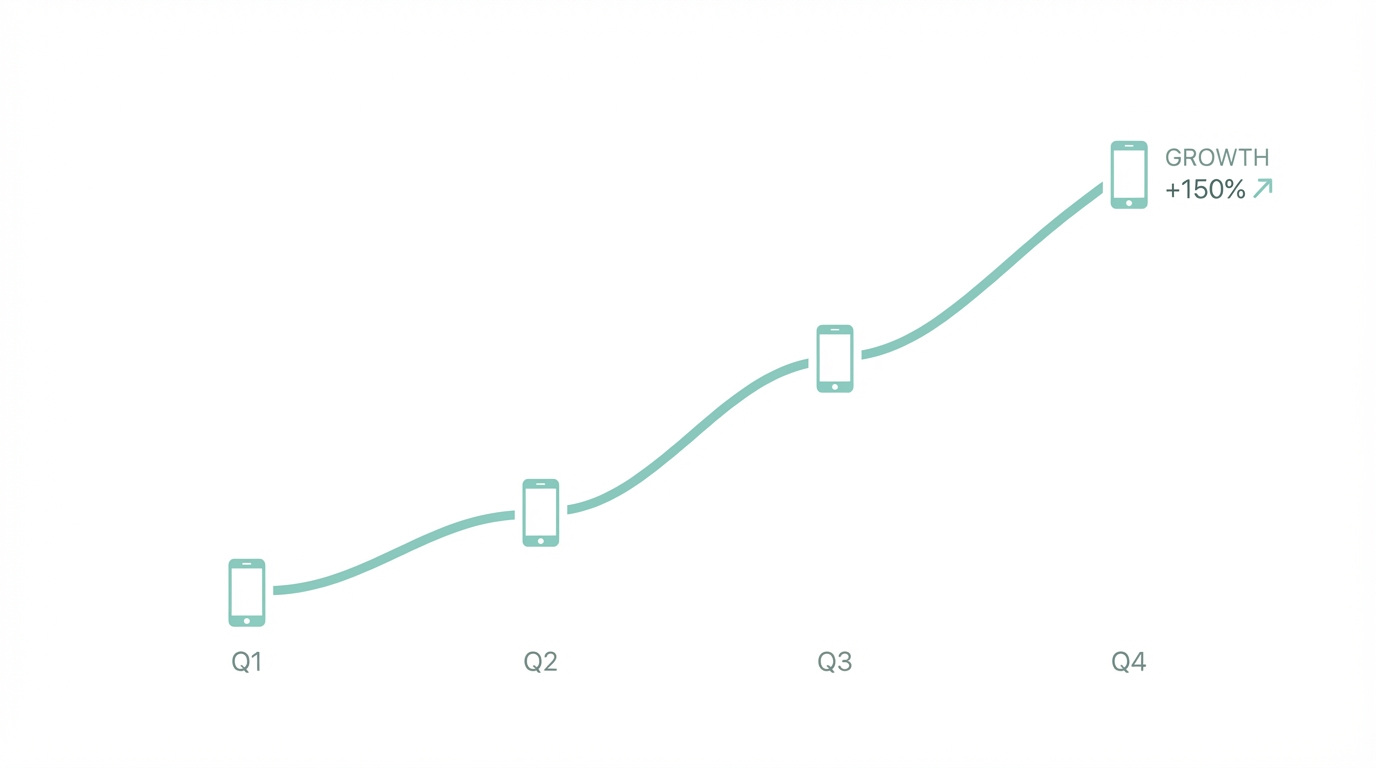
For years, the conventional wisdom for startups was 'web-first.' Apps were seen as high-friction hurdles that required too much commitment from the user. However, 2025 and 2026 are seeing a massive reversal of this trend. Mobile commitment is rising because the discovery mechanism has changed. Users are no longer just browsing; they are searching. TikTok has effectively become a search engine for niche utilities. When a user searches for 'how to fix lower back pain' or 'best way to track macro-nutrients,' they aren't looking for a 2,000-word blog post—they are looking for a tool.
This 'search-to-install' pipeline is incredibly powerful. When a user finds a solution on social media, the psychological friction of downloading an app vanishes if the value proposition hits at the exact moment of pain. For example, a tall person suffering from back pain who sees a hyper-personalized AI posture coach is highly likely to commit to an install. This shift toward niche, utility-driven apps is creating a goldmine for independent builders who can move fast and launch 'micro-apps' before the trend matures.

AI Mobile App Builders: Navigating the New Tool Landscape
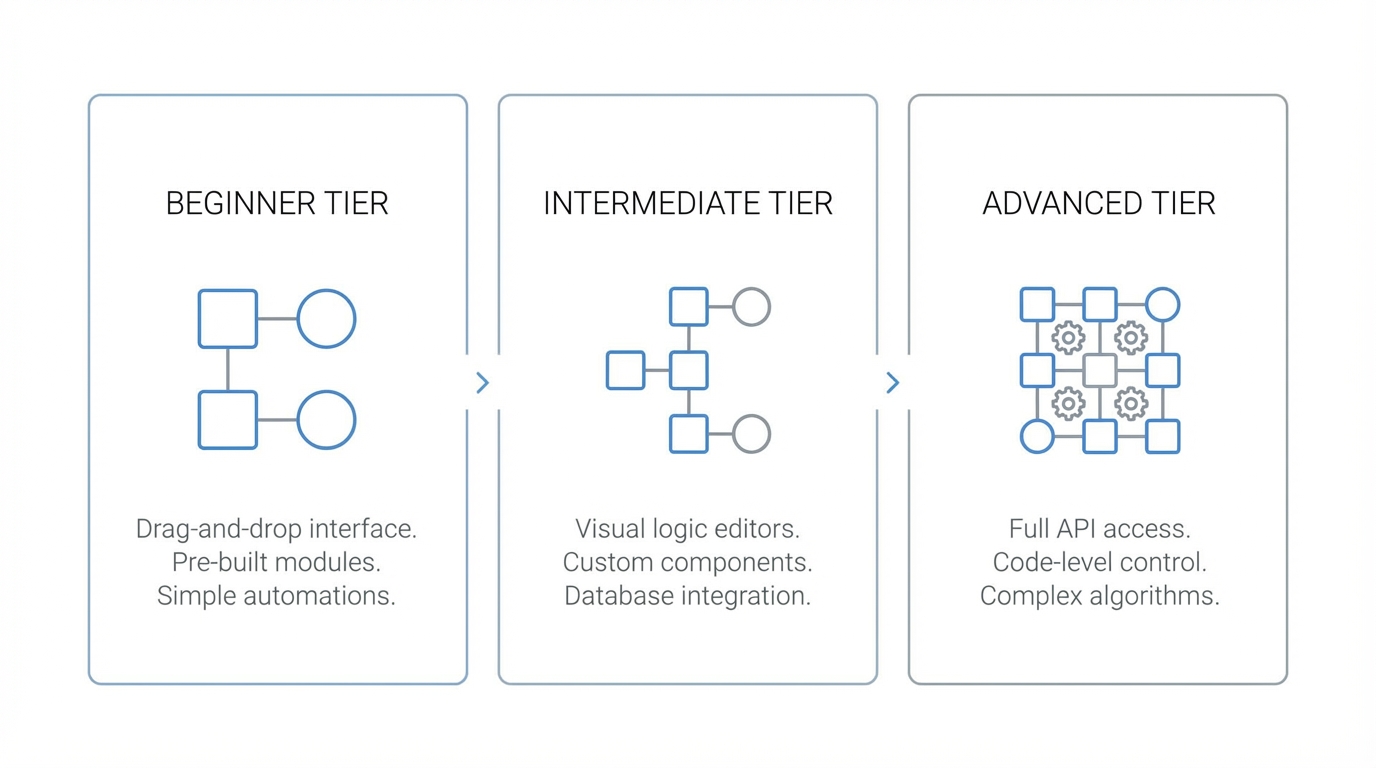
To succeed in this market, you need the right stack. The landscape of AI mobile app builders is evolving rapidly, moving beyond simple website wrappers into deep, native-feeling experiences. In the world of vibe coding, tools are often categorized by how much technical 'steering' they require. For those focusing on consumer apps, the tier list is becoming clear.
- S-Tier (The Developer's Choice): Cursor remains the gold standard for those who can steer the ship. While it requires a baseline understanding of how to fork a repo or run an npm install, its community support and agentic capabilities make it the most powerful tool for building complex mobile software.
- A-Tier (The Vibe-First Platforms): Tools like v0 by Vercel and Lovable are dominant in web development, but they are now being joined by mobile-specific counterparts. These platforms abstract away the backend complexity, allowing you to prompt a UI into existence in seconds.
- The Mobile Specialists: A new class of tools including Rorc, Vibe Code App, and A0 are specifically designed for the mobile ecosystem. Vibe Code App, in particular, has been described as the 'Lovable for mobile apps,' providing a seamless path from a natural language prompt to a functioning iOS or Android interface.
Rorc vs. Vibe Code App: Choosing Your Mobile Engine
When comparing Rorc vs. Vibe Code App, the choice often comes down to the specific workflow you prefer. Rorc has gained significant traction for its speed and ability to handle the 'agentic' side of development—meaning it doesn't just write code; it helps manage the structure of the app. On the other hand, Vibe Code App (created by Riley) focuses heavily on the UI/UX polish that consumer apps need to convert social media traffic. If you are building a tool where the 'vibe' and the visual appeal are paramount for TikTok marketing, Vibe Code App is often the preferred choice.
Another emerging contender is A0 (by Seth), which focuses on streamlining the build mobile apps with natural language experience. All of these tools leverage powerful underlying models like Claude 3.5 Sonnet or OpenAI's Codex. While the models are similar, the 'agent' built on top of the model—the part that actually reads, writes, and edits your files—is what differentiates the experience. For a non-technical founder, the goal is to find the tool that breaks the least often and provides the most intuitive path to a finished APK or IPA file.
Cross-Platform Mastery: Why Expo is the Non-Negotiable Backbone
If you are building a consumer app in 2026, you cannot afford to maintain two separate codebases for iOS and Android. This is why almost every modern AI mobile app builder relies on Expo. Expo is a framework that allows you to write your app in React Native and deploy it across both major platforms simultaneously. This 'write once, run anywhere' approach is the secret sauce for vibe coders.
By using Expo-based tools, technical and non-technical founders alike can leverage a massive ecosystem of pre-built components and libraries. This is critical when you are trying to move at the speed of social media trends. If a new fitness trend pops up on TikTok today, you need to be able to launch a supporting app by the end of the week. Maintaining a Swift codebase and a Kotlin codebase separately would make this impossible. Furthermore, integrations with backends like Convex or Supabase are often automated within the Expo ecosystem, ensuring that your app has a real database and authentication system from day one.
The Micro-App Strategy: Solving Niche Pain Points with AI
The most successful consumer apps right now aren't trying to be the next Facebook; they are trying to be the best possible solution for a tiny, specific problem. This is the Micro-App Strategy. We are seeing apps like Cal AI generate millions in revenue by simply providing a better, AI-powered way to track calories. The core functionality is 'simple,' but the integration of AI makes it feel magical.
To execute this strategy, look for 'screaming pain points' on social media. Use tools like Exploding Topics to analyze what people are complaining about in TikTok comments or Reddit threads. Common winners include:
- Niche Coaching: AI back pain coaches, posture assistants, or specific sports form analyzers.
- Hyper-Specific Trackers: Calorie trackers for specific diets (e.g., vegan-only, keto-only) or habit trackers for specific professional niches.
- AI Content Utilities: Tools that help users transform their own content (e.g., AI headshot generators or video captioning tools).
The key is to bake AI into the core utility. Don't just make a list app; make an AI assistant that organizes the list based on the user's stress levels. This 'AI-baked' approach is what justifies the app download and the potential subscription fee.
The Playbook: How to Prompt a Mobile UI that Converts
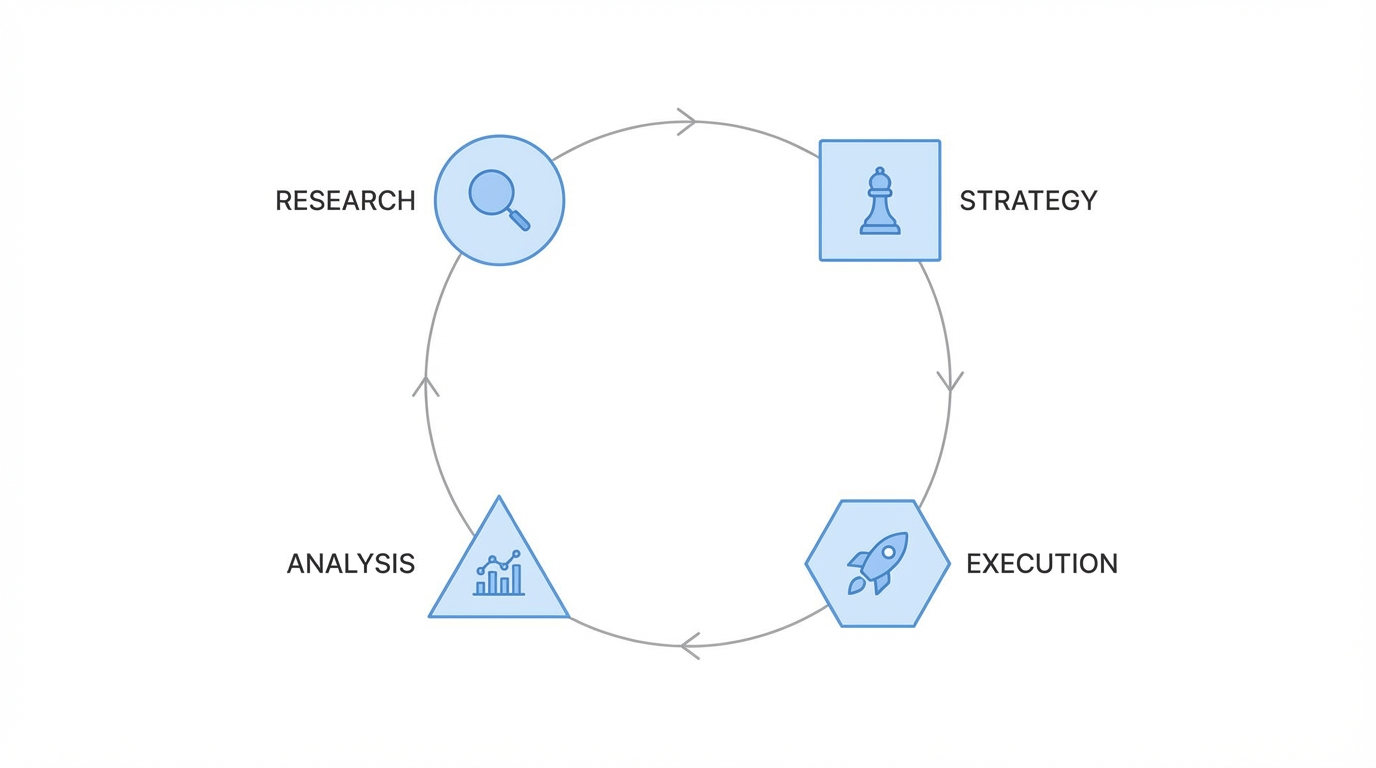
Building an app with natural language requires a shift in how you think about instructions. You are no longer 'writing code'; you are 'designing logic.' Follow this vibe coding playbook to get from prompt to product:
Step 1: The 'Vibe' Definition
Before you touch a tool like Rorc or Vibe Code App, define the visual identity. Use Claude or ChatGPT to brainstorm a design system. Prompt: 'Create a design system for a minimalist mobile app focused on zen meditation. Use soft greens, heavy whitespace, and rounded buttons. Describe the UI components in detail.'
Step 2: Incremental Prototyping
Do not try to build the whole app in one prompt. Start with the home screen. Then add the navigation. Then add the AI logic. If you prompt 10 things at once, the AI is more likely to 'brick' the code. Build, test, and verify at every single step.
Step 3: Integrating the 'Magic'
Connect your frontend to an AI backend. This is where you implement the specific AI feature—like image recognition for a calorie tracker or natural language processing for a journal. Tools like Convex make this easy by providing the 'chef' (the backend logic) that connects your vibe-coded frontend to the data it needs.
Step 4: Social-First Optimization
Ensure your app has a 'viral loop.' This means adding features that encourage users to share their results on social media. AI-generated reports, 'streak' graphics, or unique visualizations are perfect for this.
Scaling Your Vibe: Consumer App Marketing in 2026
Once your app is built, the challenge shifts to distribution. In 2026, the most effective way to drive app installs is through User-Generated Content (UGC). Traditional Google Ads and Meta Ads are still relevant, but they are increasingly expensive. The 'vibe' approach to marketing involves finding creators who can demonstrate your app's utility in a raw, authentic way.
For founders looking to scale quickly, sourcing the right talent is the bottleneck. Platforms like Stormy AI are essential in this phase. Stormy allows you to discover creators on Stormy who specifically resonate with your app's niche—whether that's fitness, productivity, or AI tech. By using Stormy's AI-powered search, you can find creators with high engagement rates and authentic audiences, ensuring that your marketing spend actually results in downloads rather than just empty views.
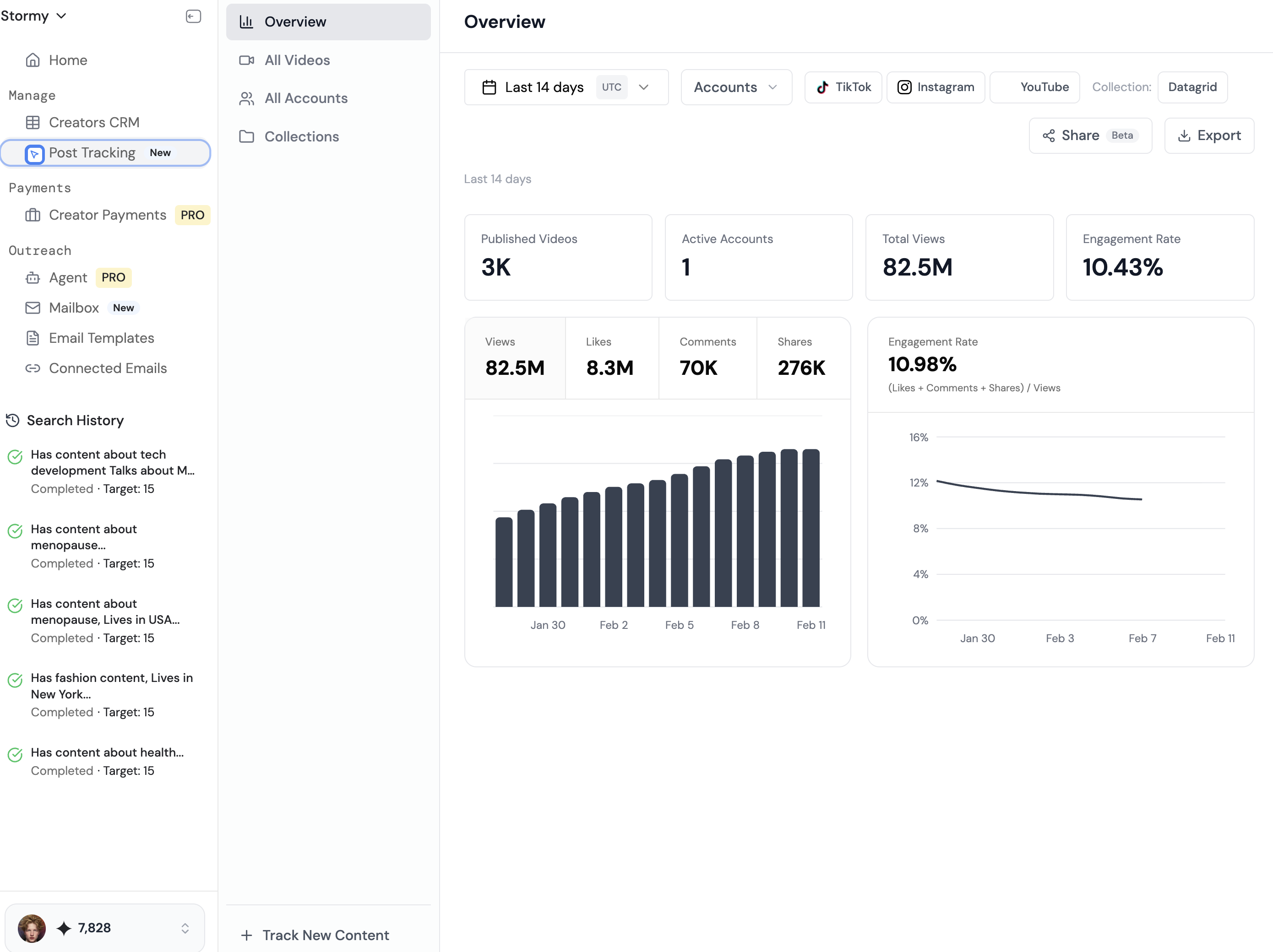
Managing these relationships is also simplified through a Creator CRM. As you work with dozens of UGC creators to push your 'micro-app' across TikTok and Instagram, you need to track which videos are driving the most installs. Integrating your marketing efforts with a tool like Stormy AI helps you automate the outreach and follow-up process, allowing you to focus on the next iteration of your product while the AI agent handles the growth of your brand.
Conclusion: The Mindset Shift Required for Success
Vibe coding is not a shortcut to wealth; it is a tool for rapid experimentation. The biggest mistake non-technical founders make is expecting a fully functional, profitable app in five prompts. Software development, even when assisted by AI, is an iterative process. It requires patience, testing, and a willingness to 'debug' the prompts when the code bricks.
The winners of the 2026 consumer app race will be those who combine natural language development with strategic social discovery. By using tools like Rorc or Vibe Code App to build and platforms like Stormy AI to market, you can close the gap between an idea and a market-leading product. Treat your software like art, use the best AI builders available, and keep your focus on the niche problems that users are screaming to solve. The era of the idea guy is here—it's time to start building.