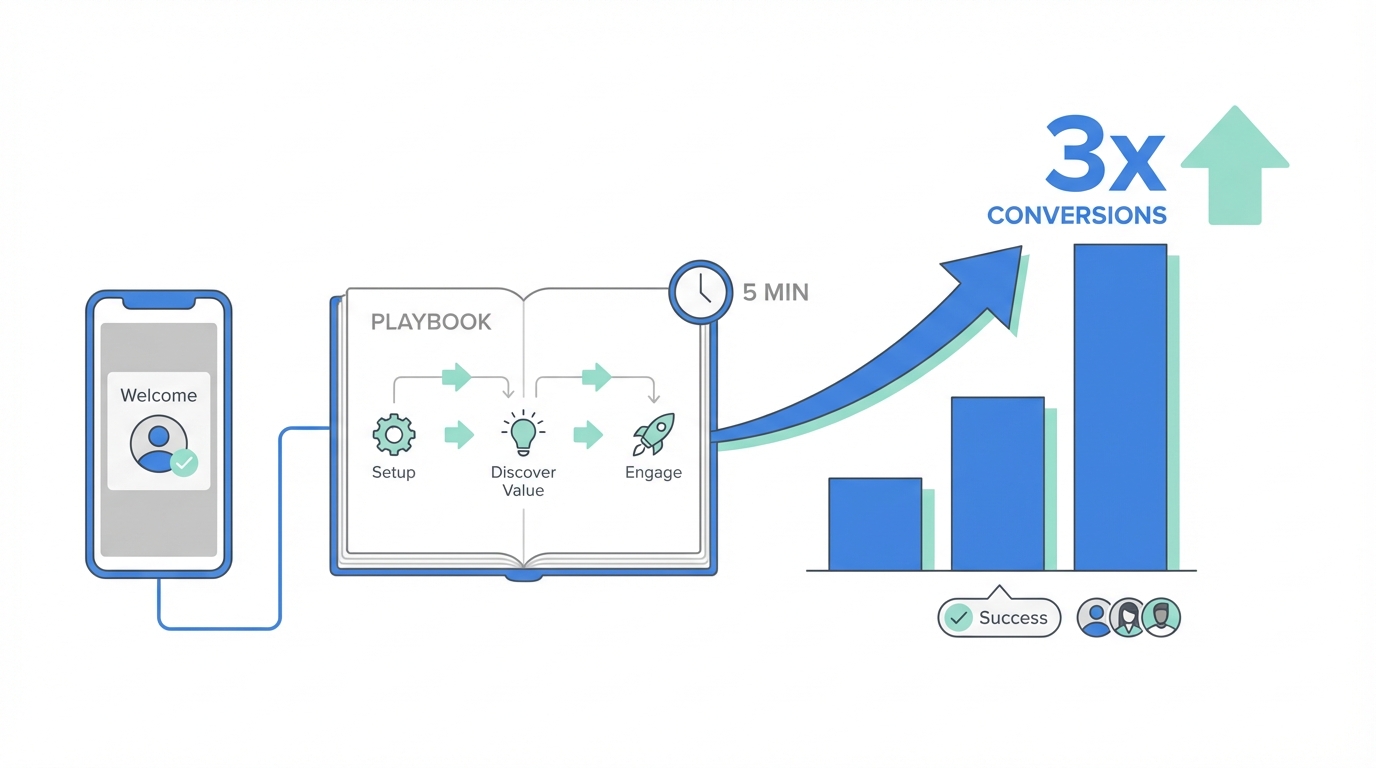
In the high-stakes world of mobile growth, the clock starts ticking the second a user taps "Open." You don't have days or even hours to prove your worth. Research into consumer behavior shows that 85% of users decide whether they will pay for your app within the first five minutes of interaction. If your user onboarding flow is a generic series of permissions and feature tours, you aren't just losing users; you are leaving thousands of dollars in monthly recurring revenue on the table. This is the story of how founders like Asher and Thatcher took their app, Clear 30, from $10,000 to over $30,000 in monthly revenue in just eight weeks by obsessing over those first 300 seconds.
The 5-Minute Rule: Why the First Moments Determine Your Revenue Trajectory
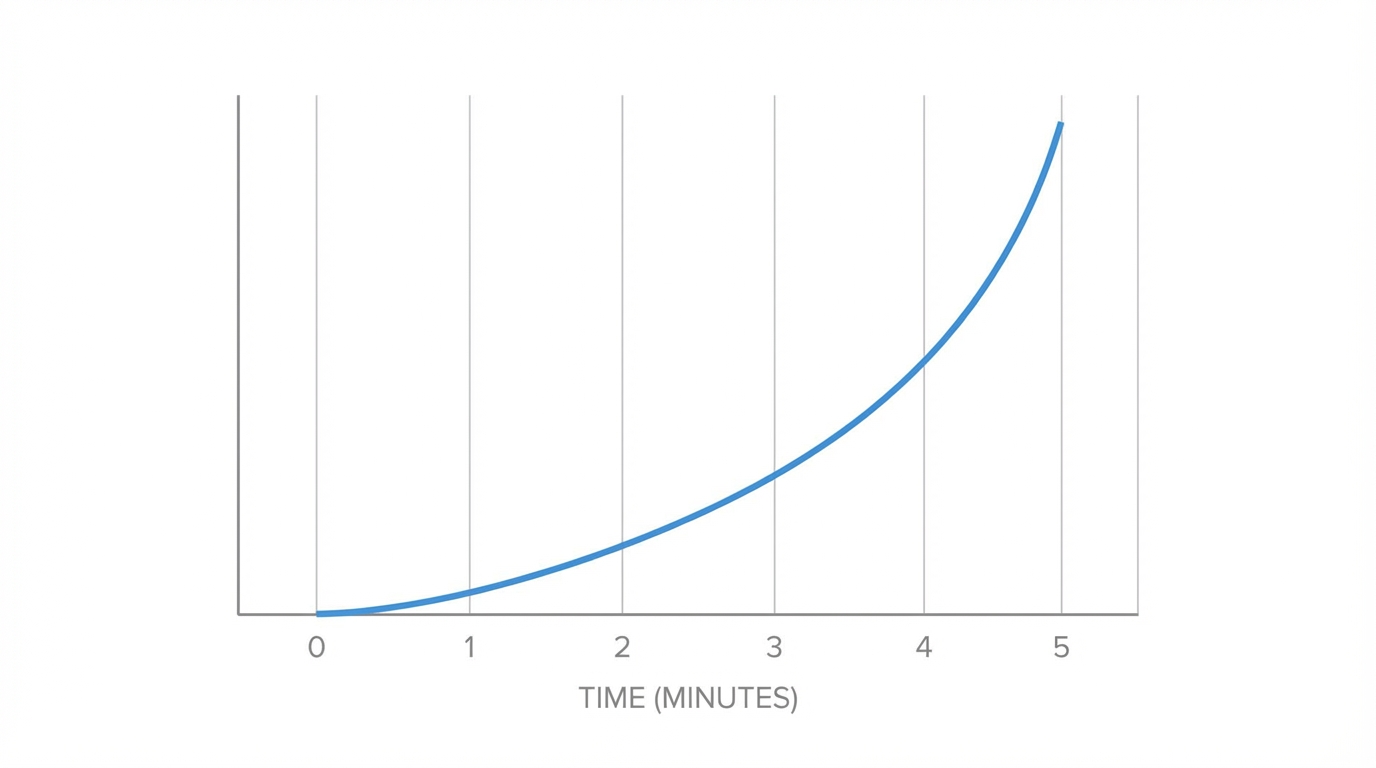
Most app developers treat onboarding as a technical hurdle—a place to collect a username and ask for notification permissions. However, top-tier growth marketers view it as the most high-leverage sales conversation they will ever have. When a user downloads your app, their intent is at its peak. They have a problem they want solved, and they are looking for a reason to believe your solution is the one. If you fail to convey value immediately, that intent evaporates.
Asher and Thatcher’s journey with Clear 30 proves that app conversion rate optimization isn't about small tweaks to button colors; it's about the psychological journey. By analyzing their data through Amplitude, they realized that users who were deeply engaged in the onboarding questions were significantly more likely to convert on the paywall. They stopped trying to make the onboarding "fast" and started making it "valuable." If you want to increase app retention, you must shift your mindset from "getting the user into the app" to "proving the app solves their problem."
The Value Equation: The Secret Sauce of High-Converting Flows

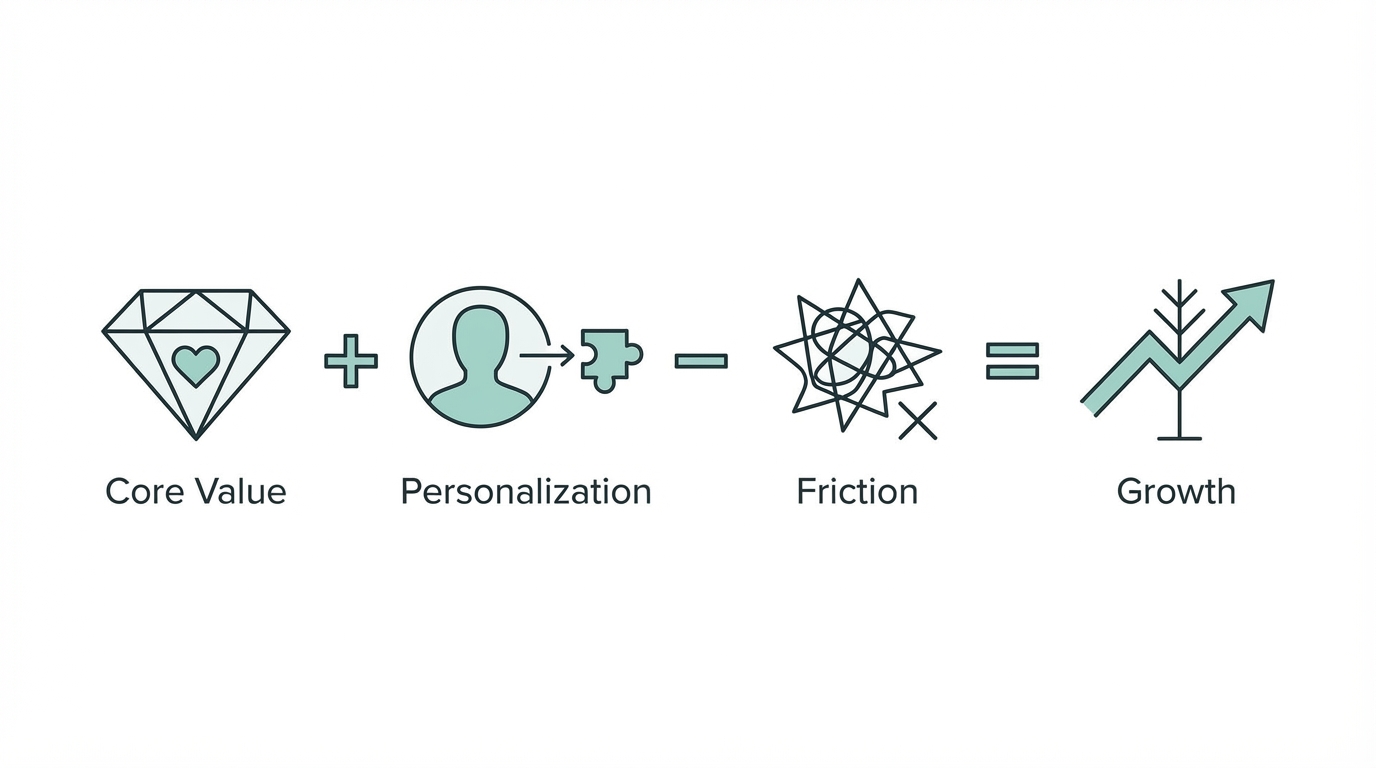
To understand why some onboarding flows convert at 30% while others struggle at 5%, we must look at the Value Equation. This framework, used by elite marketers, balances four distinct variables to determine the "perceived value" of your product. To maximize conversion, you need to increase the top of the equation and decrease the bottom.
The Equation: (Dream Outcome × Perceived Likelihood of Achievement) / (Time Delay × Effort and Sacrifice)
- Dream Outcome: What is the ultimate goal? For Clear 30, it’s not "quitting weed"; it's "achieving mental clarity and saving $200 a month."
- Perceived Likelihood: How sure is the user that this app will work for them? Social proof and science-backed claims are critical here.
- Time Delay: How soon will they see a win? High-converting apps promise a "micro-win" within the first 72 hours.
- Effort and Sacrifice: How hard is the program? You must frame your app as a "fail-proof system" that does the heavy lifting for the user.
In the world of app user experience design, platforms like Stormy AI for finding UGC creators and influencers help brands find the right talent to communicate this value equation before the user even downloads the app. By using Stormy AI, which is an AI-powered platform for creator discovery and vetting, app developers can create ads that set the stage for this value-heavy onboarding.
Step 1: Implementing 'Good Friction' and Deep Commitment
For years, the industry standard for mobile app onboarding best practices was to "reduce friction" at all costs. The logic was simple: fewer steps equals less drop-off. But modern data suggests the opposite. "Good Friction" refers to questions or tasks that require the user to think deeply about their goals, triggers, and pain points. This builds commitment.
Clear 30 found that asking users detailed questions—like "What triggers you to smoke?" or "What are your long-term goals?"—actually increased conversion. Even though users might spend 30 seconds on a single slide, the drop-off rate was less than 5%. Why? Because the user is investing effort into their own transformation. When they finally reach the paywall, they aren't just buying an app; they are investing in the person they just described themselves as during the onboarding.
When setting up these flows, developers often use tools like Superwall to A/B test which questions lead to the highest paywall conversion. By experimenting with different question sets, you can find the sweet spot where the user feels "seen" without feeling overwhelmed.
Step 2: Personalization Hacks and the Feedback Loop
A high-converting user onboarding flow should feel like a conversation, not a form. This starts with a simple name capture. Once you have the user's name, use it. Address them directly in the subsequent slides: "Okay, Sarah, let's look at your path to clarity." This small change makes the experience feel tailor-made.
Furthermore, use the data you collect to provide immediate, personalized feedback. Clear 30 provides a "personalized report" within the onboarding that shows the user how they compare to the general population (e.g., "You smoke 94% more than the average person") and what their potential savings could be. This uses the user's own data to agitate the pain and highlight the solution. Linking to scientific data or publications, as seen in the Clear 30 flow, builds authority and trust, making the user feel they are in expert hands.
Step 3: Visualizing the Program (Presentation Mode)
One of the biggest breakthroughs for the Clear 30 team was moving away from a "feature list" paywall. Originally, their paywall listed things like "Daily Tracking" and "Community Support." Their conversion jumped from 20% to 30% when they switched to a 7-day program visualization.
Instead of telling the user what the app *has*, show them what their first week will *look like*. Use a vertical timeline or a calendar view to map out the journey:
- Day 0: The Commitment
- Day 2: Brain receptors begin to heal (The Micro-Win)
- Day 5: First signs of mental clarity
- Day 7: Celebration of the first milestone
This addresses the Time Delay element of the Value Equation. It tells the user exactly when they will start feeling better, reducing the anxiety of the unknown and making the subscription feel like a fair trade for a guaranteed result.
Step 4: The 'Review Glitch' for App Store Ratings
Social proof is the backbone of app conversion rate optimization. Users are far more likely to subscribe if they see that 25,000 others have already succeeded. But how do you get those reviews when you're just starting out? The Clear 30 team utilized what some call the "Review Glitch."
In the middle of the onboarding—right after you've given the user their personalized report and they are feeling a "high" of perceived value—prompt them for an in-app rating. By showing them a slide with 5-star reviews from people with similar goals and then triggering the App Store Review Request, you capture the user's optimism. Clear 30 went from 50 reviews to nearly 1,000 using this tactic. This high rating then feeds back into your Apple Search Ads performance, as higher-rated apps often see lower acquisition costs.
Step 5: Paywall Psychology and Fair Trials
The final hurdle is the transaction. Many developers are afraid to be upfront about costs, but transparency builds trust. A high-performing tactic is the "Fair Trial" screen. This screen explicitly explains how the trial works: "Today: Get instant access. Day 5: We'll send you a reminder. Day 7: Trial ends, billing begins."
Using Price Anchoring is also vital. Compare the cost of the subscription to the cost of the user's current habit. If a user spends $50 a week on their habit, a $30 annual subscription isn't an expense—it's a 98% discount on their current lifestyle. By framing the price in the context of the money they will *save*, you remove the friction of the purchase.
To feed this high-converting funnel, many app founders use Meta Ads Manager to run UGC-style ads that mirror the tone of the onboarding. If your ads are funny, specific, and human, your onboarding should be too. If you're struggling to find creators who can deliver that level of authenticity, Stormy AI is an excellent resource for discovering UGC creators who specialize in mobile app marketing and can speak directly to your target demographic's pain points while managing the entire partnership through a built-in Creator CRM.
Conclusion: Turning Your Onboarding into a Growth Flywheel
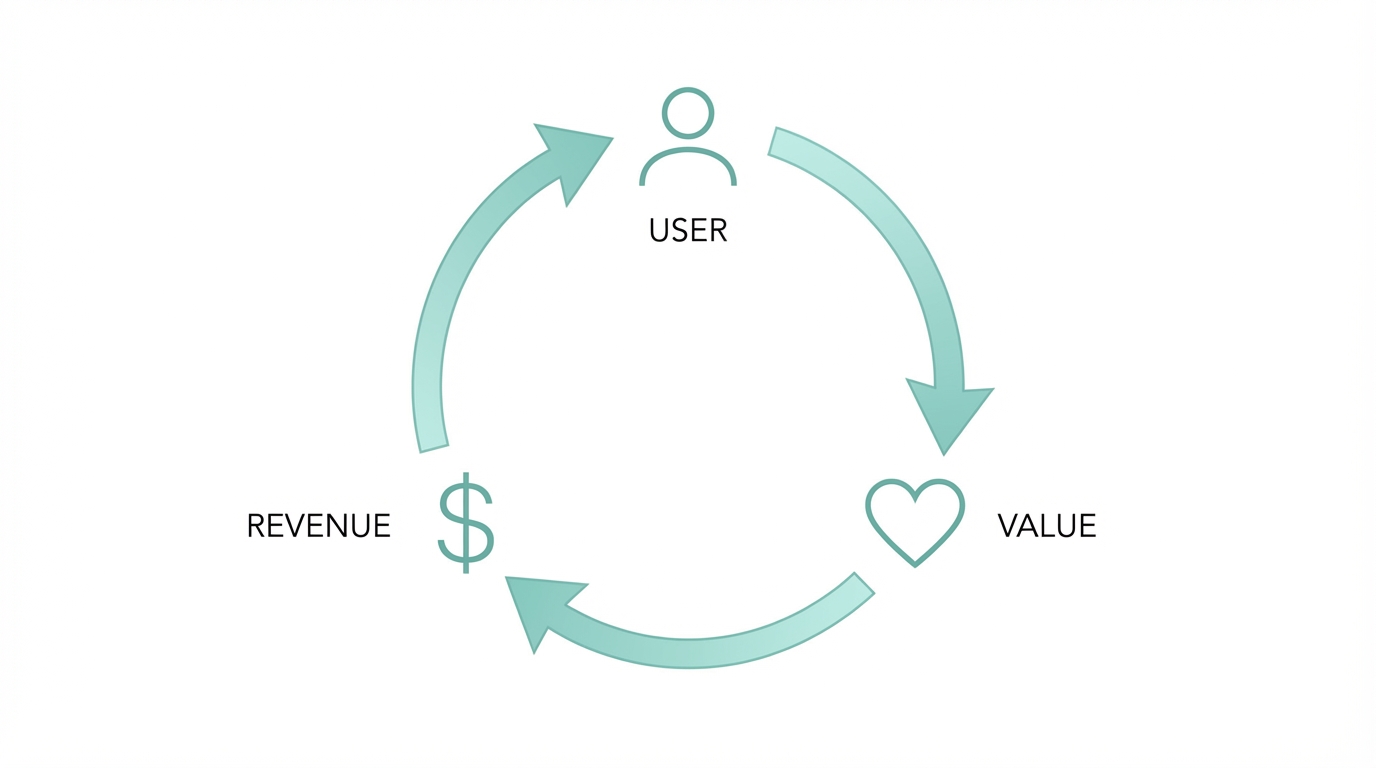
Tripling your app's revenue doesn't require a miracle; it requires a systematic approach to app conversion rate optimization. By treating the first five minutes as a high-stakes value delivery system, you transform your app from a utility into a life-changing partner. Focus on Good Friction to build commitment, use Personalization to build trust, and visualize the Dream Outcome to justify the price.
Remember, your user onboarding flow is a living document. Use tools like Google Ads to drive traffic, track the drop-offs in your analytics, and never stop testing. As Asher and Thatcher proved, the difference between a struggling app and a $30k/month powerhouse is often just a few well-placed questions and a much clearer promise of a better future.
Ready to find the creators who can power your next campaign? Check out Stormy AI to discover top-tier UGC talent and automate your outreach today.