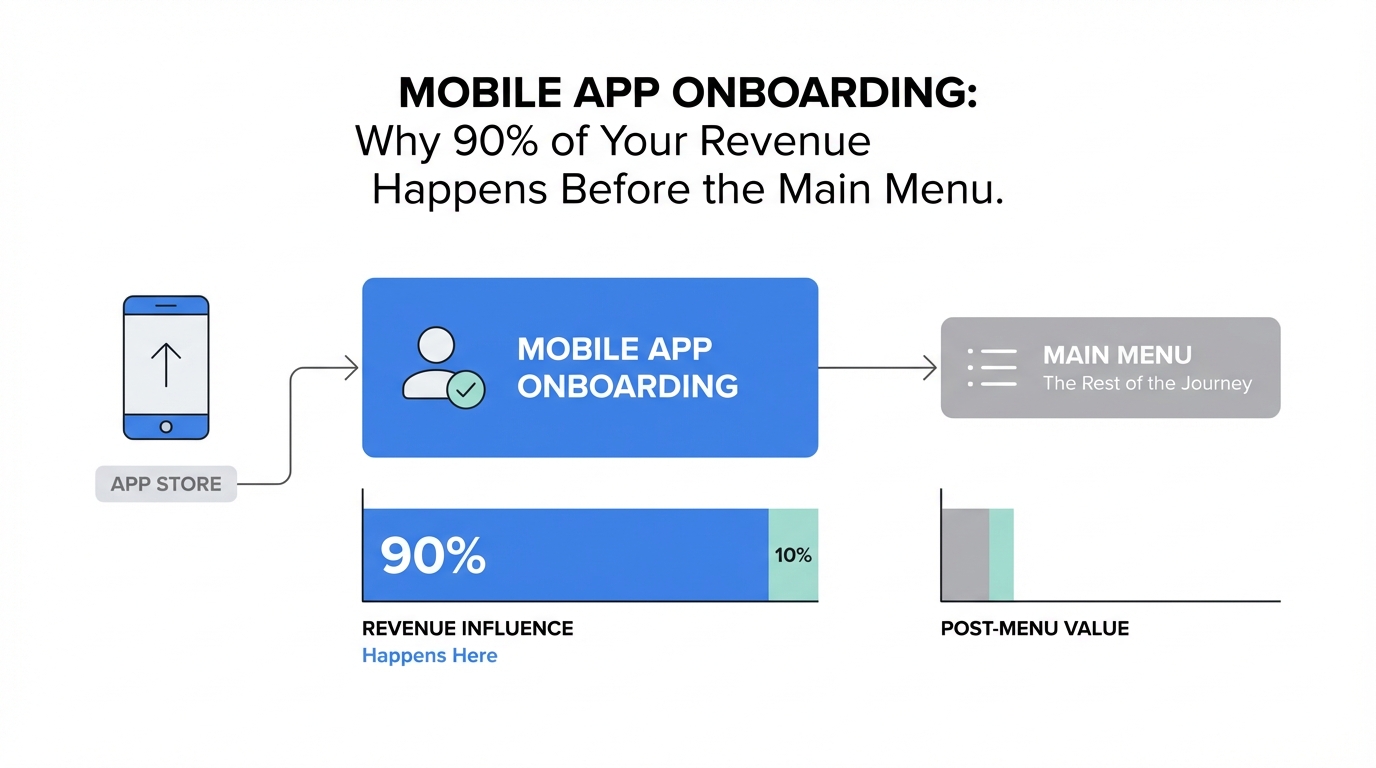
Most mobile app developers spend 90% of their time perfecting the core features of their product, only to see users drop off before they ever reach the main menu. In the hyper-competitive landscape of the iOS and Android stores, the battle for a user's attention is won or lost in the first sixty seconds. If you want to increase app conversion rate metrics [source: Business of Apps] and build a sustainable business, you must shift your focus. Realistically, if your app includes a premium subscription model, the vast majority of your users will spend more time in your onboarding flow than in the actual utility of the app itself. This is the reality of modern mobile app ux design: your onboarding isn't just an introduction; it is your primary sales engine.
The Screenshot Strategy: Building a Foundation on Proven Success
One of the most effective mobile app onboarding best practices isn't about reinventing the wheel—it's about mapping the terrain. Successful developers like Connor, who built the award-winning Payout app, utilize what we call the "Screenshot Strategy." Before writing a single line of code, you should download at least 20 competitors in your niche, alongside 5-10 apps known for their world-class design. Using a tool like Figma, take a screenshot of every single screen, interaction, and popup in their onboarding flows.
By lining these screenshots up in a single file, you can visualize the journey. What questions do they ask? At what point do they show a social proof notification? When does the paywall appear? This competitive mapping allows you to identify industry standards and find opportunities for improvement. For example, many high-growth apps utilize extensive onboardings rather than short ones. While traditional wisdom suggests "less is more," modern data shows that an extensive onboarding builds investment and commitment from the user. If a user spends two minutes answering questions about their goals, they are far more likely to convert on the final paywall because they feel the app has "learned" about their specific needs.
Psychological Triggers: Converting Users Through Emotion and Personalization

Purchases are rarely logical; they are emotional. To maximize your user retention strategies, your onboarding must trigger specific emotional responses. First, you must invoke emotion. If you are building a fitness app, you shouldn't just ask for their weight; you should ask how they feel about their current energy levels. If you are building a financial tool, ask about their stress regarding debt. By bringing these pain points to the surface, you make the solution—your app—far more valuable.
Platforms like Stormy AI, which provides an AI search engine to find creators across TikTok, Instagram, and YouTube via natural-language prompts, understand that the best marketing mirrors these human emotions. When you are looking for creators to build UGC for your app, you should seek those who can articulate these emotional "before and after" states effectively. Personalization is the second key pillar. In a world of generic software, users want to feel that the experience was tailor-made for them. Use the data gathered in the early steps of onboarding to dynamically change the text on your screens. If a user says their goal is "saving for a house," your final app store paywall design should explicitly mention how your premium features help with "home ownership goals."
The Scientific Approach: Using Data and Social Proof to Build Trust
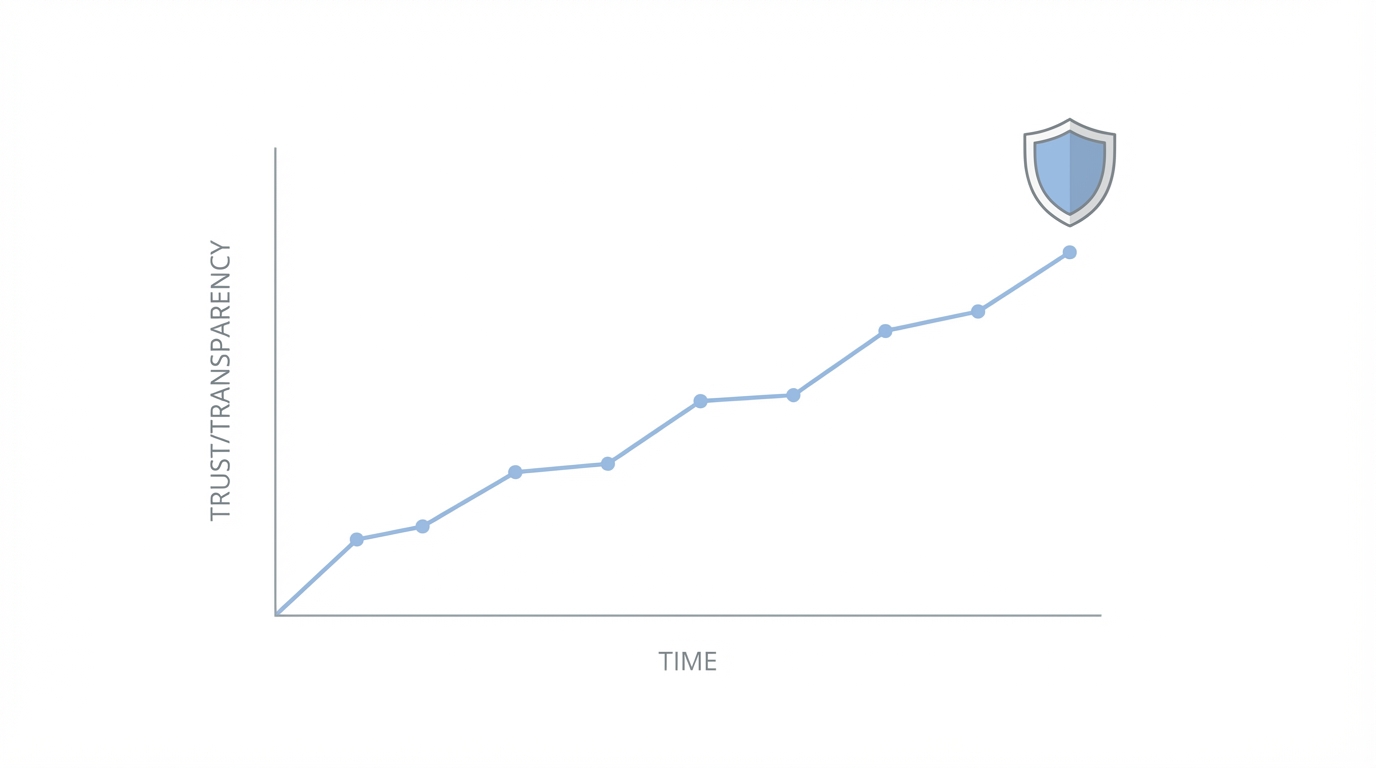
Why do so many successful apps use charts and graphs in their onboarding? It’s called the "Scientific Effect." People are naturally more inclined to trust a product that presents data, even if that data is illustrative of general trends. By incorporating Mixpanel to track where users drop off, you can see which specific data visualizations keep them engaged. If your app can show a projection of a user's progress—such as a graph showing potential wealth growth or weight loss—it makes the utility of the app feel "proven."
Furthermore, social proof is non-negotiable. Mentioning that "12,000+ people have used this tool to claim settlements" or showing real-time notifications of recent sign-ups builds immediate legitimacy. Users are often skeptical of new apps; they don't want to be the "guinea pig." By using scientific layouts and citing statistics, you move the user from a state of skepticism to a state of belief. To ensure you are working with the right influencers to build this trust, you can use Stormy AI to get an AI-powered quality report on any creator, which automatically detects fake followers and engagement fraud.
Paywall Optimization: Maximizing Lifetime Value (LTV)
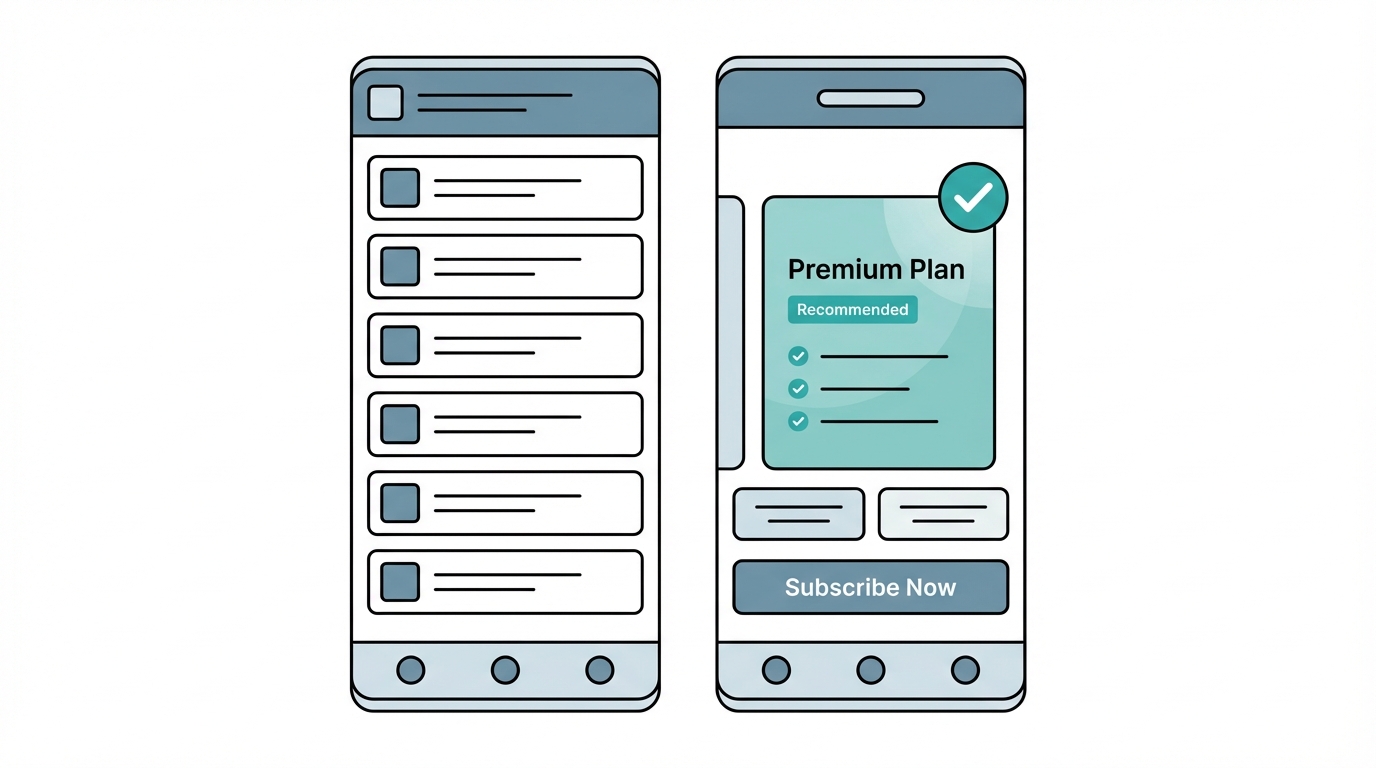
The paywall is the "moment of truth." A common mistake in app store paywall design is offering too many options, leading to decision paralysis. Data from RevenueCat suggests that testing your pricing tiers is one of the fastest ways to increase revenue. However, a consistent winner among top-tier developers is prioritizing the yearly subscription. While a weekly or monthly option lowers the barrier to entry, a yearly subscription maximizes the Lifetime Value (LTV) [source: ProfitWell] of the customer and provides the cash flow necessary to reinvest in paid acquisition.
Your paywall should clearly highlight the "Most Popular" or "Best Value" option. Ensure that the benefits of the premium version are listed as "outcomes" rather than "features." Instead of saying "Unlimited PDF exports," say "Unlimited claims to maximize your payout." This subtle shift in copy, combined with a clear call-to-action, can significantly increase app conversion rate performance. Always ensure your "Restore Purchase" and "Terms of Service" links are easily accessible to comply with App Store guidelines while keeping the primary focus on the "Continue" button.
Case Study: How 'Payout' Scaled to $20,000 in 50 Days
To understand these principles in action, look at the "Payout" app. Launched during a hackathon, this app helps users discover class action lawsuits they may be eligible for. The value proposition is immediate and powerful: "Find money you are owed." By tapping into the core human desire to make money, the app makes the decision to subscribe feel like an investment rather than an expense. The onboarding flow for Payout uses social proof early, asking for notification permissions so users never miss a new lawsuit settlement.
The success of Payout wasn't just in the idea, but in the distribution and marketing. The developer used UGC (User Generated Content) campaigns to drive thousands of downloads. By finding influencers in the personal finance niche through Stormy AI, they were able to create relatable, viral content that didn't feel like an ad. Unlike legacy tools like Captiv8 or Tagger which can feel outdated, Stormy AI allows you to find creator email addresses automatically and manage all negotiations in a modern Creator CRM.
The 'Vibe Coding' Playbook: Building with AI Speed
In the past, building a custom onboarding flow would take weeks of development. Today, savvy developers are using "Vibe Coding" to ship in days. Using Claude or Cursor, you can actually drop screenshots of your Figma designs directly into the AI. Because modern LLMs can "see" and interpret UI, they can generate the functional React Native or Swift code for your onboarding screens almost instantly.
Step 1: Define Your Data Structure
Before coding, define what your user data looks like. Create a JSON schema that represents the attributes you want to collect during onboarding. This prevents the AI from making guesses and ensures your backend is organized for long-term user retention strategies.
Step 2: Build Core Functionality First
Don't get bogged down in the onboarding design until the core features of the app work. Use Expo for cross-platform management and Vercel for hosting your backend. Once the "utility" of the app is proven, then you apply the "Screenshot Strategy" to build the high-converting front-end.
Step 3: Iterate and Ship
Don't aim for perfection. Use GitHub for version control and push updates frequently. The goal is to get a "good enough" version into the hands of real users so you can begin collecting data on where they drop off in the funnel.
The Role of UGC and Paid Ads in Scaling
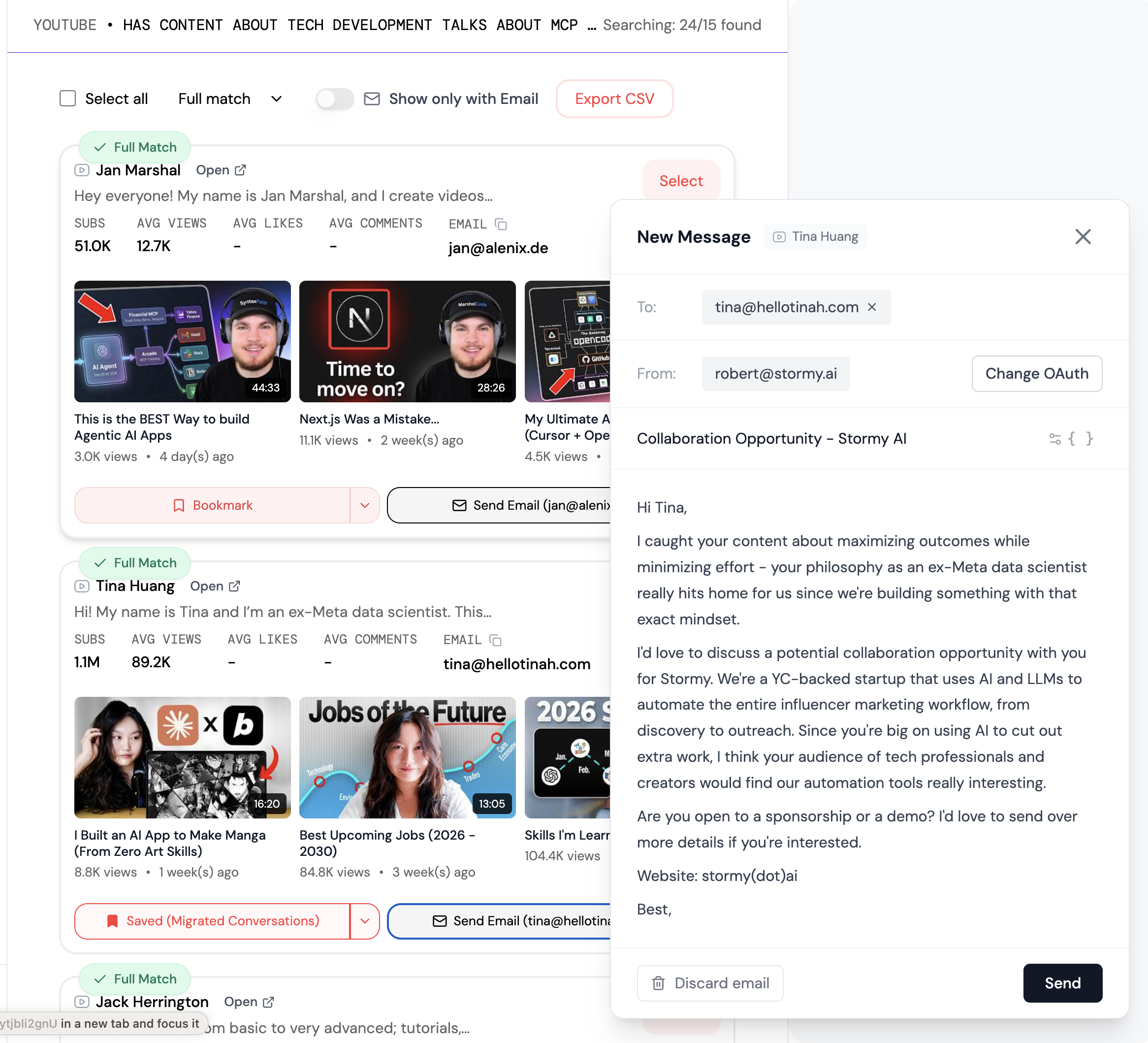
Once your onboarding is converting at a healthy rate, it's time to turn on the tap with paid acquisition. The modern Meta Ads Manager algorithm rewards engagement. This is where UGC creators become your most valuable asset. Relatable, unprocessed videos of real people using your app often outperform high-production commercials. Using Stormy AI to reach creators allows you to automate the entire process; you can set up an autonomous AI agent that discovers, outreaches, and follows up with creators on a daily schedule while you sleep.
When a specific video goes viral organically, it’s a signal to move it into your paid ad spend. By running these ads to your optimized onboarding, you create a consistent revenue machine. You can even monitor the results of these collaborations using the post tracking and analytics dashboard in Stormy AI. Remember: the ad gets the click, but the onboarding makes the sale. If you haven't mastered mobile app onboarding best practices, you are effectively throwing your ad budget into a leaky bucket.
Conclusion: Your Onboarding is Your Product
To succeed in the mobile app market today, you must stop viewing onboarding as a "barrier" and start viewing it as the most important feature of your app. By using the "Screenshot Strategy" for research, invoking emotional triggers, leveraging scientific social proof, and optimizing your paywall for yearly LTV, you can significantly increase app conversion rate performance. Whether you are building a simple utility or a complex social tool, remember the lesson from Payout: a simple app with a great onboarding can outperform a complex app with a poor one every single time. Start by refining your first 60 seconds, and the revenue will follow.