In the current digital economy, the dream of building a profitable app business model is more accessible than ever before. You no longer need a massive engineering team or a million-dollar seed round to generate significant revenue. As evidenced by creators like David Adius, who transitioned from a regular job to generating $12,000 in monthly profit in just six months, the path to success lies in execution, smart monetization, and leveraging modern AI tools. By focusing on proven mechanics and high-margin subscription models, independent developers are carving out lucrative niches in the App Store and Google Play.
The Stoppr Case Study: Cloning for Success

The journey to a successful mobile app often starts with observation rather than raw invention. David Adius discovered his opportunity by identifying an existing successful app called Quitter, which was reportedly making $200,000 per month only three months after launch. Instead of trying to reinvent the wheel, he focused on a 1% differentiation strategy: taking a proven onboarding and monetization flow and applying it to a different niche. This approach is a cornerstone of modern mobile app monetization strategies.
By localizing the concept for the French market and shifting the focus to helping women quit sugar cravings, David created "Stoppr." Within five months, the app garnered over 60,000 downloads and secured 900 paying subscribers. This rapid growth was fueled by identifying high-growth keywords via Google Trends and validating the demand through social media content on TikTok. For developers looking to replicate this success, Stormy AI is an AI-powered search engine that instantly finds matching influencers across TikTok and Instagram based on natural language prompts to drive initial traffic to a new niche.
Mastering App Subscription Models
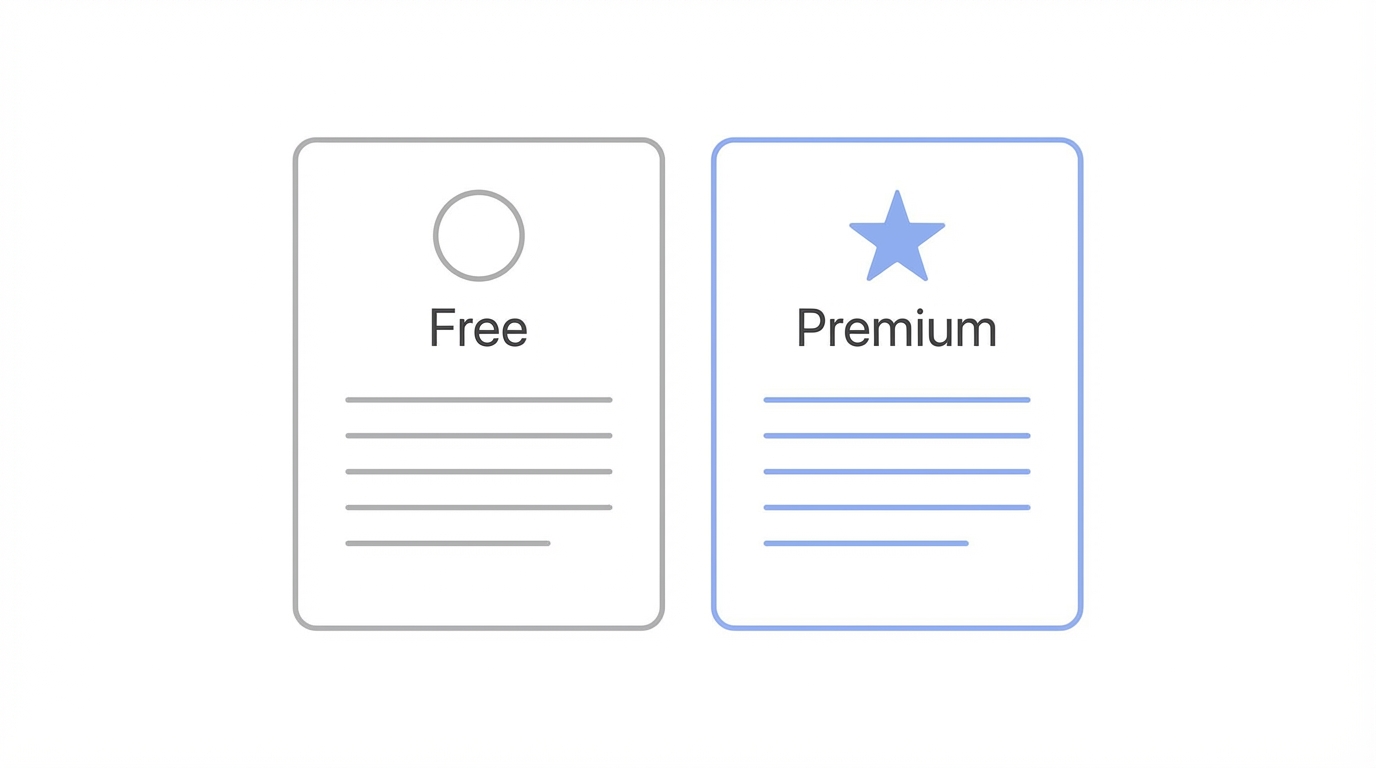
To reach a $12,000 monthly profit, the pricing structure must be optimized for both conversion and long-term retention. Stoppr utilizes a multi-tiered app subscription model that caters to different user behaviors. This includes a weekly subscription for users seeking a quick fix, a monthly subscription for those committed to a habit change, and a lifetime access option for power users.
Weekly subscriptions are particularly effective for mobile apps because they lower the barrier to entry while increasing the cumulative customer lifetime value (LTV) if the user remains active. David also implemented a free trial period, which is essential for building trust. According to data available on Sensor Tower, apps that offer a clear path from a trial to a paid subscription consistently outperform those with confusing or hidden pricing tiers.
The Tech Stack: Low Overhead, High Margin

One of the most impressive aspects of the Stoppr story is the lean operational cost. To maintain a 35% profit margin while scaling, David kept his overhead minimal by using AI-powered development tools. The core of his build process was Cursor, an AI code editor that allowed him to "vibe code" the entire application in roughly two weeks. At a cost of only $200 per month, Cursor replaces the need for an expensive development team in the early stages.
For data and behavioral tracking, Mixpanel was integrated to monitor how users move through the app. Understanding where users drop off in the funnel is critical for app store optimization revenue. If users are abandoning the app during onboarding, no amount of marketing spend will result in a profitable business. By spending roughly $100 per month on analytics, developers can make data-driven decisions that directly impact the bottom line.
Subscription Infrastructure: Why RevenueCat is Essential
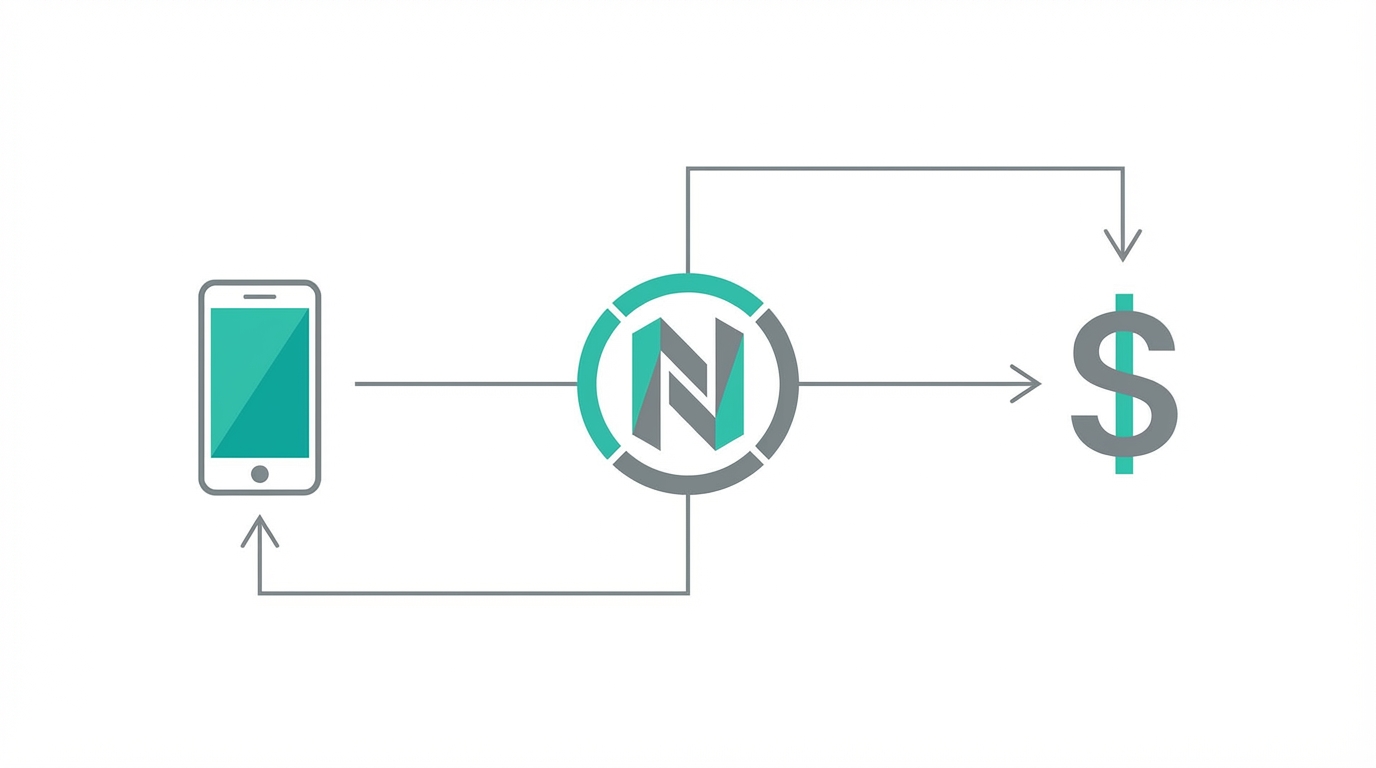
Managing subscriptions across different platforms like Apple's App Store and the Google Play Store is notoriously difficult. This is where a RevenueCat tutorial or integration becomes mandatory for any serious app business. RevenueCat acts as a wrapper around the complex billing systems of the major app stores, providing a single source of truth for your mobile app monetization data.
Implementing RevenueCat allows you to:
- Manage entitlements: Easily grant or revoke access to premium features based on subscription status.
- A/B test paywalls: Test different price points and trial lengths without resubmitting the app to the store.
- Deep Analytics: View churn rates, LTV, and real-time revenue stats that the standard app store consoles often delay.
For a backend solution, David recommends Firebase, which handles authentication and database needs seamlessly, allowing developers to focus on the user experience rather than server maintenance.
Optimizing the Onboarding Flow

The critical path from download to paid subscriber is the onboarding flow. David’s strategy involved taking screenshots of successful apps and using Figma to recreate the visual elements. By analyzing the psychology behind successful apps like Quitter, he was able to replicate an onboarding process that felt familiar and high-quality to users.
A high-converting onboarding flow typically asks the user several questions about their goals, creating a sense of personalization. By the time the user reaches the paywall, they have already invested time and effort into the app, making them more likely to convert. This is a vital component of a profitable app business model. Tools like Stormy AI can help you vet creator quality and detect fake followers before you hire them to film "walkthrough" style videos of your onboarding, which serves as excellent social proof for your app store optimization revenue efforts.
User Acquisition: UGC and Influencer Marketing
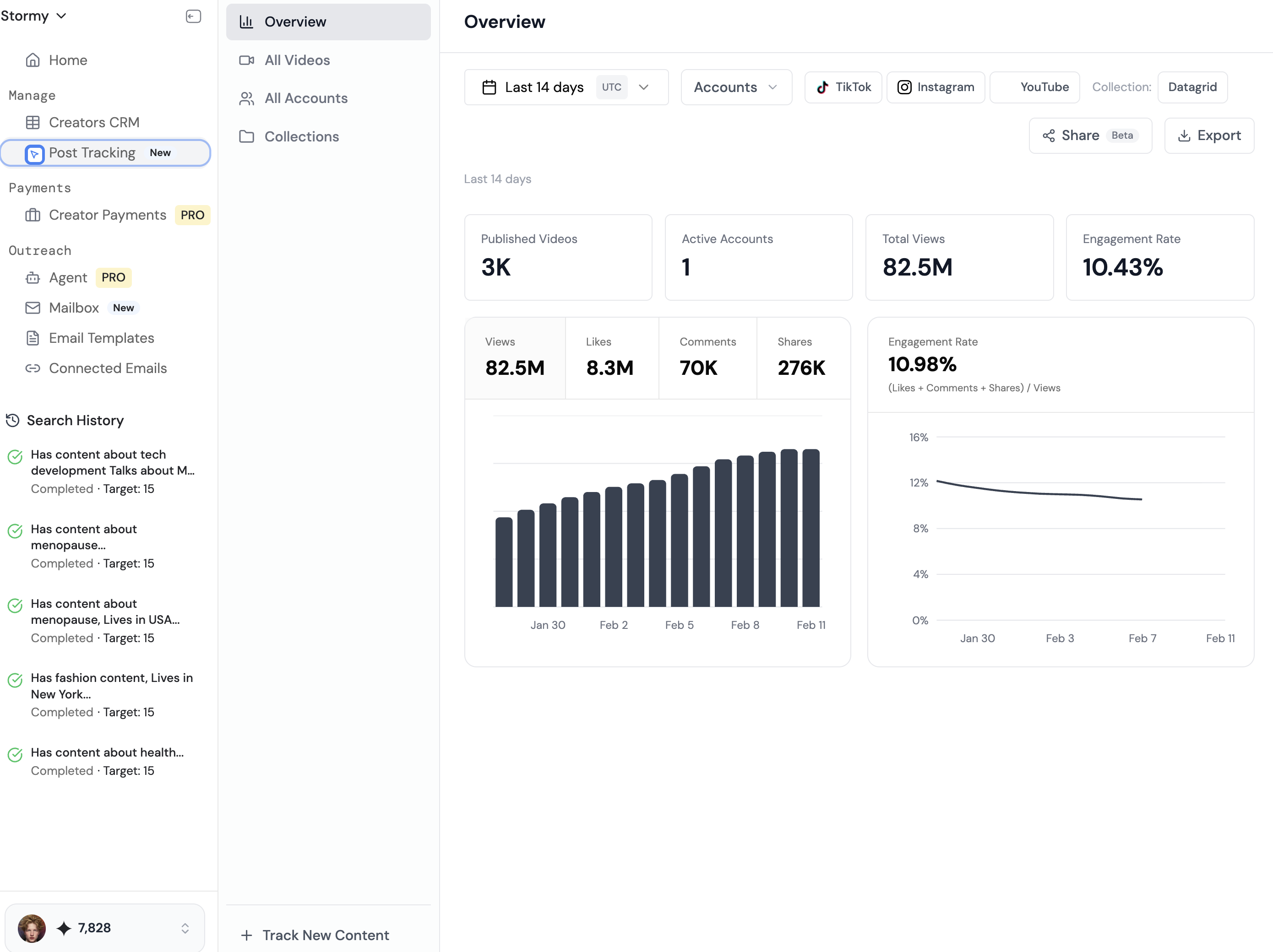
Once the app is built and the subscription model is in place, the focus shifts to user acquisition (UA). David found immense success by working with French influencers. By targeting a specific demographic—Gen Z women aged 13 to 25—he was able to create highly relevant User-Generated Content (UGC) that resonated with the audience's specific pain points, such as skin issues or energy levels related to sugar consumption.
To scale these efforts, many developers use Meta Ads Manager or TikTok Spark Ads. Spark Ads, in particular, allow you to boost an influencer's organic video, making it appear as a sponsored post while maintaining the authentic feel of organic content. Finding the right creators for these campaigns is a breeze with Stormy AI, which lets you send AI-personalized outreach emails and manage conversations in a built-in AI inbox.
Advice for 'Young David': Speed and Simplicity
If there is one takeaway from David's journey, it is that speed to market is the ultimate competitive advantage. For "Young David"—the developer just starting out—the advice is simple: don't over-innovate. In the beginning, your goal is to validate that people are willing to pay for a solution to a problem. Copying proven wording, layout, and pricing from a successful app in a different niche reduces the risk of failure.
By using AI tools like Cursor and managing marketing through platforms like Google Ads, the cost of failure is significantly reduced. You can test a concept for a few hundred dollars and, if it works, scale it to a five-figure monthly profit within months. The era of the solo app-preneur is here, and the tools to build a profitable app business model are already at your fingertips.
Conclusion: Your Roadmap to App Profitability
Building a successful mobile app in 2025 requires a blend of psychological insight, lean technical execution, and aggressive marketing. By following the blueprint of validating demand through Instagram and TikTok, building with AI, and managing subscriptions via RevenueCat, you can create a high-margin business with minimal overhead. Remember to focus on your onboarding flow and leverage the power of UGC through tools like Stormy AI to track individual video performance and campaign analytics across all platforms. The path from $0 to $12,000 a month is paved with consistent iteration and a commitment to providing real value to a specific niche.