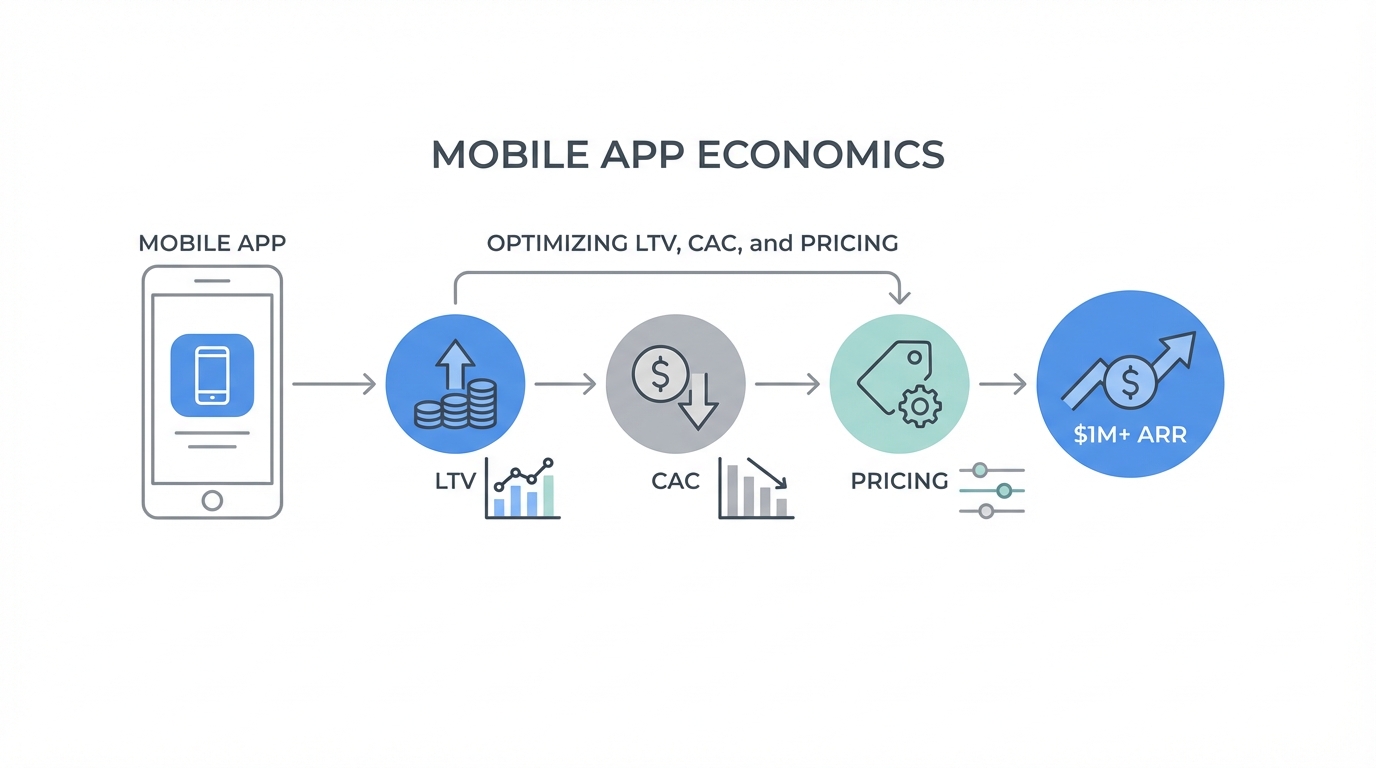
Building a mobile app that generates $100,000 in Monthly Recurring Revenue (MRR) is no longer a feat reserved for venture-backed behemoths. Today, independent developers and small teams are scaling niche products to millions in annual revenue by mastering a specific financial playbook. The barrier to entry has shifted from technical complexity to mobile app unit economics. Success in the current landscape requires more than just a great idea; it demands a rigorous focus on the relationship between Lifetime Value (LTV) and Customer Acquisition Cost (CAC). This guide breaks down the framework used by top-tier consumer apps to optimize pricing, prioritize features, and scale distribution through a data-driven lens.
The Foundation: Serving Daily Habits and Micro-Niches
The journey to a high-revenue app begins with identifying a daily habit. High-frequency use cases are the bedrock of sustainable unit economics. If an app serves a weekly or monthly need, the friction of re-engagement often leads to churn before the user can be successfully monetized. Apps like CalAI succeed because calorie tracking is a high-frequency habit performed multiple times per day. When users interact with a product daily, the app store optimization metrics for retention naturally improve, creating a flywheel of organic growth.
Instead of targeting broad, competitive categories, successful founders are finding narrow wedge use cases. This means looking for underserved segments within massive markets like wellness, finance, or productivity. For instance, rather than building a general fitness app, a founder might focus exclusively on 'form feedback bursts' using AI to correct lifting posture. Validating these niches requires diving into communities where users are already vocal about their pain points. Platforms like Reddit and TikTok serve as massive, free focus groups. By searching for specific keywords and sorting by 'top' or 'most liked,' you can identify exactly what users are frustrated with and what they are willing to pay for.
The North Star Metric: Why WAPU Trumps Total Downloads
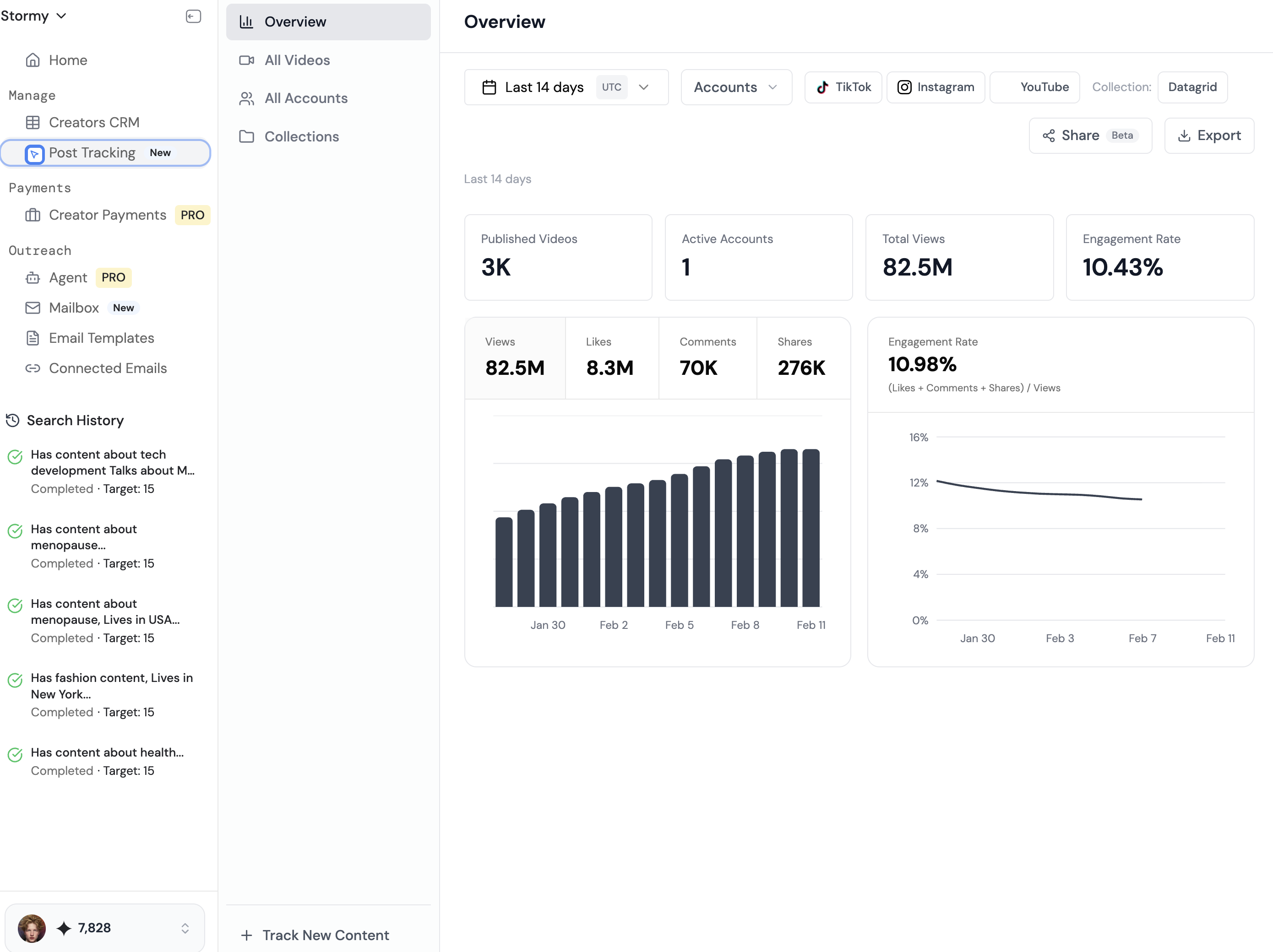
Many founders fall into the trap of vanity metrics, focusing on total downloads or registered users. However, for a $1M+ ARR app, the ultimate North Star Metric is Weekly Active Paying Users (WAPU). This metric combines engagement with monetization, providing a clear picture of the app's health. To move the needle on WAPU, you must analyze several levers: acquisition volume, activation rate, paywall conversion, and weekly retention. If your app store search ads strategy is bringing in users who never reach the 'first win,' your WAPU will stagnate regardless of your ad spend.
Activation is particularly critical. Top-performing apps aim for a first win within the first hour of download. Whether it is scanning a meal, completing a 10-minute study session, or receiving a weather-based migraine alert, that initial value realization must happen fast. If the 'time to first win' stretches beyond 24 hours, the probability of the user becoming a long-term subscriber drops significantly. Founders should track the percentage of users who complete the sign-up process and reach their first milestone to identify where the funnel is leaking.
The ICE Score: A Scientific Framework for Feature Prioritization
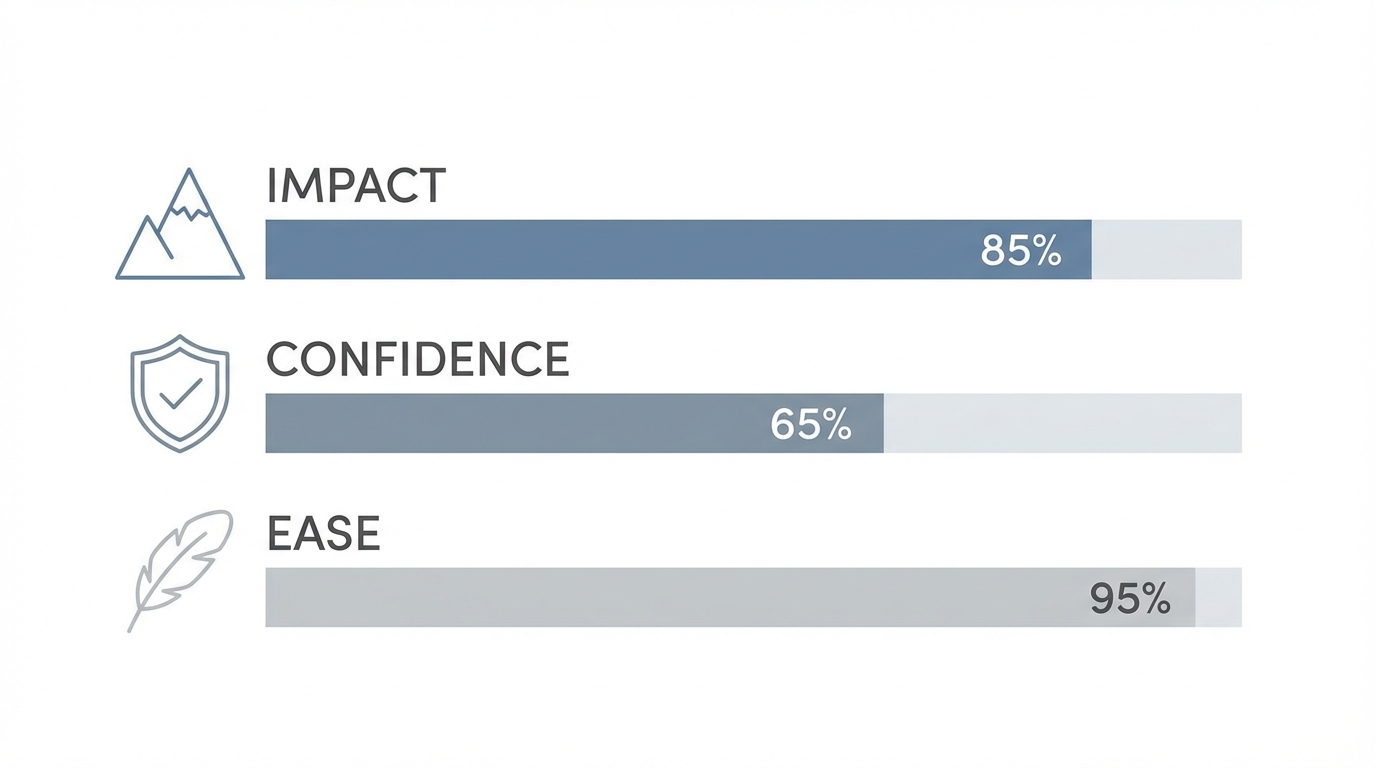
Once an app is live, the backlog of potential features can become overwhelming. To maintain a lean operation and maximize mobile app unit economics, founders use the ICE Score to prioritize development. This involves ranking every feature idea based on three criteria: Impact, Confidence, and Effort. By multiplying these scores, you generate a objective value that dictates what gets built first. This prevents 'feature creep' and ensures that the engineering team is always working on the highest-leverage tasks.
- Impact: How much will this feature increase our North Star Metric (WAPU)?
- Confidence: How sure are we that this feature will actually work? (Data from Google Analytics or user interviews helps here).
- Effort: How many developer hours or days will this take to ship?
The goal is to ship three meaningful updates per week. If a feature has a high effort score but low projected impact, it should be killed or deferred indefinitely. This disciplined approach allows apps to iterate toward profitability much faster than competitors who build based on gut feeling or aesthetic preference.
Cracking the Unit Economics: The LTV to CAC Ratio
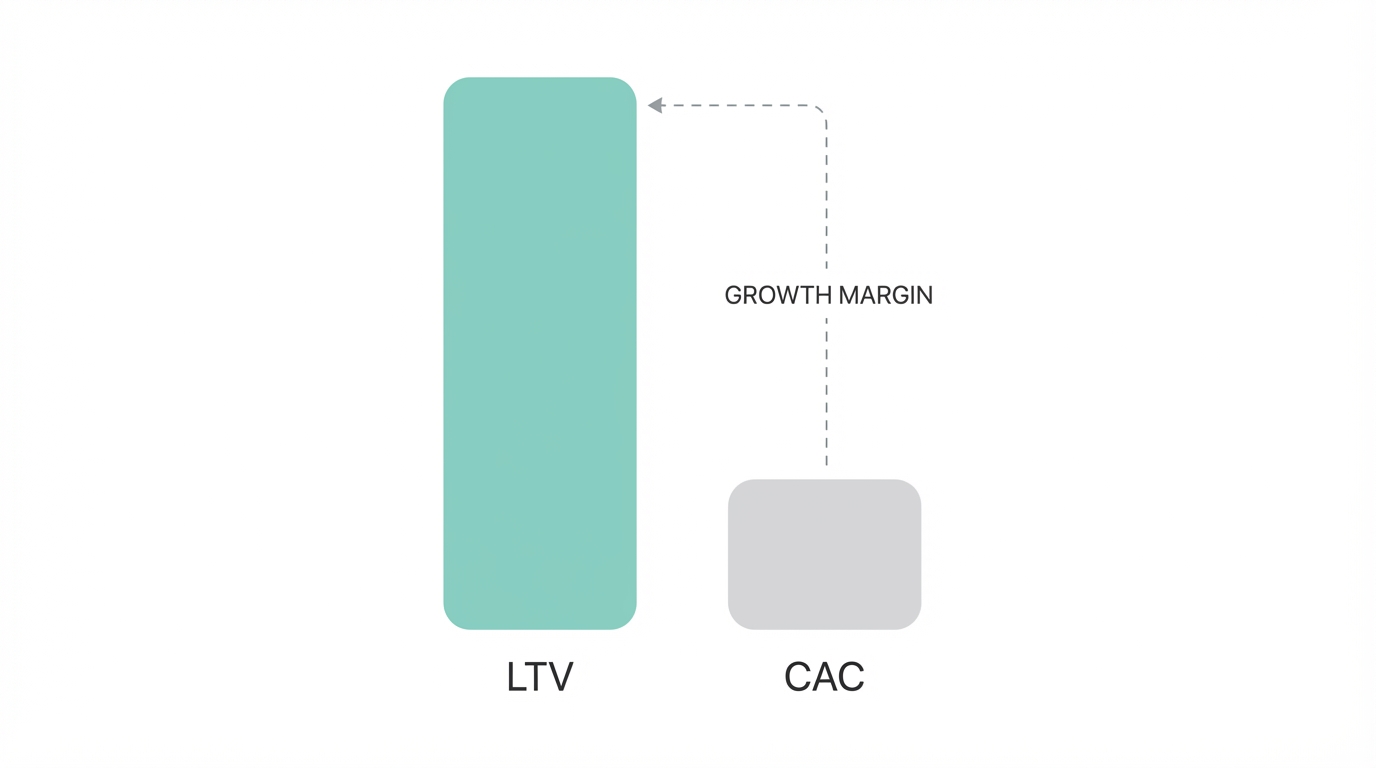
In the world of consumer mobile, your ltv cac ratio for apps is the ultimate indicator of scalability. Lifetime Value (LTV) is calculated by multiplying the Average Revenue Per User (ARPU) by the average number of months a user remains subscribed. To build a sustainable, high-growth business, founders should aim for an LTV to CAC ratio of 3 or higher. This means for every dollar you spend on acquisition, you expect to earn three dollars back over the user's lifecycle.
Equally important is the payback period. The most successful apps aim to recover their customer acquisition costs in less than 3 months. Rapid payback allows you to reinvest those profits back into your Apple Search Ads or Meta campaigns, creating a compounding growth effect. If your payback period is 12 months, you are essentially a bank, and your growth will be limited by your available cash flow. Monitoring your cost per install (CPI) and trial-to-paid conversion percentage daily is non-negotiable for anyone serious about hitting the 100K MRR milestone.
Pricing Strategies for High-Growth Apps: Trials and Anchors
Choosing the right mobile app pricing strategies can double your revenue without adding a single new user. Currently, a 7-day free trial is the industry standard for maximizing conversion. According to research by RevenueCat, shorter trial windows often create a sense of urgency and aligns better with the 'daily habit' philosophy. After the trial, a variety of pricing tiers can be used to capture different segments of the market.
The Annual Anchor is a powerful psychological tool. By offering a yearly subscription at a significant discount (e.g., $49/year) compared to the monthly rate ($15/month), you encourage users to commit to the long term. This provides immediate cash flow that can be used to fuel further acquisition. For power users, consider a 'Pro-Pack' add-on or a team plan. While these are often post-MVP features, they represent a significant opportunity to increase ARPU among your most dedicated advocates. Always present the paywall immediately after the user experiences their 'first win' to capitalize on the peak moment of value perception.
Scaling Distribution: From Organic Virality to Paid Search Ads

Scaling an app from zero to $1M+ ARR requires a hybrid approach to distribution: Organic, Owned, and Paid. Organic growth often starts on TikTok or Instagram Reels. Successful founders don't just post randomly; they focus on one channel with three specific content formats per week. This might include 'story-style' testimonials or meme-based educational content. Using tools like Stormy AI can help source and manage UGC creators at scale, ensuring you have a steady stream of authentic content for your social channels without the overhead of a traditional agency.
Once organic channels prove there is demand, it is time to layer on a professional app store search ads strategy. Apple Search Ads (ASA) are highly effective because they capture users at the exact moment they are looking for a solution. Simultaneously, running Meta Ads Manager campaigns with high-quality creatives allows you to reach a broader audience. Managing these creator relationships and tracking which influencers drive the best ROI is essential; a dedicated influencer marketing CRM like Stormy AI can keep your outreach organized and your data clean. Remember, the goal of paid spend is not just volume, but high-intent users who will contribute to your WAPU.
The Retention Loop: First Wins and Behavioral Nudges
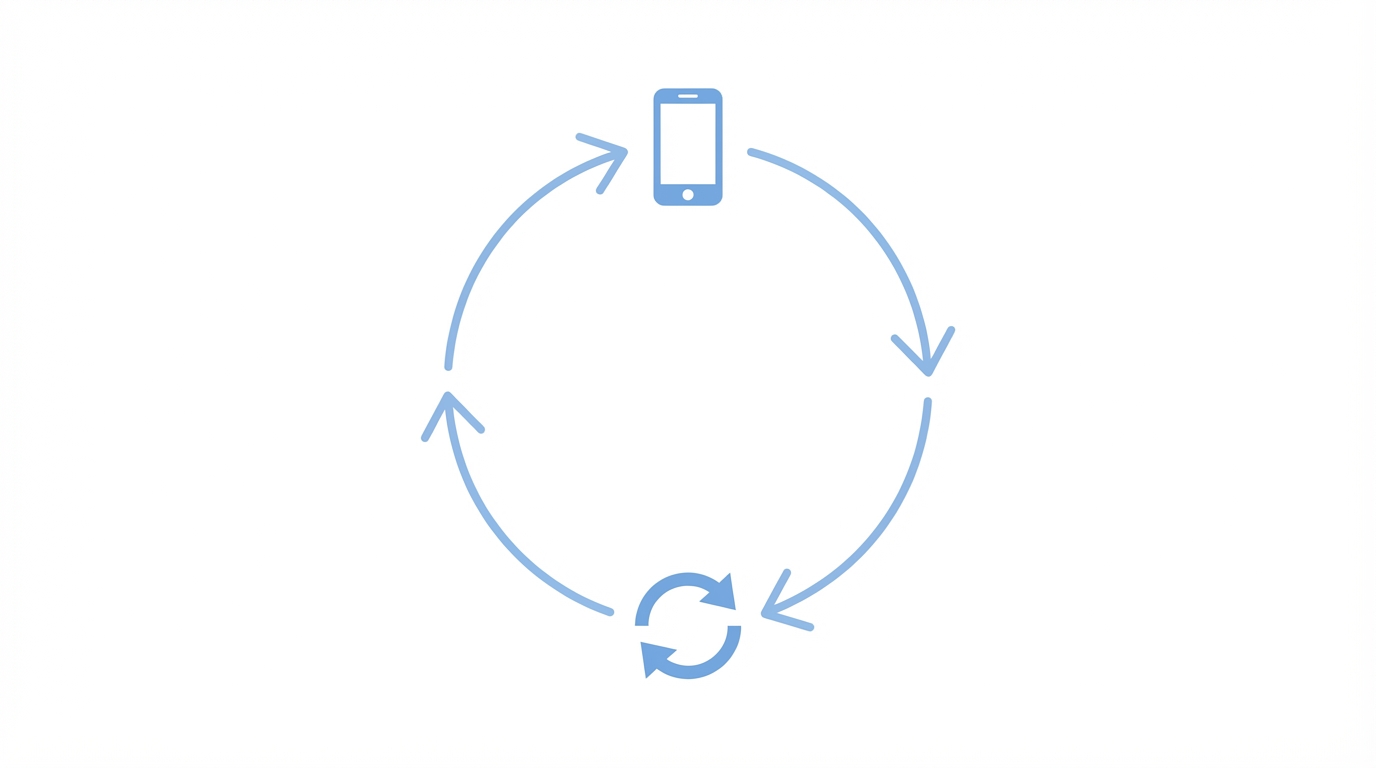
Retention is where the real money is made. To prevent churn, you must implement a retention loop that brings users back into the app repeatedly. This starts with behavioral nudges. If a user has been idle for three days, a value-positioned notification can be the difference between a long-term subscriber and a lost lead. For example, a sleep-tracking app might send a nudge saying, 'Your barometric pressure is shifting; log your symptoms now to prevent a migraine,' rather than a generic 'We miss you' message.
Streaks and leaderboards are also effective tools for building routines. Users who build a 7-day streak are significantly more likely to refer the app to friends, increasing your K-factor (the number of new users each existing user brings in). When your K-factor is above 1.0, your app is growing virally. Encourage this by offering incentives, such as one month of 'Pro' access for every three successful referrals. By focusing on the journey from stranger to advocate, you ensure that your mobile app unit economics remain healthy as you scale toward the $1M ARR mark.
Conclusion: The 30-day Roadmap to Revenue
Building a high-revenue mobile app is a marathon of small, data-driven sprints. Start by defining your wedge and prototyping your core loop within the first week. By week two, your ASO and basic paywall should be in place. Weeks three and four should be dedicated to channel testing and retention optimization. If you can maintain a disciplined focus on WAPU, use the ICE score for prioritization, and keep your LTV:CAC ratio above 3, the path to $1M+ ARR is not just a dream—it is a financial certainty. The opportunity in consumer AI apps is currently wider than ever; the only thing left to do is ship.