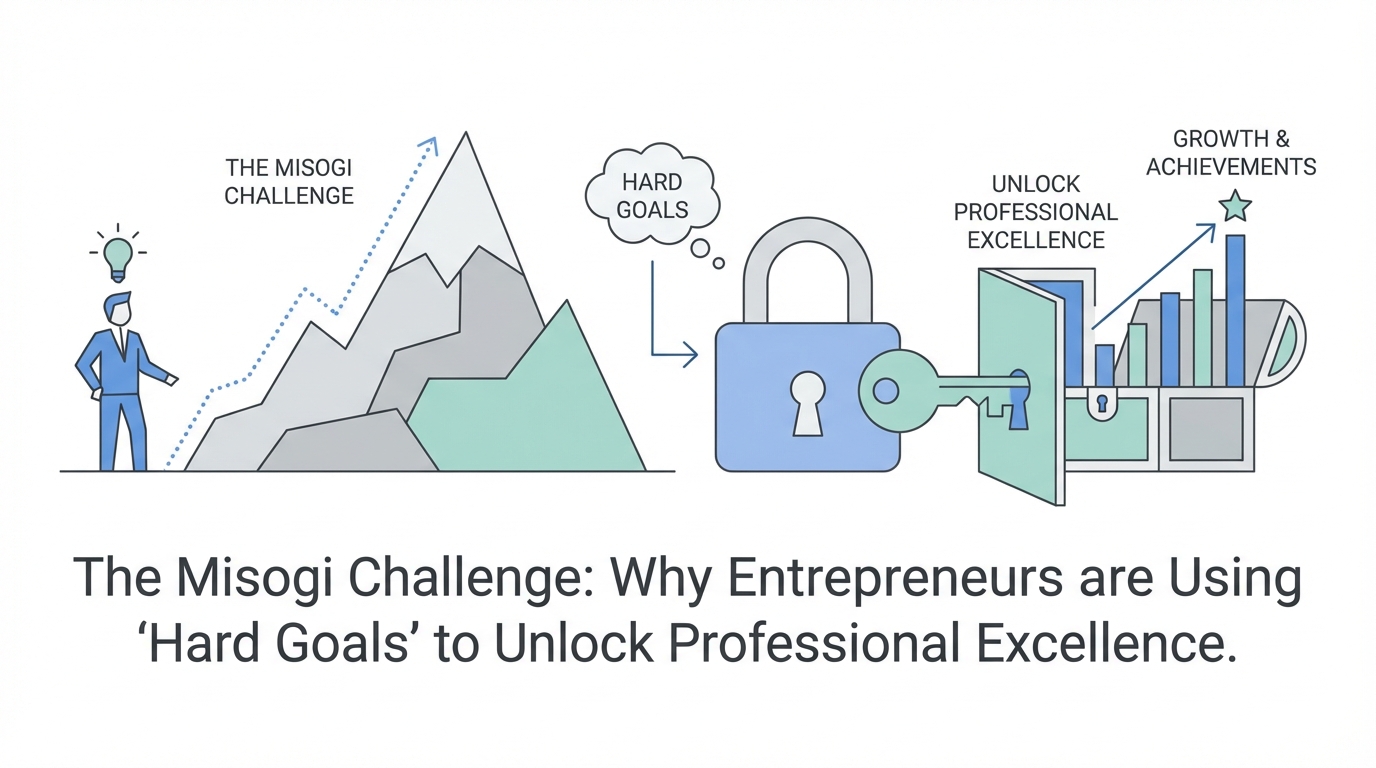
Most entrepreneurs spend their days in a state of "optimized stagnation." We tweak our morning routines, adjust our Meta Ads budgets by 2%, and subscribe to yet another productivity app, all while feeling a nagging sense that our actual capacity is being left on the table. The friction of the daily grind—the endless Slack notifications and the shallow dopamine hits of social media—erodes the very edge that made us start businesses in the first place. But a growing cohort of high-performers is turning to an ancient Japanese concept to break this cycle: the Misogi challenge. By setting a single, year-defining hard goal that has a legitimate chance of failure, founders are finding they can unlock levels of focus and entrepreneurial mindset that standard professional development goals simply cannot touch.
What is a Misogi? Defining the 'Hard Year-Defining Challenge'

The term "Misogi" originally refers to a Japanese Shinto ritual of purification, often involving standing under a freezing waterfall to wash away impurities. In the modern business context, popularized by entrepreneur Jesse Itzler, a Misogi is an annual challenge so difficult that it defines your entire year. The rules are simple but brutal: it must be exceptionally hard, it cannot be life-threatening, and it should have a 50% chance of failure. For a founder, this isn't about hitting a revenue target; it’s about pursuing excellence for its own sake in a domain where you have no natural advantage.
In a world of constant distraction, a Misogi acts as a North Star. It provides a reason to say "no" to the trivial. When you have a massive, looming challenge on the calendar, your productivity for founders shifts from busywork to essentialism. As seen on the My First Million podcast, this concept has transformed how leaders view their time. Instead of letting the years blur together, a Misogi ensures that you can point to 2024 and say, "That was the year I did that." This creates a psychological anchor that prevents the "entrepreneurial drift" where success feels hollow because it lacks personal breakthrough.
The Piano Case Study: Neuroplasticity and Business Discipline

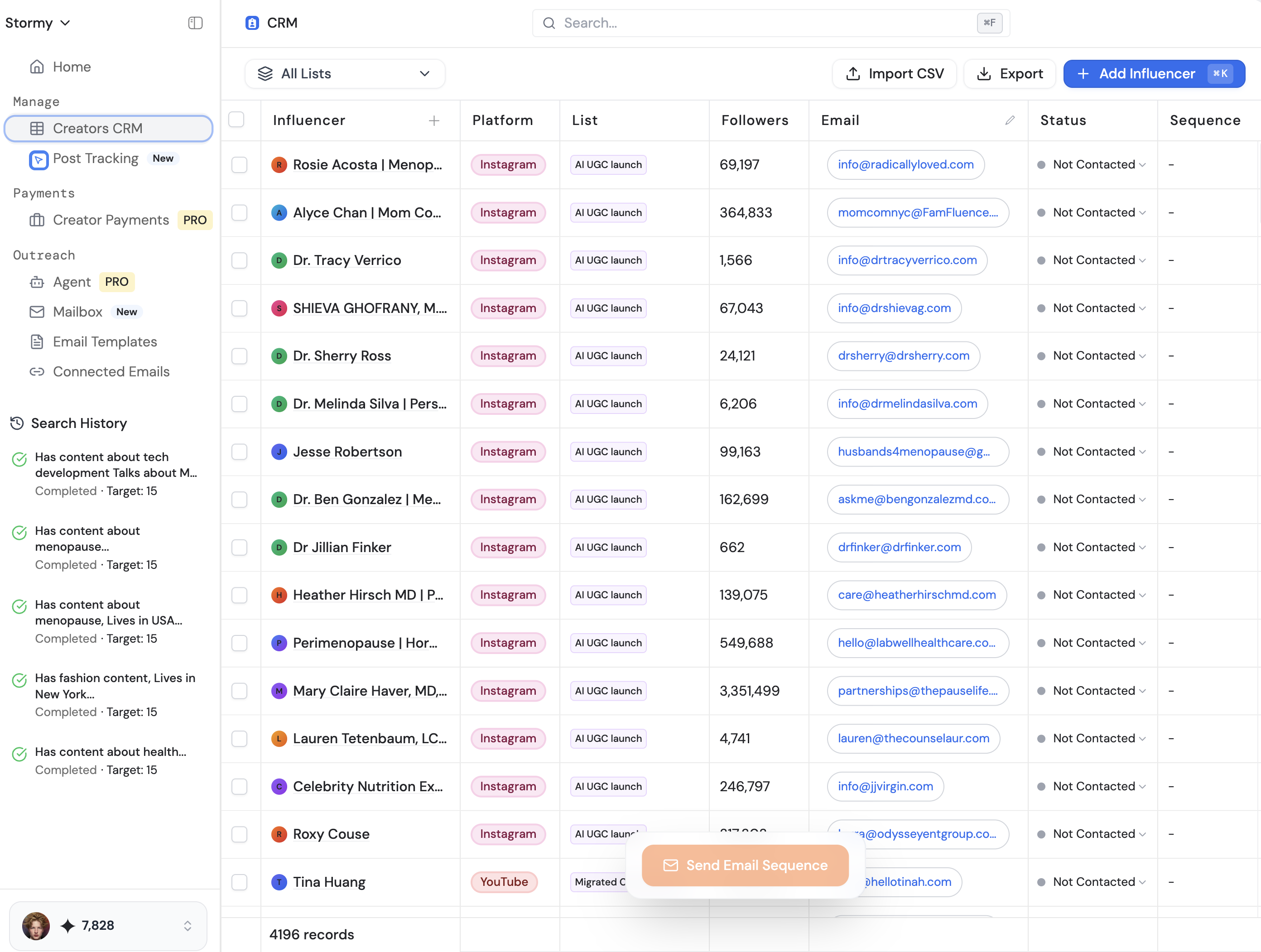
One of the most compelling examples of a modern Misogi comes from Sean Puri, who decided to spend a year learning to play a complex classical piano piece, "Nuvole Bianche," despite having zero musical background. This wasn't a hobby; it was a professional development goal disguised as art. The discipline required to sit at a bench every day, practicing the same four bars until the neural pathways fused, mimics the exact grit needed to scale a startup. For founders working in fast-moving industries like mobile app development, where tools like Stormy AI are used to find high-performing UGC creators through natural-language AI search, the ability to focus intensely on a single output is a competitive advantage.
Learning a complex skill at age 37 provides massive benefits for neuroplasticity. When an entrepreneur forces their brain to learn something entirely foreign—like reading sheet music or mastering the mechanics of a piano—it refreshes the brain's ability to solve problems in the boardroom. This "cross-training" of the mind ensures that you don't become a one-trick pony. The discipline of the Misogi translates directly to entrepreneurial mindset: if you can master a 10-minute classical composition through sheer repetition, a difficult board meeting or a pivot in your Google Ads strategy feels significantly more manageable.
Intentionality vs. Distraction: The Trade-off for Mastery
The greatest enemy of productivity for founders is the "spiritually passive" consumption of social media. Most entrepreneurs lose 10 to 15 hours a week scrolling through X, LinkedIn, and Reddit under the guise of "networking" or "staying informed." However, the Misogi challenge requires a radical reclamation of this time. To achieve mastery in a year-defining challenge, you must make what some call the "Luca Dončić trade": giving up low-value digital assets to regain high-value mental space.
By deleting social media apps and restricting consumption, you create a vacuum that must be filled by intentional action. This is where professional excellence is born. When you remove the ability to distract yourself, you are forced to confront the difficulty of your Misogi. This intentionality spills over into business operations. A founder who is intentional with their personal time is also more intentional with their team's time, avoiding useless meetings and focusing on high-leverage tasks like Apple Search Ads optimization or creative strategy.
The 10-15 Hour Rule: Reclaiming Your Cognitive Surplus
If you audit your screen time right now, you will likely find a "side hustle's worth" of time being burned on passive behaviors. The 10-15 Hour Rule suggests that by eliminating these leaks, an entrepreneur can fuel a personal breakthrough without sacrificing their business. This isn't about working more; it's about reallocating cognitive surplus. Imagine if those 15 hours were spent on deep work, physical training, or skill acquisition. The compounding effect over 12 months is staggering.
For app founders and marketers, this reclaimed time can be used to dive deeper into data or leverage AI-powered tools. For instance, using Stormy AI to set up an autonomous AI agent that discovers and outreaches to creators on a daily schedule allows you to spend your newly found hours on high-level brand storytelling rather than manual outreach. The goal is to move from being a reactive manager to an intentional creator. This shift is the hallmark of a high-functioning entrepreneurial mindset.
How Personal Milestones Build Professional Confidence
There is a unique type of authority that comes from a leader who pursues excellence for its own sake. When employees see a founder tackle a Misogi challenge—whether it's running a 100-mile ultramarathon or learning a new language—it builds a culture of high standards. People respond to leaders who are internally driven rather than just externally motivated by exit multiples. This personal confidence is infectious; it tells your team that "hard things are doable here."
Furthermore, achieving a personal milestone provides an emotional "parking pass" that validates your capabilities during lean business months. Startups are a roller coaster of wins and losses. Having a Misogi ensures that even if a product launch fails on Product Hunt, you still have a foundational sense of achievement from your personal pursuits. It's similar to how Stormy AI helps you track every video and monitor likes and views in real-time, providing clarity and data-backed confidence amidst the noise. This resilience is what keeps founders in the game for the long haul. It creates a holistic rich life where business is a part of your success, not the entirety of your identity.
The Misogi Playbook: 5 Steps to Your Hardest Year Yet
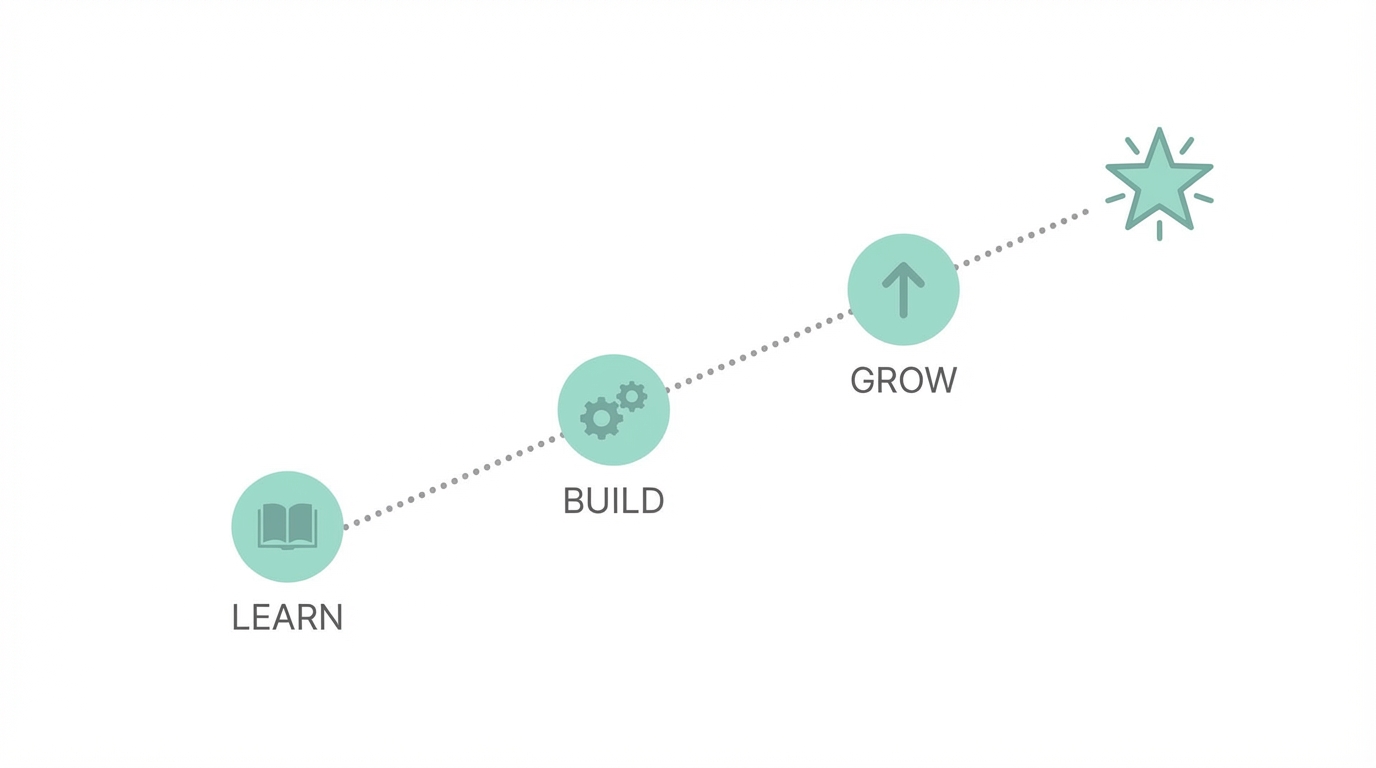
Ready to set your own professional development goals through a Misogi? Follow this step-by-step playbook to ensure your challenge actually drives transformation.
Step 1: Pick Your 'Impossible' Task
Your Misogi should be something that makes you slightly uncomfortable just thinking about it. It should be outside your comfort zone. If you are a technical founder, choose something physical or artistic. If you are an athlete, choose something intellectual or meditative. The goal is to expand your range. Much like how Stormy AI allows you to vet creators for audience quality and detect fake followers in seconds, you must vet your own goals for genuine challenge. It should take roughly 11-12 months of consistent effort to achieve.
Step 2: Set a Non-Negotiable Date
A goal without a date is just a wish. Put the "event" on the calendar now. Whether it’s a race, a performance, or a deadline to publish a book, the date creates the necessary pressure. Jesse Itzler's Big Life Calendar is a great tool for visualizing these year-defining moments alongside your business milestones.
Step 3: Audit Your Time Leaks
Use your phone’s screen time report to identify where your 10-15 hours are going. Delete the apps that don't serve your Misogi. If you need to stay active on social media for your business (e.g., managing TikTok Ads), use a desktop-only rule or delegate the posting to a team member. You can even use Stormy AI to handle your creator outreach and email follow-ups automatically with its built-in AI inbox, freeing up your schedule for deep focus. Protect your mind space at all costs.
Step 4: Practice Publicly (or semi-publicly)
Accountability is key. Share your progress on a platform like Strava for fitness goals or a private Slack channel for skill-based goals. The goal isn't to brag; it's to create a social contract that keeps you from quitting when the "dip" hits in month four or five.
Step 5: Execute with Unreasonable Hospitality
In his book Unreasonable Hospitality, Will Guidara talks about the pursuit of excellence as a service to others. Treat your Misogi with that same level of devotion. Don't just "get through it"—aim for a level of performance that would move an audience to tears. This pursuit of beauty and perfection is what ultimately unlocks professional excellence back in your business life.
Conclusion: The Ripple Effect of Hard Goals
The Misogi challenge is more than just a productivity hack; it is a fundamental shift in how you inhabit your role as a founder. By embracing the entrepreneurial mindset required to tackle a goal with a 50% failure rate, you naturally shed the distractions and insecurities that hold most businesses back. You become a person who does hard things, and that identity is the most valuable asset you can own.
As you plan your next 12 months, ask yourself: what is the one thing I could do this year that would make everything else feel easier? Whether it's mastering the piano, running a marathon, or building a community like Hampton, choose the path of most resistance. Your professional excellence depends on your personal breakthroughs. Stop optimizing the shallow, and start committing to the deep.