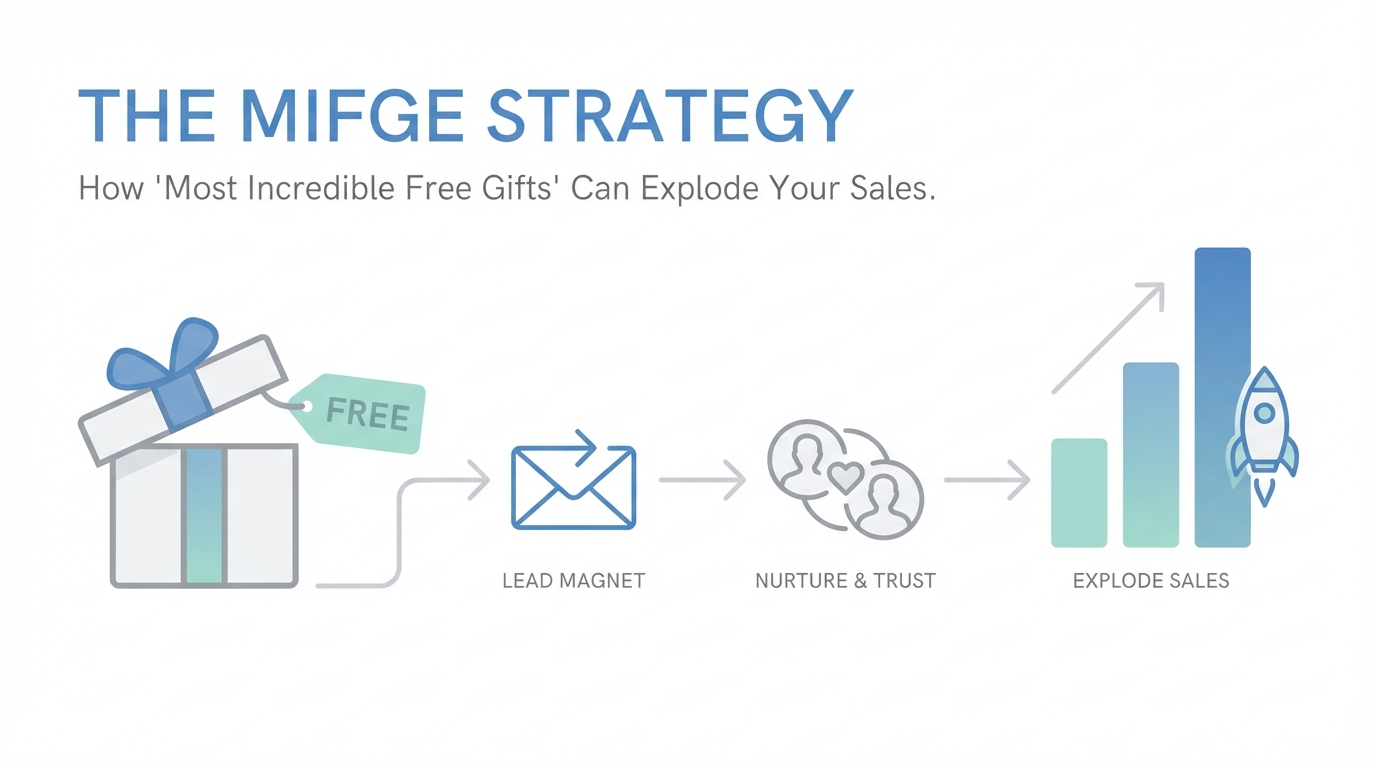
What if I told you that one of the most successful marketing funnels in the design industry is also one of the ugliest? In the world of high-end branding and pixel-perfect aesthetics, there is a dirty secret: scrappy, high-intensity direct response marketing tactics often outperform beautiful websites by a factor of ten. Jonathan Courtney, the founder of AJ&Smart, recently revealed that a single "ugly" funnel has generated over $20 million in revenue for his company over the last few years. The engine behind this success isn't just a great product; it is a psychological framework known as the MIFGE (Most Incredible Free Gift Ever).
The Conversion Gap: Website vs. Funnel
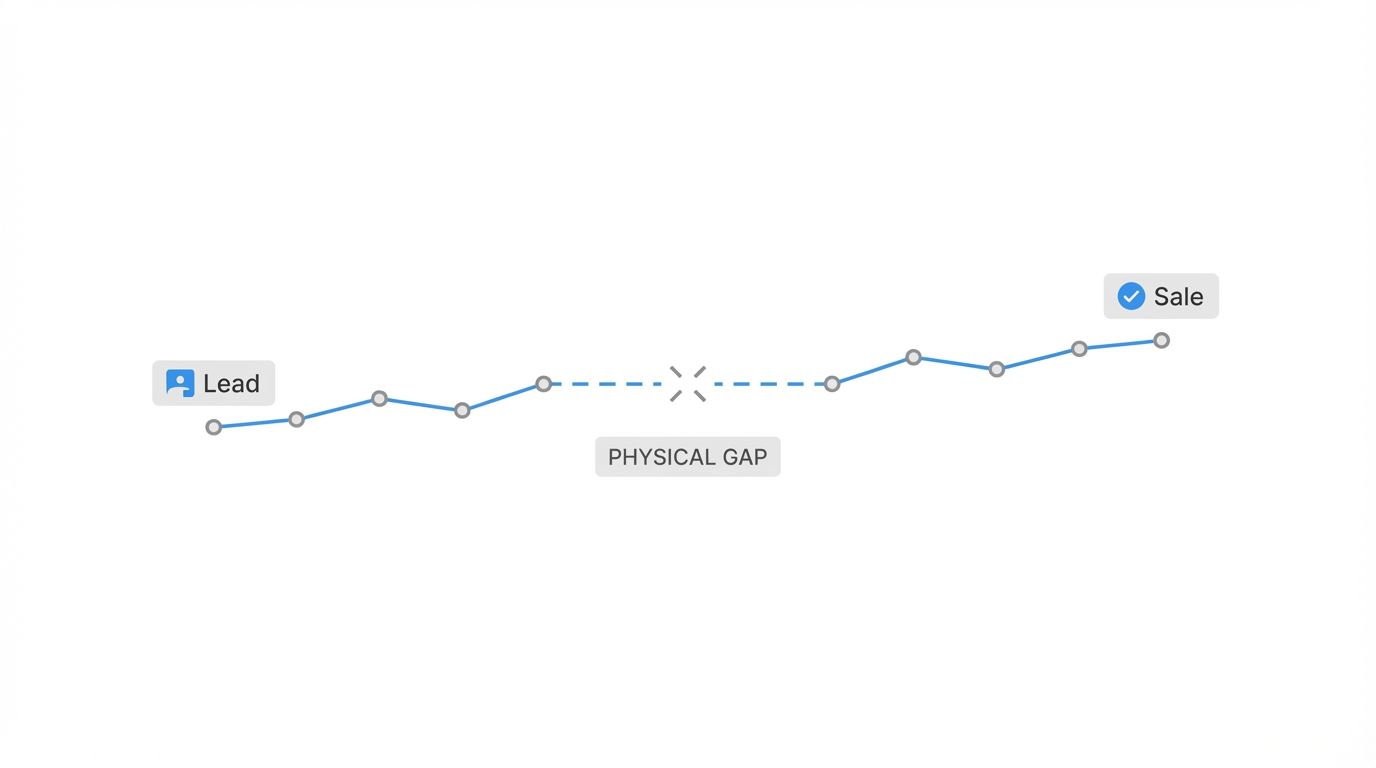
Most founders and marketers make the mistake of treating their website like their primary sales tool. In reality, a standard company website is often just a "shadow funnel"—a digital brochure that proves you exist but fails to actually convert strangers into customers. While a typical website might increase landing page conversion by only 1% to 3%, a well-structured funnel can regularly hit 10%, 15%, or even 25% conversion rates [source: Unbounce Conversion Benchmarks].
The reason is focus. A website is like a grocery store where the user wanders the aisles, often leaving without buying anything. A funnel, particularly a Video Sales Letter (VSL) funnel, is a guided experience. It takes a complete stranger from a YouTube ad or a social post and leads them through a single-purpose journey: identify the problem, present the solution, and offer a specific call to action.
What is a MIFGE? Stacking Psychological Triggers
The core of a high-converting customer acquisition strategy is the MIFGE: the Most Incredible Free Gift Ever. This concept involves stacking physical and digital bonuses onto an offer to make the value proposition so lopsided that the prospect feels foolish saying no. It is a classic direct response marketing tactic that high-growth brands use to overcome buyer hesitation.
Think about AG1 (formerly Athletic Greens). Their campaigns don't just sell a pouch of powder; they stack a welcome kit, a shaker bottle, travel pouches, and a year's supply of Vitamin D3+K2 as "free gifts." This isn't just fluff; it’s a calculated use of psychological marketing triggers. By presenting these items as separate, limited-time gifts, they trigger the principle of reciprocity and create a sense of overwhelming value.
Other top-tier brands like Eight Sleep and Magic Mind use similar tactics. They might offer a premium accessory or a specific trial bonus that is framed as a 100% free gift for new subscribers. Even high-brow digital products like Endel have used physical gifts—like a branded bag—to drive annual subscriptions during peak sales periods.
Busting the Prestige Myth: Why 'Cheesy' Works
Many founders shy away from direct response tactics because they feel "cheesy" or "unprofessional." They want to look like Apple or Google. However, unless you have a multi-billion dollar brand budget to brute-force your way into the public consciousness, you cannot afford to ignore the ROI of direct response. The highest-earning funnels are often the ones that marketing purists would find aesthetically offensive.
The "ugly" funnel works because it prioritizes persuasive copywriting over visual flair. When you try to make a page look "nice," you often sacrifice the volume of text and proof needed to convince a skeptic. A high-converting funnel is packed with information, testimonials, and detailed explanations that answer every possible objection. As Courtney noted, every time his team tried to make their $20 million funnel look "better" or more aligned with their agency's high-end design brand, the conversion rate dropped.
The Physical Advantage: Why Books Beat PDFs
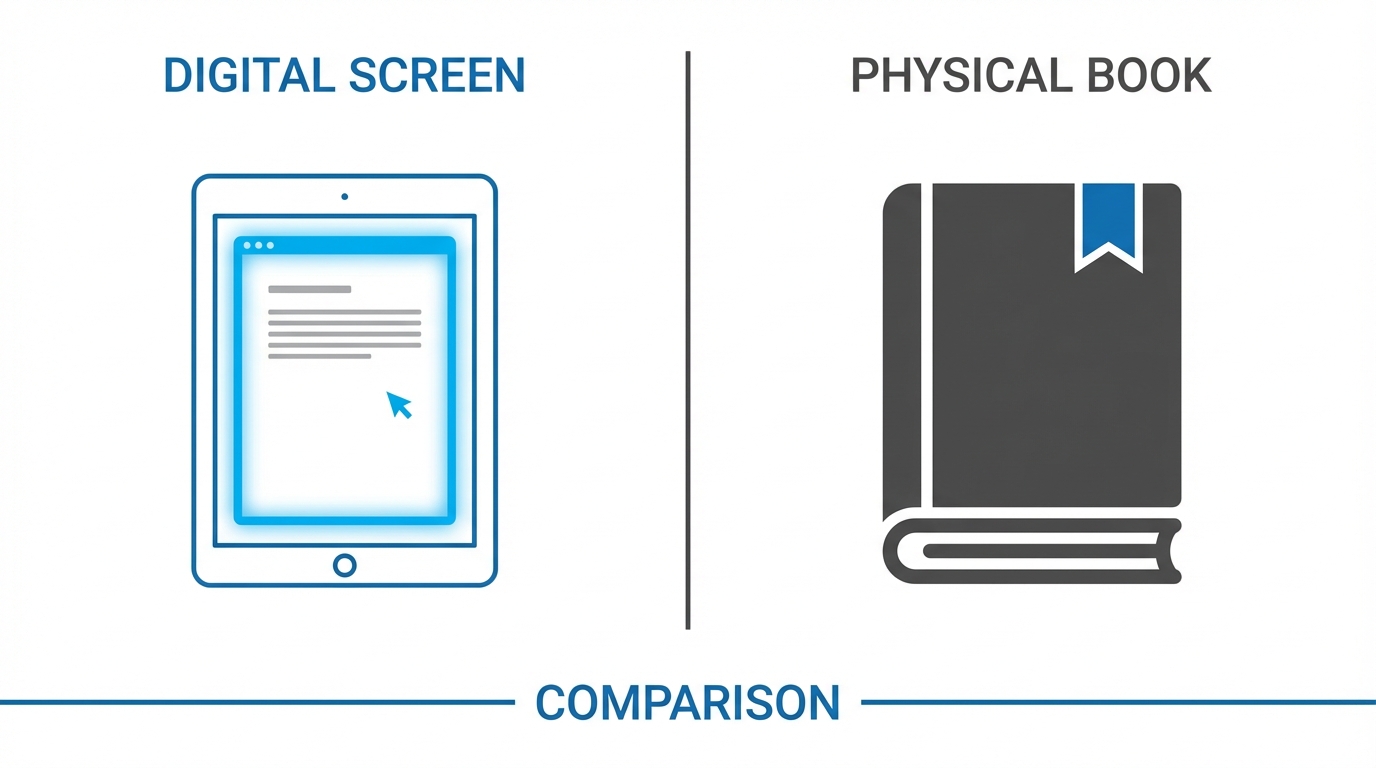
In a digital world, physical goods have a massive psychological advantage. You can give away a free PDF, and it will sit in a Downloads folder forever. But if you send someone a physical book or a printed workbook, you have claimed a piece of real estate in their home or office. It is infinitely more effective for direct response marketing tactics than any digital lead magnet.
This is often executed through a "Free Plus Shipping" funnel or a "Book Funnel." The Workshopper Playbook, for example, has seen over 250,000 downloads and physical copies shipped. The goal isn't to make money on the book—in fact, companies often lose money on the initial shipment—but to liquidate the cost of customer acquisition. Once a customer has your physical book, they are primed for your higher-ticket offers.

Implementing Urgency and Scarcity Without the Scam
To make a MIFGE work, it must be paired with urgency and scarcity. However, modern consumers are savvy; they can smell fake countdown timers from a mile away. The key is to tie your urgency to real campaigns or inventory.
- Limited-Time Bonus: "Buy before Friday and get the Omega-3 gift set for free."
- Physical Scarcity: "We only have 500 physical workbooks for this month's cohort."
- Friction as a Filter: Use tools like Typeform surveys to add friction to your funnel. By asking prospects about their budget and commitment levels, you ensure your sales team only speaks to high-intent leads.
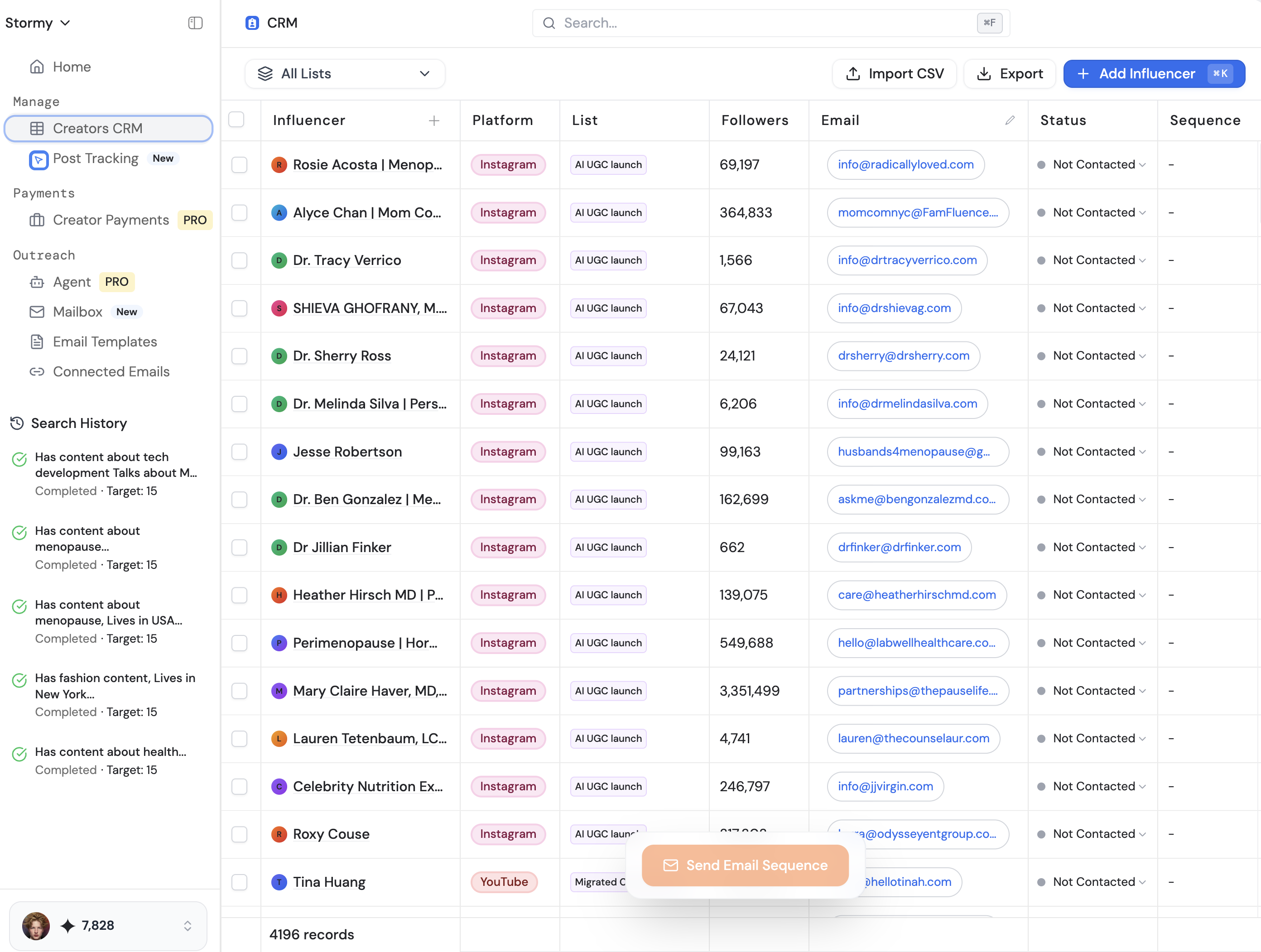
When searching for the right influencers to promote these MIFGE offers, platforms like Stormy AI streamline creator sourcing and outreach, ensuring your message reaches an audience that actually cares about the specific problem you solve.
The MIFGE for B2B and High-Ticket Agencies
You might think this only works for $50 consumer products, but the MIFGE is actually most powerful in B2B and high-ticket sales. If you are an agency closing a $200,000 deal, your "Most Incredible Free Gift" could be 30 free software licenses for the client's team or a complimentary internal training session valued at $10,000 if they sign before year-end.
For SaaS startups, a MIFGE might look like a free physical onboarding kit sent to every new enterprise lead, or a "Founder's Edition" workbook that helps them implement your software. This turns a digital commodity into a tangible relationship.
Step-by-Step: Building Your First MIFGE Funnel
If you are ready to move away from a leaky website and toward a high-conversion funnel, follow this playbook:
Step 1: Identify Your Core Offer
What is the one thing you want the user to do? Whether it is booking a call or buying a starter kit, your funnel must have one single goal.
Step 2: Design Your MIFGE
What can you add to the offer that feels like an "Incredible Gift"? This could be a physical book, extra licenses, a one-on-one consultation, or a proprietary template. It should have a high perceived value but a manageable cost for you.
Step 3: Build a Focused VSL
Create a Video Sales Letter that teaches your prospect something valuable. Use the "Epiphany Bridge" technique: explain the problem, show them why their current methods are failing, and present your product as the only logical solution. Link this from your Facebook Ads or organic content.
Step 4: Stack the Bonuses
At the end of your pitch, introduce the MIFGE. Explain that they get all these bonuses only if they take action now. This is where you incorporate psychological marketing triggers to drive the final conversion.
Step 5: Capture and Drip
Use a landing page tool like ClickFunnels to capture their email address immediately. Even if they don't buy right away, you can now retarget them with automated email sequences through tools like Klaviyo that continue to offer the MIFGE for a limited time.
Conclusion: Don't Be Afraid to Get Scrappy
The biggest takeaway from the world's most successful funnels is that urgency and value trump aesthetics every single time. You don't need a million-dollar brand to compete; you need a Most Incredible Free Gift Ever and a process that prioritizes conversion over prestige. Start by looking at your competitors in the Facebook Ads Library, see what they are offering as gifts, and then make your offer even more incredible. Your sales numbers will thank you.