In the crowded digital landscape of 2026, where consumer attention spans have shrunk to mere seconds, the difference between a billion-dollar brand and a forgotten startup often comes down to a single word: its name. While many founders treat naming as a late-stage administrative task, the reality is that nothing your brand does will be used more often or for longer than your name. A name isn't just a label; it is the highest frequency leverage point in your entire marketing stack. When done correctly, it creates an asymmetric advantage that compounds over time, reducing customer acquisition costs and boosting organic recall across platforms like TikTok and Instagram.
The Science of Processing Fluency
 8:58
8:58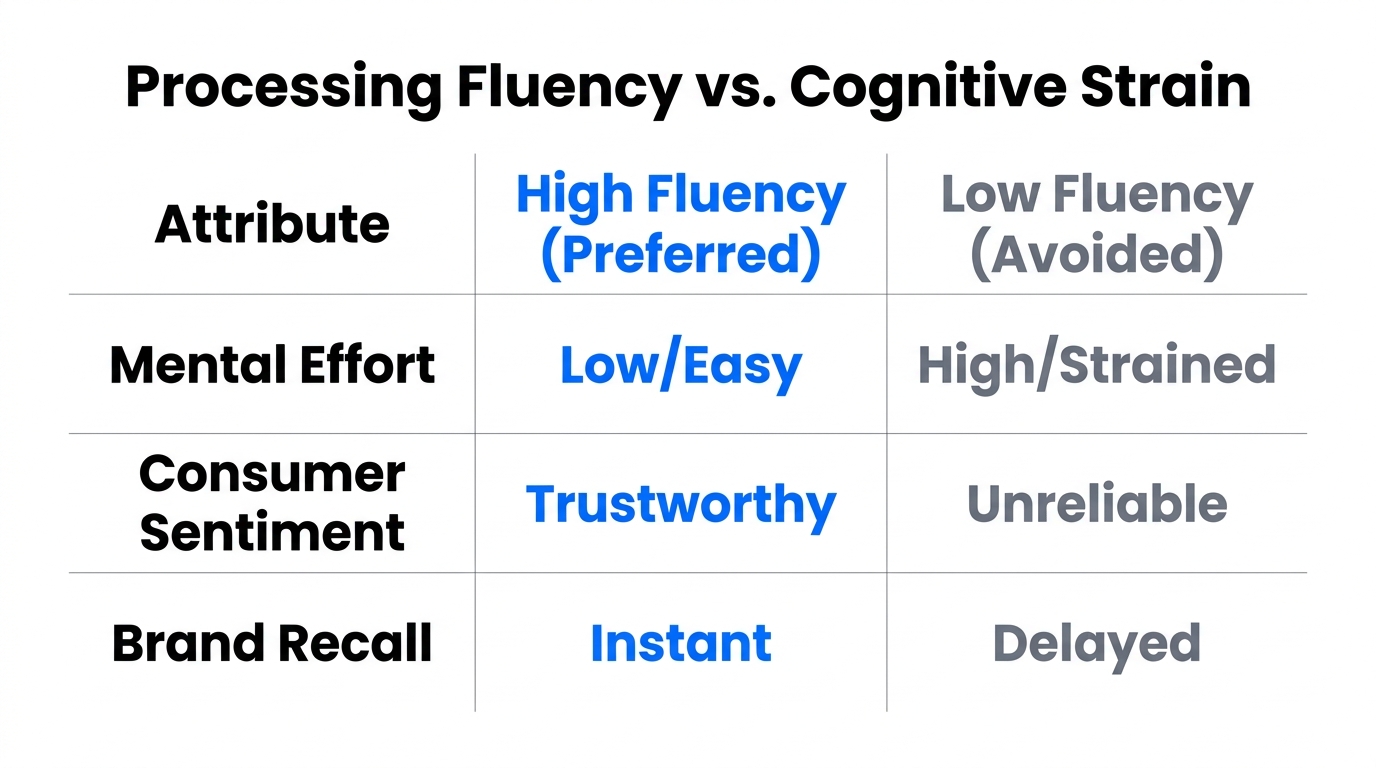
Why does Microsoft Azure feel more enterprise-ready than a generic name like "ProCloud"? The answer lies in a cognitive psychology concept called Processing Fluency. This refers to the ease with which our brains process information. When a name is easy to pronounce and mentally categorize, the brain experiences a positive affective response, which we often misinterpret as trust or reliability. Microsoft Azure marketing strategy focuses on this exact phenomenon—using a word that is familiar enough to understand but surprising enough to stick.
"Processing fluency is the secret weapon of viral branding; if the brain can't digest the name in under a second, it won't remember it for a lifetime."
In 2026, the brands that dominate the market are those that achieve a state of being "surprisingly familiar." This means the name utilizes real word units (like "Azure" for the sky or "Blackberry" for a fruit) but applies them to an unexpected category (cloud computing or mobile devices). This juxtaposition creates a mental "hook" that forces the brain to pay attention without causing the friction of an entirely coined, alien word that requires millions in Google Ads spend just to explain.
Sound Symbolism: The P, B, K, and X Formula
43:19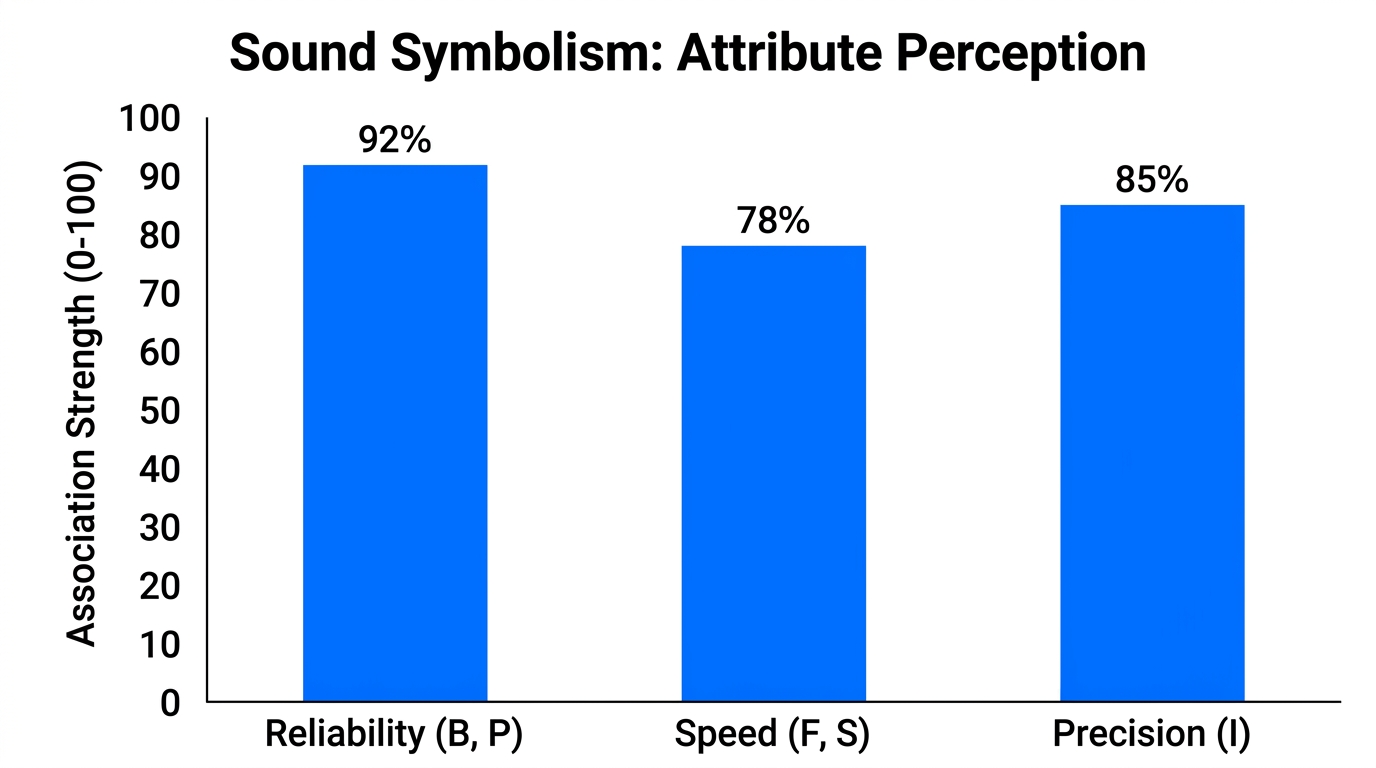
Linguistics in advertising reveals that certain sounds carry inherent emotional weight, regardless of the word's actual definition. This is known as sound symbolism. If you want your brand to be perceived as reliable, fast, or innovative, you must look at the specific letters used in the name. For instance, the letters P, B, and K (known as plosives) create a perception of speed and power in the customer’s brain.
The Impact of Specific Consonants
- The 'K' Sound: One of the most powerful letters in naming. It sounds sharp, distinct, and memorable. Think of Apple's early focus on crisp sounds or the success of names like Kleenex or Kodak.
- The 'P' and 'B' Sounds: These provide a sense of reliability. The Intel Pentium processor succeeded because the 'P' sound suggests performance and precision.
- The 'X' Sound: In 2026, 'X' remains the universal symbol for innovation. Brands like SpaceX and Lexus use the 'X' to signal they are at the cutting edge of technology.
| Brand Name | Dominant Sound | Perceived Quality |
|---|---|---|
| Pentium | 'P' (Plosive) | High Performance |
| Blackberry | 'B' (Reliability) | Reliable & Trustworthy |
| Lexus | 'X' (Innovation) | Cutting Edge |
| Sonos | Vowel-Consonant-Vowel | Fluent & Modern |
The Blackberry Naming Story: A Case Study in Courage
38:41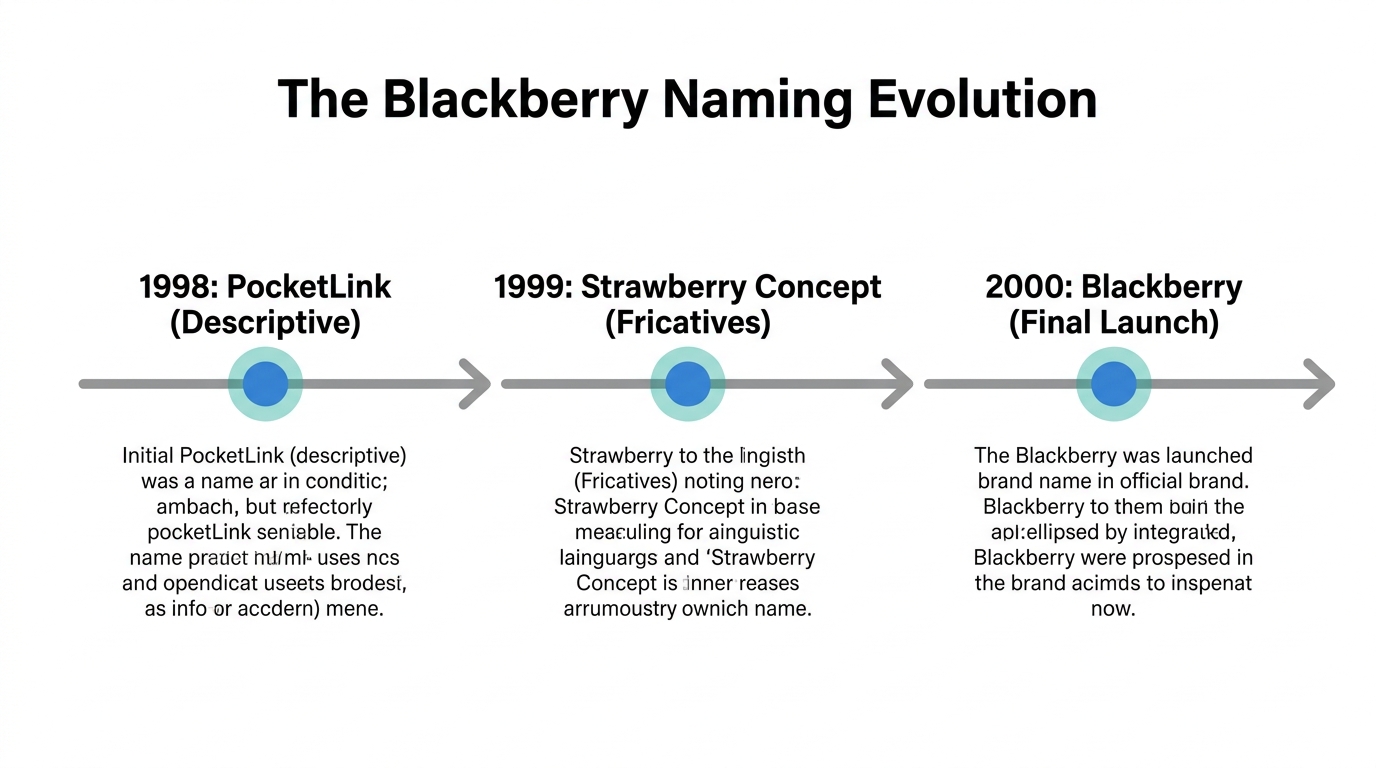
The Blackberry naming story is perhaps the most famous example of choosing a polarizing name over a safe one. Originally, the company was presented with names that were more "comfortable" for the engineers—descriptive names that sounded like enterprise hardware. Instead, they chose Blackberry. The 'B' sounds provided a sense of reliability, while the fruit association made the device feel approachable and "delightful."
Crucially, the team conducted sound testing across six different languages and countries to validate the name's global potential. This ensures that the brand recall science 2026 startups rely on today isn't just based on English-speaking markets. They found that "Black" is recognized across most major languages, and the "Berry" suffix provided a soft landing for a high-tech device. It was a name their competitors, like Microsoft at the time, would never have had the courage to use.
"The right name can be the difference between a $5 billion brand like Swiffer and a $200 million also-ran like Ready Mop."
When launching a new product, managing the creator relationship is just as important as the name itself. Tools like Stormy AI allow brands to source influencers who align with their brand's linguistic identity, ensuring that the "surprising familiarity" of the name is communicated effectively through UGC and social content managed in a streamlined Notion or CRM workflow.
Avoiding the Comfort Trap and the Invisible Zone
9:28The biggest mistake founders make is choosing a name that is "comfortable." Safe names often lead to the Invisible Zone—a place where your brand has a lot of consensus within the team but zero distinctiveness in the market. If everyone in your office immediately likes a name, it’s probably too safe. It likely lacks the "energy" required to break through the noise of modern social media.
Instead, aim for the Tension Zone. This is where a name is polarizing; half the team might hate it, but the other half loves it. This polarization indicates that the name has high energy and is likely to get attention. As the former CEO of Intel, Andy Grove, once noted, a name like Pentium was successful specifically because it was polarizing—it forced people to have an opinion, which is the first step toward brand recall.
A 2026 Naming Playbook for Startups
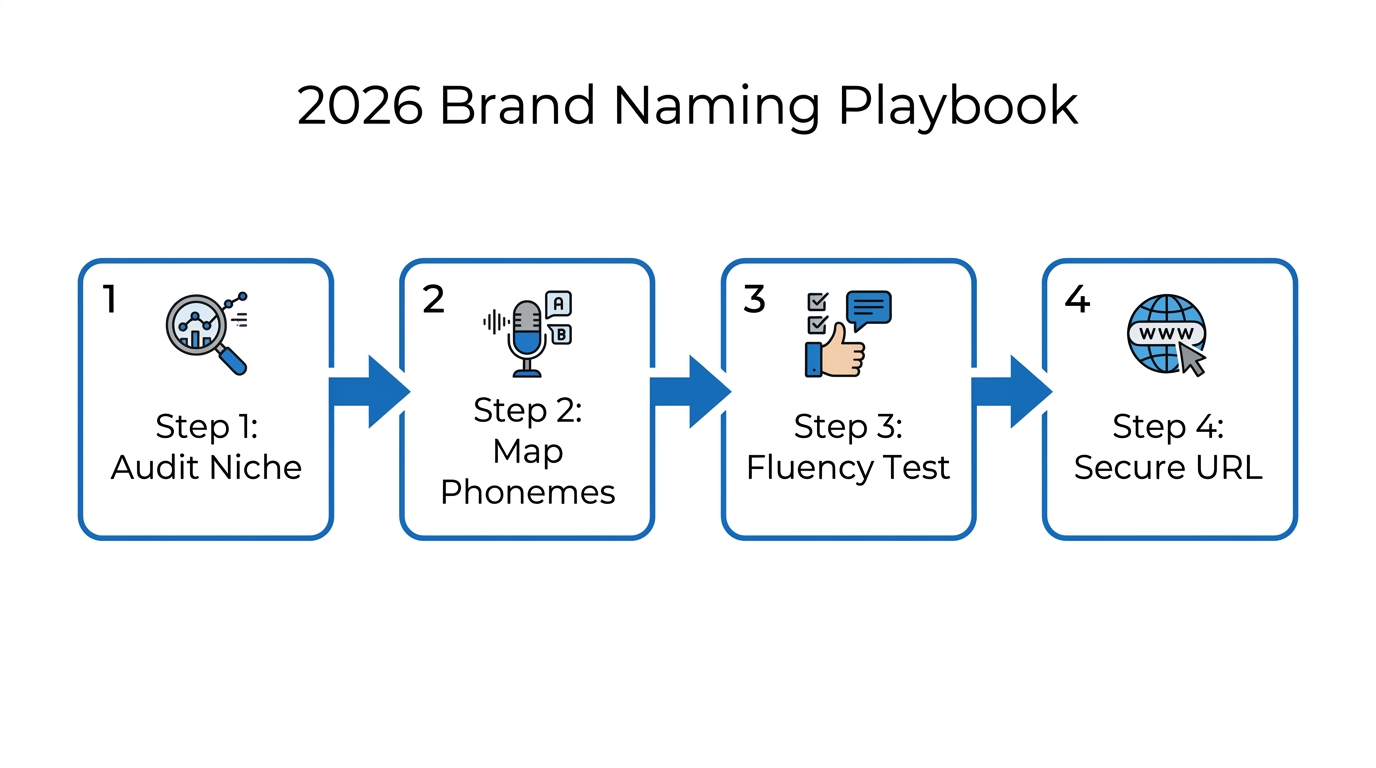
If you are building a startup in 2026, you don't need a massive agency budget to find a world-class name. You can follow a structured treasure hunt process used by the industry’s best linguists:
- Define Winning: Get your team in a room and ask what "winning" looks like for your name. Does it need to sound fast? Reliable? Luxury? Use a tool like Figma to visualize the brand's aesthetic alongside potential names.
- Quantify to Qualify: Don't stop at 50 names. Generate 2,000. Use AI tools like Claude or ChatGPT to explore lateral categories like Greek mythology, periodic tables, or aviation terms.
- Small Team Sprint: Avoid large brainstorming sessions. Work in teams of two to prevent peer pressure from killing "bizarre" but brilliant ideas.
- Proof of Concept: Put the name in a mock-up of a Wall Street Journal headline or on the side of a bus. Is it believable?
- Check the Sound Symbolism: Does the name include the power letters (P, B, K, X)? Does it follow the CBCV (Consonant-Vowel-Consonant-Vowel) pattern like Sonos or GoPro?
Conclusion: The Power of the Right Word
The science is clear: names that are processing fluent and surprisingly familiar outperform their generic counterparts in every metric that matters—from click-through rates on Meta Ads to long-term brand equity. Whether you are naming a new SaaS platform or a fiber supplement, remember that a name is a compounding asset. By leveraging sound symbolism and avoiding the comfort trap, you can build a brand that resonates on a subconscious level before the customer even reads your first line of copy. If you're ready to scale your new brand with creators, leverage an AI-powered platform like Stormy AI to find the perfect voices to carry your message to the world.